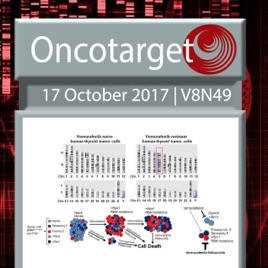
Advertise on podcast: Oncotarget
Rating
5from
This podcast has
504 episodes
Language
EnglishPublisher
Oncotarget PodcastExplicit
No
Date created
2017/10/09
Latest episode
2026/09/28
Average duration
8 min.
Release period
5 days
Description
Oncotarget is a primarily oncology-focused, peer-reviewed, open access journal. Papers are published continuously within yearly volumes in their final and complete form and then quickly released to Pubmed. Oncotarget is now indexed by MEDLINE, PubMed and PMC/PubMed. Read about the Oncotarget Scientific Integrity Process: https://www.oncotarget.com/scientific_integrity/
Unlock Oncotarget podcast Email contact info,
Listeners & Audience details
Email contact information
Direct podcast contact details

Listeners
Audience numbers & engagement insights

Audience details
Podcast Insights



Podcast episodes
Check latest episodes from Oncotarget podcast
Gut Microbiome Emerges as a Potential Partner in Precision Cancer Therapy
2026/09/28
BUFFALO, NY – September 28, 2026 – A new #editorial was #published in Volume 17 of Oncotarget on September 23, 2026, titled “Gut feeling: Microbes at the heart of cancer therapy.”
The article examines how the human microbiome may influence cancer development, treatment response and emerging precision-oncology strategies.
The editorial was led by first author Uzma Saqib, with Krishnan Hajela serving as corresponding author. Hajela is affiliated with the School of Life Sciences, Devi Ahilya Vishwavidyalaya, Takshashila Campus, Indore, Madhya Pradesh, India.
The microbiome—the collection of microorganisms living in a particular environment—has increasingly been linked to cancer biology. The gut microbiome can influence inflammation, immune responses and metabolism, while microbial metabolites can affect systemic metabolism, epigenetic processes and immune surveillance. Dysbiosis, or an imbalance in microbial communities, has been associated with several cancers. The authors highlight Fusobacterium nucleatum in colorectal cancer and Helicobacter pylori in gastric cancer as examples of microbes associated with tumor-promoting processes.
The microbiome may also affect how patients respond to cancer therapy. The editorial discusses evidence linking favorable gut microbial profiles with responses to immune checkpoint inhibitors such as anti-PD-1 and anti-CTLA-4 therapies. Certain microbial communities may support dendritic-cell maturation, T-cell priming and antitumor immunity, whereas dysbiosis has been associated with treatment resistance. Microbial metabolism can also influence chemotherapy efficacy and gastrointestinal toxicity.
These findings have encouraged investigation of the microbiome as both a therapeutic target and a biomarker. Microbial signatures may potentially help predict responses to immunotherapy, while probiotics, prebiotics and fecal microbiota transplantation are being explored as ways of modifying treatment response. The authors highlight Akkermansia muciniphila, which has enhanced anti-PD-1 efficacy in preclinical models. These approaches remain investigational and are not established replacements for standard cancer treatments.
Full press release - https://www.oncotarget.com/news/pr/gut-microbiome-emerges-as-a-potential-partner-in-precision-cancer-therapy/
DOI - https://doi.org/10.18632/oncotarget.28919
Correspondence to - Krishnan Hajela - [email protected] (ORCID: https://orcid.org/0000-0002-4742-9643)
Abstract video - https://www.youtube.com/watch?v=IDY6pK5yo-A
Sign up for free Altmetric alerts about this article - https://oncotarget.altmetric.com/details/email_updates?id=10.18632%2Foncotarget.28919
Subscribe for free publication alerts from Oncotarget - https://www.oncotarget.com/subscribe/
Keywords - cancer, gut microbiome, immunomodulation, precision therapeutics, tumor
To learn more about Oncotarget, please visit https://www.oncotarget.com and connect with us on social media:
Facebook - https://www.facebook.com/Oncotarget/
X - https://twitter.com/oncotarget
Instagram - https://www.instagram.com/oncotargetjrnl/
YouTube - https://www.youtube.com/@OncotargetJournal
LinkedIn - https://www.linkedin.com/company/oncotarget
Pinterest - https://www.pinterest.com/oncotarget/
Reddit - https://www.reddit.com/user/Oncotarget/
Spotify - https://open.spotify.com/show/0gRwT6BqYWJzxzmjPJwtVh
[email protected]
DHHC3 Helps Melanoma Tumors Evade Antitumor Immunity
2026/09/23
Cancer cells do not grow in isolation. Their ability to survive and form tumors depends partly on how they interact with immune cells in the surrounding tumor microenvironment. Melanoma is particularly responsive to immune-based mechanisms, making it important to understand the molecular processes that allow melanoma cells to limit or escape antitumor immune responses.
A research paper published in Volume 17 of Oncotarget, titled “DHHC3 interferes with antitumor immunity in melanoma cells,” investigated the role of the protein acyltransferase DHHC3 in melanoma growth, oxidative stress, cellular senescence, and antitumor immunity.
Why Study DHHC3 in Melanoma?
DHHC3 is one of 23 members of the DHHC family of protein acyltransferases. These enzymes modify proteins through a process known as palmitoylation, which can influence where proteins are located within cells and how they function.
Previous research from the investigators showed that DHHC3 palmitoylates numerous antioxidant and redox-regulatory proteins, providing a mechanism through which it helps control intracellular oxidative stress. Higher DHHC3 expression has also been associated with poorer survival across several cancer types, while DHHC3 ablation has previously been shown to reduce breast tumor growth.
However, an important question remained unresolved: does eliminating DHHC3 suppress tumors because of changes occurring directly within cancer cells, or because those changes allow the immune system to attack the tumor more effectively?
Full blog post - https://www.oncotarget.org/2026/09/23/dhhc3-helps-melanoma-tumors-evade-antitumor-immunity/
DOI - https://doi.org/10.18632/oncotarget.28880
Correspondence to - Martin E. Hemler - [email protected], and Chandan Sharma - [email protected]
Abstract video - https://www.youtube.com/watch?v=QQhP2VhzKSE
Sign up for free Altmetric alerts about this article - https://oncotarget.altmetric.com/details/email_updates?id=10.18632%2Foncotarget.28880
Subscribe for free publication alerts from Oncotarget - https://www.oncotarget.com/subscribe/
Keywords - cancer, oxidative stress, DHHC3, anti-cancer immunity, palmitoylation, melanoma
To learn more about Oncotarget, please visit https://www.oncotarget.com and connect with us:
Facebook - https://www.facebook.com/Oncotarget/
X - https://twitter.com/oncotarget
Instagram - https://www.instagram.com/oncotargetjrnl/
YouTube - https://www.youtube.com/@OncotargetJournal
LinkedIn - https://www.linkedin.com/company/oncotarget
Pinterest - https://www.pinterest.com/oncotarget/
Reddit - https://www.reddit.com/user/Oncotarget/
Spotify - https://open.spotify.com/show/0gRwT6BqYWJzxzmjPJwtVh
[email protected]
Commentary Calls for Consistent Evaluation of Potential Links Between COVID-19, Vaccination and Cancer
2026/09/17
BUFFALO, NY – September 17, 2026 – A new #commentary was #published in Volume 17 of Oncotarget on September 11, 2026, titled “Are both COVID-19 and COVID-19 vaccines associated with cancer?”
The paper was authored by Raphael Lataster, an independent researcher at the University of Sydney, and responds to a recent Oncotarget review by Charlotte Kuperwasser and Wafik S. El-Deiry examining published reports concerning cancer following COVID-19 vaccination or infection.
Lataster highlights research concerning potential associations between COVID-19 and cancer and discusses mechanisms proposed in the literature. He argues that similar mechanisms reported in connection with COVID-19 vaccination warrant consideration and further study.
The commentary also highlights differences in how evidence concerning COVID-19 vaccines and cancer has been evaluated in the scientific literature. He calls for the same evidentiary standards to be applied when considering potential links between COVID-19 infection, vaccination, and cancer.
“Such inquiries should proceed without preconceptions, applying the same evidentiary standards regardless of whether findings implicate infection, vaccination, or both.”
The commentary does not establish a causal relationship between COVID-19 vaccination and cancer. Rather, it calls for potential associations and biological mechanisms to be investigated without predetermined conclusions and with appropriate consideration of alternative explanations and the limitations of observational evidence.
DOI - https://doi.org/10.18632/oncotarget.28918
Correspondence to - Raphael Lataster - [email protected] (ORCID: https://orcid.org/0000-0002-6670-1702)
Preview video - https://www.youtube.com/watch?v=uSbIKNe3Hho
Sign up for free Altmetric alerts about this article - https://oncotarget.altmetric.com/details/email_updates?id=10.18632%2Foncotarget.28918
Subscribe for free publication alerts from Oncotarget - https://www.oncotarget.com/subscribe/
Keywords - cancer, COVID-19, COVID-19 vaccines, double standards
To learn more about Oncotarget, please visit https://www.oncotarget.com and connect with us:
Facebook - https://www.facebook.com/Oncotarget/
X - https://twitter.com/oncotarget
Instagram - https://www.instagram.com/oncotargetjrnl/
YouTube - https://www.youtube.com/@OncotargetJournal
LinkedIn - https://www.linkedin.com/company/oncotarget
Pinterest - https://www.pinterest.com/oncotarget/
Reddit - https://www.reddit.com/user/Oncotarget/
Spotify - https://open.spotify.com/show/0gRwT6BqYWJzxzmjPJwtVh
[email protected]
Restoring MHC-I Expression Could Strengthen Immune Responses Against CNS Cancers
2026/09/09
BUFFALO, NY – September 9, 2026 – A new #review was #published in Volume 17 of Oncotarget on September 8, 2026, titled “Re-expression of MHC-I to treat CNS cancers.”
The review examines emerging strategies to restore major histocompatibility complex class I (MHC-I) expression in cancers of the central nervous system (CNS), with the goal of making these tumors more visible and vulnerable to immune attack.
The review was authored by Arseniy E. Yuzhalin from the Sirius University of Science and Technology in Sochi, Russia.
Malignant central nervous system (CNS) tumors such as glioblastoma and brain metastases are often immunologically “cold,” with limited T-cell infiltration and poor responses to immune checkpoint therapy. One important mechanism of immune escape is the reduction or loss of major histocompatibility complex class I (MHC-I), which normally displays tumor-associated antigens to cytotoxic CD8+ T cells. When MHC-I expression falls, cancer cells become less visible to immune surveillance.
The review examines several strategies for restoring MHC-I expression. Epigenetic therapies, including histone deacetylase and DNA methyltransferase inhibitors, could potentially reverse epigenetic silencing of MHC-I genes, although blood-brain barrier penetration remains a major limitation in CNS cancers. A more direct approach could use adeno-associated virus (AAV) vectors to deliver patient-specific HLA-A, HLA-B, or HLA-C genes or transcription factors such as NLRC5 that promote MHC-I expression. However, efficient tumor targeting, gene delivery, and control of the immunosuppressive tumor microenvironment remain unresolved challenges.
The review also highlights PCSK9 inhibition as a clinically relevant strategy. PCSK9 can promote MHC-I degradation, and a recent surgical-window trial tested the cholesterol-lowering drug evolocumab in patients with newly diagnosed or recurrent glioma. A single preoperative dose showed measurable blood-brain barrier penetration, and tumors with higher drug concentrations displayed increased surface MHC-I expression, greater CD8+ T-cell infiltration, and enhanced cytotoxic activity. These findings provide proof-of-mechanism, although drug delivery into the brain remains a limiting factor.
Full press release - https://www.oncotarget.com/news/pr/restoring-mhc-i-expression-could-strengthen-immune-responses-against-cns-cancers/
DOI - https://doi.org/10.18632/oncotarget.28917
Correspondence to - Arseniy E. Yuzhalin - [email protected]
Abstract video - https://www.youtube.com/watch?v=NDvQ7QS3DFg
Sign up for free Altmetric alerts about this article - https://oncotarget.altmetric.com/details/email_updates?id=10.18632%2Foncotarget.28917
Subscribe for free publication alerts from Oncotarget - https://www.oncotarget.com/subscribe/
Keywords - cancer, brain tumor, CNS cancer, glioblastoma, brain metastasis; MHC-I
To learn more about Oncotarget, please visit https://www.oncotarget.com and connect with us:
Facebook - https://www.facebook.com/Oncotarget/
X - https://twitter.com/oncotarget
Instagram - https://www.instagram.com/oncotargetjrnl/
YouTube - https://www.youtube.com/@OncotargetJournal
LinkedIn - https://www.linkedin.com/company/oncotarget
Pinterest - https://www.pinterest.com/oncotarget/
Reddit - https://www.reddit.com/user/Oncotarget/
Spotify - https://open.spotify.com/show/0gRwT6BqYWJzxzmjPJwtVh
[email protected]
Therapeutic HPV Vaccine PepCan Tested for Preventing Head and Neck Cancer Recurrence
2026/09/08
Head and neck squamous cell carcinoma (HNSCC) can return even after patients complete surgery, radiation, chemotherapy, or combinations of these treatments. Preventing recurrence therefore remains an important challenge in head and neck cancer care. Human papillomavirus (HPV), particularly HPV type 16, is also an established cause of a subset of these cancers, especially oropharyngeal squamous cell carcinoma.
A research paper published in Volume 17 of Oncotarget, titled “A randomized double-blind placebo-controlled phase I/II clinical trial of a human papillomavirus therapeutic vaccine, PepCan, for reducing head and neck squamous cell carcinoma recurrence,” investigated whether an experimental therapeutic HPV vaccine could safely reduce the risk of HNSCC recurrence after standard treatment.
Full blog post - https://www.oncotarget.org/2026/09/08/therapeutic-hpv-vaccine-pepcan-tested-for-preventing-head-and-neck-cancer-recurrence/
DOI - https://doi.org/10.18632/oncotarget.28892
Correspondence to - Mayumi Nakagawa - [email protected]
Abstract video - https://www.youtube.com/watch?v=oh0MNrrPGhw
Sign up for free Altmetric alerts about this article - https://oncotarget.altmetric.com/details/email_updates?id=10.18632%2Foncotarget.28892
Subscribe for free publication alerts from Oncotarget - https://www.oncotarget.com/subscribe/
Keywords - cancer, human papillomavirus, head and neck cancer, therapeutic vaccine, adjuvant, clinical trial
To learn more about Oncotarget, please visit https://www.oncotarget.com and connect with us on social media:
Facebook - https://www.facebook.com/Oncotarget/
X - https://twitter.com/oncotarget
Instagram - https://www.instagram.com/oncotargetjrnl/
YouTube - https://www.youtube.com/@OncotargetJournal
LinkedIn - https://www.linkedin.com/company/oncotarget
Pinterest - https://www.pinterest.com/oncotarget/
Reddit - https://www.reddit.com/user/Oncotarget/
Spotify - https://open.spotify.com/show/0gRwT6BqYWJzxzmjPJwtVh
[email protected]
Oncotarget Supports WIN 2026 Symposium Advancing Precision Oncology
2026/09/08
BUFFALO, NY - September 8, 2026 – Oncotarget is proud to support the WIN 2026 Symposium, organized by the Worldwide Innovative Networking (WIN) Consortium, taking place October 2–3, 2026, at the Rhode Island Convention Center in Providence.
The two-day symposium, themed “Precision Oncology: Innovation and Equity Across the Globe,” will bring together researchers, clinicians, healthcare professionals, industry leaders, and other experts from around the world to explore advances in precision oncology and strategies for improving personalized cancer care.
The WIN Consortium is chaired by Wafik S. El-Deiry, MD, PhD, FACP, who also serves as Editor-in-Chief of Oncotarget. Dr. El-Deiry is also the Associate Dean for Oncologic Sciences at the Warren Alpert Medical School, Director of the Legorreta Cancer Center at Brown University, and Director of the Joint Program in Cancer Biology at Brown University and affiliated hospitals.
As a peer-reviewed oncology journal dedicated to publishing impactful cancer research, Oncotarget is pleased to support initiatives that encourage international collaboration and advance innovative approaches to cancer prevention, diagnosis, and treatment.
Full press release - https://www.oncotarget.com/news/pr/oncotarget-supports-win-2026-symposium-advancing-precision-oncology/
To learn more about the symposium and registration, visit https://winconsortium.org/symposia
To learn more about Oncotarget, please visit www.oncotarget.com and connect with us:
Facebook - www.facebook.com/Oncotarget/
X - twitter.com/oncotarget
Instagram - www.instagram.com/oncotargetjrnl/
YouTube - www.youtube.com/@OncotargetJournal
LinkedIn - www.linkedin.com/company/oncotarget
Pinterest - www.pinterest.com/oncotarget/
Reddit - www.reddit.com/user/Oncotarget/
Spotify - open.spotify.com/show/0gRwT6BqYWJzxzmjPJwtVh
Tumor-Derived Extracellular Vesicles Show Promise for Earlier Detection of Metastatic Risk
2026/09/01
BUFFALO, NY – September 1, 2026 – A new #review was published in Volume 17 of Oncotarget on August 28, 2026, titled “Emerging biomedical imaging applications of tumor-derived extracellular vesicles for premetastatic niche detection: Biological rationale, engineering strategies, and translational challenges.”
The review was led by first author Omkar Dhaygude, who is affiliated with Johns Hopkins University. Corresponding authors Franck Housseau and John Michel are affiliated with Johns Hopkins University, with Housseau also affiliated with the Cancer Research Center of Lille in France.
Extracellular vesicles (EVs) are membrane-enclosed particles released by cells that transport proteins, lipids, nucleic acids, metabolites, and other molecular cargo. In cancer, tumor-derived extracellular vesicles (TEVs) can influence the tumor microenvironment and distant tissues by promoting processes such as angiogenesis, extracellular matrix remodeling, inflammatory signaling, immune evasion, and stromal reprogramming.
Of particular interest is the role of TEVs in establishing premetastatic niches—biological environments in distant organs that become permissive to metastatic cells before overt tumors are detectable. TEVs can carry organ-specific molecular signals, and their surface molecules may influence which tissues they reach. For example, previous experimental research has linked the integrins α6β4 and α6β1 with lung tropism, providing a biological rationale for using TEVs to direct imaging probes toward metastasis-prone organs.
This possibility could address an important limitation of conventional cancer imaging. Computed tomography and other anatomical methods are designed primarily to detect established structural lesions, whereas premetastatic niches are characterized by earlier molecular and microenvironmental alterations. The authors therefore examine whether TEV-associated imaging could provide information about metastatic conditioning before conventional imaging can identify overt metastatic lesions.
Full press release - https://www.oncotarget.com/news/pr/tumor-derived-extracellular-vesicles-show-promise-for-earlier-detection-of-metastatic-risk/
DOI - https://doi.org/10.18632/oncotarget.28916
Correspondence to - Franck Housseau - [email protected], and John Michel - [email protected]
Abstract video - https://www.youtube.com/watch?v=0zygNvj4_YY
Sign up for free Altmetric alerts about this article - https://oncotarget.altmetric.com/details/email_updates?id=10.18632%2Foncotarget.28916
Subscribe for free publication alerts from Oncotarget - https://www.oncotarget.com/subscribe/
Keywords - cancer, lung metastases, cancer imaging, theranostic, premetastatic niches, extra-cellular vesicles
To learn more about Oncotarget, please visit https://www.oncotarget.com and connect with us:
Facebook - https://www.facebook.com/Oncotarget/
X - https://twitter.com/oncotarget
Instagram - https://www.instagram.com/oncotargetjrnl/
YouTube - https://www.youtube.com/@OncotargetJournal
LinkedIn - https://www.linkedin.com/company/oncotarget
Pinterest - https://www.pinterest.com/oncotarget/
Reddit - https://www.reddit.com/user/Oncotarget/
Spotify - https://open.spotify.com/show/0gRwT6BqYWJzxzmjPJwtVh
[email protected]
Tumor-Infiltrating Lymphocyte Therapy Offers a Promising Approach for Treating Solid Tumors
2026/08/31
BUFFALO, NY – August 31, 2026 – A new #editorial was published in Volume 17 of Oncotarget on June 8, 2026, titled “Tumor infiltrating lymphocyte (TIL) therapy for treating the solid tumors: Challenges and future perspectives.”
The editorial was led by first and corresponding author Bhartendra Sharma from Mahatma Gandhi University of Medical Sciences and Technology, Jaipur, Rajasthan, India, along with co-authors Sukhbir Kaur, Vikas Sharma and Sanjay Soni.
Tumor-infiltrating lymphocyte (TIL) therapy is a form of adoptive cellular therapy that uses immune cells naturally present within tumors to attack cancer. Unlike chimeric antigen receptor (CAR) T-cell therapy, which genetically modifies a patient’s T cells to recognize specific tumor antigens and has achieved its greatest success in hematological malignancies, TIL therapy has shown potential in several types of solid tumors.
The approach has a history spanning more than four decades. Steven Rosenberg first isolated TILs from a mouse tumor in 1982, and subsequent experiments demonstrated antitumor effects when TILs were combined with cyclophosphamide and interleukin-2 (IL-2). In 1988, Rosenberg and colleagues reported favorable clinical outcomes after administering TIL therapy to patients with metastatic melanoma.
Full press release - https://www.oncotarget.com/news/pr/tumor-infiltrating-lymphocyte-therapy-offers-a-promising-approach-for-treating-solid-tumors/
DOI - https://doi.org/10.18632/oncotarget.28883
Correspondence to - Bhartendra Sharma - [email protected]
Intro video - https://www.youtube.com/watch?v=QAr_R4WCJfk
Sign up for free Altmetric alerts about this article - https://oncotarget.altmetric.com/details/email_updates?id=10.18632%2Foncotarget.28883
Subscribe for free publication alerts from Oncotarget - https://www.oncotarget.com/subscribe/
Keywords - cancer, tumor infiltrating lymphocytes, solid tumors, adoptive cellular therapy, immunotherapy
To learn more about Oncotarget, please visit https://www.oncotarget.com and connect with us on social media:
Facebook - https://www.facebook.com/Oncotarget/
X - https://twitter.com/oncotarget
Instagram - https://www.instagram.com/oncotargetjrnl/
YouTube - https://www.youtube.com/@OncotargetJournal
LinkedIn - https://www.linkedin.com/company/oncotarget
Pinterest - https://www.pinterest.com/oncotarget/
Reddit - https://www.reddit.com/user/Oncotarget/
Spotify - https://open.spotify.com/show/0gRwT6BqYWJzxzmjPJwtVh
[email protected]
KRAS G12C Mutation Identified as a Rare Potential Target in Genitourinary Cancers
2026/08/28
BUFFALO, NY – August 28, 2026 – A new #research paper was published in Volume 17 of Oncotarget on August 19, 2026, titled “Incidence of KRAS G12C mutations in genitourinary malignancies; emerging target in precision medicine.”
The study was led by first author Kelly Crane from the Department of Urology at SUNY Upstate Medical University. The corresponding author is K. R. Seetharam Bhat, who is affiliated with the Department of Urology at SUNY Upstate Medical University and Upstate Urology at MVHS.
KRAS is one of the most extensively studied oncogenes in cancer, and the G12C variant has become clinically important following the development of mutation-specific inhibitors. Although KRAS G12C-targeted therapy is established in other malignancies, its frequency and genomic characteristics in genitourinary cancers have remained less well defined.
To address this gap, the researchers performed comprehensive genomic profiling of 13,654 tumor specimens from patients with metastatic disease, including 1,453 renal clear cell carcinomas, 3,879 urothelial bladder carcinomas, and 8,322 prostate acinar adenocarcinomas. Tumor mutational burden, microsatellite instability, and PD-L1 expression were also evaluated.
Across the full cohort, KRAS alterations were detected in 367 tumors, or 2.7%, while KRAS G12C was identified in only 25 tumors, representing approximately 0.2% of all specimens. No G12C variants were found among the renal clear cell carcinomas. In urothelial bladder carcinoma, 24 of 202 KRAS-altered tumors, or 12%, carried G12C, while only one of 158 KRAS-altered prostate tumors contained the variant.
Full press release - https://www.oncotarget.com/news/pr/kras-g12c-mutation-identified-as-a-rare-potential-target-in-genitourinary-cancers/
DOI - https://doi.org/10.18632/oncotarget.28912
Correspondence to - K. R. Seetharam Bhat - [email protected]
Abstract video - https://www.youtube.com/watch?v=me9HXtnDmp4
Sign up for free Altmetric alerts about this article - https://oncotarget.altmetric.com/details/email_updates?id=10.18632%2Foncotarget.28912
Subscribe for free publication alerts from Oncotarget - https://www.oncotarget.com/subscribe/
Keywords - cancer, KRAS mutation, genitourinary malignancy, precision medicine, emerging target
To learn more about the journal, please visit https://www.oncotarget.com and connect with us on social media:
Facebook - https://www.facebook.com/Oncotarget/
X - https://twitter.com/oncotarget
Instagram - https://www.instagram.com/oncotargetjrnl/
YouTube - https://www.youtube.com/@OncotargetJournal
LinkedIn - https://www.linkedin.com/company/oncotarget
Pinterest - https://www.pinterest.com/oncotarget/
Reddit - https://www.reddit.com/user/Oncotarget/
Spotify - https://open.spotify.com/show/0gRwT6BqYWJzxzmjPJwtVh
[email protected]
New Analysis Challenges Methods Used to Measure Residual DNA in mRNA Vaccines
2026/08/25
BUFFALO, NY – August 25, 2026 – A new precision oncology paper was #published in Volume 17 of Oncotarget on August 14, 2026, titled “Systematic methodological flaws in DNA contamination assessment of mRNA vaccines: A critical analysis of Achs et al. (2025).”
The article was led by first and corresponding author Kevin McKernan from Medicinal Genomics, Beverly, Massachusetts, along with co-authors David J. Speicher from Cyrus Scientific Inc, Hamilton, Ontario, Canada, and Jessica Rose from Brownstone Institute, Austin, Texas.
Rather than presenting a new experimental vaccine analysis, the paper critically examines the methodology used by Achs et al. in a 2025 study that reported no excessive residual DNA impurities in COVID-19 mRNA vaccines. McKernan and colleagues argue that several methodological choices in that study could systematically underestimate residual DNA and therefore limit its suitability for regulatory safety assessment.
One major concern involves how quantitative PCR results were converted from DNA copy numbers into mass. Achs et al. used full-length plasmid molecular weight in their calculations even though their own sequencing data suggested much shorter median DNA fragment sizes. The critique argues that this approach requires fragmentation-correction factors because random DNA breakage can disrupt qPCR target regions and reduce the number of detectable amplicons. Without such correction, the authors contend that residual DNA mass may be underestimated.
The paper also highlights the importance of primer and amplicon design. Achs et al. used qPCR targets with substantially different amplicon lengths, including shorter kanamycin-resistance targets and longer spike-encoding targets. Because the reported median DNA fragment sizes were approximately 130–201 base pairs, longer amplicons would be less likely to remain intact after fragmentation. The authors therefore argue that this design could preferentially reduce detection of spike-associated DNA relative to shorter plasmid regions.
DOI - https://doi.org/10.18632/oncotarget.28913
Correspondence to - Kevin McKernan - [email protected]
Abstract video - https://www.youtube.com/watch?v=xSWS3HDQUus
Sign up for free Altmetric alerts about this article - https://oncotarget.altmetric.com/details/email_updates?id=10.18632%2Foncotarget.28913
Subscribe for free publication alerts from Oncotarget - https://www.oncotarget.com/subscribe/
Keywords - cancer, mRNA vaccines, DNA contamination, qPCR; plasmid DNA, RNA:DNA hybrids
To learn more about Oncotarget, please visit https://www.oncotarget.com and connect with us:
Facebook - https://www.facebook.com/Oncotarget/
X - https://twitter.com/oncotarget
Instagram - https://www.instagram.com/oncotargetjrnl/
YouTube - https://www.youtube.com/@OncotargetJournal
LinkedIn - https://www.linkedin.com/company/oncotarget
Pinterest - https://www.pinterest.com/oncotarget/
Reddit - https://www.reddit.com/user/Oncotarget/
Spotify - https://open.spotify.com/show/0gRwT6BqYWJzxzmjPJwtVh
[email protected]
Experimental Compounds Push Cancer-Promoting Pathways Into Overdrive in Pancreatic Cancer Cells
2026/08/24
Pancreatic cancer remains one of the most difficult cancers to treat, in part because mutations in the KRAS gene are extraordinarily common in pancreatic ductal adenocarcinoma (PDAC). These mutations keep growth-promoting signals switched on, allowing cancer cells to proliferate and survive. Although drugs targeting certain KRAS mutations have emerged in recent years, they work against only a subset of mutant forms, leaving a need for strategies capable of targeting a broader range of KRAS-driven cancers.
A research paper published in Volume 17 of Oncotarget, titled “The anticancer effects of PCAIs in pancreatic cancer cells involve MAPK and PI3K/AKT pathways hyperactivation,” investigated a class of experimental compounds known as polyisoprenylated cysteinyl amide inhibitors, or PCAIs. Rather than simply shutting down signaling pathways normally associated with cancer growth, the researchers uncovered a more unexpected effect: PCAIs pushed some of these pathways into unusually high activity while simultaneously promoting oxidative stress, disrupting cell structure, and triggering cancer cell death.
Full blog post - https://www.oncotarget.org/2026/08/24/experimental-compounds-push-cancer-promoting-pathways-into-overdrive-in-pancreatic-cancer-cells/
DOI - https://doi.org/10.18632/oncotarget.28879
Correspondence to - Nazarius S. Lamango - [email protected]
Abstract video - https://www.youtube.com/watch?v=asbhjME7rFQ
Sign up for free Altmetric alerts about this article - https://oncotarget.altmetric.com/details/email_updates?id=10.18632%2Foncotarget.28879
Subscribe for free publication alerts from Oncotarget - https://www.oncotarget.com/subscribe/
Keywords - cancer, PCAIs, PDAC, MAPK, PI3K/AKT, KRAS
To learn more about Oncotarget, please visit https://www.oncotarget.com and connect with us on social media:
Facebook - https://www.facebook.com/Oncotarget/
X - https://twitter.com/oncotarget
Instagram - https://www.instagram.com/oncotargetjrnl/
YouTube - https://www.youtube.com/@OncotargetJournal
LinkedIn - https://www.linkedin.com/company/oncotarget
Pinterest - https://www.pinterest.com/oncotarget/
Reddit - https://www.reddit.com/user/Oncotarget/
Spotify - https://open.spotify.com/show/0gRwT6BqYWJzxzmjPJwtVh
[email protected]
Trk and IGF1R-Related Signaling Linked to Delayed Ewing Sarcoma Growth
2026/08/10
BUFFALO, NY – August 10, 2026 – A new #research paper was #published in Volume 17 of Oncotarget on August 7, 2026, titled “Delayed growth of SK-ES-1 Ewing sarcoma tumor xenografts is associated with reduced Trk and IGF1R pathway markers.”
The study was led by first author Bruna Almeida dos Santos and corresponding author Caroline Brunetto de Farias, primarily affiliated with the Federal University of Rio Grande do Sul and the National Science and Technology Institute for Children’s Cancer Biology and Pediatric Oncology (INCT BioOncoPed), with de Farias also affiliated with the Children’s Cancer Institute (ICI) in Brazil. The research team investigated whether targeting tropomyosin receptor kinase (Trk) and related signaling pathways could interfere with Ewing sarcoma growth.
Ewing sarcoma is an aggressive cancer that primarily affects children and adolescents and can arise in bone or soft tissue. Although modern multimodal treatments have substantially improved outcomes for patients with localized disease, the prognosis remains considerably poorer for metastatic or relapsed Ewing sarcoma. This has driven efforts to identify molecular pathways that could provide additional therapeutic targets.
One potential target involves the Trk family of receptor tyrosine kinases. TrkA, TrkB, and TrkC are encoded by the NTRK1, NTRK2, and NTRK3 genes, respectively, and regulate intracellular signaling pathways involved in cell survival, differentiation, and growth. Previous work from the research group showed that TrkA and TrkB are expressed in Ewing sarcoma and that blocking these receptors can reduce tumor-cell proliferation.
Full press release - https://www.oncotarget.com/news/pr/trk-and-igf1r-related-signaling-linked-to-delayed-ewing-sarcoma-growth/
DOI - https://doi.org/10.18632/oncotarget.28911
Correspondence to - Caroline Brunetto de Farias - [email protected]
Abstract video - https://www.youtube.com/watch?v=ZG-vhYfHjuw
Sign up for free Altmetric alerts about this article - https://oncotarget.altmetric.com/details/email_updates?id=10.18632%2Foncotarget.28911
Subscribe for free publication alerts from Oncotarget - https://www.oncotarget.com/subscribe/
Keywords - cancer, Ewing sarcoma, K252a, Trk, NTRK, insulin-like growth factor 1 receptor
To learn more about Oncotarget, please visit https://www.oncotarget.com and connect with us:
Facebook - https://www.facebook.com/Oncotarget/
X - https://twitter.com/oncotarget
Instagram - https://www.instagram.com/oncotargetjrnl/
YouTube - https://www.youtube.com/@OncotargetJournal
LinkedIn - https://www.linkedin.com/company/oncotarget
Pinterest - https://www.pinterest.com/oncotarget/
Reddit - https://www.reddit.com/user/Oncotarget/
Spotify - https://open.spotify.com/show/0gRwT6BqYWJzxzmjPJwtVh
[email protected]
CTHRC1 in the Tumor Microenvironment Drives Colorectal Cancer Growth in Mouse Study
2026/08/10
Colorectal cancer does not develop in isolation. Cancer cells exist within a complex tumor microenvironment made up of fibroblasts, immune cells, blood vessels, and extracellular matrix. Increasing evidence suggests that these surrounding cells and structures can influence whether tumors grow, regress, or evade the immune system.
A research paper published in Volume 17 of Oncotarget, titled “Microenvironmental CTHRC1 has a pro-tumorigenic role in colorectal cancer,” investigated the role of collagen triple helix repeat containing 1 (CTHRC1), a secreted protein found in cancer-associated stroma.
Full blog post - https://www.oncotarget.org/2026/08/10/cthrc1-in-the-tumor-microenvironment-drives-colorectal-cancer-growth-in-mouse-study/
DOI - https://doi.org/10.18632/oncotarget.28878
Correspondence to: Sergey Ryzhov - [email protected]; Volkhard Lindner- [email protected]; Michaela R. Reagan - [email protected]
Abstract video - https://www.youtube.com/watch?v=gTbYy6vGd7E
Sign up for free Altmetric alerts about this article - https://oncotarget.altmetric.com/details/email_updates?id=10.18632%2Foncotarget.28878
Subscribe for free publication alerts from Oncotarget - https://www.oncotarget.com/subscribe/
Keywords - cancer, Cthrc1, CRC, colorectal cancer, subcutaneous tumor model, immune analysis
To learn more about Oncotarget, please visit https://www.oncotarget.com and connect with us:
Facebook - https://www.facebook.com/Oncotarget/
X - https://twitter.com/oncotarget
Instagram - https://www.instagram.com/oncotargetjrnl/
YouTube - https://www.youtube.com/@OncotargetJournal
LinkedIn - https://www.linkedin.com/company/oncotarget
Pinterest - https://www.pinterest.com/oncotarget/
Reddit - https://www.reddit.com/user/Oncotarget/
Spotify - https://open.spotify.com/show/0gRwT6BqYWJzxzmjPJwtVh
[email protected]
Artificial Intelligence Could Transform Nutrition Care for Cancer Patients
2026/07/28
Nutrition plays a critical role in cancer care, yet it is often overlooked. Many patients experience weight loss, muscle wasting, treatment-related side effects, and changes in appetite that can affect their ability to tolerate therapy and maintain quality of life. Although nutrition specialists can help manage these challenges, access to specialized nutritional care remains limited in many healthcare settings.
An editorial published in Volume 17 of Oncotarget, titled “Artificial intelligence in nutritional oncology: From isolated screening tools to agentic intervention systems,” explores how advances in artificial intelligence (AI) could help address this gap. The editorial was written by Arnab Sarkar and corresponding author Yashbir Singh-Wolkenhauer, who is affiliated with the Department of Radiology, Mayo Clinic, Rochester, Minnesota. Rather than presenting new clinical trial data, the authors outline a future vision in which AI systems move beyond isolated tasks to continuously support nutritional care throughout a patient’s cancer journey.
Full blog post - https://www.oncotarget.org/2026/07/28/artificial-intelligence-could-transform-nutrition-care-for-cancer-patients/
DOI - https://doi.org/10.18632/oncotarget.28874
Correspondence to - Yashbir Singh-Wolkenhauer - [email protected]
Abstract video - https://www.youtube.com/watch?v=sVKhRSr5xaY
Sign up for free Altmetric alerts about this article - https://oncotarget.altmetric.com/details/email_updates?id=10.18632%2Foncotarget.28874
Subscribe for free publication alerts from Oncotarget - https://www.oncotarget.com/subscribe/
Keywords - cancer, artificial intelligence
To learn more about Oncotarget, please visit https://www.oncotarget.com and connect with us on social media:
Facebook - https://www.facebook.com/Oncotarget/
X - https://twitter.com/oncotarget
Instagram - https://www.instagram.com/oncotargetjrnl/
YouTube - https://www.youtube.com/@OncotargetJournal
LinkedIn - https://www.linkedin.com/company/oncotarget
Pinterest - https://www.pinterest.com/oncotarget/
Reddit - https://www.reddit.com/user/Oncotarget/
Spotify - https://open.spotify.com/show/0gRwT6BqYWJzxzmjPJwtVh
[email protected]
Molecular Tumor Board Explores Personalized Treatment Strategies for Patient with Multiple Cancers
2026/07/22
BUFFALO, NY – July 22, 2026 – A new #PrecisionOncology paper was #Published in Volume 17 of Oncotarget on July 21, 2026, titled “WIN-MTB-2024017 – WIN International Molecular Tumor Board: A 48-year-old female with multiple primary cancers.”
The study was led by Oncotarget Editor-in-Chief, Dr. Wafik S. El-Deiry, from the Worldwide Innovative Network (WIN) Association – WIN Consortium and Legorreta Cancer Center at Brown University.
Patients who develop multiple primary cancers face unique diagnostic and treatment challenges because each tumor may have distinct biological characteristics requiring different therapeutic approaches. Advances in genomic profiling and precision oncology now enable clinicians to better distinguish between independent tumors and recurrent disease while identifying molecular alterations that may guide individualized treatment strategies. This case report demonstrates how an international molecular tumor board integrated comprehensive genomic data with multidisciplinary expertise to develop personalized recommendations for a patient with an exceptionally complex cancer history.
The case describes the clinical journey of a 48-year-old woman carrying a germline BRCA1 mutation who developed multiple primary cancers over nearly two decades, including breast cancer, basal cell carcinoma of the skin, high-grade serous ovarian carcinoma, colon cancer, and small bowel adenocarcinoma. During this time, she underwent multiple surgeries, chemotherapy regimens, targeted therapy with the PARP inhibitor niraparib, and extensive molecular testing to characterize each malignancy.
Full press release - https://www.oncotarget.com/news/pr/international-molecular-tumor-board-explores-personalized-treatment-strategies-for-a-patient-with-multiple-primary-cancers/
DOI - https://doi.org/10.18632/oncotarget.28899
Correspondence to - Wafik S. El-Deiry - [email protected]
Abstract video - https://www.youtube.com/watch?v=4KIDbmq6ui8
Sign up for free Altmetric alerts about this article - https://oncotarget.altmetric.com/details/email_updates?id=10.18632%2Foncotarget.28899
Subscribe for free publication alerts from Oncotarget - https://www.oncotarget.com/subscribe/
Keywords - cancer, precision oncology, molecular tumor board
To learn more about Oncotarget, please visit https://www.oncotarget.com and connect with us:
Facebook - https://www.facebook.com/Oncotarget/
X - https://twitter.com/oncotarget
Instagram - https://www.instagram.com/oncotargetjrnl/
YouTube - https://www.youtube.com/@OncotargetJournal
LinkedIn - https://www.linkedin.com/company/oncotarget
Pinterest - https://www.pinterest.com/oncotarget/
Reddit - https://www.reddit.com/user/Oncotarget/
Spotify - https://open.spotify.com/show/0gRwT6BqYWJzxzmjPJwtVh
[email protected]
Podcast reviews
Read Oncotarget podcast reviews
Abel Marsh.aa 2021/07/27
great content variety
The Oncotarget podcast is excellent, informative, and offers insight into the latest cancer research. I tell my colleagues about it all the time
Cream_sodaa 2021/03/29
Super informative!
Audiopapers
Podcast sponsorship advertising
Start advertising on Oncotarget relevant audience podcasts
You may also like to advertise on these Podcasts

4.824771862
Deck The Hallmark
Bramble Jam Podcast Network

4.716452000
Morning Mindset Christian Daily Devotional Bible study and prayer
Carey Green
4.7368461276
Louder with Crowder
Louder with Crowder

4.858221909
Sara Gonzales Unfiltered
Blaze Podcast Network

4.810941746
Warchant Podcasts featuring Seminole Headlines
Warchant.com

4.549052000
The Daily Stoic
Daily Stoic | Backyard Ventures

4.813262012
The Jeff Cameron Show ~ Warchant.com
Jeff Cameron Show
4.861381091
The David Pakman Show
David Pakman

4.933781199
Tea Time UNFILTERED With Lovelyti
Lovelyti

4.6619502000
The Dan Bongino Show
Cumulus Podcast Network | Dan Bongino