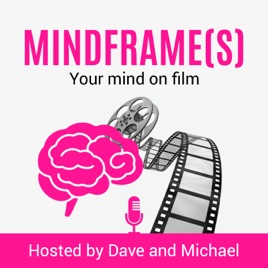
Advertise on podcast: Mindframe(s)
Rating
4.4from
This podcast has
100 episodes
Language
EnglishPublisher
Dave Canfield and Michael CockerillExplicit
No
Date created
2018/10/26
Latest episode
2026/01/23
Average duration
77 min.
Release period
16 days
Description
Each week Dave and Michael talk about film and where it fits in the larger social story.
Unlock Mindframe(s) podcast Email contact info,
Listeners & Audience details
Email contact information
Direct podcast contact details

Listeners
Audience numbers & engagement insights

Audience details
Podcast Insights


Podcast episodes
Check latest episodes from Mindframe(s) podcast
Episode 109: 28 Years Later: The Bone Temple
2026/01/23
28 Years Later: The Bone Temple (2026)
Episode Summary:
In this episode, Michael and Dave dissect 28 Years Later: The Bone Temple, the most visually ambitious and thematically rich installment in the iconic 28 Days Later franchise. They explore the film's eerie cult narrative, psychological undercurrents, and the shifting horror dynamics that turn humans into the real monsters. With Nia DaCosta in the director's chair and Alex Garland returning as writer, the film blends horror, satire, and surprising moments of hope. A rich conversation for fans of speculative horror and social allegory.
🎬 Cast & Crew Details – Who Made This Film and Why It Matters Director: Nia DaCosta (Candyman, The Marvels, Little Woods)
Writer: Alex Garland (Ex Machina, Annihilation, Men, 28 Days Later)
Cinematographer: Sean Bobbitt (12 Years a Slave, Widows, Hunger)
Key Cast:
Ralph Fiennes as Dr. Ian Kelson – a monument builder and reluctant scientist
Alfie Williams as Spike – a returning survivor struggling with identity
Jack O'Connell as Jimmy Crystal – the chilling, charismatic cult leader
Chai Lewis-Perry as Samson – a towering infected in the midst of transformation
⏱️ Timestamps & Topics – Your Guide Through the Conversation Time Topic 00:00 Opening Banter & Setting the Stage for Bone Temple 00:41 Introducing the Film – Context Within the Franchise 01:19 Directorial Approach: Nia DaCosta's Vision & Filmography 02:24 Comparing to 2025's 28 Years Later – Evolution or Echo? 04:18 Characters Returning & The Cult of the Jimmies Introduced 07:34 Revisiting the Franchise's Viral Origins & Setting 10:01 Plot Overview: Bone Temples, Cults, and Scientific Obsession 10:44 Cinematography Upgrades & Visual Tone Shifts 13:26 Danny Boyle's Influence & Where DaCosta Departs 15:38 Narrative Tightness vs. Thematic Breadth 16:23 Box Office Woes & The "January Dump" Conspiracy 17:35 Jimmy Crystal as a Breakout Villain 18:18 Spoiler-Free Reviews: Performances, Style, and Reception 21:46 Ralph Fiennes' Complex Turn as Dr. Kelson 23:32 Missteps in Marketing & Missed Opportunities 26:20 Themes vs. Advertising: What the Film Really Offers 27:26 Final Thoughts and Personal Ratings ⚠️ Spoiler Discussion Highlights – Deeper Themes, Arcs, and Revelations The Jimmies as Symbol & Horror:
The gang discusses how the Jimmies reflect societal decay, inspired by the real-life figure of Jimmy Savile. Their cultish behavior and unflinching cruelty mirror deeper fears about manipulation, lost innocence, and the rot at the core of community leadership.
Samson's Redemption Arc:
A standout element of the film, Samson's transformation from infected monster to near-human symbolizes the potential for recovery even in corrupted bodies and minds. His scenes with Dr. Kelson evoke tenderness, contrast with the Jimmies' savagery, and challenge the notion of what makes someone "monstrous."
Human Evil vs. Infected Violence:
The conversation explores how the infected, though dangerous, follow instinct—while the Jimmies choose cruelty. This blurs the line between traditional "monster" narratives and moral horror, echoing themes from Lord of the Flies and The Road.
Visual Juxtaposition of Horror and Beauty:
Bone temples, lush landscapes, and surreal moments (like cloud-gazing while high) create a strange harmony. These sequences ask whether beauty can exist in a world of collapse and whether healing is possible amid trauma.
Cultural Legacy & Genre Evolution:
Dave and Michael reflect on how the 28 franchise redefined the zombie genre, and how Bone Temple may mark a new phase—one that values emotional depth and psychological horror as much as jump scares.
Mentioned in this Episode:
Films: Candyman (2021), Widows, Red Dragon, Gangs of London, Deluge (1933)
Cultural Figures: Jimmy Savile, Mr. Rogers
Literary/Genre References: Lord of the Flies, The Walking Dead, Mad Max, Godzilla
Connect with Us:
Website: https://mindframesfilm.com
Episode 108- What can we expect for 2026?
2026/01/19
Show Notes Film / Topic Title: Looking to 2026: The Future of Cinema
Focus: Industry trends, cultural anxieties, and the most anticipated films of 2026
IMDb: N/A (discussion episode)
Episode Summary In this episode of Mindframes, Michael and David look ahead to 2026 and ask a deceptively simple question: what kind of year will it be for movies? Coming off what they consider a creatively rich—but commercially uneven—2025, the conversation explores the tension between artistic vitality and economic uncertainty. From box office struggles and bloated marketing budgets to shifting audience habits and global cinema's rising influence, the hosts balance cautious concern with genuine excitement for what's coming next.
Themes & Discussion Theme 1 – Cinema Thriving Creatively, Struggling Economically
While 2025 delivered exceptional films and performances, many acclaimed movies failed to connect with large audiences. The episode interrogates whether this gap reflects streaming habits, rising costs, marketing excess, or deeper cultural fatigue with the theatrical model.
Theme 2 – Event Movies vs. Personal Cinema
The hosts contrast massive IP-driven releases (Avengers: Doomsday, Dune: Part Three, Toy Story 5) with filmmaker-driven projects from auteurs like Nolan, Villeneuve, Gerwig, Eggers, Spielberg, and Iñárritu—questioning whether spectacle alone can sustain moviegoing culture.
Theme 3 – Hope Through Global & Generational Shifts
Despite storm clouds, there are signs of renewal: Gen Z showing renewed interest in theaters, international films breaking through, and genre cinema thriving on modest budgets. The episode argues that cinema isn't dying—it's recalibrating.
Timestamps Time Topic 00:00 Intro & framing the question of 2026 05:30 Why 2025 was a great creative year 12:00 Box office disappointments & marketing excess 22:00 Streaming, audience fatigue, and cultural shifts 34:00 Big tentpoles vs. auteur-driven films 47:00 Superhero fatigue & the future of franchises 58:00 Dune, Nolan, Spielberg, and prestige cinema 01:12:00 Horror, genre films, and low-budget success stories 01:25:00 Why there's still reason to be hopeful 01:32:00 Final thoughts on where cinema is heading Hosts Michael Cockerill
David Canfield
Contact & Links 🌐 https://mindframesfilm.com
📘 Facebook: Mindframes Film
🎧 Now Playing Network
✉️ [email protected]
Episode 107 - The Mindframes top 10 of 2025
2026/01/09
Mindframes — Best of 2025 Episode Title Best Films of 2025 — Trends, Themes, and the State of Cinema
Film Information This is a multi‑film recap episode.
Primary Shared Films Discussed:
Weapons
Eddington
Hamnet
Sinners
One Battle After Another
Train Dreams
Universal Language
Frankenstein
Additional Films Referenced:
It Was Just an Accident
Ebony and Ivory
Sirât
The Zone of Interest
Everything Everywhere All at Once
Avatar: Fire and Ash
Episode Summary In this year‑end episode of Mindframes, Michael Cockerill and David Canfield look back on what they agree was one of the strongest years in cinema in recent memory. Rather than ranking films strictly by quality, the discussion centers on how 2025's movies reflected the emotional, cultural, and political realities of the moment. The hosts explore major technical trends—such as the return of controlled formalism, the renewed importance of sound design, and a more disciplined use of CGI—before turning to deeper thematic currents running through the year's films. Across genres, 2025 cinema repeatedly grappled with loss, systemic failure, alienation, and the fragile possibility of hope. The episode concludes with personal picks, shared favorites, and a defense of films that dared to resist cynicism through human connection and formal craft.
Themes & Discussion Controlled Formalism Returns Many of the standout films of 2025 rejected frenetic camera work in favor of classical composition—locked‑off shots, wide frames, symmetry, and negative space. This stylistic restraint allowed emotion to emerge gradually rather than being chased by the camera. Films like Hamnet exemplified how formal discipline can deepen emotional resonance and restore cinematic patience.
Sound, Silence, and the Off‑Screen World Sound design emerged as a dominant expressive tool, often prioritizing diegetic and off‑screen audio over traditional sweeping scores. Silence itself became a source of tension, especially in horror, where absence of sound replaced musical cues. This trend reflects both creative evolution and the challenge of balancing theatrical sound design with home viewing habits.
Loss, Systems, and the Crisis of Hope Across genres, filmmakers returned obsessively to stories of missing or dead children, institutional collapse, and moral ambiguity. These narratives frame despair as a defining emotional condition of the era, while asking whether hope can survive systemic pressure. Some films embraced the darkness; others, like Universal Language, quietly resisted it through small acts of human connection.
⏱ Timestamp Breakdown Time Topic 00:00 Episode introduction & format 02:00 Why 2025 was a great year for film 03:00 Controlled formalism & visual trends 07:00 Superhero films & genre reinvention 10:00 Sound design, silence, and scoring 18:00 CGI vs practical effects 21:00 Lighting: flat vs dynamic 25:00 Thematic trends: children, systems, despair 32:00 Criteria for personal picks 35:00 Dave's picks: Train Dreams & Ebony and Ivory 42:00 Michael's picks: It Was Just an Accident & Universal Language 50:00 Shared Top Films discussion 1:18:00 Final reflections on cinema & culture Hosts Michael Cockerill
David Canfield
Links & Contact 🌐 https://mindframesfilm.com
📘 Facebook
🎧 Now Playing Network
✉️ [email protected]
Mindframes is a sometimes half‑assed but always wholehearted conversation about film, culture, and the moments that shape us.
Epsode 106 - Hamnet
2025/12/13
🎧 Episode Title: Hamnet and the Ghosts We Inherit 🎮 Film Discussed: Hamnet (2025)
🗓️ Release Date: December 13, 2025
🎧 Hosts: Michael & David
⏱️ Timestamps & Highlights: 00:00 – Intro
Michael and David introduce the show and kick off discussion of Hamnet, Chloe Zhao's adaptation of Maggie O'Farrell's novel.
00:48 – Film Overview
Chloe Zhao's recent directorial triumph, premiere at TIFF, her filmography from Nomadland to Eternals, and Hamnet's awards buzz.
02:23 – Plot & Themes
The story centers on Agnes Hathaway and her marriage to Shakespeare, their shared grief over their son Hamnet's death, and how personal loss influenced artistic creation.
04:11 – Cinematography by Lukasz Zal
Discussion of Zal's previous work (The Zone of Interest, Loving Vincent), his visual storytelling, use of natural light, and the film's stunning forest imagery.
06:15 – Book Origins and Historical Context
Exploration of Maggie O'Farrell's novel, historical liberties, Shakespeare's personal life, and their dramatized relationship.
10:00 – Jesse Buckley as Agnes
Performance praise and her emotional depth, evolution from earlier roles (I'm Thinking of Ending Things, The Lost Daughter).
17:00 – Paul Mescal as Shakespeare
A restrained but complex portrayal. Debate over his reception compared to Buckley's, and reflections on artistic introspection.
23:00 – Visual Language & Direction
Comparison to Zone of Interest, Chloe Zhao's style (landscapes, close-ups), forest symbolism, and interiority of grief.
30:00 – Pacing & Emotional Resonance
Defense of the film's slow pace, importance of patient visuals, and building emotional payoff.
35:00 – Art vs Family Sacrifice
Broader film trends about artistic sacrifice, complexity of Shakespeare as a father, and cultural reflections.
45:00 – Critical Response & Awards Speculation
David and Michael reflect on Oscars potential, critical responses, and "devastating" as a recurring descriptor.
47:00 – Third Act & Theatrical Closure
A spoiler-free nod to the finale's emotional crescendo, visual poetry, and synthesis of nature and performance.
50:00 – Final Reviews
Michael gives it 5 stars, calls it a career-best for Buckley; David praises its emotional impact and timeless resonance.
🧠 Final Takeaways: Theme(s): Grief, art as legacy, sacrifice, nature vs language, emotional communication, family and connection.
Mindframe(s) Rating: 5/5 haunted honeybees 🐝
Listener Question: How do you process grief—through nature, through storytelling, or something else entirely?
Episode 105 - Bugonia
2025/11/11
Bugonia Directed by: Yorgos Lanthimos
Written by: Will Tracy and Jang Joon-hwan
Starring: Emma Stone, Jesse Plemons, Aiden Delvis, Alicia Silverstone, Stavros Halkias
Cinematography: Not specified (shot on VistaVision, 35mm, Willcam equipment)
Release: 2025
IMDB: https://www.imdb.com/title/tt12300742/
🎧 Episode Summary In this episode, Dave and Michael dive deep into Bugonia, the latest satirical and enigmatic offering from Yorgos Lanthimos. With a plot centering on two conspiracy-minded men who kidnap a powerful CEO they believe to be an alien, the hosts explore Lanthimos' signature blend of absurdism, social critique, and tonal precision. The conversation touches on thematic elements like power hierarchies, detachment from humanity, and the inescapable dynamics of empathy. Throughout, Dave and Michael reflect on Lanthimos' evolving filmography, his standout collaborations with Emma Stone, and the fascinating psychological and visual language of the film.
🧠 Thematic Discussion Bugonia offers a searing satire of corporate detachment, power inversion, and societal alienation. The film explores how humanity is distorted by institutional power, media messaging, and emotional denial. Through its bizarre plot and aesthetic choices, it challenges viewers to empathize with morally gray characters and question the systems that produce them.
⏱️ Major Segments & Timestamps Time Segment Description 00:00 Introduction Dave and Michael introduce the episode and set the tone with a brief synopsis of Bugonia. 01:00 Yorgos Lanthimos' Filmography Discussion of Lanthimos' previous works like The Favourite, Poor Things, The Lobster, and how Bugonia fits into his oeuvre. 03:00 Themes of Power & Hierarchy Analysis of power dynamics and hierarchical inversions common in Lanthimos' films. 06:00 Empathy and Detachment Examination of how the film toys with emotional distance and the audience's capacity to empathize. 10:00 Emma Stone's Performance A focus on Stone's physicality, transformation, and recurring collaborations with Lanthimos. 13:00 Supporting Cast Breakdown of performances by Jesse Plemons, Alicia Silverstone, Stavros Halkias, and Aiden Delvis. 20:00 Visual Style & Cinematography Conversation about the film's use of camera angles, lens choice, lighting, and aspect ratio to reflect power and control. 25:00 Corporate Satire & Alien Allegory The hosts unpack the film's critique of corporate culture and dehumanization. 33:00 Spoiler Territory A deeper dive into specific scenes, character arcs, and philosophical implications, including a heated debate on "inhumanity" and moral ambiguity. 🌐 Contact & Links Website: mindframesfilm.com
Facebook: facebook.com/mindframesmovies
Network: Now Playing Network
Email: [email protected]
Episode 104: Frankenstein (2025)
2025/11/03
Mindframes Podcast: Frankenstein (2025) Directed by: Guillermo del Toro
Written by: Guillermo del Toro, based on the novel by Mary Shelley
Starring: Oscar Isaac (Victor Frankenstein), Jacob Elordi (The Creature), Christoph Waltz (Von Klemper), Mia Goth (Elizabeth/Claire Frankenstein), Charles Dance, Ralph Ineson, and David Bradley
Cinematography: Dan Laustsen
Release: 2025 (Netflix)
IMDB: https://www.imdb.com/title/tt1312221/
🎧 Episode Summary Dave and Michael explore Guillermo del Toro's long-awaited adaptation of Frankenstein — a film that blends gothic horror, Catholic melodrama, and emotional fantasy. They discuss del Toro's lifelong fascination with monsters, the film's lavish design, and how it rehumanizes one of literature's most tragic creations. The conversation dives into themes of creation, responsibility, and the eternal bond between monster and maker, while connecting the film to the long cinematic history of Frankenstein.
🧠 Thematic Discussion The hosts highlight del Toro's Frankenstein as both a love letter to monster cinema and a meditation on faith, class, and parenthood filtered through a Latin American Catholic lens.
They note how del Toro's signature gothic romanticism tempers horror with empathy, positioning the creature as both victim and philosopher.
Ultimately, they frame the film as a study of what it means to create—and to be responsible for what we bring into the world.
⏱️ Major Segments & Timestamps Time Segment Description 00:00 Introduction Dave and Michael introduce Frankenstein (2025) and Guillermo del Toro's career-long passion for the story. 02:00 Del Toro's Vision Discussion of del Toro's love for classic monster films, "monster kids" culture, and gothic influence. 06:30 Cinematography & Design Michael details Dan Laustsen's visual approach, lighting style, and practical effects. 10:00 Cast Overview Breakdown of performances: Oscar Isaac's intense Victor, Jacob Elordi's soulful creature, Christoph Waltz's enigmatic benefactor, and Mia Goth's dual role. 12:30 Visual & Thematic Tone The hosts debate whether the movie's look favors Netflix's small screen or theatrical presentation. 15:00 Spoiler-Free Reviews Both hosts offer initial impressions and star ratings (Michael: ★★★, Dave: ★★★★½). 21:40 Frankenstein Through History A deep dive into past adaptations—from the silent era to Hammer Horror, to Branagh's 1994 version—and how portrayals of the monster evolved. 30:00 The Mad Scientist Trope Comparing Victor Frankenstein to mad scientists through film history, including Cushing, Clive, and Branagh. 36:00 Modern Takes & Decline They explore recent attempts to revive the story (Victor Frankenstein, I, Frankenstein) and why few have matched its cultural power. 39:00 Del Toro's Achievement Did he deliver the definitive Frankenstein? Dave says yes—an affectionate, gothic triumph for lifelong fans. 40:30 Outro & Next Episode Tease for the next episode on Bugonia, the follow-up collaboration from Poor Things director Yorgos Lanthimos. 🌐 Contact & Links Website: mindframesfilm.com
Facebook: facebook.com/mindframesmovies
Network: Now Playing Network
Email: Reach the team via their assistant "Abby Normal" at [email protected]
Epsiode 103: Anemone
2025/10/16
Episode 103: Anemone 🎬 Principal Cast & Crew Director: Ronan Day-Lewis (feature debut)
Writers: Ronan Day-Lewis & Daniel Day-Lewis
Cinematography: Ben Fordsman
Main Cast:
Daniel Day-Lewis as Ray
Sean Bean as Jem
Samantha Morton as Nessa Stoker
Samuel Bottomley as Brian Stoker
Safiya Oakley-Green as Hattie
🕰️ Episode Breakdown 00:00 – Intro & Overview
Michael and Dave introduce Anemone, a moody psychological drama and feature debut by Ronan Day-Lewis, starring his father Daniel Day-Lewis. They tease the film's atmospheric visuals, layered performances, and thematic heft.
01:25 – Plot Summary
Dave summarizes the plot: Ray (Daniel Day-Lewis), a haunted recluse in rural England, is visited by his brother Jem (Sean Bean), prompting a confrontation with past traumas, estrangement, and the question of familial reconciliation.
02:50 – Visual Aesthetic & Cinematography
The hosts explore the film's striking use of natural light, magical realism, and "damp, green" Northern England landscapes, captured by cinematographer Ben Fordsman. The weather acts as a near-character in the story.
05:50 – Symbolism & Style
Michael critiques some symbolic elements and magical realism as heavy-handed. Dave defends their emotional resonance. Both agree the film shows great directorial promise despite moments of overreach.
08:52 – Cast Discussion
Daniel Day-Lewis: Praised for his intensity, though some monologues feel forced due to script limitations. Potential Oscar buzz.
Sean Bean: Commended for nuance and believability in a rare emotionally rich role.
Samantha Morton: Strong but underwritten role as the estranged wife.
Supporting Cast: Critique of thinly developed side characters, including son Brian and friend Hattie—sparking a broader conversation on representation in modern cinema.
31:00 – Reviews
Dave: ★★★☆☆ – "Solid film with strong performances; a bit drawn out but emotionally effective."
Michael: ★★★½☆ – "Visually compelling with a stacked cast. First-time director missteps but shows real talent."
39:00 – Thematic Deep Dive: Masculine Emotional Suppression
The second half focuses on the film's central theme: male emotional repression—especially within British working-class culture. Ray's emotional barricades, military trauma, and the generational consequences are dissected.
46:00 – Symbolism of the Anemone Flower
Michael interprets the title's metaphor: a subtle inheritance from the father, symbolizing buried emotion and unprocessed trauma blooming in isolation.
52:00 – Comparative Film Talk
Mentions of The Lighthouse, Tree of Life, Phantom Thread, and The Witch as points of stylistic and thematic comparison.
59:00 – Closing Banter
Discussion of upcoming episodes (likely Frankenstein by Guillermo del Toro), humorous talk of "OnlyVans" and critic calendars, and shoutouts to listeners and fellow reviewers.
Episode 102: One Battle After Another
2025/10/11
Cast & Crew Director: Paul Thomas Anderson
Cinematographer: Michael Bauman
Composer: Jonny Greenwood
Cast:
Leonardo DiCaprio as Bob Ferguson
Chase Infinity as Willa Ferguson
Sean Penn as Colonel Lockjaw
Benicio Del Toro as Sensei Luis
Regina Hall as Mother Helena
Episode 102: One Battle After Another Film Discussed: One Battle After Another (Dir. Paul Thomas Anderson)
Hosts: Michael Cockerill & Dave Canfield
Runtime: ~3 hours
Theme: Resistance, legacy, generational change
⏱ Timestamps & Major Segments: 00:00–02:30 – 🎙 Intro & Film Overview
Michael and Dave introduce PTA's latest film, outlining the premise, setting, and stylistic tone.
02:30–10:15 – 🎥 Visual Style & Cinematography
A deep dive into Michael Bauman's kinetic visuals, PTA's aesthetic trademarks, and how imperfections amplify tension.
10:15–17:00 – 🎶 Sound & Musical Trends
Discussion on loud, eclectic music as a storytelling device and how this film navigates current audio mixing trends.
17:00–25:00 – 🌟 Cast & Performances
Praise for Leonardo DiCaprio, Sean Penn, Chase Infinity, and Benicio del Toro. Emphasis on character depth and casting synergy.
26:00–33:00 – ⭐ Reviews & Final Verdicts
Both hosts award 5 stars, highlighting rhythm, emotional weight, and thematic power.
33:00–56:00 – 🧠 Themes: Resistance & Generational Struggle (Spoilers)
Exploration of resistance as a timeless cycle, the burden of political fatigue, and the promise of youth-led change.
56:00–End – 🧵 Closing Reflections
Analogies to classic films (E.T., Pan's Labyrinth), personal insights on activism, and why this is a capital "I" important film.
Would you like this exported as a PDF or formatted for your website backend?
Episode 101: The Long Walk
2025/09/18
Fifty boys start walking, three warnings get you shot, and somehow we are the ones out of breath. In this week's Mindframes, Michael and Dave march into The Long Walk—where Cooper Hoffman broods, David Jonsson keeps the heart beating, and Mark Hamill cosplays as your least favorite PE teacher. Along the way we debate whether dystopias should come with better snacks, why America's obsessed with televised misery, and if ★★★/5 means we survived… or just need new shoes.
Basic Facts
Role Name Director Francis Lawrence (Wikipedia) Screenwriter JT Mollner (Wikipedia) Producers Francis Lawrence; Roy Lee; Steven Schneider; Cameron MacConomy (Wikipedia) Cinematographer Jo Willems (Wikipedia) Editor Mark Yoshikawa (Wikipedia) Music / Score Jeremiah Fraites (Wikipedia) Production Companies Vertigo Entertainment; about:blank (Wikipedia) Distributor Lionsgate (Wikipedia)
Chapters — Episode 101: The Long Walk 00:00:14 — Cold open & show intro
00:01:49 — Plot setup: rules of the Walk; Garraty & McVries
00:04:01 — "Keep the focus on cast": stripped-down craft, performances lead
00:08:55 — Why Hoffman & Jonsson elevate "a tough adaptation"
00:12:22 — Michael's review: the Walk as real antagonist; issues with the Major
00:21:01 — Michael's rating: ★★★/5
00:21:12 — Dave's review: resonance with present-day pessimism; skeletal dystopia
00:28:14 — Casting types, shifting identities on the road
00:30:40 — Mark Hamill thoughts vs. Life of Chuck praise
00:32:30 — Theme segment: "the spectacle of violence" in America
00:44:14 — Vietnam-era media, body-count reporting, long-walk parallels
00:48:08 — Phones, 24/7 news, desensitization
00:53:23 — Dignity stripped on camera; do we still see people?
01:01:13 — Film vs. book crowds; keeping focus on the walkers
01:03:53 — Wrap on causes vs. enablers of violence; no easy answers
Episode 100: The Roses
2025/08/26
The Roses is a 2025 satirical dark comedy–drama directed by Jay Roach (Austin Powers, Meet the Parents, Bombshell) and written by Tony McNamara (The Favourite, The Great). It is a modern reimagining of The War of the Roses, based on Warren Adler's 1981 novel and the 1989 film adaptation.
✨ Cast Olivia Colman as Ivy Rose — a restaurateur whose career blossoms.
Benedict Cumberbatch as Theo Rose — an architect whose career falters.
Supporting cast: Andy Samberg, Kate McKinnon, Allison Janney, Sunita Mani, Ncuti Gatwa, Jamie Demetriou, and Zoë Chao.
🕒 Timestamps 00:32 — Intro & Guest
Michael welcomes back contributor Tarek Fayoumi (Movies with Tarek, Positively Naperville, Movie Archer).
00:59 — Film Background
Setting the stage: how The Roses reimagines The War of the Roses and where it sits in Jay Roach's career.
02:47 — Themes
Discussion of marriage, ambition, toxic competitiveness, and the cultural obsession with success.
05:12 — Performances
Olivia Colman and Benedict Cumberbatch praised for layered portrayals; how their acting makes satire both biting and human.
09:45 — Ending
Without spoilers, the group highlights the fiery, symbolic finale and how it compares to the 1989 version.
24:17 — Verdicts & Ratings
45:25 — Cinematography & Craft
Talk of Florian Hoffmeister's naturalistic cinematography, the symbolic house design, and connections to films like This Is 40 and Parasite.
Episode 99 - Weapons
2025/08/17
🎧 Episode 99: Weapons – Horror, Mystery, and Institutions in Crisis In this episode of Mindframes, Michael and Dave welcome special guest Tim Peebles—theologian, pastor, martial artist, and long-time film aficionado—for a deep dive into Zach Cregger's new film Weapons.
Cregger, known for Barbarian (2022), returns with a multi-layered, genre-bending thriller where a small town unravels after its children mysteriously disappear into the night. With a Rashomon-style narrative, striking cinematography from Larkin Seiple (Everything Everywhere All at Once), and a cast led by Josh Brolin, Julia Garner, and Benedict Wong, Weapons pushes the boundaries of modern horror.
🔑 Topics We Discuss The intense bidding war for the film—why even Jordan Peele wanted it
How the script stayed almost entirely intact from page to screen
A Rashomon-inspired structure and its effect on pacing and suspense
Cinematic homages: from Magnolia to The Shining to Italian giallo classics
Performances: Brolin's rugged father figure, Garner's demanding lead role, and Wong's unexpected turn as a school principal
Themes of institutional failure (schools, police, community) and whether the film offers political commentary
The balance of horror, comedy, and surreal mystery that keeps audiences hooked
🎬 Why It Matters Weapons is more than just another horror release—it's a cultural reflection on distrust of institutions, layered with dread, dark humor, and unforgettable imagery. Our conversation unpacks how Cregger masterfully controls tone, from the eerie to the playful, while still delivering an unnerving ride.
⭐ Ratings Dave: 4–4.5 stars – "A thrill ride you'll want to rewatch."
Michael: 3.5–4 stars – "Ambitious, mixed-genre storytelling with a few tonal bumps."
Tim: Highly recommends – "Dreadful and beautiful, horrifying and humorous—Cregger's step up from Barbarian."
Episode 98: Eddington
2025/07/24
Film Overview Title: Eddington (2025) by Ari Aster
Setting: Small-town New Mexico during the COVID-19 pandemic
Premise: Tension and division between a local sheriff (Joaquin Phoenix) and the town's mayor (Pedro Pascal), reflecting broader cultural and social fractures in America.
Themes: Polarization, the influence of social media, performative activism, the corporatization of crisis, and the psychological weight of 2020.
Cast & Performances Joaquin Phoenix (Sheriff Joe Cross): Widely praised for his layered, committed performance. Considered perfect for the role.
Pedro Pascal (Mayor Ted Garcia): Serves as a foil to Phoenix's sheriff. Also well-cast, though not a co-lead.
Emma Stone: Mixed feelings about her casting due to age and tone. Some discussion of alternative casting.
Austin Butler: Divisive but ultimately defended. His character is seen as representative of evangelical or conspiracy-driven youth.
A recurring homeless man character is discussed as a possible metaphor for society's ignored truths or the prophetic outsider.
Cinematography & Technical Merits Director of Photography: Darius Khondji (corrected after initially being misattributed to Bruno Delbonnel)
Visuals praised as among the best of the year—shot in New Mexico using real locations, lighting used to evoke horror pacing and psychological tension.
Stylistic comparisons to Hereditary and Seven.
Return of Ari Aster's visual motifs: isolation, daylight-to-night transitions, and symbolic elevation (e.g., houses on hills).
Genre & Stylistic Notes Described as:
"Not quite a horror film, but horror-influenced"
A blend of satire, tragedy, psychological thriller, dark comedy, and drama
Compared to:
No Country for Old Men (tone and landscape)
Robert Altman's Nashville (ensemble structure and social chaos)
King of Comedy and Taxi Driver (Scorsese comparisons in the spoiler section)
Rejection of Coen Brothers comparisons as too simplistic
Thematic Analysis (Spoiler Section) Fragmentation of Reality: The main theme is how social media algorithms and performative digital culture drive people apart.
Bothsides-ism: The film avoids heroes or villains; it's more about the system manipulating everyone.
Performative Activism: Especially embodied in the youth protest scenes—young people react to national injustices despite their local irrelevance.
Corporate Exploitation: A data center being built in the town is the real power move while townsfolk are distracted by culture wars.
The Sheriff as a Symbol: Joe Cross embodies both traditional authority and the poisoned populism of social media-age politics.
Final Acts of Violence: Symbolize collapse under social pressure and loss of moral compass.
⭐️ Ratings Michael: 4 out of 5 stars – "Bold, sharp, close to perfect…"
Dave: 4 out of 5 stars – "Difficult but essential viewing… very funny, deeply human…"
🗣️ Start of Reviews ⏱️ Timestamp: 40:50
Michael opens the review section, defending the film's boldness, satire, and visual style.
Emphasizes how the film captures the chaos and performative energy of 2020.
Strong praise for the thematic relevance and technical execution.
Final rating: 4 out of 5 stars
⏱️ 46:31 – Dave's Review
Compares the emotional weight of Eddington to films like Civil War and No Country for Old Men.
Praises the film for humanizing characters and confronting social disintegration.
Final rating: 4 out of 5 stars
Ends with a call for the film to be recognized as one of the most thought-provoking of the year.
🧠 Start of Thematic Discussion ⏱️ Timestamp: 50:34
"Let's talk about the cacophony that is this film in our spoiler section…"
00:20 – Explores how Eddington portrays social media as a force of division, aligning with Ari Aster's Wired interview.
01:11 – Aster's quote about telling a coherent story from an incoherent miasma is discussed and praised.
02:15 – Dave references a protest scene and critiques performative activism in a majority-white town.
04:46 – Joe Cross as a stand-in for embodied social media, broadcasting manipulation via megaphone.
06:08 – Dave compares the film to Scorsese's King of Comedy and Taxi Driver, especially in how antagonists are aggrandized.
07:26 – Michael analyzes characters like Sarah, pointing out value systems shaped entirely by online culture.
08:13 – Cross and the protesters mirror each other's rhetoric but cannot communicate—highlighting echo chambers.
08:46–12:12 – The unhoused character is explored as a possible prophetic figure. The town ignores real suffering in favor of symbolic outrage.
12:25–14:11 – The sheriff's arc from performative compassion to violence is unpacked. His choices reflect moral confusion and performative politics.
Episode 97 - 28 Years Later
2025/07/07
After some bad uploads and delays, for what is seems like 28 years after the release, Michael and Dave finally delve into the thematic and tonal complexity of 28 Years Later, a film they describe as both rich in ideas and somewhat disjointed. They focus on death, coming of age, and humanity in a post-apocalyptic world dominated by the infected.
🎬 Cast and Crew – 28 Years Later Director:
Danny Boyle – Returns to direct this sequel after helming 28 Days Later (2002), marking a major reunion with the original creative team.
Writer:
Alex Garland – Screenwriter of 28 Days Later and now known for Ex Machina and Annihilation, returns to pen this installment. His writing is noted for rich worldbuilding and philosophical themes.
Main Cast:
Aaron Taylor-Johnson – Plays Spike's hardened father, a forager from the island community.
Jodie Comer – Portrays Spike's mother, whose illness propels much of the plot.
Ralph Fiennes – A mysterious doctor living among the infected on the mainland, deeply tied to the film's reflections on death and dignity.
Jack O'Connell – Reportedly plays the adult version of Jimmy, whose storyline ties back to the film's prologue and culminates in the cult-like finale.
Spike (actor unconfirmed) – A young boy coming of age in a world overrun by the infected; the central emotional figure of the film.
Producers:
Andrew Macdonald
Bernard Bellew
Production Companies:
DNA Films
Searchlight Pictures
Episode 96: The Phoenician Scheme
2025/06/20
Episode 96 – The Phoenician Scheme (Mindframes Podcast)
Michael Cockerill and Dave Canfield discuss Wes Anderson's latest film, The Phoenician Scheme. The movie stars Benedict Cumberbatch, Michael Cera, Riz Ahmed, Meena Truppleton, and other regulars from Anderson's filmography.
The story centers around Zaza Corda, a wealthy businessman played by Benicio del Toro, who makes the surprising decision to name his daughter—a nun—as his heir. He simultaneously launches a massive infrastructure project in the fictional country of Phoenicia (or Western Phoenicia), encountering opposition from terrorists, rival tycoons, and even his own brother.
Episode 95 - The Life of Chuck
2025/06/14
Episode 95: The Life of Chuck
🔗 IMDb - The Life of Chuck (2025)
Cast & Crew:
Director: Mike Flanagan
Writer: Mike Flanagan (based on the short story by Stephen King)
Cast:
Tom Hiddleston as Chuck
Mark Hamill
Chiwetel Ejiofor
Karen Gillan
Jacob Tremblay
Matthew Lillard
Harvey Guillén
David Dastmalchian
Mia Sara
Q'orianka Kilcher
Trinity Jo-Li Bliss
Benjamin Pajak
Show Timestamps
00:00:15 – Michael introduces the film The Life of Chuck, its limited theatrical release, and welcomes special guest Ian Simmons of Kicking the Seat.
00:02:15 – The hosts briefly reflect on Mike Flanagan's prior Stephen King adaptations, especially Doctor Sleep.
00:04:00 – Ian discusses reading the original short story The Life of Chuck after seeing the film, praising its fidelity to King's source material.
00:06:03 – Dave and Michael share their personal histories with Flanagan's work, including Dave's admiration and Michael's familiarity with Midnight Mass.
00:08:03 – They begin analyzing Chuck's character, noting the film's openness to interior interpretation and emotional resonance.
00:10:13 – Michael points out how Chuck's dance scene operates like a monologue in conveying depth without dialogue, comparing it to Midnight Mass.
00:12:11 – Dave reflects on the challenge of adapting writers like Bradbury vs. King, noting King's folksy, conversational dialogue works well on screen.
00:14:11 – Ian praises Flanagan's scriptwriting, which invents dialogue that feels authentically King-like, even though it wasn't from the short story.
Podcast reviews
Read Mindframe(s) podcast reviews
nowplayingjim 2022/04/28
New Movie Reviews Done With Passion
I always look forward to the latest Mainframes episodes with the amazing Dave and Michael. They may be podcast hosts but this show plays more as a con...
gregorygob 2020/02/15
Could be better but…
Why does one of the hosts pronounce Scarlett Johansson as Scarlet Yo-Hanson? There are just some weird quirks on the show that bug me. But I get the s...
Podcast sponsorship advertising
Start advertising on Mindframe(s) relevant audience podcasts
You may also like to advertise on these Podcasts
4.4371061566
The Megyn Kelly Show
SiriusXM
4.888901269
Fearless with Jason Whitlock
Blaze Podcast Network

4.8118931000
Mind Pump: Raw Fitness Truth
Sal Di Stefano, Adam Schafer, Justin Andrews, Doug Egge
4.8102131585
Tara Brach
Tara Brach

4.541561215
Something You Should Know
Mike Carruthers | OmniCast Media
4.513841343
Strictly Anonymous Confessions
Kathy Kay
4.8292781897
Fantasy Footballers - Fantasy Football Podcast
Fantasy Football

4.62382612
Football Weekly
The Guardian
4.45387666
Two Judgey Girls
Two Judgey Girls
3.8258501152
The Viall Files
Nick Viall