1489808026
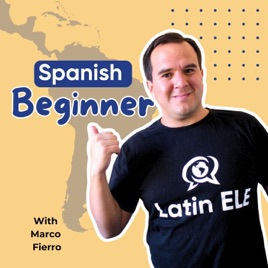
Speaking Spanish for Beginners

Advertise on podcast: Speaking Spanish for Beginners

Rating
★★★★★
4.8
from
871 reviews
This podcast has
91 episodes
Language
English
Publisher
Latin ELE
Explicit
No
Date created
2019/11/30
Latest episode
2026/04/20
Average duration
-
Release period
6 days

Description

Having a hard time saying more than just “hola”? 😧 All those years of Spanish in school, only to freeze when your new friend María asks you "¿Cómo estás?" or "¿Qué haces?" If that's your case...Speaking Spanish for Beginners is here to help 🎧 Hosted by Marco Fierro, Spanish tutor and founder of Latin ELE, this podcast for Spanish beginners is perfect for English speakers starting from scratch. With easy-to-follow lessons, guided practice, and a fun "Latino" vibe, you'll learn the essentials to surprise your amigos with your Spanish skills. Join us and start speaking Spanish with confidence. ¡Vamos! More information on our website 👇 https://latinele.com/ Become a supporter of this podcast: https://www.spreaker.com/podcast/speaking-spanish-for-beginners--4703290/support.

Unlock Speaking Spanish for Beginners podcast Email contact info,
Listeners & Audience details

Email contact information

Direct podcast contact details

Listeners

Audience numbers & engagement insights

Audience details

Podcast Insights

Podcast episodes

Check latest episodes from Speaking Spanish for Beginners podcast


TBSA #20 - Beach Vocabulary in Spanish ⛱️
2026/04/20
☀️ It’s Summer Time! Time to go to the beach. The sun, the sand, and the sound of waves invite you to take a well-deserved rest. In this episode of Speaking Spanish for Beginners, you’ll learn basic Spanish beach vocabulary. This way, you can bond with your amigos and talk about common activities you can do at the beach ¡Vamos! Spanish Beach Vocabulary 🌴 The “beach” in Spanish is “la playa.” Some common words and phrases about the beach, featured in this episode, are the following ⬇️ • Tomar el sol: to sunbathe • Las olas: waves • Nadar: to swim • Jugar vóleibol: to play volleyball • Leer un libro: to read a book • Jugar frisbee: to play frisbee • Tocar la guitarra: to play the guitar • La arena: sand • Conchas de mar: seashells 🎧 Dialogue Transcript Jessica: ¡Qué chévere estar hoy en la playa! Me encanta venir aquí, ¿y a ti? Marco: Sí, es relajante venir aquí. Sentir las olas, mirar el mar. ¿Qué haces cuando vienes a la playa? Jessica: A menudo tomo el sol y nado en el mar. También juego vóleibol de playa. Es muy divertido. ¿Y tú? ¿Qué haces? Marco: Yo leo un libro al lado del mar. Es relajante. También, juego frisbee con mis amigos o toco la guitarra. Jessica: Me gusta el frisbee también. Aquí tengo uno. Marco: ¡Ah, genial! Juguemos un rato, así entramos en calor antes de nadar. ✉️ Subscribe to newsletter and submit your questions for future Q&A episodes https://latinele.com/newsletter/ ¡Hasta pronto! —Marco
TBSA #19 - Spanish Vacation Tips 🏖️ How to Give Advice with “Tener que”
2026/04/13
What do you have to take with you on your next trip? ☀️ In this episode, you’ll learn important items for traveling and how to give recommendations using tener que + infinitive, one of the most useful structures for everyday Spanish. Tener que + infinitive ⬇️ This structure is the equivalent of “to have to + verb” in English. Use it to give advice or recommendations en español. Example: Para tu viaje a la playa, tienes que llevar bloqueador solar. (For your trip to the beach, you have to take your sunblock with you.) 🎧 Dialogue transcript Marco: Ya casi estoy listo para mi viaje a Argentina. Viajo en enero a Buenos Aires. ¿Conoces Buenos Aires? ¿Qué tengo que llevar? Jessy: Sí, viajé a Buenos Aires hace algunos años. En enero es verano, ¡y hace calor! Tienes que llevar ropa ligera, como camisetas y pantalones cortos. Marco: Ropa de verano, perfecto. ¿Qué más? Jessy: Necesitas protector solar. El sol de la tarde puede ser fuerte. Ah, y también tienes que comprar un adaptador de voltaje para tu celular. Want more resources to keep learning Spanish as a beginner? Visit ⬇️ https://latinele.com/spanish-beginners/ ¡Hasta pronto! —Marco
TBSA #18 - Spanish Travel Vocabulary 🌴
2026/04/06
Time to get ready for your vacations en español! Traveling to a Spanish‑speaking country is the perfect opportunity to put your Spanish into action. In this episode, you’ll learn essential travel vocabulary to help you move around, shop, explore, and enjoy your trip with confidence. Basic Spanish travel vocabulary ⬇️ la playa = beach ☀️ el aeropuerto = airport ✈️ el hotel = hotel los recuerdos = souvenirs el taxi = taxi el mercado local = the local market In the episode, you’ll also hear a short dialogue to help you practice these words in context. 🎧 Dialogue transcript ⬇️ Jessica: ¿Dónde vas a ir en tus próximas vacaciones? Marco: Voy a Colombia, quiero conocer Cartagena de Indias. Jessica: ¡Chévere! Cartagena es una ciudad muy turística, con buen clima y playas bonitas. Marco: Sí, ya quiero conocer la ciudad. Llego al aeropuerto Rafael Nuñez y luego tomo un taxi directo al hotel. Jessica: ¿Y dónde vas a ir? Marco: Quiero visitar el centro histórico de la ciudad. Jessica: Es muy bonito. Y la gente es muy amable. Puedes pedir recomendaciones de lugares interesantes. Marco: También quiero comprar algunos recuerdos. Me gusta visitar el mercado local cuando viajo a otros países. Additional Useful Travel Expressions ⬇️ At the restaurant 🍽️ • Una mesa para dos, por favor: A table for two, please. • El menú, por favor: The menu, please. • ¿Me podría traer _____? (for ordering food in Spanish): Could you bring me _____? • La cuenta, por favor: The bill, please. Accomodation 🏨 • Quiero reservar una habitación: I want to book a room. • Tengo una reserva: I have a reservation. • ¿Tiene habitaciones libres?: Do you have any rooms available? • ¿A qué hora es el check-out?: What time is check-out? At the local market 🍍 • ¿Cuánto cuesta esto?: How much does this cost? • Solo estoy mirando, gracias: I’m just browsing, thank you. • Quiero comprar esto: I want to buy this. Want more resources to keep learning Spanish as a beginner? Visit ⬇️ https://latinele.com/spanish-beginners/ ¡Hasta pronto! —Marco
TBSA #17 - Expressing Intentions in Spanish
2026/03/30
What do you want to do this weekend? 🤔 In this episode, you’ll learn how to express your intentions in Spanish using the verb querer. This structure helps you talk about your plans, desires, and weekend activities. Base structure ⬇️ Querer + infinitive Example: Quiero salir este fin de semana. (I want to go out this weekend) 🎧 Listening activity Marco: ¡Finalmente es viernes! Mi día favorito. Adiós trabajo, hola fin de semana. Quiero descansar, quiero ver películas, quiero dormir hasta tarde. No quiero trabajar nada. ¿Y tú, Leticia? ¿Qué quieres hacer? Leticia: Quiero descansar. Estoy muy cansada. Todas las semanas trabajo de 8 a 6 de la tarde. Quiero relajarme. El domingo vamos al cine con mi novio. Queremos ver la nueva película de Batman. Marco: Ah, sí, dicen que es muy buena. Me gustan las películas de Batman. ¿Y tú, Gustavo? ¿Qué quieres hacer este fin de semana? Gustavo: Quiero ir a la montaña. Me gusta hacer deporte los fines de semana. Marco: Interesante. ¡Salud por eso! Want more resources to keep learning Spanish as a beginner? Visit ⬇️ https://latinele.com/spanish-beginners/
Talking About Your Cat in Spanish 😺 (Latin ELE Premium)
2026/03/25
🐈 Learn how to talk about your cat in Spanish with Latin ELE premium. In this preview, you’ll hear part of a premium episode where we explore daily routines, personality traits, and useful vocabulary for taking good care of your pet. Listen to the full episode inside our podcast membership, along with many more episodes to boost your español ⬇️ 🎧 Latin ELE Premium on Apple Podcast 🎧 Supporters Club on Spreaker 📚 More resources to learn Spanish on Latin ELE's website:  https://latinele.com/spanish-beginners/ ¡Hasta la próxima! Marco
TBSA #16 - Cats 😺 — Max y Luna
2026/03/23
A perfect episode for cat lovers 🐈 In this lesson, you’ll learn vocabulary to describe pets — especially cats — including personality traits and daily routines. Describing a pet’s personality ⬇️ Curioso/a = curious Juguetón/a = playful Amigable = friendly Limpio/a = clean Agresivo/a = aggressive Indiferente = indifferent Cariñoso/a = loving Tranquilo/a = calm 🎧 Listening activity Te presento a mi gato: Max. Max es curioso, juguetón y amigable. Su rutina de cada día es muy simple. Todos los días, se despierta a las 7 de la mañana. Come su comida y se lava. Es un gato muy limpio y vanidoso. Por la tarde, Max juega con sus juguetes. Sale al balcón. Y controla mi trabajo. Yo soy su empleado. Es muy exigente. Luego, duerme, duerme y duerme. En la noche, Max ve televisión. Sus programas favoritos son de aves e insectos. ¿Y tú? ¿Tienes un gato? ¿Cómo se llama? Want more resources to keep learning Spanish as a beginner? Visit ⬇️ https://latinele.com/spanish-beginners/
TBSA #15 - Dogs 🐶 — La vida de Botón
2026/03/16
A special episode for dog lovers. In this lesson, you’ll learn vocabulary related to pets — especially dogs. You’ll also learn common questions to ask about someone’s pet and hear about the daily life of Botón, a pug from one of our students. Questions about pets ⬇️ ¿Tienes mascotas? = Do you have pets? ¿Cómo se llama tu perro? = What’s your dog’s name? Useful verbs ⬇️ Cuidar = to take care of Alimentar = to feed Pasear = to walk your pet Jugar = to play 🎧 Listening activity Yo tengo un perro querido, se llama Button. Button es un pug, y su nombre significa “botón” en español. Realmente su nariz es similar a un botón: es pequeña y redonda. Su cuerpo es beige claro, su cara y sus orejas son negras, y sus ojos son cafés. Button es muy simpático y amigable con las personas y otros perros también. Las tres actividades favoritas de Button son: pasear en la naturaleza; dormir en el sofá; y comer frutas y verduras. La rutina de Button es muy sencilla. Él se levanta a las ocho de la mañana. Después, sale para pasear conmigo por una hora. ¡Nos encanta pasear juntos en la naturaleza! Por la noche, a Button le gusta mucho jugar con su juguete favorito: el osito de peluche. Normalmente se acuesta en su cama a las once. Want more resources to keep learning Spanish as a beginner? Visit ⬇️ https://latinele.com/spanish-beginners/
TBSA #14 - ¿Qué estás haciendo? The Gerund in Spanish
2026/03/09
Not sure how to talk about things happening right now? 🤔 In this episode, you’ll learn the gerundio in Spanish, the equivalent of “-ing” verbs in English. You’ll discover how to describe actions in progress using a simple and super useful structure. Base structure ⬇️ Subject + verb estar + gerund Forming the gerund ⬇️ Verbs ending in -ar → -ando (bailando) Verbs ending in -er / -ir → -iendo (comiendo, viviendo) Some irregular forms ⬇️ Mentir → mintiendo Decir → diciendo Leer → leyendo Dormir → durmiendo 🎧 Dialogue transcript Jessica: Hola, Marco, ¿cómo estás? Marco: Hola, Jessica, bien, ¿y tú? Jessica: Todo bien, ¿qué estás haciendo? Marco: Estoy jugando videojuegos, ¿y tú? Jessica: Estoy viendo las noticias, pero nada interesante. Marco: Oye, ¿quieres salir? No estoy haciendo nada importante en este momento. Jessica: ¡Sí, chévere! ¿A qué hora nos juntamos? Want more resources to keep learning Spanish as a beginner? Visit ⬇️ https://latinele.com/spanish-beginners/
TBSA #13 - Months and Seasons in Spanish 🌤️
2026/03/02
Time to learn the months and seasons en español! ☀️🌧️ In this episode, you’ll learn how to talk about activities you do in specific months and seasons. A fun and practical lesson to help you make plans with tus amigos and describe the weather throughout the year. Months 📆 January = enero February = febrero March = marzo April = abril May = mayo June = junio July = julio August = agosto September = septiembre October = octubre November = noviembre December = diciembre Seasons ☀️ Summer = verano Autumn = otoño Winter = invierno Spring = primavera 🎧 Audio listening activity Marco: ¡Ah, finalmente es septiembre! Me gusta septiembre, la primavera en Chile. Una temperatura agradable, días con sol, ¡es perfecto! Amalia: Para mí no es normal la primavera en septiembre. En México, en septiembre comienza el otoño. Marco: ¿El otoño en septiembre? ¡Qué loco! Acá en Chile el otoño comienza en marzo. ¿Cuál es tu estación favorita, Amalia? Amalia: Me gusta el verano. Marco: ¿El verano? ¿Y por qué el verano? ¿Qué haces en verano? Amalia: En verano voy a la playa, México tiene muchas playas bonitas. ¿Y tú? ¿Y cuál es tu estación favorita? Marco: Mira, me gusta la primavera, pero me gusta más el invierno, en julio en Chile. Solo por una razón. Amalia: ¿Cuál? Marco: ¡En invierno estoy de cumpleaños! Celebro con mis amigos en mi casa. Hago una fiesta y nos divertimos. ¡Me gusta mucho el invierno! Want more resources to keep learning Spanish as a beginner? Visit ⬇️ https://latinele.com/spanish-beginners/
TBSA #12 - 📆 Days of the Week in Spanish
2026/02/23
Monday, Tuesday… what are those en español? In this episode, you’ll learn the days of the week and practice with a listening activity that combines present tense and making plans on specific days. Days of the week ⬇️ Monday = lunes Tuesday = martes Wednesday = miércoles Thursday = jueves Friday = viernes Saturday = sábado Sunday = domingo 🎧 Listening activity transcript Marco: ¿Qué tal, Leticia? Tanto tiempo, ¿Cómo estás? Leticia: ¡Marco! Todo bien, ¿y tú? Marco: Todo bien, gracias. Oye, mucho tiempo sin hacer nada. ¿Quieres salir el lunes por la tarde? Leticia: Los lunes voy al gimnasio por la tarde… ¿y el martes? Marco: El próximo martes, difícil. Enseño español a esa hora. ¿Qué tal el miércoles por la tarde? Leticia: Los miércoles estudio inglés con mi profesor en línea. El jueves estoy libre por la tarde. Marco: Los jueves voy al club de lectura con unos amigos. ¿Qué tal el viernes? Leticia: Los viernes veo películas con mi familia. ¿Y el sábado? Marco: Los sábados hago trekking. Este sábado voy a la cordillera con unos amigos. ¿Qué te parece el domingo? El domingo no tengo planes. Podemos ir a un restaurante. Leticia: ¡Vamos! Los domingos no hago nada. Me gusta mucho… Want more resources to keep learning Spanish as a beginner? Visit ⬇️ https://latinele.com/spanish-beginners/
TBSA #11 - ⏰ Telling the Time in Spanish
2026/02/16
Don’t want to miss the right time for the next fiesta? In this episode, you’ll learn how to tell the time and how to ask about the time of events en español. Perfect for planning your day and understanding schedules. Main key points of the lesson ⬇️ ⏰ Asking the time: ¿Qué hora es? ⏰ Telling the time: es la 1 (singular) / son las 2 (plural, from 2 onward) ⏰ Saying the minutes: add “y” + the minutes Example: 1:10 = es la una y diez ⏰ Asking the time of events: ¿A qué hora…? Reply: a la 1 (singular) / a las 5 (plural) 🎧 Listening activity transcript Marco: Me gustó la cena, pero ya es tarde. ¿Qué hora es? Jessy: Son las diez de la noche. Marco: ¡Las diez! ¡Uf! Debo trabajar mañana. Jessy: ¿A qué hora entras a trabajar? Marco: A las 8 de la mañana. Jessy: ¿A qué hora sales? Marco: A las 6 de la tarde. Want more resources to keep learning Spanish as a beginner? Visit ⬇️ https://latinele.com/spanish-beginners/
TBSA #10 - ❤️ Valentine’s Spanish Vocabulary
2026/02/09
Get ready to surprise your Valentine en español 🌹 In this episode, you’ll learn useful vocabulary to talk about Valentine’s Day and expressions related to love and romantic celebrations. 🎧 Listening activity transcript El 14 de febrero se celebra el día de San Valentín. Este día las parejas celebran el amor. Muchas personas comen en un restaurante, van al cine, pasean por los parques o hacen un picnic. Es común intercambiar regalos como una caja de chocolates, un ramo de flores, una tarjeta de amor o joyas… hay muchas opciones. Además, es el día perfecto para proponer matrimonio diciendo “¿quieres casarte conmigo?”. Es un día divertido, alegre y romántico. ¿Y tú, qué haces? Want more resources to keep learning Spanish as a beginner? Visit ⬇️ https://latinele.com/spanish-beginners/ ¡Hasta pronto! —Marco
TBSA #9 - Five Verbs Ending in -IR (Hiking in the Mountains) 🗻
2026/02/06
Time to practice your verbs en español! 💪 In this episode, you’ll hear José, a mountain climber, talking about his weekly routine. Pay attention to the -IR verbs he uses to describe life near the mountains. 🎧 Too hard? Here is the audio transcript: Hola, me llamo José, soy montañista y escritor de un blog de viajes. Vivo en Santa Marta, cerca de la Sierra Nevada en Colombia. El lugar perfecto para practicar montañismo. Cada fin de semana, subo la montaña con mis amigos. Compartimos muchas experiencias juntos en la montaña y asistimos a eventos internacionales. En mi tiempo libre, escribo en mi blog sobre mis viajes. Me encanta escribir y compartir mi experiencia con otras personas. Want more resources to keep learning Spanish as a beginner? Visit ⬇️ https://latinele.com/spanish-beginners/ ¡Hasta pronto! —Marco
TBSA #8 - Five Verbs Ending in -ER (The Life of an Athlete) 🏃‍♀️
2026/02/04
Time to practice your verbs en español! 💪 In this episode, you’ll hear Beatriz, a professional athlete, talking about her routine. Listen carefully to the -ER verbs she uses to describe her healthy lifestyle and daily habits. 🎧 Too hard? Here is the audio transcript: Hola, me llamo Beatriz, tengo 22 años y soy deportista. Participo en competencias de atletismo profesional. Tengo una vida sana. Corro todas las mañanas para entrenar. Como alimentos saludables. Bebo mucha agua, no bebo alcohol. En mi tiempo libre me gusta estudiar idiomas. Hablo francés y alemán y comprendo un poco de inglés. ¿Y tú? Want more resources to keep learning Spanish as a beginner? Visit ⬇️ https://latinele.com/spanish-beginners/ ¡Hasta pronto! —Marco
TBSA #7 - Five Verbs Ending in -AR (A Day at Work) 👔
2026/02/02
Time to practice your verbs en español! 💪 In this episode, you’ll hear Alfredo, a man who works at a travel agency, talking about his daily routine. Pay close attention to the -AR verbs he uses to describe a typical day at work. 🎧 Too hard? Here is the audio transcript: Me llamo Alfredo y trabajo en una agencia de turismo. En mi trabajo, muchos clientes me llaman para preguntar por lugares turísticos. Yo hablo con ellos sobre las opciones de viaje. También envío información sobre ofertas de viajes por correo. Muchos clientes viajan al Caribe, es un destino muy visitado. Want more resources to keep learning Spanish as a beginner? Visit ⬇️ https://latinele.com/spanish-beginners/ ¡Hasta pronto! —Marco

Podcast reviews

Read Speaking Spanish for Beginners podcast reviews


4.8 out of 5
871 reviews
★★★★★
Sochzrd7 2025/05/14
Perfect
Easy, low pressure introduction with short snippets and explanations. Great energy and topics covered in palatable doses.
★☆☆☆☆
JJfddhjdskjgff 2026/03/28
Fake Podcast
No real content. Just an attempt to make you subscribe to something else
★★★★★
Impromptu Hiker 2025/05/12
BSC
Great product. I’ve tried quite a few methods to learn Spanish, but Marco,s instruction is definitely the most productive. It seems like every time I ...
★★★★★
lemon811 2025/05/03
This is a real good podcast for learning Spanish
I have tried many different podcasts and this LATIN ELE is the best. I feel all the lessons are well organized and easy to follow. Thanks Marco!
★★★★★
PT_mom 2025/04/07
Great bite-sized lessons
I really like the format of hearing a dialog or story, learning the vocab, then hearing the text again. The other learning tools I use are useful but ...
★★★★★
lingxing01 2025/02/25
Love this Podcast
Love the format and the short lessons. Marco squeezes in quite a lot. His guests speak quickly but Marco speaks slowly with perfect pronunciation- hi...
★★★★★
CoachSherry 2025/02/24
A Great Way To Learn
This podcast is a great way to begin your Spanish journey to learning basics. Marco presents very well, is fun to learn with and he is able to break i...
★★★★★
@therealwhm 2025/02/11
Very helpful show!
Thank you for these episodes, they are very helpful for beginners! ¡Dios te bendiga!
★★★★★
Former Japan fan 2024/12/27
Great Spanish teacher
He explains things really well and makes learning fun. Highly recommend
★★★★★
OlRedHair 2024/11/26
Excellent Podcast
I really enjoy Marco‘s podcasts. They are short and precise and cover such useful topics. And his format is wonderful showing you exactly how the phra...
check all reviews on apple podcasts

Podcast sponsorship advertising

Start advertising on Speaking Spanish for Beginners relevant audience podcasts


What do you want to promote?