1589473786
Recollecting Oxford Medicine: Oral Histories

Advertise on podcast: Recollecting Oxford Medicine: Oral Histories

This podcast has
51 episodes
Language
English
Explicit
No
Date created
2021/10/08
Latest episode
2022/01/20
Average duration
49 min.
Release period
45 days

Description

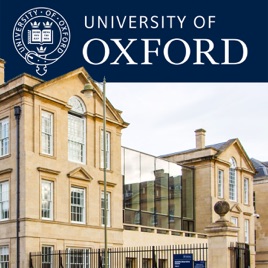
The Recollecting Oxford Medicine oral history project originated when Peggy Frith, as President of Oxford Medical Alumni, recognised the potential of recorded interviews to capture stories, memories and voices from the Oxford Medical school and Oxford Hospitals. The interviewees were selected to cover, from an Oxford perspective over almost a century, the many changes in the practice of medicine and medical teaching, of both local and national importance. The material would supplement the Bodleian Libraries' extensive archives related to notable Oxford medical researchers. Between 2011 and 2021 Derek Hockaday, Oxford physician since the 1960s, along with Frith and others, interviewed 50 current or former professors, directors, researchers, clinicians and technicians who span from the Second World War until the present day. This podcast series comprises the publicly accessible recordings from the oral history project. Album cover: Radcliffe Infirmary, 2019. Photograph by Billy Wilson, available under the terms of CC BY-NC 2.0 https://creativecommons.org/licenses/by-nc/2.0/legalcode

Unlock Recollecting Oxford Medicine: Oral Histories podcast Email contact info,
Listeners & Audience details

Email contact information

Direct podcast contact details

Listeners

Audience numbers & engagement insights

Audience details

Podcast Insights

Podcast episodes

Check latest episodes from Recollecting Oxford Medicine: Oral Histories podcast


Martin Vessey
2022/01/20
Derek Hockaday interviews Martin Vessey, Emeritus Professor of Public Health, 4 June 2014 Topics discussed include: (00:00:15) how MV came to Oxford; (00:01:36) John Honour; (00:03:46) choosing to focus on epidemiology and statistics, learning about statistics and computing post medical qualification and return to clinical house appointments; (00:07:28) meeting Richard Doll; (00:10:14) comparing Oxford and London computing facilities; (00.11:39) MD thesis, United States trip and return to Oxford, (00:14:39) work under direction of Richard Doll at Medical Research Council statistical research unit and effect on direction of career; (00:18:26) MRC and World Health Organisation; (00:19:49) fertilisation and contraceptive work; (00:23:42) studies relating to the etiology of cervical cancer; (00:26:58) research into menopause and investigation of hormone replacement; (00:31:22) differences in different generations of contraceptive pills; (00:36:34) social and community medicine in relation to epidemiology; (00:42:02) interactions with and teaching medical students; (00:48:57) attending medical and surgical grand rounds; (00:50:17) research, papers and breast cancer screening; (00:55:51) Royal Commission on Environmental Pollution; (00:58:50) Rosemary Rue; (01:02:04) travelling for conferences; (01:04:10) supervising DPhil students; (01:09:20) final thoughts on career; (01:11:53) women in epidemiology and medicine.
Mike Dunnill
2022/01/20
Derek Hockaday interviews Mike Dunnill, researcher, pathologist and former Director of Clinical Studies,10 February 2012. Topics discussed include: (00:00:10) first coming to Oxford from Bristol in 1956, Department of Pathology facilities; (00:04:00) becoming interested in medical education, George Pickering's committee for Medical School at Nottingham; (00:05:18) becoming Director of Clinical Studies in 1967; (00:06:15) report outlining changes to Honours schools coinciding with the Royal Commission on Medical Education,1969; (00:11:27) lunchtime post-mortem demonstrations; (00:15:21) the [Richard] Doll committee; (00:19:46) graduate assistants work in 1950s in Oxford; (00:21:10) staff on the Pathology course; (00:25:16) the Nuffield Committee; (00:26:38) increasing student numbers for clinical school; (00:28:10) George Pickering.
Ann Taylor
2022/01/20
Derek Hockaday interviews Ann Taylor, researcher and physiologist, 20 January 2016. Topics discussed include: (00:01:25) family connection to Oxford, teenage years in Oxford High school for girls, entry into Somerville and old quota system; (00:02:57) being under the care of Dorothy Hodgkin in the medical school; (00:04:32) Janet Vaughn; (00:05:20) thoughts on schools year, practical work and courses; (00:11:00) working at the Pickering unit, comparing Witts and Pickering; (00:12:38) role post-research; (00:16:10) appointed first medical tutor and lecturer at St. Anne's college, work with H.B Parry in the Nuffield Institute; (00:21:15) work at Stanford, America, thoughts on American healthcare system, work under Roy Maffly on cell biology (effects of antimitotic drugs); (00:24:10) submitting research paper to the Congress of Nephrology, grant application having to be under Roy Maffly's name; (00:28:26) moving to Cornell University Medical School, department of physiology, and work on microtubules; (00:31:57) returning to Oxford, lectureship in physiology department joint appointment allocation with St Edmund Hall, tutoring and lecturing; (00:35:40) running the renal physiology course; (00:239:12) memories of colleagues in the department of physiology; (00:41:38) thoughts on Oxford Medical system; (00:45:25) family at time of clinical course, support with children; (00:48:03) being the first woman fellow at St Edmund Hall in 1980; (00:52:25) relationship between clinical and pre-clinical departments, surgeons; (00:56:51) ward sisters and nurses.
John Spalding
2020/09/15
John Oxbury interviews John Spalding, former consultant and research neurologist for Oxford United Hospitals, 26 July 2011. Topics discussed include: (00:00:13) experience of neurology in Oxford from mid 1940s, student houseman job and being a house surgeon for Hugh Cairns at Radcliffe infirmary during the war; (00:02:00) Hugh Cairns; (00:04:21) jobs after qualifying; (00:06:20) working in the military head injury hospital during second world war; (00:10:14) Spalding’s papers on pheochromocytoma and number forms; (00:21:56) Nuffield 3 being built, allocated space for neurology; (00:22:44) polio; (00:31:00) the East Radcliffe ventilator; (00:34:30) the Polio Fund; (00:43:50) treating patients with tetanus and Myasthenia gravis; (00:47:42) BBC 'Your life in their hands' television show; (00:50:21) investigating blood pressure when treating patients with tetanus and Guillain-Barre syndrome with Geoffrey George; (01:01:07) time with Honor Smith in Morocco investigating outbreak of paralysis; (01:09:14) balancing research and clinical work as a neurologist; (01:15:00) post retirement life. The following sections of audio are redacted: 00:08:12-00:09:04; 00:17:16-00:18:12; 00:40:50-00:42:30; 01:11:40-01:12.00.
George Alberti
2020/09/15
Derek Hockaday interviews George Alberti, research endocrinologist and former President of the Royal College of Physicians, 24 May 2013. Topics discussed include: (00:00:00) admission into Balliol to study medicine, preliminaries and early years in Oxford, Sandy Oxton (00:05:15) Coolidge Scholarship to go to United States; (00:07:50) Biochemistry and DPhil project at Hans Krebs lab on amino acid metabolism in mitochondria; (00:12:12) work ethic and start of clinical work, involvement in teaching tutorials; (00:16:37) Endocrinology and diabetes research; (00:20:00) finals; (00:21:33) teaching staff; (00:25:23) visits to United States, post-qualification fellowship applications; (00:27:35) research and clinics in Boston; (00:31:57) returning to Oxford to do clinical research; (00:35:40) comparing the Radcliffe and Oxford in general to other places clinically (United States, Southampton, Brighton); (00:36:43) Oxford undergraduate course as preparation for a career in medicine; (00:38:07) clinical research at the Hans Krebs unit; (00:42:10) reasons for leaving Oxford; (00:44:50) influence of multiple analyser on clinical biochemistry; (00:46:27) progression of the medical school since leaving Oxford; (00:48:25) reflection on teaching pre-clinical tutorials. Note that the following sections of audio are redacted: 00:09:29-00:09:35; 00:15:56-00:16:18; 00:23:40-00:23:42; 00:49:33-00:49:38.
Richard Boyd
2020/09/15
Derek Hockaday interviews Richard Boyd, emeritus professor, lecturer in Medicine and fellow of Brasenose College, 30 August 2013. Topics discussed include: (00:00:08) childhood, coming to Merton College, Oxford; (00:01:56) comparing teaching methods between Cambridge and Oxford; (00:03:00) entrance into Oxford including interview; (00:04:18) practical work; (00:05:25) medical schools and teaching staff; (00:06:50) pharmacology; (00:09:25) BSc research (00:10:59) Path and Bac course; (00:12:00) moving to University College Hospital London, 1967 and comparisons with Oxford; (00:16:08) time in Papa New Guinea; (00:17:56) PhD thesis; (00:20:22) Rod Porter as head of clinical department; (00:21:58) Job in Dundee department of Physiology; (00:24:10) returning to Oxford from Dundee; (00:25:58) role as medical tutor for Brasenose College; (00:33:39) cholera treatment; (00:36:49) college life; (00:41:25) effect of internet on medicine; (00:43:04) changes seen in the Oxford Medical School; (00:44:52) pre-clinical students and changes to the pre-clinical courses; (00:52:00) setting up the synoptic paper on pre-clinical course; (00:52:50) evolution of Oxford pre clinical school compared to Cambridge; (00:54:25) writing and editing; (00:55:56) involvement in grant awarding bodies.
Hywel Jones (part 1)
2020/09/16
Derek Hockaday interviews Hywel Jones, consultant geriatrician, 20 May 2014. Part 1 of interview. Topics discussed include: (00:00:15) coming to the Oxford hospitals; (00:04:35) time at High Wycombe hospital; (00:07:40) standard of Oxford medical care in comparison to other hospitals; (00:11:52) work of social services with geriatricians (00:16:16) role of multi-disciplinary teams in managing care; (00:24:00) colleagues in first years at Oxford; (00:25:30) scope of involvement in general medicine as well as geriatric, discussion of specialisms and acute medicine; (00:31:19) dealing with cottage hospitals, the running of community hospitals; (00:36:35) work with David Weatherall and John Ledingham; (00:38:20) modern imaging; (00:41:02) effects of administrators and administration process; (00:47:53) rising cost of health care and expectations of public; (00:51:08) judging the biological age of a patient as opposed to chronological age; (00:54:35) effects of anaesthetics, post operative delirium; (00:57:29) end point of dementia and delirium patients; (01:02:26) effect of decline of male smoking; (01:04:35) coming to Oxford for consultant job and moving to Thame; (01:05:48) involvement in administrative committees; (01:09:54) development of Level 4 Ward at John Radcliffe hospital; (01:12:30) Care Quality Commission rating; (01:15:20) inspections in general; (01:19:21) progress in medicine in the last thirty years. Note the following section of audio is redacted: 00:43:02-00:43:15.
Hywel Jones (part 2)
2020/09/16
Part 2 of Derek Hockaday's interview with Hywel Jones, consultant geriatrician, 20 May 2014. Continuing from part 1. Topics discussed include: 00:00:00- improvement of medicine and progress in the last thirty years, risk, treatment plans and guidelines; supporting trainees and junior doctors and MD Thesis.
Chris Adams (part 1)
2020/09/16
Derek Hockaday interviews Chris Adams, senior neurosurgeon, 26 August 2014. Part 1 of interview, a discussion about why and how Chris Adams came to Oxford and the Radcliffe Infirmary.
Chris Adams (part 2)
2020/09/16
Derek Hockaday continues his interview of Chris Adams, senior neurosurgeon, 26 August 2014. Part 2 of interview, topics discussed include being a senior house surgeon and microscope operation. Note the following sections of audio are redacted: 00:00:31-00:00:48; 00:05:58-00:06:05; 00:06:24-00:06:44.
Chris Adams (part 3)
2020/09/16
The final part of Derek Hockaday's interview with Chris Adams, senior neurosurgeon, 26 August 2014. Continuing from part 2. Topics discussed include: (00:00:00) Dick Guy; (00:04:45) changes with building of new John Radcliffe hospital on the Oxford Accident Service; (00:07:00) work on subretinal clotting and haemorrhages; (00:11:07) Assay at Queens Square, University College London on the spine; (00:16:42) Peter Teddy appointment; (00:20:45) pituitary work; (00:22:12) history of epilepsy surgery; (00:25:56) nursing at the John Radcliffe compared to London hospitals; (00:28:25) feelings after a operating; (00:30:32) trigeminal neuralgia; (00:35:13) publications; (00:38:00) emergency team; (00:42:33) private medicine surgery and OxDONS syndrome paper on NHS reforms; (00:49:25) anaesthetists CA worked with; comparing working as a senior house officer in Oxford to London. Note the following sections of audio are redacted: 00:00:18-00:00:32; 00:02:00-00:02:21; 00:08:36-00:08:58; 00:20:32-00:20:44; 00:49:50-00:50:01; 00:50:19-00:52:13.
Keith Hawton
2020/09/16
Derek Hockaday interviews Keith Hawton, consultant psychiatrist and professor of Psychiatry, University of Oxford, 19 September 2014. Topics discussed include: (00:00:15) why Hawton chose Cambridge, not Oxford, and pre-clinical training; (00:01:28) journey into medicine through experimental psychology; (00:04:20) Oxford Medical School and clinical student years; (00:08:30) surgical house job; (00:10:14) post house job roles, coinciding with psychiatric training scheme, 1971, and research; (00:12:36) relationship between physical and mental illness; (00:15:44) Oxford Department of Psychiatry and Michael Gelder; (00:17:55) MD thesis topic on self harm and suicide research at the Barnes unit; (00:19:35) work of colleagues; (00:23:40) roles in the Department of Psychiatry since 1974; (00:25:58) clinical tutoring and teaching; (00:28:50) Oxbridge student suicides in the 1950s; (00:31:50) suicide and pseudocide; (00:35:41) time abroad in the Netherlands and New Zealand; (00:38:10) pathogenesis of Chronic Fatigue Syndrome; (00:40:40) national meetings and roles in national groups; (00:42:20) writing and editing; (00:45:57) change in psychiatric awareness from start of career to present day; (00:50:35) current local psychiatric services; (00:54:19) sport.

Podcast reviews

Read Recollecting Oxford Medicine: Oral Histories podcast reviews


0 out of 5
0 reviews

Podcast sponsorship advertising

Start advertising on Recollecting Oxford Medicine: Oral Histories relevant audience podcasts


What do you want to promote?