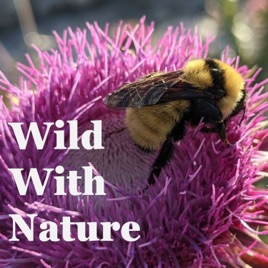
Advertise on podcast: Wild With Nature
Rating
5from
This podcast has
139 episodes
Language
EnglishPublisher
Shane SaterExplicit
No
Date created
2022/08/24
Latest episode
2026/10/01
Average duration
21 min.
Release period
29 days
Description
Bilingual (English/español) stories of birds, plants, insects, and other creatures that celebrate wonder, connection, and meaning through nature. New podcast at the beginning of each month. Enjoy these stories—and if you like them, please share them! Historias bilingües (inglés/español) de aves, plantas, insectos y otras criaturas que celebran el asombro, la conexión y el sentido de la vida por la naturaleza. Publico un nuevo podcast al comienzo de cada mes. Disfruta estas historias—y si te gustan, ¡por favor compártelas!
Unlock Wild With Nature podcast Email contact info,
Listeners & Audience details
Email contact information
Direct podcast contact details

Listeners
Audience numbers & engagement insights

Audience details
Podcast Insights

Podcast episodes
Check latest episodes from Wild With Nature podcast
Fall migration in the Neotropics: a snapshot from the Oaxacan coast
2026/10/01
Fall migration has fascinated me for a long time… but this year has been different for me. It’s the first time I’ve been able to be in Oaxaca, Mexico for the full seasonal progression, from the first spotted sandpipers (Actitis macularis) and Louisiana waterthrushes (Parkesia motacilla) through the waves of migrating shorebirds, rare surprises like an off-course swallow-tailed kite (Elanoides forficatus)—and who knows what else is still to come. This month’s podcast is all about the wonder of fall migration, from a special place at the mouth of a river on the Pacific coast of Oaxaca. I’m thrilled that I was able to collaborate with Nick Bayly, Director of Migratory Ecology for the Colombian nonprofit SELVA (https://www.selva.org.co/), to showcase the amazing research of his international team into migratory ecology, stopover sites, and all of the mysteries that remain about these amazing journeys, especially south of the US border.
I invite you to listen to this month’s podcast and immerse yourself in a hemisphere of birds in motion!!!
I depend on your support to continue doing this work. Please share these podcasts, leave a rating, and, if you’re able, join my community of Patreon supporters: https://www.patreon.com/wildwithnature. Thank you!!!
You can find the written, illustrated version of this story here: https://wildwithnature.com/2026/10/01/fall-migration-neotropics-oaxaca-coast/.
La migración otoñal en el Neotrópico: la vista desde la costa de Oaxaca
2026/10/01
Llevo mucho tiempo fascinado por la migración otoñal de las aves… pero este año ha sido diferente para mí. Es la primera vez que he podido estar en Oaxaca, México a través de la temporada completa de la migración, desde los primeros playeros alzacolita (Actitis macularis) y chipes arroyeros (Parkesia motacilla) hasta las olas de aves playeras migratorias, sorpresas raras como un milano tijereta (Elanoides forficatus) fuera de su ruta esperada—y quién sabe qué más todavía está por aparecer. El podcast de este mes se trata del asombro de la migración otoñal, desde un lugarcito especial en la desembocadura de un río por la costa Pacífico de Oaxaca. Me encanta haber podido colaborar en este podcast con Nick Bayly, Director de la Ecología de la Migración para la organización colombiana SELVA (https://www.selva.org.co/). Destacamos las investigaciones muy interesantes de su equipo internacional en la ecología de la migración, los sitios de parada y todos los misterios que permanecen sobre estos viajes increíbles, sobre todo al sur de la frontera de Estados Unidos.
Te invito a escuchar el podcast de este mes y entrar en el mundo de un hemisferio de aves en movimiento!!!
Como siempre, dependo de tu apoyo para seguir con este proyecto. Favor de compartir estos podcasts, dejarme un rating y (si puedes) unirme a mi comunidad de patrocinadores en Patreon: https://www.patreon.com/wildwithnature. Muchísimas gracias!!!
Puedes encontrar la versión escrita con la historia aquí, con muchas fotos del campo: https://wildwithnature.com/2026/10/01/migracion-otonal-en-el-neotropico-oaxaca/.
A cup of water in the drought
2026/09/01
As climate change makes life harsher, I’m thinking a lot about what I can do, together with my local plants and animals, to respond. Here, that looks like planting a lot of different things, annuals and especially perennials, edible leaves, tubers, and seeds. I hope that lots of different plants will mean more resilience. If a drought wipes out the corn, there's still a good chance that the papaya, nopales, and passionfruit will survive.
Adapting to climate change looks like keeping the soil covered and protected, chopping down weeds as compost and mulch, sharing seeds and plants with family, friends, and neighbors. Even if our crops fail, hopefully someone else's will make it through. It looks like planting not just food but also habitat for the animals that have no escape from the wild weather.
And sometimes, after pouring months of sweat and love and aspirations into this earth, I have no choice but to step away for a week and a half in a drought, and hope. The less help these plants need from me, the better-equipped we'll be for the unknown of the months ahead.
I depend on the support of you, my listeners, to continue doing this work. Please share these podcasts, leave a rating, and, if you’re able, support me through Patreon: https://www.patreon.com/wildwithnature. Thank you!!!
You can find the written, illustrated version of this story here: https://wildwithnature.com/2026/09/01/a-cup-of-water-in-the-drought/
Una taza de agua en la sequía
2026/09/01
Mientras el cambio climático hace la vida más dura, estoy pensando mucho en qué puedo hacer, junto con mis plantas y animales vecinos, para responder. Aquí, eso implica sembrar mucha variedad de plantas, anuales y especialmente perennes, plantas que nos dan hojas, tubérculos y semillas comestibles. Espero que tanta diversidad nos concederá más resistencia ante las condiciones tan impredecibles. Si la sequía marchita al maíz, por ejemplo, hay un buen chance de que la papaya, nopal y maracuyá todavía vayan a aguantar.
Adaptarnos al cambio climático quiere decir mantener a la tierra cubierta y protegida, cortar maleza para composta y para cubrir el suelo, compartir semillas y plantas con nuestra familia, amigos y vecinos. Incluso si nuestros cultivos no se dan, a lo mejor los de otra persona en la comunidad sí. Estoy pensando no sólo en sembrar plantas para nuestra comida sino también para aportarles hábitat a los animales que no tienen escape del tiempo tan variable.
Y a veces, después de darle meses de sudor y amor y aspiraciones a esta tierra, no tengo otra opción sino estar ausente por una semana y media en la sequía, y esperar. Por menos que ocupan estas plantas mi ayuda, más listas estarán para aguantar lo incierto de estos meses por delante.
Como siempre, dependo del apoyo de ustedes, mis oyentes, para seguir con este proyecto. Favor de compartir estos podcasts, dejarme un rating y (si puedes) hacerme una cooperación a través de Patreon: https://www.patreon.com/wildwithnature. Muchísimas gracias!!!
Puedes encontrar la versión escrita con la historia aquí, con muchas fotos del campo: https://wildwithnature.com/2026/09/01/una-taza-de-agua-en-la-sequia/
A flight of amazons: noticing nature with Richard Louv
2026/08/01
I can hear another flock of lilac-crowned amazons approaching. I scan the southern sky and spot them, an irregular line of broad-winged specks, necks thrust forward, wings beating hard. There are 17 in this group.
Below them, the landscape spreads out to the horizon: from the Pacific Ocean behind them, across the lush green coastal plain, to the blue foothills of the Sierra ahead. I don’t know where they’re going or what they see, how they’ll survive this year’s El Niño of drought and hurricanes. But I can imagine, and wonder. I can be inspired by Richard Louv to seek nature wherever I am, to cultivate my curiosity, to notice deeply and imagine otherworlds.
*******
This month’s podcast is about the power of noticing nature. We delve into the urban ecology of great-tailed grackles in my barrio in Oaxaca, Mexico; hear some excerpts narrated by internationally acclaimed nature author Richard Louv from his most recent book, Noticing: Intimate Encounters with the Natural World; and spend a morning away from the noise of town on the Oaxacan coastal plain, where a flight of endangered lilac-crowned amazons gives us a glimpse into their lives.
I had a lot of fun crafting this collaboration with Richard Louv, who was kind enough to narrate several excerpts from Noticing for me. In my Spanish version of the podcast, I got to play around with voice-over as well, as I arranged my Spanish narration of his excerpts on top of his reading in English. Let me know what you think!
I depend on the support of you, my listeners, to continue doing this work. Please share these podcasts, leave a rating, and, if you’re able, support me through Patreon: https://www.patreon.com/wildwithnature. Thank you!!!
You can find the written, illustrated version of this story here: https://wildwithnature.com/2026/08/01/a-flight-of-amazons-noticing-nature-richard-louv/
El vuelo de los loros: prestando atención a la naturaleza con Richard Louv
2026/08/01
Puedo escuchar a otra parvada de loros corona lila en la distancia. Estudio el horizonte sureño y los encuentro, una línea irregular de manchitas con alas amplias, cuellos estirados hacia adelante, aleteando fuerte. Son 17 en este grupo.
Debajo de ellos, el paisaje se extiende hasta el horizonte: desde el Océano Pacífico detrás de ellos y la planicie costera de verde exuberante por abajo, hasta las estribaciones azules de la Sierra por adelante. No sé a dónde van o qué están viendo, cómo van a sobrevivir los huracanes y sequía de este año de El Niño. Pero puedo imaginarlo, y preguntarme. Puedo ser inspirado por Richard Louv a buscar la naturaleza donde yo esté, a cultivar mi curiosidad, a prestar atención profunda e imaginar otros mundos.
*******
El podcast de este mes se trata del poder de prestar atención a la naturaleza. Exploramos la ecología urbana de los zanates mayores (Quiscalus mexicanus) en mi barrio en Oaxaca, México; escuchamos unas citas narradas por el autor internacionalmente reconocido Richard Louv de su libro más reciente, Noticing: Intimate Encounters with the Natural World (Prestando Atención: Encuentros Íntimos con la Naturaleza); y pasamos una mañana lejos del ruido de la ciudad por la planicie costera de Oaxaca, donde las parvadas del loro corona lila, una especie en peligro de extinción, nos dejan vislumbrar un poco de sus vidas.
Disfruté mucho hacer esta colaboración con Richard Louv, quien muy amablemente narró varias citas de su libro Noticing para mí. En mi versión en español del podcast, traduje las citas de su libro y luego me tocó poner mi narración en español encima de la narración de Richard en inglés—la primera vez que he hecho algo así! Dime qué piensas del resultado!
Como siempre, dependo del apoyo de ustedes, mis oyentes, para seguir con este proyecto. Favor de compartir estos podcasts, dejarme un rating y (si puedes) hacerme una cooperación a través de Patreon: https://www.patreon.com/wildwithnature. Muchísimas gracias!!!
Puedes encontrar la versión escrita con la historia aquí, con muchas fotos del campo: https://wildwithnature.com/2026/08/01/el-vuelo-de-los-loros-prestando-atencion-a-la-naturaleza-con-richard-louv/
Collision course: window strikes, dead birds, and what to do about it
2026/07/01
The windows are waiting: a silent death trap for healthy birds, an untimely end to so many possible futures. Window strikes are thought to kill over a BILLION birds a year just in the United States. But it doesn’t have to be this way.
This month’s podcast travels from Mexico to Montana, USA, covering the massive mortality caused by window collisions and the range of simple, affordable, and effective solutions that are available, from do-it-yourself options like Acopian BirdSavers and white paint pens to commercial products like Feather Friendly and CollidEscape.
With your help, and mine, we can solve the window collision problem.
I depend on the support of you, my listeners, to continue doing this work. Please share these podcasts, leave a rating, and, if you’re able, support me through Patreon: https://www.patreon.com/wildwithnature. Thank you!!!
You can find the written, illustrated version of this story here: https://wildwithnature.com/2026/07/01/window-collisions-dead-birds-solutions/
A condensed, written version of this story in English first appeared in the July-August 2025 issue of Montana Outdoors. My Spanish translation appears here for the first time. Special thanks to all of the people who helped me with this story: Hilary Turner, Stephen Turner, Lou Ann Harris, Édgar del Valle, David Ramírez, Manuel Grosselet, Ruth Swenson, Jeff Acopian of Acopian BirdSavers, Paul Groleau and Ankur Khurana of Feather Friendly.
Rumbo a la colisión: aves muertas, ventanas y qué hacer
2026/07/01
Los cristales están esperando: una trampa mortal silenciosa para aves sanas, un final prematuro a tantos futuros posibles. Se considera que las colisiones con las ventanas matan a más de MIL MILLONES de aves cada año, sólo en Estados Unidos. Pero no tiene que ser así.
En este podcast viajamos de México a Montana, EU, examinando la mortalidad masiva que causan las colisiones con ventanas y la amplia gama de soluciones simples, económicas y efectivas que hay. Desde opciones caseras como los Acopian BirdSavers y diseños con marcadores de pintura blancos hasta productos comerciales como Feather Friendly y CollidEscape.
Con tu ayuda, y la mía, sí podemos resolver este problema.
Como siempre, dependo del apoyo de ustedes, mis oyentes, para seguir con este proyecto. Favor de compartir estos podcasts, dejarme un rating y (si puedes) hacerme una cooperación a través de Patreon: https://www.patreon.com/wildwithnature. Muchísimas gracias!!!
Puedes encontrar la versión escrita con la historia aquí, con muchas fotos del campo: https://wildwithnature.com/2026/07/01/aves-muertas-ventanas-colision-que-hacer/
Una versión condensada de esta historia en inglés primero se publicó en la edición de julio-agosto 2025 de Montana Outdoors. Mi traducción al español aparece aquí por la primera vez. Muchas gracias en especial a todas las personas que me ayudaron con esta historia: Hilary Turner, Stephen Turner, Lou Ann Harris, Édgar del Valle, David Ramírez, Manuel Grosselet, Ruth Swenson, Jeff Acopian de Acopian BirdSavers, Paul Groleau y Ankur Khurana de Feather Friendly.
The owl and the leafcutter ants
2026/06/01
April 2025, western Montana, USA. Sounds of spring in the forest…
A male Williamson’s sapsucker (Sphyrapicus thyroideus) taps on a shrubby juniper trunk as the evening light fades. He flies to a wood fencepost along the gravel road that climbs west into the forest, drums hesitantly.
It’s breeding season for owls. Later that same night, I’m cooking dinner over my tiny camp stove when a northern saw-whet owl (Aegolius acadicus) begins singing. I drop dinner and grab my microphone.
This is a podcast about birds, nature, and local food. It follows the thread of last month’s episode, A familiar voice a long way from home, with more experiences of local food from the United States to Mexico, from a northern saw-whet owl among the Douglas-firs to the leafcutter ants eating my garden. As always, the voices of the birds accompany us throughout the story.
I depend on the support of you, my listeners, to continue doing this work. Please share these podcasts, leave a rating, and, if you’re able, support me through Patreon: https://www.patreon.com/wildwithnature. Thank you!!!
You can find the written, illustrated version of this story here: https://wildwithnature.com/2026/06/01/the-owl-and-the-leafcutter-ants/
El tecolote y las arrieras
2026/06/01
abril de 2025, al oeste de Montana, EU. Los sonidos de la primavera se escuchan en el bosque…
Un carpintero elegante macho golpetea el tronco de un enebro arbustivo mientras la luz de la tarde noche se disminuye. Vuela a un poste de madera en la orilla del camino de gravillas que sube hacia el oeste por el bosque. Tamborilea levemente.
Es la temporada reproductiva de los búhos y tecolotes. Más tarde esta misma noche, estoy cocinando mi cena en mi pequeña estufa de acampar cuando un tecolote oyamelero norteño empieza a cantar. Abandono mi cena y agarro mi micrófono.
Este es un podcast sobre las aves, la naturaleza y la comida local. Sigue el hilo de mi episodio del mes pasado, Una voz familiar muy lejos de mis tierra, con más experiencias de la comida local desde Estados Unido hasta México, desde un tecolote oyamelero entre los ayarines hasta las arrieras comiéndose mi jardín. Como siempre, las voces de las aves nos acompañan a lo largo de la historia.
Como siempre, dependo del apoyo de ustedes, mis oyentes, para seguir con este proyecto. Favor de compartir estos podcasts, dejarme un rating y (si puedes) hacerme una cooperación a través de Patreon: https://www.patreon.com/wildwithnature. Muchísimas gracias!!!
Puedes encontrar la versión escrita con la historia aquí, con muchas fotos del campo: https://wildwithnature.com/2026/06/01/el-tecolote-y-las-arrieras/
A familiar voice a long way from home
2026/05/01
Dusk at the end of March in the pines of Oaxaca’s Sierra Norte. An American robin sings to the twilight and I ache with homesickness. The mountains roll northwest in vast blue silhouettes. Montana is incomprehensibly far away. The song of the robin carries me the thousands of miles in an instant and I’m home, Missoula at the cusp of spring, the cottonwood buds swelling along the river, the pileated woodpeckers calling. I could hop on a jet, worsen the climate crisis, and be home tomorrow. But my decision is made. This year I won’t be going back.
This is a podcast about the connections of birds, the gravity of this moment in history, and something hopeful: an agroecology project, tending the earth for food and wildlife habitat.
As always, I depend on the support of you, my listeners, to continue doing this work. Please share these podcasts, leave a rating, and, if you’re able, support me through Patreon: https://www.patreon.com/wildwithnature. Thank you!!!
You can find the written, illustrated version of this story here: https://wildwithnature.com/2026/05/01/a-familiar-voice-biodiverse-agriculture/
Una voz familiar muy lejos de mi tierra
2026/05/01
Un anochecer a finales de marzo entre los pinos de la Sierra Norte de Oaxaca. Un mirlo primavera (Turdus migratorius) canta al crepúsculo y me duele la nostalgia. Las montañas ondulan hacia el noroeste en vastas siluetas azules. Montana está incomprensiblemente lejos. El canto del mirlo me lleva los miles de kilómetros en un instante y estoy en casa, Missoula con la primavera en ciernes, los brotes hinchados de los álamos por el río, las llamadas de los picamaderos norteamericanos (Dryocopus pileatus). Podría abordar un avión, empeorar el crisis climático y estar en casa mañana. Pero ya he tomado mi decisión. Este año no voy a regresar.
Esto es un podcast sobre las conexiones de las aves, la gravedad de este momento histórico en el mundo y algo de esperanza: un proyecto de agroecología, trabajando con la tierra para crear alimentos sanos y hábitat para la vida silvestre.
Como siempre, dependo del apoyo de ustedes, mis oyentes, para seguir con este proyecto. Favor de compartir estos podcasts, dejarme un rating y (si puedes) hacerme una cooperación a través de Patreon: https://www.patreon.com/wildwithnature. Muchísimas gracias!!!
Puedes encontrar la versión escrita con la historia aquí, con muchas fotos del campo: https://wildwithnature.com/2026/05/01/una-voz-familiar-la-arenilla/
Fall migration
2025/10/01
This month’s story is about the wonder of fall migration. The southward movement of billions of birds across the North American continent is so vast that it’s hard to imagine, impossible to comprehend. But there are glimpses: the fall flocks, the birds of summer gone without a goodbye, the sips and cheeps of hundreds of migratory sparrows from the weeds.
This story is really special to me—and extra special because it’s my last one before I go on hiatus for a while. I’ve shared some more details about that towards the end of the episode.
As usual, this story is an immersive soundscape with lots of bird sounds that I recorded in the field: from Montana, sounds of common grackle (Quiscalus quiscula), cedar waxwing (Bombycilla cedrorum), white-crowned sparrow (Zonotrichia leucophrys), yellow-rumped warbler (Setophaga petechia), white-throated sparrow (Zonotrichia albicollis), mourning warbler (Geothlypis philadelphia), various sparrows in a flock, eastern screech-owl (Megascops asio), swamp sparrow (Melospiza georgiana), and purple finch (Haemorhous purpureus). And from Oaxaca, the sharp calls of a ruby-throated hummingbird (Archilochus colubris).
Independent podcasting isn’t easy, which is one of the reasons I’m taking a break for a while. In the meanwhile, all of the ways that you support this show remain greatly appreciated! Spreading the word about the podcast is huge, and leaving a rating helps too. And of course, my Patreon supporters are what’s kept me going this long. If you’re a current supporter, don’t worry—I’m pausing your monthly charges until I start podcast production again. And if you’re not a supporter but would like to look into it, please check out https://www.patreon.com/wildwithnature. Podcasting can be lonely at times, but knowing you’re there with me makes it much less so.
You can find the written, illustrated version of this story here: https://wildwithnature.com/2025/10/01/fall-migration/
Las aves y la migración del otoño
2025/10/01
Esta historia se trata del asombro de la migración otoñal de las aves. El movimiento de miles de millones de aves hacia el sur a lo largo del continente norteamericano es tan enorme que es difícil de imaginar, imposible de comprender. Sin embargo, hay algunos atisbos: las bandadas del otoño, las aves del verano ya ausentes sin decir adiós, las llamadas sip y chip de cientos de gorriones migratorios en la maleza.
Esta historia es muy especial para mí—y aún más porque es mi última antes de tomar una pausa por un rato. He compartido unos detalles más sobre eso al final del episodio.
Como siempre, esta historia te sumerge en los sonidos de las aves que grabé en el campo: desde Montana, los sonidos del zanate norteño (Quiscalus quiscula), chinito (Bombycilla cedrorum), gorrión corona blanca (Zonotrichia leucophrys), chipe rabadilla amarilla (Setophaga petechia), gorrión garganta blanca (Zonotrichia albicollis), chipe de pechera (Geothlypis philadelphia), una bandada de varios gorriones, tecolote del este (Megascops asio), gorrión pantanero (Melospiza georgiana) y pinzón colorado (Haemorhous purpureus). Y desde Oaxaca, México, las llamadas agudas de un colibrí garganta rubí (Archilochus colubris).
Producir un podcast independiente no es fácil, y eso es una de las razones por las que quiero tomar una pausa. Mientras tanto, te sigo agradeciendo mucho por todas las maneras en las que apoyas este proyecto! Compartir mis podcasts es una gran ayuda, y dejarme un rating también me ayuda. Y desde luego, mis patrocinadores en Patreon son los que han sostenido mi trabajo hasta este momento. (Si eres uno de mis patrocinadores, no te preocupes—no se te va a cobrar tu apoyo mensual hasta que yo comience de nuevo con la producción del podcast.) Si aún no eres un patrocinador pero te interesa considerarlo, por favor chécalo en https://www.patreon.com/wildwithnature. Hacer un podcast a veces puede sentirse muy solo, pero saber que estás ahí conmigo ayuda mucho.
Puedes encontrar la versión escrita con la historia aquí, con mis fotos del campo: https://wildwithnature.com/2025/10/01/aves-migracion-de-otono/
The silence before the cuckoo's song
2025/09/01
I hear it as soon as I step out of the car, that resonant, knocking cucucu that I’ve been listening for all across Montana this summer. Black-billed cuckoo! My hands are shaking and my heart is thumping. I slip one headphone on, aim the parabola, and press record. The cuckoo keeps singing.
The black-billed cuckoo is a bird of many mysteries. In this podcast I delve into the biology and wonder of this bird, from the western edge of its breeding range in Montana, USA to the even more mysterious wintering distribution in Colombia and Ecuador. Many thanks to Anna Kurtin (University of Montana) and Dr. Camila Gómez (SELVA, selva.org.co) for their participation in this story, and to their research teams for all of their contributions to our understanding of cuckoos. Thanks to Harriet Marble for telling me about a possible black-billed cuckoo report near the Highwood Mountains, which finally allowed me to observe one! Finally, thanks to Tim Spahr for his permission to include his black-billed cuckoo song and flight call recordings in the podcast, and to Ian van Coller, Bo Crees, and Peter Dudley for letting me include their photos in the written version.
Besides Tim Spahr’s black-billed cuckoo song and calls, this podcast also includes many of my own sound recordings from Montana: black-billed cuckoo (Coccyzus erythropthalmus), black-headed grosbeak (Pheucticus melanocephalus), great horned owl (Bubo virginianus), yellow-breasted chat (Icteria virens), orchard oriole (Icterus spurius), northern house wren (Troglodytes aedon), eastern warbling-vireo (Vireo gilvus), Baltimore oriole (Icterus galbula), western wood-pewee (Contopus sordidulus), common nighthawk (Chordeiles minor), American kestrel (Falco sparverius), and brown thrasher (Toxostoma rufum). Also an eastern screech-owl (Megascops asio) from Nebraska and a Middle American screech-owl (M. guatemalae) from Oaxaca, Mexico.
As always, I depend on the support of my listeners to continue doing this work. Please share these podcasts, leave a rating, and, if you’re able, support me through Patreon: https://www.patreon.com/wildwithnature. Thank you!!!
You can find the written, illustrated version of this story here: https://wildwithnature.com/2025/09/01/the-silence-before-the-cuckoos-song/
Podcast reviews
Read Wild With Nature podcast reviews
wildrockies 2024/06/03
Excellent podcast
I met Shane today on an Audubon field trip and was very impressed with his knowledge and patience and ability to teach on the move. His podcast displ...
Voices of the Wild Earth 2024/03/06
Wild With Nature podcasts
I learn so much about nature especially birds and the habitats they inhabit as well as the insects in those habitats that feed the birds and us as pol...
Podcast sponsorship advertising
Start advertising on Wild With Nature relevant audience podcasts
You may also like to advertise on these Podcasts

4.91363711
The Learning Leader Show With Ryan Hawk
Ryan Hawk

4.92112501
the bossbabe podcast
Natalie Ellis

4.3385801993
The Megyn Kelly Show
SiriusXM

4.947711411
The Shawn Ryan Show
Shawn Ryan

4.5185359
Who, When, Wow!
Tinkercast | Wondery

4.6687701115
Armchair Expert with Dax Shepard
Armchair Umbrella

4.9554072194
The MeidasTouch Podcast
MeidasTouch Network

4.639655
Only Murders in the Building Podcast
Straw Hut Media

4.7830518
The Home Service Expert Podcast
Tommy Mello: $200 Million Founder|Forbes, Inc., Entrepreneur Columnist

4.443461356
Something You Should Know
Mike Carruthers | OmniCast Media