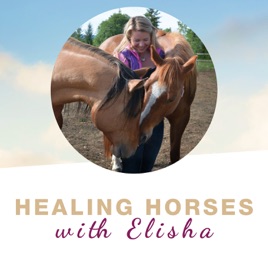
Advertise on podcast: Healing Horses with Elisha
Rating
5from
This podcast has
110 episodes
Language
EnglishPublisher
Elisha EdwardsExplicit
No
Date created
2023/09/26
Latest episode
2026/10/06
Average duration
35 min.
Release period
22 days
Description
A unique podcast solely dedicated to the natural horse. The information covered in each episode is based on thousands of success cases using natural health care, practical wisdom, and science. Learn what horses need to live their best lives – body, mind, and spirit – and how diet, nutritional therapy, natural remedies, and holistic horse-keeping can work for your horse on all levels. Listen in to equip yourself with the knowledge you need to make informed decisions for your horse’s health with less stress, overwhelm, and confusion.
Unlock Healing Horses with Elisha podcast Email contact info,
Listeners & Audience details
Email contact information
Direct podcast contact details

Listeners
Audience numbers & engagement insights

Audience details
Podcast Insights

Podcast episodes
Check latest episodes from Healing Horses with Elisha podcast
109: Waiting for the Other Shoe to Drop - Why Your Horse's Recovery Can Feel So Hard to Trust
2026/10/06
Last week, we explored how to tell whether your horse is on the right track, why the original symptom often lasts the longest, and how looking at the whole horse lets you see real changes long before that one symptom catches up. If you haven’t listened to that episode yet, I suggest you listen first, because today’s episode picks up right where we left off.
Stay tuned to find out why, even after you start noticing changes, it can still be so hard to trust what you’re seeing.
Past Disappointments
Repeated attempts that fail—supplements, feed, restriction plans, or other approaches—can leave you emotionally, financially, and physically depleted. You may then protect yourself from further disappointment by refusing to believe something is actually working. That could lead you to change a plan just as your horse begins to respond.
The Last Thing to Change
Weight tape and blood work measure specific things at a specific point in time. Your horse can have better energy, digestion, swelling, or movement even when the weight tape hasn’t changed. The most important symptom is often the last thing to change.
Doubt
Information from the internet or AI should not override what you observe in your horse. Searching for answers can expose you to stories about horses that failed to improve or had negative outcomes, and those stories might make you question the positive changes you see in your horse.
Previous Decisions
Many owners believe they should have recognized their horse’s problems sooner. That can make it difficult to trust their judgment when the horse starts improving.
Remember that you did the best you could with what you knew at the time. The instinct that told you something was wrong is the same instinct that helps you recognize improvement.
Beliefs Affect Decisions
You can make changes that support your horse while still believing that recovery is impossible without medication. That belief can move you toward medication.
A medication-free approach requires you to trust your decisions, your intuition, and your horse to heal.
How to Measure Progress
Horses don’t heal in a straight line, and one rough day does not necessarily mean a setback.
So, instead of comparing how the horse was yesterday, compare your horse with its baseline, where it was a month ago or three months ago. That is where real change becomes easier to see.
Keep Notes
Record a few observations several times a week. Note changes such as meeting you at the gate, trotting to the water, improved digestion, or changes in movement. Your notes will give you evidence to return to when doubt appears.
Patterns Matter
Patterns help you distinguish noise from information. A single good day may be a fluke, and a single bad day may not mean anything significant. Consistent changes over several weeks provide a far more useful measure of progress.
Your Observations
Knowing your horse and documenting what you see makes you a better advocate for them. Mention your observations to others involved in your horse’s care rather than relying entirely on their opinions. Your notes can also give your veterinarian information they cannot get from a short appointment.
Visible Symptoms
Your horse’s energy, demeanor, digestion, swelling, and movement may improve while the most visible symptom remains unchanged. That can make you think you need to do more when the horse’s overall picture is actually improving. Remember that the goal is progress, not immediate resolution of every symptom.
Staying the Course
Changing the plan too soon could undo any progress already made.
Some parts of recovery take longer than others. In Skip’s case, his hooves recovered the slowest because hoof growth, strengthening, and improvement in laminar integrity take time.
Building Trust
Trust develops through observations and patterns over longer periods, not just one good day. Look at your horse’s progress over one to three months rather than expecting immediate change.
Remember, no two horses are the same, so no two programs should be either—and no one knows your horse the way you do.
Links and resources:
Connect with Elisha Edwards on her website.
Your Horse's Root Cause Reset: Join the waitlist
Join my email list to be notified about new podcast releases and upcoming webinars.
108: How Do You Know If You Have Your Horse on the Right Track?
2026/09/29
Last week, we spoke about supplements, exploring how to select them, how to combine them intentionally, and how a simpler program that focuses on the actual root cause will almost always outperform those built around symptoms.
If you haven’t listened to Episode 107 yet, I recommend starting there because we’re picking up right where we left off today, looking at what real healing looks like, why patience matters, and why you shouldn’t give up on a treatment plan before the original symptom has been resolved.
The Whole Horse
Once you have a plan based on the underlying cause, assess the improvement across the whole horse, not just the symptom that initially caused concern. The original complaint is often the most advanced problem and can be the last thing to resolve. If you focus exclusively on it, you may miss significant improvements happening elsewhere.
Healing Takes Time
Recovery rarely happens in a straight line. There will often be periods of noticeable improvement, pauses, and even temporary setbacks. Years of dysfunction cannot necessarily be reversed quickly, so consistency and patience are essential. The horse’s body needs time and a stable environment in which to recover.
Early Signs
Changes in the horse’s energy and engagement can appear before any visible physical changes. A horse may greet you more readily, enjoy its food, play with other horses, or show more vitality. Those subtle changes can indicate that things are beginning to shift at a foundational level.
Brighter Demeanor
More alert eyes, greater interest in the surroundings, and the return of personality can be meaningful signs of improvement. Horses with equine metabolic syndrome can experience fatigue and what appears to be depression, which can sometimes be mistaken for normal behavior until their vitality begins to return.
Valuable Information
More consistent manure, less gas and bloating, and reduced puffiness can all provide valuable information. In horses with equine metabolic syndrome, digestive improvements are especially important because gut health is closely connected to the broader picture of metabolism, inflammation, detoxification, and absorption.
Partial Improvement
Swelling can improve in stages rather than disappearing completely at once. Even partial improvement can be meaningful. A noticeable reduction in swelling during the first week or two may indicate that the horse is moving in the right direction, while further improvement can take time.
Metabolic Changes
The crest and fat pads provide valuable information about what is happening metabolically, but they may be among the last things to resolve completely. A crest may first soften and then gradually decrease, while fat pads can take time to reduce.
Hoof Recovery
Comfortable movement is important, and appropriate hoof care and support are essential. Hoof inflammation and pain often take longer to resolve, particularly following laminitis, founder, or prolonged hoof problems. You may also need to correct trimming issues and allow the hoof capsule to grow out over time.
Don't Abandon a Plan Too Quickly
If the original symptom is not resolved, it can be tempting to change direction or add more supplements. Before changing course, however, give the existing plan enough time to work, and look for any other improvements that may have occurred.
Your Horse's Baseline
Pay attention to how the horse moves in the morning, how its crest and fat pads feel, how it greets you, how it eats, and how it interacts with its environment. You don’t need to record every detail obsessively. Just become familiar enough with the horse’s baseline to notice any changes.
Keep a Record
When you record where your horse started and look back periodically, improvements that seemed insignificant at the time can become obvious. With root-cause work, changes can often occur gradually and quietly, so don't abandon your plan simply because the progress you see isn't dramatic.
Skip’s Progress
After Skip's program was simplified, his digestion relaxed first, followed by improvements in his relationship with food, satiety, energy, inflammation, and fat pads. His hooves took the longest to improve. That explains how focusing on just one symptom can make you miss any other meaningful progress.
Different Recovery Patterns
Improvements don't happen in the same order or on the same timeline for every horse. So, look for an overall pattern rather than expecting everything to improve at once. Always remember to pay attention to changes across the whole horse, and remember that no two horses will heal in precisely the same way.
Links and resources:
Connect with Elisha Edwards on her website.
Healing Horses their Way: Get more information and join the waitlist
Join my email list to be notified about new podcast releases and upcoming webinars.
107: Is Your Horse's Supplement Routine Helping Them - or Working Against Them
2026/09/22
Last week, we explored why a supplement that produces remarkable results in one horse can make virtually no difference in another, and what that comes down to.
If you haven’t listened to that episode yet, go back and listen to it first, because we’re building on it today.
Supplements
A full supplement shelf doesn’t necessarily mean you’re doing enough for your horse. Although each product may have been selected initially to address a specific symptom, the combination is unlikely to address the root cause of a horse’s problems.
How to Evaluate Supplements
Consider whether or not a supplement is actually helping your horse. Look beyond the testimonials and social media, examine the ingredients and the company’s reputation, and be willing to acknowledge when something isn’t working.
Root Causes
Treating each symptom with a separate supplement can mean missing the underlying imbalance that is driving the problem. Identifying and addressing the root cause can make some supplements unnecessary.
When Supplements Are Combined
Different supplements can contain overlapping ingredients, so some may be redundant or unnecessary. Using too many different supplements can also make the digestive system and liver work much harder without providing any additional benefit.
Simplifying the Program
Removing certain supplements can make owners worry that they aren’t doing enough for their horses. However, simplifying the program helps them focus on addressing what the horse actually needs rather than simply adding more products.
Diet and Lifestyle Matter
Supplements cannot fix a hungry horse or address stress caused by prolonged hunger. So, owners must consider diet, forage, feeding schedule, lifestyle, and stress levels when addressing a horse’s health issues.
Skip’s Story
Skip is a 12-year-old Quarter Horse with EMS who was placed on several supplements to address various problems. Despite the owner’s careful efforts, his progress stalled. When evaluating his entire picture, it emerged that stress, due to severe hay restriction, was a key issue. So his supplements were replaced with specific B vitamins and bioavailable magnesium, while his owner focused on providing consistent forage and feeding, a better lifestyle, and nervous-system support. Within weeks, Skip was more relaxed, his vitality improved, and he began to gain muscle and become more active and playful.
What to Remember
No two horses are the same, so no two programs should be either. Horses’ programs should always address root causes rather than simply treating symptoms, and supplements should be used for a specific reason.
Links and resources:
Connect with Elisha Edwards on her website.
Healing Horses their Way: Get more information and join the waitlist
Join my email list to be notified about new podcast releases and upcoming webinars.
106: Why the Same Supplement Works for One Horse and Not Another
2026/09/15
Last week, we discussed the hidden cost of chasing symptoms instead of root causes, and the importance of understanding that symptoms are the messengers, not the problem.
We’re expanding on that today, looking at why a supplement that works really well for one horse may do very little for another.
Choosing a supplement
Don't choose a supplement simply because it produced great results for someone else's horse. Look at whether it is actually creating the changes your own horse needs, and if you can't see meaningful progress, be willing to question whether it's the right choice.
Don't let an ingredient list or a product's reputation decide for you. Even a clean, high-quality product may not be what your horse needs, so choose according to your horse's individual situation.
Don’t assume
Don't assume that horses eating the same hay or living in the same environment have the same nutritional needs. One horse may already be getting enough of a nutrient while another may have a genuine deficiency, so look at the individual horse rather than the shared diet.
Additionally, when two horses have the same visible problem, don't automatically treat them in the same way. Look for what is actually driving the problem in each horse, because the underlying causes may be completely different.
What to focus on
Don't focus only on the nutrients the horse is getting from its diet. Gut health, inflammation, toxicity, other ingredients, and the form of the nutrient can all affect how well a horse can utilize what you're giving them.
If a horse fails to respond as expected
If the horse isn't responding as expected, consider what else may be preventing its improvement. You may need to address its medication, the commercial feed’s suitability, digestive problems, or emotional stress rather than simply adding another supplement.
Your horse's history
Don't treat your horse as if it’s starting from scratch. Past illness, stress, age, breed tendencies, medication, and its environment all form part of the picture and can influence how it responds to anything new you introduce.
Supplements to avoid
High-quality supplements can be valuable, but don't expect them to resolve an issue they were not designed to address. If the supplement has no connection to the underlying cause, redirect your time and money toward finding what actually needs attention.
Changing direction
If you've given something a fair opportunity and aren't seeing improvement, don't keep on with it simply because you expected it to work. Use the lack of progress as information and reconsider what your horse may need.
The underlying cause
Don't rely on an anti-inflammatory supplement to resolve pain or inflammation when something else is causing or contributing to the problem. Address the underlying cause so that your supportive measures can have a better chance of helping.
Keep looking
When your approach doesn't work, don't decide that you've failed or your horse is beyond help. Instead, recognize that particular approach wasn't the right one and keep looking for what your horse actually needs.
Individual needs
If something doesn't work for your horse the way it worked for someone else's, don't automatically view that as a failure. Use it as information showing your horse's picture is different and requires another plan that will better suit its individual needs.
Links and resources:
Connect with Elisha Edwards on her website.
Healing Horses their Way: Get more information and join the waitlist
Join my email list to be notified about new podcast releases and upcoming webinars.
105: The Hidden Cost of Chasing Symptoms Instead of Root Causes
2026/09/08
Last week, we discussed what it takes for horses to recover and heal truly.
Today, we’re building on that by clarifying the hidden cost of chasing symptoms instead of uncovering the root cause lying beneath them.
Recurring symptoms
A symptom is often a messenger rather than the actual problem. When a symptom fails to improve, or returns despite trying different products, it tells you that you have not yet identified the underlying cause.
Consistency and patience
Finding the right approach for a horse is not quite as simple as following someone else’s plan. Recovery requires attention, consistency, and a willingness to reassess when something does not produce the results you need.
History matters
A past illness, stress, age, breed tendencies, medications, environment, and other experiences can all influence how a horse’s body responds to something new. Understanding its history helps to explain why the same supplement can produce very different results in two horses.
Quick fixes
Symptom-focused treatments can be reassuring when they produce a quick or visible response, but improvement does not necessarily mean the underlying issue has been resolved. Repeatedly changing products can keep you focused on the symptom rather than actually understanding what is driving it.
The whole picture
Rather than focusing only on what is going into the horse’s feed bucket, consider the whole picture, including its diet, health history, medications, environment, digestion, and any other factors that may influence how it responds.
Meaningful changes
When introducing something new, pay attention to whether or not you notice any meaningful changes in the horse. If the horse shows no noticeable improvement, that approach may not be addressing what it truly needs.
Good nutrition
Good nutrition is not simply about what goes into the horse’s mouth. Gut health, inflammation, toxicity, and nutrient interactions can all affect how much of what a horse consumes is actually absorbed and available to its body.
When something doesn’t work
A lack of improvement does not mean that you, your horse, or the product has failed. It provides valuable information, telling you that your approach is not addressing the horse’s particular needs and that it is time to look in a different direction.
Links and resources:
Connect with Elisha Edwards on her website.
Healing Horses their Way: Get more information and join the waitlist
Join my email list to be notified about new podcast releases and upcoming webinars.
104: Deep Work Requires Downtime - For You and Your Horse's Metabolism
2026/09/01
Horses need rest, especially when they’re dealing with metabolic issues. Their nervous systems need it, and in many cases, rest is an important part of their recovery.
So today, we’re talking about why deep work requires downtime, and why giving your horse the right kind of rest might be the missing piece in how you’re managing their metabolic health.
Rest and Recovery
The work that genuinely changes an outcome rarely happens in a straight line. Whether you’re helping a student or supporting a horse through recovery, you need periods of focused effort followed by time to rest, process, and integrate. Skipping the recovery phase can ultimately undermine the work itself.
Making Better Decisions
Building a complete health profile means taking a deep dive into your horse’s history and putting all the pieces together. That can be difficult and emotional, especially when you begin to see how past events may have contributed to the challenges your horse is facing now. It can also create a strong urge to fix the problem immediately. However, taking time to understand the whole picture first helps you make more informed decisions.
Subtle Shifts
Paying attention to subtle shifts in your horse—how they respond to their environment, changes in the herd, the seasons, their routine, or their recovery—can reveal patterns over time. Observing those shifts can give you valuable clues about what’s really happening with your horse.
Exhaustion
Working harder and constantly pushing yourself doesn’t necessarily create better results. When you’re depleted, you stop noticing subtle details, lose your ability to be genuinely present, and may even begin putting your energy into the wrong things.
Downtime
Downtime allows you to integrate information and experiences, gives your nervous system a chance to reset, and lets your body catch up with everything it’s had to handle. Rest is not laziness or falling behind. It is part of maintaining your ability to do meaningful work.
True Rest
A horse can be standing quietly and still be in a state of alertness or survival. True rest allows the horse’s nervous system to stop bracing and scanning so the parasympathetic system can support its digestion, recovery, tissue repair, and hormonal regulation.
Restriction vs Recovery
For horses with EMS or suspected metabolic problems, you may need to look beyond more restriction or control. Those horses also need the right lifestyle, movement, freedom, and periods of rest so their bodies can settle, find their rhythm, and recover.
Constant Intervention
Every new supplement, therapy, training session, or other intervention is another input. When you’re constantly applying different things, you have little opportunity to observe what is actually helping the horse, or allowing it to settle and find its own rhythm. Sometimes, just avoiding another intervention is the most appropriate next step.
Panic
When something is wrong, your instinct may be to act immediately. However, your panic could lead to unnecessary or poorly considered interventions. Taking a pause gives you the space to regulate yourself, observe what is actually happening, and ultimately make a more thoughtful decision.
The Bigger Picture
Rather than always adding something to address each new symptom, step back and consider the horse’s history, environment, lifestyle, routines, and other contributing factors. The goal is to create the right conditions for the horse to stabilize and recover, while also providing enough structure, freedom, and connection to support its natural rhythms.
Links and resources:
Connect with Elisha Edwards on her website.
Join Elisha's email list
Learn more about Healing Horses Their Way
103: When Traditional Care Wasn't Enough: Trish & Teddy's Story
2026/03/03
I’m delighted to have Trish Collins, owner of a 30-year-old mare called Teddy, joining me today to discuss the challenges of supporting a senior horse. We unpack the dietary changes and behavioral quirks of a senior horse and discuss the value of natural nutrition, homeopathic remedies, and holistic care.
Changing Appetites
Senior horses like Teddy often change their preferences or skip meals. Trish learned to stay flexible, offering alternatives and listening to Teddy’s cues rather than forcing a rigid feeding schedule. Even at 30, Teddy now displays curiosity, an enthusiasm for food, and she engages with her environment. Trish noticed how she regained her energy, playfulness, and mental sharpness after implementing a tailored nutrition and care plan.
Nutrition
A consistent, nutrient-rich diet is essential for senior horses. Proper nutrition supports appetite, digestion, weight maintenance, and overall vitality, even in horses with health issues or on medications.
Observing and Responding
Trish developed confidence by watching Teddy closely, noting her likes, dislikes, and reactions. This observation has guided adjustments in feed, supplements, and care routines, empowering Trish to make informed decisions.
Natural and Complementary Approaches
Homeopathic remedies and medicinal plants are important for supporting Teddy’s appetite and vitality. Natural options can complement standard care, especially when conventional solutions are limited.
Consistency and Patience
Teddy’s progress did not come from one dramatic change. It came from Trish’s steady and consistent changes, made after observing Teddy closely and implementing thoughtful adjustments. Nothing was rushed. Trish learned that improvement often occur quietly and gradually, not all at once. Staying patient, sticking with the plan, and allowing Teddy the time she needed proved far more powerful than constantly changing course.
A Stress-Free Environment
Stress-free environments are crucial for senior horses to thrive. Allowing Teddy to roam freely and move on her own terms improved her appetite, mood, and overall quality of life.
Preventative Strategies
The strategies Trish used with Teddy also serve as a model for younger horses. Paying close attention to their diet, movement, and health early on helps to prevent any future challenges and sets them up for longevity.
Emotional and Owner Insights
Trish found that supporting her own horse felt far more emotional and overwhelming than helping clients with theirs. She learned that staying observant, trusting what she was seeing, and allowing room to adjust the plan helped to calm her anxiety.
Trish’s confidence did not come from having all the answers. It came from paying attention, staying flexible, and consistently moving forward.
Links and resources:
Healing Horses with Elisha: Links and resources
Learn more about Healing Horses Their Way 2026
Pay-in-full or 3-month payment plan
And for extra flexibility we also have a 6-month payment plan
Either way, you’re stepping into an experience that your horse will be grateful for.
102: What Your Horse's Body Is ACTUALLY Trying to Tell You
2026/02/24
Over the last few episodes, we’ve explored topics related to mindset, how we approach our horse’s health, what we notice, and how to interpret what we see.
This week, I help you understand what your horse’s body is actually telling you, and, more importantly, how to recognise those signals with clarity and confidence.
You Know More Than You Think
You’ve accumulated years of data from observing your horse directly. Every time you pick up their feet, watch them move, notice shifts in their energy, skin, coat, eyes, or behavior, you’ve been learning. The problem is that you don’t trust what you’re noticing. Your horse’s body is dynamic, and its chemistry is changing every millisecond, so you need to bring the power back to yourself.
Why We Doubt Ourselves
Self-doubt usually comes from three patterns. First, we treat our observations as less valid than measurable data, even though lab tests are only snapshots of a moment in time. Second, we confuse observation with diagnosis, jumping from “stiff today” to catastrophic conclusions without enough information. Third, we minimize what we see because we are afraid of what it might mean—both overreaction and avoidance block clear decision-making.
Structure
Structure includes posture, muscle development, hoof quality, coat condition, body composition, and movement patterns. Those are visible and measurable expressions of deeper processes. Structural changes are often a result of diet, stress, movement-related issues, environmental issues, toxicity, and time. A dull coat, dropped topline, or poor hoof quality reflects what has been happening internally over weeks, months, or longer.
Function
Function is how the horse moves through the world. It includes energy levels, behavior, digestion, respiratory patterns, appetite, and emotional expression. Functional shifts usually occur before structural breakdown. Subtle changes in manure quality, food aggression, pacing, anxiety, coughing, or stiffness are often early signals. Addressing those signs early prevents bigger problems later.
Connection
Connection reflects emotional well-being, trust, and a sense of safety. Changes in willingness, engagement, affection, or reactivity may signal physical discomfort or unmet needs. Health challenges such as chronic pain or metabolic issues can alter a horse’s emotional state. A shift in connection may indicate a hidden health issue.
From Observation to Understanding
Clear thinking requires separating observation from interpretation. An observation is specific and descriptive. A diagnosis requires evidence. Patterns matter more than single moments. When did it start? What makes it better or worse? Is it constant or intermittent? Patterns reveal root causes and guide informed action.
The Whole Horse Perspective
Every symptom exists within a system. Stiffness may be related to limited movement, cold weather, circulation, trimming, or management practices. Digestive changes may be due to stress, diet, or environmental factors. Viewing the whole horse allows you to respond thoughtfully rather than react fearfully.
Framework Builds Confidence
Observation without structure leads to anxiety. Observation within a framework leads to clarity. When you record patterns, make thoughtful adjustments, and monitor outcomes, your confidence grows naturally. You begin making decisions based on knowledge instead of fear.
Knowledge and Action Work Together
Understanding how the horse’s body systems connect strengthens your decision-making. You do not need perfect certainty before taking action. Thoughtful changes, followed by observation, build experience and trust in your own judgment.
Community Reduces Isolation
Health journeys can feel lonely. Shared learning, pattern recognition, and collaborative problem-solving provide perspective and reassurance. Noticing how other horses move through similar challenges helps normalize recovery and refine expectations.
Trust Is the Foundation
Your horse communicates through structure, function, and connection every day. The goal is not perfection. It is presence, awareness, and the willingness to trust what you see. Confidence grows when you combine observation, understanding, and action.
Links and resources:
Connect with Elisha Edwards on her website.
Masterclass: How to Trust Your Horse Instincts with Confidence (even when everyone else disagrees)
101: The Three Things Standing Between Your Horse and Their Health
2026/02/17
We're getting uncomfortably honest today.
In this episode, I continue the conversation I began early in January, to support you with invaluable mindset and perspective shifts, and the knowledge to empower yourself to make the best decisions for your horse, to get the best outcomes with their health and your relationship with them throughout 2026, the year of the Fire Horse.
Invisible Walls
Many dedicated owners are following protocols, investing in care, researching, and trying every recommended solution, yet true wellness still feels just out of reach. That is often not due to a lack of effort, but invisible internal walls that unintentionally block any progress. Those walls are built from habit, fear, and misplaced trust in external systems, rather than relying on direct feedback from the horse. Once you see them, meaningful change begins to happen. You can’t change what you can’t see. But once the patterns become visible, everything can shift.
Wall #1: Prioritizing Being Right Over Being Responsive
Conventional wisdom often overrides individual feedback. Feeding charts, supplement labels, trimming schedules, and doing “what everyone does” can become more important than what your horse is showing you. Textbook health is based on averages and generalizations, whereas your horse’s health is based on its unique metabolism, stress response, digestion, genetics, and environment.
Standardized Models
No research paper applies universally to every horse. Horses living in the same herd, on the same feed, and in the same environment, will still show completely different imbalances and needs. When we force them into standardized models, we risk damaging their health trying to make them fit systems that were never designed for them.
Real progress begins when feedback takes precedence over protocol.
Textbook Health
Textbook health is theoretical and based on statistical significance. It gets repeated as a universal truth. Individual health is dynamic and constantly changing. Your horse doesn’t care about recommended feeding charts or daily minimums. It cares about what its body needs today.
True responsiveness means asking: Is this actually improving observable wellness? If not, it’s not working. no matter how good the reviews are.
Wall #2: Fear Disguised as Control
Over-management often stems from anxiety. Restricting turnout to prevent injury, limiting forage to control weight, isolating horses for safety, and excessive blanketing to prevent cold can create the fragility they were meant to prevent.
Fear-based Management
Horses are designed to move, graze, socially regulate, and adapt to weather. When those natural systems are suppressed, metabolic dysfunction, ulcers, behavioral issues, weakened hooves, and chronic stress can follow. Fear-based management creates systems that require even more management.
Allowing horses live more naturally builds resilience. Micromanagement builds dependence.
Control = Anxiety
Control is often anxiety projected onto the horse’s body. A powerful shift occurs when the question changes from “How do I prevent every possible problem?” to “What does my horse need to become more resilient?”
Wall #3: Trusting Protocols More Than Feedback
Supplements, feeding systems, and management routines are tools, not guarantees. When supplements or medications continue for months without any noticeable improvement, when balanced feeds do not result in better coats or stronger hooves, when calming supplements replace environmental or training changes, it means protocol has replaced feedback.
Supplements
Supplements should function as feedback tools, not permanent fixes. Management should serve the horse’s biology, not the owner’s schedule. “This is how we’ve always done it” is not a sufficient reason to continue something that isn’t working.
Your horse’s body is the curriculum. Observable wellness is the only true test.
The Confidence Triangle: Physical, Emotional, Mental
True wellness depends on three interconnected systems working in balance:
Physical healthEmotional well-beingMental clarity
You cannot supplement your way out of emotional stress. You cannot manage your way out of physical pain. You cannot train your way out of mental overload. Those systems influence one another constantly. When one is compromised, the others follow.
Holistic Health
Holistic health requires integration, not fragmentation. Instead of chasing symptoms, support systems. Instead of reacting to problems, create conditions for wellness. Instead of working against their nature, work with the horse’s biology.
When the Walls Come Down
When responsiveness replaces ego, fear loosens its grip, and feedback becomes the guide:
Problems are caught earlier.Money stops flowing toward ineffective solutions.Resilience strengthens.Chronic issues begin to shift.Decision-making becomes confident instead of anxious.Partnership deepens.
Healing often occurs not because the perfect product was found, but because the barriers blocking natural health were removed.
Awareness
Awareness is the first step. Notice where you may be prioritizing being right over being responsive, controlling out of fear instead of building resilience, or trusting protocols more than feedback. Once visible, those walls can come down, and your horse’s innate wisdom can emerge.
Links and resources:
Healing Horses with Elisha: Links and resources
Learn more about Healing Horses Their Way 2026
Pay-in-full or 3-month payment plan
And for extra flexibility we also have a 6-month payment plan
Either way, you’re stepping into an experience that your horse will be grateful for.
100: Why Your Horse Stops Talking (And How to Listen Again)
2026/02/10
Welcome to our 100th podcast episode!
In the last episode, we discussed permitting yourself to trust your instincts. Today, we continue that discussion, diving even deeper into the topic.
Tuning In
Horses are constantly communicating their needs, but we often stop noticing the subtle ways they demonstrate how they feel physically, emotionally, and instinctually. By slowing down, tuning in, calming down, and asking what they need, we can start seeing them clearly again.
Physical Silence
Early intervention means noticing whispers of pain before they escalate. Horses often show early discomfort through subtle cues, such as stiffness, girth sensitivity, or reluctance to move, but those signals are often dismissed as personality quirks. Ignoring physical signs can ultimately lead to chronic health problems.
Emotional Silence
When horses express anxiety or stress, and it is dismissed or medicated rather than addressed, they stop communicating their emotional needs. Separation anxiety, behavioral stress, and high arousal are not problems to suppress. They’re messages that require consistent attention, gradual training, and emotional support to rebuild trust.
Instinctual Silence
Ignoring the natural biology of a horse (Social needs, movement requirements, and grazing behavior) creates systemic stress, metabolic dysfunction, and delayed healing. With long-term confinement, isolation, or mismanaged diets, horses become quiet, masking their real health and welfare needs.
Human Awareness
Our own anxiety, busyness, or problem-focused mindset can block communication. Horses mirror our nervous state, so pausing, grounding yourself, and observing calmly allows subtle signals to emerge. Daily wellness check-ins, curiosity-driven observation, and tracking patterns will help you identify root causes before problems escalate.
Re-establishing Communication
Shift from “What’s wrong?” to “What does my horse need?” Focus on body, mind, and spirit. Pause, breathe, and observe before taking action. Small, consistent practices, including meditative observation and affirmations, can help you maintain a focused mindset, reinforce trust, and encourage your horse to start communicating once again.
Tracking Patterns
Observe your horse’s energy, movement, social behavior, and emotional responses every day. Look for correlations with diet, herd dynamics, weather, or schedule changes. Noticing patterns allows early intervention, supports holistic well-being, and prevents symptoms from worsening.
Prevention and Wellness
Horses never stop talking. By creating space to listen and responding thoughtfully, you become a true health advocate. Supporting wellness instead of chasing symptoms fosters partnership, helps catch issues early, and leverages your horse’s innate wisdom for better health outcomes.
Links and resources:
Healing Horses with Elisha: Links and resources
Learn more about Healing Horses Their Way 2026
Pay-in-full or 3-month payment plan
And for extra flexibility we also have a 6-month payment plan
Either way, you’re stepping into an experience that your horse will be grateful for.
99: The Permission You and Your Horse Have Been Waiting For
2026/02/03
We’re talking about permission today.
In last month’s Firehorse Fierce episode, we briefly touched on permission-seeking. Today, I clarify what that really means.
Too often, we turn to another professional opinion, recommendation, or protocol before fully understanding what we are facing. The truth is, you know your horse better than anyone. So, this episode is about allowing yourself to trust what you already see in their eyes, feel in their body, and sense in their energy.
Permission Starts With You
Permission does not come from professionals, protocols, or expert opinions. It comes from you. In an industry full of strong opinions and conflicting advice, it’s easy to believe you need someone else to validate what you already see. But as your horse’s primary caregiver, you are the one who knows their baseline, their patterns, and when something feels off. That lived knowledge truly matters.
Waiting vs. Being Paralyzed
There is a difference between pausing to calm your fear so you can make a clear decision and being paralyzed while waiting for external permission. Most hesitation comes from fear of being wrong, not from lack of care. When your doubt delays your decisions, the horse often pays the cost.
Outside Opinions
Every outside opinion can quietly erode trust in your own observations. Over time, decision-making shifts away from the horse and toward outside voices, even though your horse is communicating clearly through changes in energy, movement, digestion, and behavior. Those early signals are meaningful. Disease seldom shows up loudly; it builds through whispers long before it screams.
Expert Support
Professional support has a place, but professionals are consultants, not permission givers. You remain the decision-maker. True advocacy means staying grounded in what your horse is showing you while using outside expertise to support, not override, that awareness. Flexibility matters far more than rigid adherence to any single philosophy.
When You Trust Yourself
When you give yourself permission to listen and act, everything changes. Communication becomes clearer, stress decreases, and trust deepens. When their whispers are heard, horses don’t need to scream. Your horse is counting on you to trust what you already know.
Links and resources:
Healing Horses with Elisha: Links and resources
Learn more about Healing Horses Their Way 2026
Pay-in-full or 3-month payment plan
And for extra flexibility we also have a 6-month payment plan
Either way, you’re stepping into an experience that your horse will be grateful for.
98: When Knowledge Becomes Noise (And How to Filter What Actually Matters)
2026/01/27
Today, we’re continuing our conversation about mindset and perspective when it comes to your horse’s health.
This year, I have received many messages about navigating information overload and conflicting advice about your horse’s health. In this episode, I focus on the vital and often missing emotional support needed for making clear, grounded decisions.
Stay tuned to learn the difference between knowledge that truly serves you and information that simply creates more noise.
When Knowledge Turns Into Anxiety
The more you try to take in, the harder it becomes to filter out the noise. That can result in analysis paralysis, where no option feels safe, and doing nothing starts to feel easier than making a decision.
Conflicting Expert Opinions
Different practitioners adopt different approaches. Metabolic, biomechanical, emotional, traditional, and alternative approaches all highlight different aspects of the picture, and without a way to bring them together, the information can become extremely confusing.
General Advice
What works for most horses will not always work for your horse. Each horse has a unique body, history, genetics, and energy. Trying to force a generalized protocol onto an individual horse often delays progress and creates more frustration.
Past Experiences
Previous losses, mistakes, or missed signs can quietly influence current decisions. Guilt and urgency from the past can cloud your ability to stay grounded and respond clearly in the present moment.
The Decision Filter
Clear decisions require a simple framework. Before acting on new information, it should pass three questions:
Does this align with what I’m observing in my horse right now?
Does this address the root cause or only manage symptoms?
Can I implement this consistently with the capacity I have today?
Observation Comes First
Your day-to-day observations matter more than generalized recommendations. What you notice in your horse’s body, behavior, and patterns is primary information. Expert advice is valuable, but it comes second.
Root Cause Over Quick Fixes
Urgency often pulls us toward symptom management. While comfort matters, lasting improvement comes from understanding what is happening beneath the surface and addressing the underlying cause.
Consistency Over Complexity
A simple and consistent approach is far more powerful than a complicated, sporadic plan. What you do consistently, day after day, matters far more than accessing all the latest research or trends.
Reducing the Noise Restores Clarity
Slowing down the flow of information, focusing on careful observation, and sticking to a simple, clear plan helps reduce anxiety and creates space for healing. As you become calmer and more consistent, your horse will likely begin to stabilize too.
Trusting Yourself
You are the one who knows your horse best. Outside expertise has value, but your insight deserves equal weight. Confidence grows when knowledge and self-trust work together.
Links and resources:
Healing Horses with Elisha: Links and resources
Learn more about Healing Horses Their Way 2026
Pay-in-full or 3-month payment plan
And for extra flexibility we also have a 6-month payment plan
Either way, you’re stepping into an experience that your horse will be grateful for.
97: The Courage to Wait: When Your Horse Needs You Present, Not Panicked
2026/01/20
Last week, we looked at how easily our sense of urgency can spill over onto our horses. We explored ways to manage our fears and the urge to intervene when all our horses need is the time and space to heal.
Today, I take that a step further by explaining how healing is a steady, repetitive, and imperfect process that requires our trust and patience.
Imperfect Progress
Horses require consistency, observation, and time for their nervous systems to process changes. Owners often act out of fear or urgency, switching practitioners, modalities, or approaches mid-process. But when we simplify our approach, tension is released, and both horse and human can move at a natural pace. Even though visible results may take weeks, progress is happening beneath the surface.
Self-Awareness
If you are anxious, impatient, or reactive, your horse will feel it and reflect it back. Healing your horse begins with you regulating your own nervous system and showing up with presence, patience, and clarity, rather than trying to control the outcome.
Integration and Patience
Healing unfolds in stages. Setbacks, plateaus, and integration periods are normal. Your horse’s body needs time to adjust to new movement patterns, nutrition, and modalities. Owners need to embrace this pace, trusting that chemical and neurological changes are happening even when the results are not immediately visible.
Small, Consistent Steps
Choose one approach at a time for your horse and commit to it for at least three to four weeks before evaluating progress. For yourself, establish one daily practice that supports your nervous system- a short walk, breathwork, or grounding ritual. Consistency beats intensity.
Observation Without Judgment
Notice any changes in your horse’s movement, energy, behavior, or body without labeling them as either good or bad, and observe your own emotions without self-judgment. Journaling helps you track patterns, separate emotions from reality, and build confidence in your decision-making.
Integration Practices
Support your horse with rest, social time, and basic care. Let them lie down, play with friends, or simply relax without interference. Similarly, honor your own needs. Regulated owners make better decisions and create an environment that fosters true recovery.
Reflection
Track progress with photos, videos, and regular check-ins with trusted practitioners. And for yourself, spend 15 minutes weekly reflecting on what shifted, what was hard, and make the required adjustments.
Managing Urgency and Fear
Recognize when the urge to act comes from fear, not clarity. Ask yourself: “Will this action move my horse toward healing in the next 28 days?” and “What small step respects my horse’s and my own capacity today?” Small, deliberate actions will keep healing on track.
Two-Track Approach
Take immediate, low-risk actions while planning high-leverage actions for the future. That honors urgency without hijacking the process, allowing progress to continue steadily while you maintain clarity and focus.
Links and resources:
Connect with Elisha Edwards on her website.
Join my email list to be notified about new podcast releases and upcoming webinars.
Healing Horses their Way: Get more information and join the waitlist
96: Frozen in fear to fire horse fierce: Your 2026 transformation
2026/01/13
I have spent the past few weeks reflecting because the start of a new year naturally brings a desire to change what we do, how we do things, or even how we think.
If you’ve been sitting with a quiet sense that something needs to shift, for yourself or for your horse, this episode is exactly what you need to hear as we step into 2026.
Pay Attention to Your Feelings
When you sense that something is different with your horse, pay attention because it matters. A strong connection helps you notice subtle shifts long before anything obvious shows. Ignoring that gut feeling often leads to endless research, outside opinions, and overthinking, which only adds confusion instead of clarity.
When Caring Turns Into Freeze
Freezing, overthinking, and second-guessing are proof of how deeply you care. The weight of responsibility can feel overwhelming, especially when your horse’s health is on the line.
Analysis Paralysis and Lost Intuition
Too much information can shut down your intuition. Articles, courses, podcasts, and social media create noise that drowns out the quiet knowing you gain from daily observation and experience with your horse.
The Information Collector
Waiting to know everything before taking action keeps change out of reach. Confidence does not come from more information. It comes from deciding and taking action, even if the steps are small or imperfect.
The Permission Seeker
Looking for opinions from vets, trainers, or social media delays leadership. Horses don’t need thousands of opinions. They need an owner willing to advocate, make decisions, and guide their care with clarity and intention.
The Worst-Case Spiraler
Imagining disasters will drain your energy and stall progress. Indecision becomes a costly choice when fear prevents you from acting. Moving forward requires grounding, focus, and shutting out both external noise and internal catastrophizing.
Indecision Versus Intentional Action
Doing nothing is still a choice. Creating a plan, committing to it, and adjusting along the way brings stability to both horse and human. Calm, centered leadership will have a direct effect on your outcomes.
Intuition as Valid Data
Gut feelings are just as important as science. Daily observations, patterns, and responses are meaningful information. Writing them down turns intuition into evidence and builds confidence in decision-making.
Alignment Matters
Decisions that contradict your beliefs and instincts disrupt flow. When actions align with your values and intuition, outcomes improve. When they don’t, stress rises and progress often stalls.
Fire Horse Energy for 2026
The Year of the Fire Horse calls for boldness, movement, and decisive action. It favors momentum over perfection and independence over approval. It’s a push to stop waiting and start acting.
Imperfect Action Over Perfect Planning
Horses benefit more from timely, intentional effort than from endless preparation. Small, thoughtful changes often lead to noticeable improvements and strengthen trust between horse and owner.
Become the Expert on Your Horse
Creating a health profile for your horse helps you notice patterns and understand what has led to their current state. Knowing where things have shifted or gone off balance guides the changes your horse truly needs.
Fire Horse Goals vs. Frozen Goals
Frozen goals keep you stuck in learning mode. Fire horse goals are action-based: you create a plan for your horse, implement it, and adjust as you go. Taking steps- even if they are not perfect- builds confidence and leads to results.
Simple Changes Create Real Feedback
Small changes give immediate information. Observe what happens, write it down, and adjust as needed. This makes observations into valuable data and strengthens both trust and clarity.
Support Without Surrendering Authority
Bringing in help doesn’t mean giving up leadership. The right support aligns with your beliefs, respects your intuition, and works with your understanding of your horse.
Community Builds Confidence
Confidence grows in connection. Shared experience, accountability, and support reduce isolation and replace judgment with learning.
Stepping Forward in 2026
This is the year to stop waiting and performing for others. Step up for your horse with courage, commitment, and consistency. Remember that perfection is not a requirement.
“Your horse would rather you try at 70% certainty than wait for 100%.”
Links and resources:
Connect with Elisha Edwards on her website.
Join my email list to be notified about new podcast releases and upcoming webinars.
Free Webinar Masterclass: Four Steps to Solving Equine Metabolic Syndrome Naturally
Save your seat in Elisha's 2-hour live workshop Detox Done Right.
Healing Horses Their Way: Sign up for the 6-month payment plan
Healing Horses their Way: Get more information and join the waitlist
95: Learn More About My Signature Program: Healing Horses Their Way
2025/12/09
Every year, from late November to early December, we roll up our sleeves, set the dates, map out the plan, and fine-tune the details for the year ahead.
Join me today for an exclusive behind-the-scenes look at how we structure the program, what you will learn, the rollout date, and all the incredible benefits you can expect!
Overview of the Program
This signature program has been a favorite among horse owners and practitioners since it launched in 2018. It has been designed to give you a strong foundation in holistic horse care and is packed with practical, easy-to-understand information to help you make the best choices for a healthy and happy horse. Updated in 2020 with even more resources, it is a hands-on, flexible learning experience perfect for horse lovers at any level.
A Supportive Global Community
Caring for horses can feel like a solo adventure sometimes, especially if you live in a remote area. This course connects you with a worldwide community of like-minded people who share your passion. You will swap stories, share insights, and learn how horse care challenges are surprisingly universal, no matter where you are.
How the Course Works
The course spans 12 weeks and includes nine in-depth modules with a few pause weeks to allow you to work through the material at your own pace. Each module builds on the last, with practical exercises you can apply to any horse.
A Holistic Mindset
The course starts by helping you view horse health from a new perspective. You will learn to look at the history of a horse, spot patterns, and connect the dots between symptoms and underlying issues. It is a whole-horse approach that considers mental, physical, emotional, and even spiritual health, giving you a deep understanding of how the equine body works and reacts to care.
Practical Horse Care
In modules two and three, we dive into the fundamental aspects of anatomy, physiology, and diet. You will learn how to use food as medicine, tailoring the diet to address imbalances, intolerances, or allergies. By the end, you will know how to customize a feeding plan to meet the unique requirements of your horse.
Advanced Tools for Health
We also explore therapeutic nutrition, herbs, and homeopathy. You will learn to use vitamins, minerals, and natural remedies to tackle specific health challenges. These modules are all broken down into simple and easy-to-apply, actionable steps.
Tackling Common Problems
In the later modules, we get into the nitty-gritty of hoof health, toxins, and parasites. You will learn how to spot common hoof issues, like thrush or long toes, and how to address them naturally. You will also learn strategies to minimize exposure to toxins and manage parasites in ways that keep your horse feeling their best.
Real-Life Solutions
One of the highlights of this course is the final module, which has natural protocols for over 30 specific health issues. When you reach this point, you will have all the tools you need to create a personalized care program for your horse. You will also know how to track your horse's progress and adjust when necessary.
Flexible and Easy to Follow
The course is structured to fit into your busy life. The materials are released weekly, and there are live classes every Tuesday evening (with recordings if you cannot make it). There is also a private Facebook group where you can get extra support and connect with other participants, and quizzes you can complete along the way, and you will earn a certificate at the end.
Ready to Join?
If you want to learn about holistic horse care and give your horse the gift of better health, this is the course for you! Join the waitlist on our website or email us at [email protected] if you have any questions.
Links and resources:
Connect with Elisha Edwards on her website
Join my email list to be notified about new podcast releases and upcoming webinars.
Free Webinar Masterclass: Four Steps to Solving Equine Metabolic Syndrome Naturally
Register for my self-paced course, Resolving Equine Metabolic Syndrome Naturally
Save your seat in Elisha's 2-hour live workshop Detox Done Right
Podcast reviews
Read Healing Horses with Elisha podcast reviews
Midwife515 2025/04/21
Powerful
Thank you Elisha for sharing your knowledge. Empowering horse owners. Your presentations are easy to understand even with the most complex situations...
🦊🍀🍁🐚🪸🌷💐🪷🥀🌹🌺 2023/11/08
Hi
Can you PLEEEAAASE do an episode about breeds I 𝙬𝙤𝙪𝙡𝙙 🅛🅞🅥🅔 ❤it so much. The is a really great show but if you made one about the different br...
Podcast sponsorship advertising
Start advertising on Healing Horses with Elisha relevant audience podcasts
You may also like to advertise on these Podcasts

4.858221911
Sara Gonzales Unfiltered
Blaze Podcast Network

4.810941750
Warchant Podcasts featuring Seminole Headlines
Warchant.com

4.824761865
Deck The Hallmark
Bramble Jam Podcast Network

4.920641171
Toni and Ryan
Toni Lodge and Ryan Jon
4.847032000
Pat Gray Unleashed
Blaze Podcast Network

4.7368461279
Louder with Crowder
Louder with Crowder

4.723131948
Timeless Wisdom with Dennis Prager
Salem Podcast Network

4.818101217
Ukraine: The Latest
The Telegraph
4.815421000
The Todd Herman Show
Radio America
4.715161997
Thrivetime Show | Business School without the BS
Clay Clark