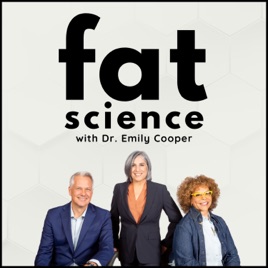
Advertise on podcast: Fat Science
Rating
4.6from
This podcast has
122 episodes
Language
EnglishPublisher
Dr Emily CooperExplicit
No
Date created
2023/11/06
Latest episode
2026/02/02
Average duration
50 min.
Release period
7 days
Description
Fat Science is a podcast on a mission to explain where our fat really comes from and why it won’t go (and stay!) away. In each episode, we share little-known facts and personal experiences to dispel misconceptions, reduce stigma, and instill hope. Fat Science is committed to creating a world where people are empowered with accurate information about metabolism and recognize that fat isn’t a failure. This podcast is for informational purposes only and is not intended to replace professional medical advice.
Unlock Fat Science podcast Email contact info,
Listeners & Audience details
Email contact information
Direct podcast contact details

Listeners
Audience numbers & engagement insights

Audience details
Podcast Insights

Podcast episodes
Check latest episodes from Fat Science podcast
Why GLP-1 Medications Work Even When the Scale Doesn't Move
2026/02/02
What if the scale isn't moving, but your health is dramatically improving?
If you've ever felt discouraged because the number on the scale won't budge—even on a GLP-1 medication—this episode will change how you think about these drugs. Dr. Cooper breaks down the research showing that the biggest benefits have nothing to do with weight loss. It's all about metabolic health.
This Week on Fat Science
Dr. Emily Cooper, Mark Wright, and Andrea Taylor explore the research proving GLP-1 medications are far more than "weight loss drugs." The team explains how cardiovascular outcome trials revealed unexpected heart protection, why inflammation reduction may be the real mechanism behind these benefits, and what the latest FDA approvals for kidney disease, sleep apnea, and fatty liver mean for patients. Plus: the new oral Wegovy pill, what's coming next in metabolic medicine, and why everyone should be screened for metabolic dysfunction regardless of weight.
What You'll Learn
Why two-thirds of cardiovascular risk reduction from GLP-1s is completely independent of weight loss
How these medications reduce inflammation, stabilize arterial plaque, and improve vascular function
The difference between MASLD and MASH—and why the name change matters
What the Flow Trial revealed about kidney protection (and why it was stopped early)
How Zepbound earned FDA approval for sleep apnea
Why metabolic screening should happen regardless of what the scale says
Notable Quote
"You can still become incredibly healthier even if the weight is more stubborn. So I think that's the thing, is to discuss with your doctor not 'Oh, I want to lose X amount of pounds' or 'How much weight do you think I should lose?' That is not the conversation. It's more, let's take a look at the health parameters."
— Dr. Emily Cooper
Links & Resources
Podcast Home: fatsciencepodcast.com
Cooper Center for Metabolism: coopermetabolic.com
Resources from Dr. Cooper: coopermetabolic.com/resources
Submit Your Question: [email protected] or [email protected]
Fat Science is supported by the Diabesity Institute, a nonprofit dedicated to increasing access to effective, science-based metabolic care.
Disclaimer: This podcast is for informational purposes only and is not intended as medical advice. Please consult with a qualified healthcare provider for personalized recommendations.
Mailbag: Food Tracking, Mechanical Eating Troubleshooting, COVID & Metabolism, and Metformin + GLP-1 Synergy
2026/01/26
This week on Fat Science, Dr. Emily Cooper, Mark Wright, and Andrea Taylor answer listener mailbag questions from California, the UK, France, Washington, Wyoming, and beyond.
The team breaks down why Dr. Cooper does not recommend calorie tracking (and when limited tracking can make sense), how to build confidence in eating without data, and why “mechanical eating” sometimes needs medical customization—especially for people with slow gut transit or gastroparesis-like symptoms.
They also dig into bile acid malabsorption after gallbladder removal, when metformin side effects deserve a second look, what we currently know about COVID-19’s potential impact on metabolic health, and why metformin and GLP-1 medications can be complementary—particularly in PCOS.
Key Takeaways• Long-term calorie tracking can override physiologic cues and reinforce diet mentality.• Short-term, targeted tracking may be useful when guided by a clinician (e.g., nutrient deficiencies ).• Obesity and abnormal appetite are both manifestations of metabolic dysfunction—not simple cause and effect.• Mechanical eating is a framework, not a rigid rule—timing and food choices may need medical tailoring.• Post-gallbladder diarrhea may reflect bile acid malabsorption and can be treatable.• Metformin and GLP-1s often complement each other because they target different metabolic states (fasting vs fed).
Dr. Cooper’s Actionable Tips• Stop daily calorie counting—focus on consistent patterns and metabolic nourishment.• Use mechanical eating basics: eat every few hours, include all food groups, and reduce chemical additives when possible.• If you’re transitioning away from tracking, consider a dietitian skilled in diet-mentality recovery.• If frequent eating worsens sleep or bloating, work with a medical dietitian to adjust intervals and food types (especially with slow GI transit).• If chronic diarrhea appears (especially after gallbladder removal), ask your clinician about bile acid malabsorption and treatment options.• Use labs to guide therapy: fasting insulin can signal metformin benefit; post-meal patterns can point toward GLP-1 needs.
Notable Quote“Once you start using tracking to stay in a calorie range or a carbohydrate range, you’re putting your brain in front of your physiologic intuition—your body is sending you important cues all the time.”—Dr. Emily Cooper
Links & Resources
The Metabolic Links to PCOS, Release Date 2/24/25
The COVID Connection to Diabetes & Metabolic Health, Release Date 12/16/24
Podcast Home: https://fatsciencepodcast.com/Episode References: https://fatsciencepodcast.com/wp-content/uploads/2025/06/Scientific-References-Fat-Science-Episodes.pdfCooper Center: https://coopermetabolic.com/podcast/Resources from Dr. Cooper: https://coopermetabolic.com/resources/Submit a Question: [email protected]
*Fat Science: No diets, no agendas—just science that makes you feel better. This podcast is for informational purposes only and is not intended to be medical advice.
Mailbag: GLP-1 Weight Regain, Meals vs Snacks, and Why Some People Don’t Respond
2026/01/19
his week on Fat Science, Dr. Emily Cooper, Mark Wright, and Andrea Taylor answer listener mailbag questions that get to the heart of metabolic health. The team explains the real difference between meals and snacks, discusses whether GLP-1 medications can be appropriate for children in complex cases, explores why some people appear to be “non-responders” to Wegovy, and breaks down why alarming headlines about rapid weight regain miss the bigger metabolic picture. They also explain how to set a goal weight using body composition, labs, and overall health—rather than the scale alone.
Key Questions Answered• What separates a meal from a snack metabolically?• Why can grazing all day backfire—even with healthy food?• Are GLP-1s ever appropriate for kids?• Why do some people feel hungrier as GLP-1 doses increase?• How are PCOS and insulin dysregulation connected?• What is a mixed meal tolerance test, and why does it matter?• Do GLP-1 users really regain weight faster?• How should goal weight be determined after major weight loss?
Key Takeaways• Meals provide structure; snacks prevent long gaps—both matter.• GLP-1 “non-response” often signals deeper metabolic issues.• Weight regain reflects underlying dysfunction, not personal failure.• Maintenance dosing must be individualized.• Body composition matters more than BMI or scale weight.
Dr. Cooper’s Actionable Tips• Eat structured meals with carbs, protein, and fats.• Use snacks strategically to avoid long gaps.• Ask about deeper glucose/insulin testing when progress stalls.• Prioritize DEXA body composition over scale-based goals.• Avoid compounded GLP-1s—especially in children.
Notable Quote
“If you stop treating the metabolic dysfunction, the dysfunction is still there—and the body will drive weight back to where it was headed all along.”—Dr. Emily Cooper
Links & ResourcesPodcast Home: https://fatsciencepodcast.com/Episode References: https://fatsciencepodcast.com/wp-content/uploads/2025/06/Scientific-References-Fat-Science-Episodes.pdfCooper Center: https://coopermetabolic.com/podcast/Resources from Dr. Cooper: https://coopermetabolic.com/resources/Submit a Question: [email protected]
Fat Science: No diets, no agendas—just science that makes you feel better. This podcast is for informational purposes only and is not intended to be medical advice.
What the Headlines Get Wrong About GLP-1 Drugs and Metabolism
2026/01/12
This week on Fat Science, Dr. Emily Cooper, Mark Wright, and Andrea Taylor break down two GLP-1 studies that challenge a major media myth: GLP-1 medications don’t drive weight loss just because people eat less. Instead, drugs like tirzepatide and semaglutide create direct metabolic shifts—including increased fat oxidation and improved fuel partitioning—regardless of appetite.
The team also explores mechanical eating, the psychological impact of “diet food,” and Andrea’s 13-year metabolic recovery journey.
Key Questions Answered
If both groups are dieting, why does the tirzepatide group lose more weight?What is metabolic adaptation, and why does dieting slow metabolism so sharply?How do GLP-1s directly increase fat oxidation?What is mechanical eating, and why do GLP-1 users need it?Why does ad-lib eating produce different metabolic responses than calorie restriction?Can mindset alone change hunger hormones? (Yes—the milkshake study.)Why do diet foods and diet sodas fail to improve metabolic health?Why is response to GLP-1s so different from person to person?
Key Takeaways
GLP-1s are metabolic drugs—not appetite suppressants.Their power comes from hormonal effects on fat burning, not reduced food intake.Calorie restriction still slows metabolism.Even on GLP-1s, dieting triggers significant metabolic slowdown.Ad-lib eating outperforms dieting in the research.Semaglutide users who ate freely did not show the extra metabolic slowdown seen in dieters.Mechanical eating is the most durable long-term approach.Regular meals and snacks protect lean mass and prevent famine signaling.Mindset shapes hormones.Believing a food is “diet” vs. “indulgent” alters ghrelin and satisfaction.Track body composition—not just the scale.DEXA scans show whether you’re losing fat, muscle, or bone.
Dr. Cooper’s Actionable Tips
Don’t diet on GLP-1s. Focus on fueling, not restriction.Use mechanical eating: predictable meals and snacks, no long gaps.Prioritize satisfaction: diet foods often backfire hormonally.Follow your real-world data: long-term changes matter more than short-term scale shifts.Ask about body composition testing if possible.
Notable Quote:
“What that study proved is that doing the calorie restriction is causing the metabolic slowing… and that’s why it’s so confusing to me that we keep advising people to restrict calories when they’re trying to improve their metabolic function.” —Dr. Emily Cooper
Links & Resources
Podcast Home: https://fatsciencepodcast.com/Episode References: https://fatsciencepodcast.com/wp-content/uploads/2025/06/Scientific-References-Fat-Science-Episodes.pdfCooper Center: https://coopermetabolic.com/podcast/Resources from Dr. Cooper: https://coopermetabolic.com/resources/Submit a Question: [email protected]. Cooper Email: [email protected]
Fat Science: No diets, no agendas—just science that makes you feel better. This podcast is for informational only, and is not intended to be medical advice.
GLP-1 Mailbag: Weight Regain, Leptin Resistance, Hypoglycemia & Why Calories Aren’t the Problem
2026/01/05
This week on Fat Science, Dr. Emily Cooper, Mark Wright, and Andrea Taylor tackle a wide-ranging mailbag episode with listener questions from the U.S., UK, and Europe. Topics include unexpected weight regain on GLP-1s, post-meal sleepiness and hypoglycemia, metabolic dysfunction despite normal labs, GLP-1 dosing strategies, and why these medications are about metabolism, not appetite suppression.
Key Questions Answered
Why can weight regain happen on GLP-1s even when habits haven’t changed?How do leptin, ghrelin, injury, stress, and under-fueling affect weight regulation?What does it mean if you get extremely sleepy after meals—is it hypoglycemia?Do GLP-1s increase insulin in a harmful way for non-diabetics?Can you have metabolic dysfunction with normal A1C, cholesterol, and blood pressure?Do GLP-1 medications “wear off,” and how should dosing be adjusted long term?Are GLP-1s just appetite suppressants—or true metabolic treatment?Is it possible to undo decades of calorie counting and restriction-based thinking?What are the risks of the return to extreme thinness in celebrity culture?Key Takeaways
Calories don’t explain metabolism. GLP-1 and GIP work across the brain and body—repairing signaling, not just reducing appetite.Leptin matters after dieting. Years of restriction and weight cycling can weaken leptin signaling, making the brain defend weight gain.Fueling is foundational. Medication can’t replace adequate food, sleep, and recovery.Post-meal fatigue is a clue. Reactive hypoglycemia is common and often misunderstood.Lowest effective dose wins. GLP-1 success is about pacing, not racing to the max dose.Chasing the “last 10 pounds” can backfire. Cosmetic restriction can create new metabolic problems.Dr. Cooper’s Actionable Tips
If weight gain appears after injury or stress, focus first on sleep, regular meals, and full fueling, not restriction.Suspected hypoglycemia? Ask about a mixed meal tolerance test to assess glucose and insulin response.Stay on the lowest GLP-1 dose that’s working and adjust only when progress truly stalls.Push back on “appetite suppressant” language—these meds amplify hormones your body already makes.Notable Quote
“GLP-1s aren’t about eating less—they’re about strengthening metabolic signaling” — Dr. Emily Cooper
Links & Resources
Podcast Home: Fat Science Podcast Website – https://fatsciencepodcast.com/
Podcast Episode References: https://fatsciencepodcast.com/wp-content/uploads/2025/06/Scientific-References-Fat-Science-Episodes.pdfCooper Center for Metabolism & Fat Science Episodes: https://coopermetabolic.com/podcast/Resources from Dr. Cooper: https://coopermetabolic.com/resources/Submit a Show Question: [email protected]. Cooper direct show email: [email protected]
Fat Science breaks diet myths and advances the science of real metabolic health. No diets, no agendas—just science that makes you feel better. This show is informational only and does not constitute medical advice.
Childhood Obesity, Eating Disorders & GLP-1s: Why It’s Not Your Fault
2025/12/29
This week on Fat Science, Dr. Emily Cooper, Mark Wright, and Andrea Taylor talk with pediatric eating disorder specialist Dr. Julie O’Toole (Kartini Clinic) and pediatric obesity expert Dr. Evan Nadler about what childhood obesity really is: a biologic, metabolic disease—not a willpower problem and not a failure of parenting.
They explore how excess weight, constant hunger, and disordered eating in kids are often signs of underlying metabolic dysfunction and genetics—and why the old “eat less, move more” advice can do real harm, especially when children are shamed or restricted in the name of “health.”
Key Questions Answered
Why is childhood obesity a metabolic disease, not a behavior problem?How are obesity and eating disorders deeply connected instead of opposite extremes?What role do GLP-1 medications play in children—and how do we protect against under-fueling?When should parents suspect genetic drivers like hyperphagia or MC4 mutations?How can medical treatment for obesity actually reduce disordered eating behaviors?When does excess weight become a medical issue requiring metabolic evaluation—not another diet?
Key Takeaways
Weight is a symptom. Childhood obesity is often a sign of metabolic dysfunction, not overeating.Obesity & eating disorders overlap. Restriction can trigger disordered eating; disordered eating can worsen obesity.“Eat less, move more” harms. Shame-based approaches delay treatment and increase risk of eating disorders.GLP-1s work metabolically, not just through appetite suppression. Kids still need consistent fueling.Genetics matter. Single-gene differences can drive severe childhood hunger & rapid weight gain.Not treating is harm. Avoiding obesity care violates first, do no harm.
Dr. Cooper’s Actionable Tips
If your child is gaining weight or constantly hungry, request metabolic labs (insulin, glucose, lipids, liver, hormones).If the doctor only says “eat less, move more,” ask: “How are we evaluating metabolism and genetics?”On GLP-1s? Monitor for under-fueling (skipped meals, low energy, food anxiety) and intervene promptly.
Notable Quote
“Not treating childhood obesity is doing harm. It’s a disease, not a lifestyle choice.” — Dr. Evan Nadler
Links & Resources
Podcast Home: Fat Science WebsiteEpisodes & Show Archive: Cooper Center Podcast PageEducation & Metabolic Resources: coopermetabolic.com/resourcesSubmit a Show Question: [email protected] Dr. Cooper Directly: [email protected]
Connect with Our Guests
Dr. Evan P. Nadler, MD, MBA – Founder, ProCare Consultants & ProCare TeleHealthWebsite: obesityexplained.comYouTube Channel: Obesity Explained
Dr. Julie K. O’Toole, M.D., M.P.H. – Chief Medical Officer & Founder, Kartini ClinicWebsite: kartiniclinic.comBooks: amazon.com/author/julieotoole
*Fat Science breaks diet myths and advances the science of real metabolic health. No diets. No agendas. Just science that makes you feel better. This episode is informational only and not medical advice.
I’m Working Out—So Why Am I Getting Fatter?
2025/12/22
This week on Fat Science, Dr. Emily Cooper, Mark Wright, and Andrea Taylor talk with exercise physiologist Russell Cunningham and patient Becca Wert about a counterintuitive reality: for some people, exercise can actually slow metabolism, stall weight loss, and trigger weight gain—especially when the brain senses a threat to energy availability.
Dr. Cooper explains how overtraining, under-fueling, and even thinking about workouts can activate famine signals in the brain and shut down key hormone pathways and what it takes to rebuild trust so movement becomes helpful instead of harmful.
Key Questions Answered
How can exercise trigger metabolic slowdown and weight gain instead of weight loss?What lab markers (leptin, ghrelin, thyroid, cortisol, sex hormones) signal that your body is in “conservation mode”?Why did Becca lose more than 120 pounds after stopping intense workouts—and what did her COVID experience reveal about her metabolism?How did Russell’s overtraining syndrome develop, and what did his recovery teach him about fueling, rest, and nervous system regulation?How should fueling before, during, and after activity look different for people who are highly sensitive to energy deficits?When is it time to pull back on exercise, even if every message you’ve heard says “move more”?Key Takeaways
Exercise is stress, not magic. When the brain perceives low energy or famine risk, it can respond to exercise by slowing metabolism, shutting down hormones, and defending body fat.Labs tell the story. Low leptin with high “famine signals,” along with thyroid, cortisol, and reproductive hormone suppression, are red flags that the body is conserving energy—not freely burning fuel.Fueling beats punishment. For sensitive metabolisms, you often “can’t overdo the fueling” around movement—sports drinks and carbs, even for short sessions, can help reassure the brain that it’s safe.Movement ≠ grind. Reframing exercise as enjoyable movement and nervous system regulation (walking, gentle climbing, yard work) helps break from all-or-nothing “training” mindsets that can backfire.Dr. Cooper’s Actionable Tips
If your weight climbs or stalls despite hard workouts and restricted eating, talk with a clinician about metabolic labs instead of just pushing harder.Cushion any exercise with real fuel: eat before, add carbs/electrolytes during, and refuel after—especially if you have a history of dieting, overtraining, or weight cycling.Consider starting with low-intensity, pleasant movement and always “leave gas in the tank” instead of chasing exhaustion as the goal.Notable Quote“Exercise should not be used as a weight loss tool. It should be used as a performance and a health tool.” — Dr. Emily Cooper
Links & ResourcesPodcast Home: Fat Science Podcast Website – https://fatsciencepodcast.com/Cooper Center for Metabolism & Fat Science Episodes: https://coopermetabolic.com/podcast/Resources and education from Dr. Cooper: https://coopermetabolic.com/resources/Submit a Show Question: [email protected]. Cooper direct show email: [email protected]
Fat Science is your source for breaking diet myths and advancing the science of true metabolic health. No diets, no agendas—just science that makes you feel better. The show is informational only and does not constitute medical advice.
The Latest GLP-1 News
2025/12/15
This week on Fat Science, Dr. Emily Cooper, Mark Wright, and Andrea Taylor unpack the biggest GLP-1 headlines from around the world—from the World Health Organization’s first-ever GLP-1 obesity guidelines to access battles, brain research, and the coming wave of generics and new meds.
Dr. Cooper explains what the WHO’s move really means for patients, why long-term treatment matters, and how policy decisions in places like California and India could reshape who actually benefits from these breakthroughs. This isn’t hype—it’s metabolic medicine, health-system reality, and grounded hope.
Key Questions Answered
Why is the WHO’s new guidance on GLP-1s for obesity such a historic turning point?What does it mean to treat obesity as a chronic, relapsing disease—not a willpower problem?Why do GLP-1s usually need to be taken long term, and how is that similar to blood pressure or cholesterol meds?How should GLP-1s be paired with metabolic care—fueling, sleep, movement, and real clinical oversight?What did the “stone cold negative” Alzheimer’s trials show—and why are addiction trials still promising?How could India’s launch of Ozempic and future generics impact global pricing and access?What new GLP-1 and metabolic drugs are on the horizon (like orforglipron, higher-dose oral semaglutide, and GLP-1/amylin combos)?
Key Takeaways
WHO is catching up to the science. Obesity is affirmed as a chronic, relapsing disease that deserves pharmacologic treatment—not “eat less, move more” lectures or moral judgment.Long-term meds are the rule, not the exception. Stopping GLP-1s usually leads to weight and risk factors returning, just like stopping blood-pressure meds. That’s physiology, not failure.Behavior ≠ blame. WHO calls for pairing GLP-1s with “behavioral” care—but Dr. Cooper reframes this around fueling, sleep, and supported habits, not deprivation or diet culture.Access is the battleground. Even as WHO elevates GLP-1s, programs like California’s Medi-Cal are cutting coverage for obesity, a move Dr. Cooper calls penny-wise and pound-foolish given the downstream costs of diabetes and cardiovascular disease.Brain outcomes are nuanced. Large oral semaglutide trials failed to slow Alzheimer’s, but GLP-1s (and other obesity meds) still show promise for addiction by modulating reward pathways and the “internal drug factory” (POMC).Global markets are shifting. India’s huge population, looming Ozempic patent expirations, and emerging generics could eventually drive prices down—especially as more manufacturers compete.New meds may expand options. Orforglipron (a small-molecule oral GLP-1), higher-dose oral semaglutide, and a weekly GLP-1/amylin combo could bring more flexible, powerful, and potentially more affordable tools.
Dr. Cooper’s Actionable Tips
Think of obesity treatment like any chronic disease: long-term, medical, and individualized—not a short-term “diet.”If you’re using a GLP-1, pair it with real metabolic care: consistent fueling (not under-eating), good sleep, and appropriately fueled exercise.Be cautious with “cheap” or unsanctioned online GLP-1 options—especially if you’re being squeezed out of coverage. Safety and oversight matter.Remember there are other evidence-based obesity meds beyond GLP-1s; if you can’t tolerate or access one class, ask your clinician about alternatives.
Notable Quote
“Your metabolism is a lifelong issue. It’s not a headache.”— Andrea Taylor
Links & Resources
Podcast Home: Fat Science Podcast Website – https://fatsciencepodcast.com/ Cooper Center for Metabolism & Fat Science Episodes: https://coopermetabolic.com/podcast/ Resources and education from Dr. Cooper: https://coopermetabolic.com/resources/ Submit a Show Question: [email protected]. Cooper direct show email: [email protected]
*Fat Science is your source for breaking diet myths and advancing the science of true metabolic health. No diets, no agendas—just science that makes you feel better.
Listener Mailbag: Set Point Theory, Trauma & Metabolism, and Why 1200 Calories Can Still Lead to Weight Gain
2025/12/08
This week on Fat Science, Dr. Emily Cooper, Mark Wright, and Andrea Taylor answer listener questions about BMI cutoffs, weight cycling, metabolic adaptation, trauma, GLP-1 differences, and why some people gain weight on ultra-low calories. Dr. Cooper explains what’s really happening inside the metabolic system and why individualized treatment—not dieting—creates sustainable change.
Key Questions Answered
If my BMI doesn’t “qualify” for GLP-1s, is Naltrexone + Bupropion helpful—and what labs matter first?Does being overweight always indicate metabolic dysfunction, and why are U.S. rates so high?If diets damage metabolism, what do you do when you’re already 80 pounds overweight?How long does it take for leptin and ghrelin to stabilize with mechanical eating?How can someone gain weight on 1,200 calories/day?After sleeve gastrectomy, how do you eat enough while on a GLP-1?Is set point theory real—and how does the melanocortin pathway influence it?If obesity runs in my family, will I need meds like Zepbound for life?How do trauma and stress alter long-term metabolic health?Can GLP-1s offset weight gain from steroids, mood meds, or hormones?Why might Ozempic work well while Mounjaro causes weight gain?Key Takeaways
1. BMI rules don’t reflect metabolic truth.A mid-20s BMI can still mask significant dysfunction, especially with weight cycling.
2. Weight cycling is metabolically stressful.Repeated losses/regains increase visceral fat, insulin abnormalities, and cardiovascular risk.
3. Obesity is a multi-hormonal disease.Most people need pharmacology plus sleep, fueling, and movement—not restrictive dieting.
4. Metabolic adaptation is powerful.Under-fueling lowers thyroid output, suppresses fat-burning, and slows metabolism dramatically.
5. After bariatric surgery or on GLP-1s, frequency matters.Frequent, nutrient-dense snacks protect muscle, metabolism, and energy.
6. Set point changes with better signaling.GLP-1s and related therapies help the brain accurately detect weight and lower the defended level.
7. Genetics often mean lifelong support.Family patterns of obesity usually indicate long-term need for metabolic medication.
8. Trauma amplifies metabolic risk.Childhood trauma disrupts IGF-1, sleep, stress hormones, insulin, leptin, and ghrelin.
9. Medications can cause weight gain—GLP-1s can help counteract it.Steroids, mood meds, hormonal agents, and more can be metabolically unfriendly.
10. “Newer” isn’t always better.Some people respond poorly to the GIP component in Mounjaro/Zepbound. Individual physiology rules.
Dr. Cooper’s Actionable Tips
Request deeper evaluation: DEXA, visceral fat, fasting insulin/glucose, leptin, reproductive hormones.Stop restrictive dieting permanently—mechanical eating protects metabolic stability.Work with a fueling-focused dietitian (often ED-trained).Review your medication list for drugs known to cause weight gain.Don’t switch GLP-1s or chase higher doses if your current regimen works.Notable Quote
“Obesity isn’t a willpower problem. It’s a metabolic disease, and when the underlying system is supported, the body finally has permission to change.” — Dr. Emily Cooper
Links & Resources
Podcast Home: Fat Science Podcast WebsiteSubmit a Show Question: [email protected] or [email protected]. Emily Cooper on LinkedInMark Wright on LinkedInAndrea Taylor on Instagram
Fat Science is your source for breaking diet myths and advancing the science of true metabolic health. No diets, no agendas—just science that makes you feel better. The show is informational only and does not constitute medical advice.
A Patient’s Guide to Taking Back Your Health
2025/12/01
Dr. Emily Cooper, Mark Wright, and Andrea Taylor talk with Maria from Buffalo, a longtime listener who shares her lifelong journey with obesity, psoriatic arthritis, and binge eating—and how finally understanding the science of metabolism gave her hope. Maria describes early childhood weight gain, joint damage, and years of restrictive dieting and food shame, then explains how GLP‑1 therapy (Zepbound) plus mechanical eating helped her lose about 50 pounds while eating more food, more often, and with more joy.
Dr. Cooper breaks down the underlying biology—leptin, weight set point, the melanocortin pathway, and the impact of pain, sleep, and chronic inflammation on hunger hormones—and reframes obesity as a symptom of deeper metabolic problems, not a character flaw. This episode doubles as a practical, emotionally honest guide for patients trying to navigate a traditional health‑care system without a dedicated metabolic specialist.
Key Questions Answered
How can rapid childhood weight gain, autoimmune disease, and early joint damage signal serious metabolic dysfunction rather than “too much food” or “not enough exercise”?
What is leptin, what does “too low for your size” mean, and how does that affect hunger, weight set point, and weight loss?
What is monogenic obesity testing, who might qualify for free genetic screening, and how can results inform (but not necessarily change) treatment?
How do GLP‑1 medications like Zepbound work with mechanical eating so someone can lose weight while eating more regularly and with more variety?
Which labs (fasting glucose, insulin, leptin, etc.) help uncover hidden metabolic issues, and when is a mixed‑meal test more useful than a simple fasting snapshot?
When should brain‑active medications (such as bupropion/naltrexone combinations) be considered, and what trade‑offs and side effects matter?
How can patients respectfully push for tests, challenge old “eat less, move more” advice, and set boundaries around weigh‑ins and stigmatizing language?
Key Takeaways
It’s not your fault: Rapid childhood weight gain and early‑onset obesity often reflect serious metabolic biology, including rare gene variants, growth phases, and hormone signaling—not gluttony or laziness.
Obesity is a symptom: Excess weight is better understood as a side effect of underlying metabolic fires (leptin issues, insulin resistance, brain signaling problems) that need proper diagnosis and treatment.
Leptin really matters: Low leptin for your size can act as a biological brake on weight loss, and chronic dieting, under‑fueling, over‑exercise, and some high‑dose supplements can suppress it further.
GLP‑1s plus mechanical eating: Medications like Zepbound can quiet food noise and support weight loss, but scheduled, balanced eating is essential to avoid under‑fueling, protect muscle, and support hormones.
Pain and sleep are metabolic: Chronic pain and poor sleep increase hunger hormones like ghrelin and disrupt repair processes, worsening metabolic dysfunction unless directly addressed.
Script your visits: Bring a printed list of diagnoses, medications, and questions; use patient portals to request specific tests; and practice simple boundary phrases around weighing and diet talk.
Notable Quote“This isn’t all just caused by diets and things like that. There was an original metabolic problem. It was amplified because of the food restriction and the psychology around it, but you are a product of cumulative insults to your system—not a moral failure.” — Dr. Emily Cooper
Links & Resources
Podcast Home: https://fatsciencepodcast.com/
Cooper Center for Metabolism & Fat Science Episodes: https://coopermetabolic.com/podcast/
Resources and education from Dr. Cooper: https://coopermetabolic.com/resources/
Submit a Show Question: [email protected]
Dr. Cooper direct show email: [email protected]
Fat Science is informational only and does not constitute medical advice.
Listener Mailbag – Practical Metabolic Care, GLP‑1 Myths, and the Dangers of Microdosing
2025/11/24
This week on Fat Science, Dr. Emily Cooper, Mark Wright, and Andrea Taylor field your most urgent metabolic health questions—exploring care advocacy, novel drug use, lab results, and how to filter fact from fiction in the TikTok age.
Dr. Cooper offers clinical clarity, real-world perspective, and actionable hope—with an emphasis on what truly matters for your long-term health and energy.
Hear from listeners experiencing real breakthroughs (and challenges) with GLP-1s, get tips for navigating confusing cholesterol results, and learn why self-advocacy and good science matter more than credentials or hype. This is not a quick-fix episode; it’s real metabolic medicine, mythbusting, and grounded encouragement for your health journey.
Key Questions Answered
What labs and scores best assess your true metabolic risk—and how do you make sense of fasting glucose, glucose-insulin ratio (GIR), and FIB-4?How can you find a medical provider who’ll actually give you the time and attention metabolic care requires?Why do GLP-1s benefit more than weight loss alone? Listeners report help with sleep apnea, inflammation, and food noise—what does the science say?How should you reintroduce carbs after restriction, and what’s the safest way to monitor (beyond A1C)?What’s up with rising cholesterol on Zepbound, and when do you worry?Does serotonin syndrome relate to GLP-1s? (Short answer: No—Dr. Cooper explains why.)What are the dangers of “GLP-1 microdosing” as pushed by social media, and what happens when influencers overstep good science?
Key Takeaways
Care that cares: The best doctor isn’t always the most credentialed—find someone, MD, NP, or PA, who takes your questions seriously and goes deeper than the surface. Labs that matter: Fasting glucose, insulin, GIR, HbA1c, plus advanced lipid testing (CardioIQ, NMR) are critical for uncovering hidden risk—not just chasing numbers. GLP-1s act broadly: Listeners see gains in sleep, inflammation, and appetite regulation. These benefits are real, not just anecdotal, and Dr. Cooper shares the clinical rationale. Smart fueling, even on GLP-1s: If you lack hunger cues, “mechanical eating” prevents under-fueling and cellular stress—especially important for maintaining muscle and metabolism. Rethinking “microdosing”: TikTok trends are not medical advice—microdosing with black-market GLP-1s is unproven, poorly regulated, and potentially unsafe. Rely on trusted, legal medication sources only.
Dr. Cooper’s Actionable Tips
Request a full panel for metabolic health: ask your provider about fasting insulin, GIR, HbA1c, lipids, and FIB-4—even if you haven’t been flagged as “at risk”. For those on GLP-1s: Don’t skip meals; create a schedule with protein and fiber to avoid muscle loss and ensure micronutrient intake. Experiencing cholesterol shifts on medication? Ask for a breakdown (HDL, LDL, particle size) and consider advanced panels (CardioIQ, NMR) to better understand your risk. If reintroducing carbs after restriction, pair them with protein or fat and test glucose/insulin at intervals post-meal to personalize your plan. Avoid unregulated “microdosing” and buy only from reputable, FDA-approved outlets—protect your long-term health over quick fixes.
Notable Quote
“The most important thing is somebody who cares, not necessarily their degrees.”— Dr. Emily Cooper
Links & Resources
Podcast Home: Fat Science Podcast WebsiteSubmit a Show Question: [email protected] or [email protected]. Emily Cooper on LinkedInMark Wright on LinkedInAndrea Taylor on InstagramAdvanced cholesterol testing: CardioIQ at Quest, NMR at LabCorpFat Science is your source for breaking diet myths and advancing the science of true metabolic health. No diets, no agendas—just science that makes you feel better. The show is informational only and does not constitute medical advice.
Listener Mailbag – Metabolic Mysteries, Medication Strategies, and Dr. Cooper’s Science-Based Answers
2025/11/17
This week on Fat Science, Dr. Emily Cooper, Mark Wright, and Andrea Taylor dive into your burning questions from around the world—exploring misunderstood metabolic problems, hard-won solutions for real people, and the science behind the headlines. From “selfish brain” physiology to the rollercoaster of insurance and medication access, Dr. Cooper brings clinical clarity and practical hope.
Hear real-world listener stories, get advice on tuning your metabolic health, and learn why personalization—not “calories in, calories out”—leads to better outcomes. This is no silver bullet show: it’s metabolic medicine, mythbusting, and science-backed encouragement for your journey.
Key Questions Answered
What is the “selfish brain” and how does it really impact blood sugar and diabetes risk?Why do GLP-1 medications affect stamina and hunger, and how should you fuel your body if you’re using them?If insurance pulls coverage for medications like Ozempic or Zepbound, what are your practical, safe, and affordable options?How do metabolic markers, medication “cocktails,” and genetic testing shape Dr. Cooper’s individualized care—and can you taper off meds and maintain results?What does “normal” blood sugar look like after meals, and how do you distinguish trends from outliers?
Key Takeaways
Metabolism is complex—individualized care is essential. Diabetes, hypoglycemia, and insulin resistance all have personal causes and require testing like the Mixed Meal Tolerance Test to solve—not one-size-fits-all advice. GLP-1s require smart fueling. Many experience reduced stamina on these medications. Dr. Cooper recommends upping both complex and simple carbs pre-exercise and consulting with a registered dietitian if fatigue persists. Insurance coverage is a challenge—but not the end. Generic options (like liraglutide/Victoza via Mark Cuban Cost Plus Drugs), manufacturer programs, and “cocktail” regimens can support continued progress, even if you lose access to top-brand GLP-1s. Feedback loops & genetics drive lasting outcomes. While some patients can successfully—slowly—taper medications, most with metabolic dysfunction will need long-term support. “Clean eating” alone rarely reverses underlying feedback loop glitches. Monitoring is powerful. Using blood sugar monitors (especially for diabetics) can demystify meal spikes and help fine-tune nutrition and medication timing. Personal stories reflect broader truths. Listeners share struggles and solutions, reinforcing that metabolic health spans medication, motivation, and mindset.
Dr. Cooper’s Actionable Tips
Always dig deeper with testing—not just A1C but also post-meal spikes via the Mixed Meal Tolerance Test.If you’re prescribed a GLP-1 and struggle with energy, increase carb intake safely and talk to a doctor about medication adjustment. For lost coverage, stick to FDA-approved sources: Lilly Direct for Zepbound, Novocare for Wegovy, and Mark Cuban for generics. Don’t risk unregulated online compounds. Recognize the difference between generalized “healthy” habits and targeted strategies that actually move your biomarkers.Stay consistent and compassionate—focus on small improvements over extremes and absolutes.
Notable Quote
“The metabolism is regulated by a feedback loop…when you introduce outside hormone forms, you strengthen signals to favor fuel utilization over energy conservation.”— Dr. Emily Cooper
Links & Resources
Podcast Home: Fat Science Podcast WebsiteSubmit a Show Question: [email protected] or [email protected]. Emily Cooper on LinkedInMark Wright on LinkedInAndrea Taylor on InstagramGeneric medication access: Mark Cuban Cost Plus DrugsZepbound direct: Lilly DirectAdditional info: Novocare for Wegovy
Fat Science is your source for breaking diet myths and advancing the science of true metabolic health. No diets, no agendas—just science that makes you feel better. The show is informational only and does not constitute medical advice.
From Voodoo to Mainstream: Debunking Diet Culture in the Age of GLP-1s
2025/11/10
This week on Fat Science, Dr. Emily Cooper, Mark Wright, and Andrea Taylor take a trip to the past when Dr. Cooper didn’t have many supporters in medicine. She shares what it was like to be ridiculed by her peers, why she refused to give up on her patients, and how her science-based approach to metabolism was finally validated by mainstream medicine.
Hear the raw, unfiltered story of resilience, patient advocacy, and scientific discovery that led Dr. Cooper from being dismissed as “voodoo” to blazing a trail for real metabolic health.
Key Questions Answered:
Why did so many in the medical community reject Dr. Cooper’s methods—like challenging “calories in, calories out”—when she started treating metabolic issues?What does the rise of GLP-1 medications reveal about the true science behind appetite, metabolism, and weight?How did Dr. Cooper hold onto her integrity and keep practicing effective, patient-centered medicine despite overwhelming opposition?When does medical “common sense” get replaced by real science, and what does that mean for anyone struggling with diets that fail?Key Takeaways:
Progress means facing skepticism. Dr. Cooper was once called a "voodoo doctor" and even yelled at by other physicians for her scientific methods, but results spoke louder than her critics. Metabolism is personal and complex—restrictive diets and “eat less, move more” advice often backfire. Hormonal science and careful patient tracking revealed why old rules failed. Persistent curiosity and data-driven practice, not popularity, eventually shift the culture. Dr. Cooper leaned on a “matrix” of metabolic markers long before these tests were commonplace. GLP-1 medications (like Byetta and Victoza) have moved from obscure tools to mainstream, validating Dr. Cooper’s approach to treating the whole metabolic system. True healing means fueling, not restricting. “Eating more,” not less, was key to metabolic recovery for many patients—a radical, often ridiculed idea that’s now supported by science and real-world clinical data from thousands of patients.Patient stories mirror the medical journey—today, both patients and providers can look back and realize that “voodoo” was simply science ahead of its time. Dr. Cooper’s Actionable Tips:
Question easy answers—when in doubt, follow the data, not tradition.Find a provider who listens, tests, and adapts treatment to you—not just your weight or a number on a scale.Remember that real science can be lonely before it’s mainstream. Trust progress, even when it feels slow.Celebrate freedom from food guilt; focus on nourishment, steady energy, and self-compassion, not dieting extremes.Notable Quote:
“It does make you feel lonely because you feel like there’s no one to talk to, but it was always about doing right by the science and by my patients.” — Dr. Emily Cooper
Fat Science is your source for breaking diet myths and advancing the science of true metabolic health. No diets, no agendas—just science that makes you feel better. The show is informational only, not medical advice.
Check out our website to submit a question, explore resources, or reach our hosts.
Have questions for Dr. Cooper, a show idea, or feedback?Email [email protected] or [email protected].
Connect with:Dr. Emily Cooper on LinkedInMark Wright on LinkedInAndrea Taylor on Instagram
Mailbag: Low Blood Sugar Explained, Relief From Food Noise, Calorie Restriction Warning, Metabolic Health care on a Budget, and More.
2025/11/03
his week on Fat Science, Dr. Emily Cooper, Mark Wright, and Andrea Taylor tackle the biggest listener questions about sustainable weight loss, metabolic health, and why restrictive diets so often backfire. From medications like GLP-1s to common myths about exercise and nutrition, this episode delivers practical science and down-to-earth advice for anyone struggling with their weight and/or health.
Dr. Cooper breaks down why obesity is a physical sign of underlying metabolic dysfunction and sets the record straight about what really works for long-term health—spoiler: it’s not endless calorie counting or exercise alone. Listeners from around the world share their struggles and triumphs, and Dr. Cooper explains the roles of genetics, “food noise,” dealing with hypoglycemia, and the best ways to fuel your body.
Key Questions Answered:
Can someone with obesity achieve lasting weight loss without medication? Why don’t diets and exercise alone work long-term?What is reactive hypoglycemia after gastric bypass, and how should it be managed?How can people with limited access to healthcare still improve metabolic health?What is “food noise,” and how do new medications target the brain’s hunger and satiety signals?Should people use calorie restriction or focus on fueling their bodies for better metabolic health?Key Takeaways:
Obesity is best understood as a physical sign of metabolic disease, not a personal failure.There is no diet or exercise program shown to sustain long-term weight loss for those with obesity—medical therapies are usually necessary. Caloric restriction and exercise without medical intervention can slow metabolism and drive weight regain (the “diet backlash” effect). Good metabolic health is possible at any body size. Nutrition, physical activity, sleep, and stress management are essential but cannot, by themselves, reverse obesity.Medications like GLP-1s can help “quiet” food noise by restoring healthy communication between the gut and brain.Lifestyle strategies support metabolic function but aren’t strong enough to reverse metabolic disease alone. Focus on eating regular meals, balanced nutrients, and fueling your activity—not on perfection or restriction.Dr. Cooper’s Actionable Tips:
Find a clinician who listens and is curious about your health, not just weight or calorie intake.Don’t be pressured to take medication if you feel healthy and have good lab results, regardless of your weight.Fuel your body consistently with a mix of protein, healthy fats, and complex carbs—perfection isn’t necessary.Prioritize sleep and stress management, as both are critical for metabolism.Notable Quote:"There is no diet or exercise program that leads to long-term weight loss in someone with obesity. There isn't. Any time you're introducing that restriction you're opening the door to what's called metabolic adaptation, a slowing of the metabolic system. Why would you want to do that? If your whole goal is to strengthen the metabolic system, why would we want to introduce something that's been proven scientifically to slow the metabolic system down?" — Dr. Emily Cooper
Resources from the episode:Fat Science is your source for understanding why metabolic health—not weight alone—matters more than ever. No diets, no agendas, just science that makes you feel better. This show is informational only, not medical advice.
Check out our website to submit a question to the listener mailbag.
Have questions for Dr. Cooper, a show idea, feedback, or just want to connect?Email [email protected] or [email protected].
Connect with:Dr. Emily Cooper on LinkedInMark Wright on LinkedInAndrea Taylor on Instagram
New Blood Pressure Guidelines: What You Need to Know
2025/10/27
This week on Fat Science, Dr. Emily Cooper, Mark Wright, and Andrea Taylor dive into the latest U.S. blood pressure guidelines—and reveal why nearly half of all Americans face risks that can no longer be ignored. Early intervention and smart lifestyle changes are at the heart of these new recommendations.
Why is high blood pressure such a hidden danger? What do the new “elevated” and “stage one” categories mean for real people? How do doctors decide when it’s time for medication versus lifestyle changes? And how does blood pressure connect to kidneys, strokes, and even dementia? Dr. Cooper unpacks the science, gives practical advice, and shares why home monitoring is now a crucial part of medical care.
In this conversation-dense episode, the team breaks old myths and empowers listeners to take charge—so that “keeping an eye” on blood pressure becomes active prevention, not passive worry.
Key Takeaways:
New guidelines lower the bar for concern—120 over 80 is now “caution,” and 130 over 80 is “hypertension.” Early action matters.Untreated high blood pressure can lead to irreversible organ damage, strokes, kidney disease, and cognitive decline.Doctors now have a better toolkit: updated cutoffs, risk “calculators” that include zip code, and clearer protocols for who needs medication right away.Lifestyle changes (fruit, vegetables, less sodium, more movement, quality sleep, stress management, and alcohol moderation) are the first line for many—especially in the “elevated” category.Metabolic syndrome often includes high blood pressure; medicines like GLP-1s and metformin may help regulate pressure as well as metabolism.Accurate home blood pressure monitoring is strongly recommended, with validated cuff meters (not wrist models).Dr. Cooper shares actionable tips:
Eat five servings of fruits and vegetables daily for potassium—bananas, spinach, potatoes, kiwis all help.Get a “validated” cuff monitor and check morning/evening, resting, following best practices.Ask your doctor about the new guidelines and risk calculators (found at the American Heart Association website).Notable Quote:
“Home readings are very valuable. I really encourage people to look at the Validate BP site, find a good meter, and keep a log. Catching high blood pressure early and treating it aggressively can have profound impacts on your future health.”— Dr. Emily Cooper
Resources from the episode:
Fat Science is your source for understanding why blood pressure—and metabolic health—matter more than ever. No diets, no agendas, just science that makes you feel better.This show is informational only, not medical advice.
Check out our website to submit a question to the listener mailbag.Have questions for Dr. Cooper, a show idea, feedback, or just want to connect?Email [email protected] or [email protected].
Connect with:Dr. Emily Cooper on LinkedInMark Wright on LinkedInAndrea Taylor on Instagram
Podcast reviews
Read Fat Science podcast reviews
Anfkiran31 2026/01/12
Great podcast for learning
Dr.Cooper is a breath of fresh air! I learn something new every single episode. Thank you!
lxmxcx 2026/01/12
Unfair portrayal of compounds
I enjoy the podcast but I’m disappointed in their negative portrayal of compounded medication. They portray all compounded pharmacies as scam machines...
amadadelsol 2025/12/03
Fantastic Info
This podcast is my favorite. Dr Cooper is so experienced, informed and intelligent with a wonderful side of humility too. Mark adds a nice tone too. M...
bebekathleen 2025/06/30
Soothing and educational
Dr Cooper is very soothing when she talks! Ha! Thought I’d mention that. And more importantly, the message is soothing. In that, there is a deeper met...
JC_2301 2025/11/03
Educational, but…
I wish there was less of Andrea. She rambles on and repeats herself constantly, super annoying.
Anti diet? 2025/10/15
Love the podcast please get rid of the tagline.
I really appreciate the knowledge in this podcast and it’s anti-diet focus. However, Andrea’s intro “does this podcast make me look fat?“ is tone deaf...
thepastor'sgirl 2025/05/30
Amazing
This podcast is so educational! I’m learning about what causes obesity and the sane way to improve metabolism. Dr Cooper is shedding so much light on ...
JulieS0911 2025/06/10
Love this podcast!
Update: I’ve been listening through all but 12 remaining episodes and while I do like it and learn a lot, I think the latest episode about telehealth ...
pinkoctopi 2025/06/10
Compounding Isn’t the Enemy
Updating: Dr. Cooper operates as if physicians really do their due diligence with their patients. They do not. This is why many Americans have turned ...
Colemanclan6 2025/05/18
Don’t recommend for the average American
If you’re able to afford access to GLP-1s through insurance or paying out of pocket, this podcast will be a great help to you. If you are like the ma...
Podcast sponsorship advertising
Start advertising on Fat Science relevant audience podcasts
You may also like to advertise on these Podcasts

4.4371061566
The Megyn Kelly Show
SiriusXM

4.888901269
Fearless with Jason Whitlock
Blaze Podcast Network
4.8118931000
Mind Pump: Raw Fitness Truth
Sal Di Stefano, Adam Schafer, Justin Andrews, Doug Egge

4.8102131585
Tara Brach
Tara Brach

4.541561215
Something You Should Know
Mike Carruthers | OmniCast Media

4.513841343
Strictly Anonymous Confessions
Kathy Kay

4.8292781897
Fantasy Footballers - Fantasy Football Podcast
Fantasy Football

4.62382612
Football Weekly
The Guardian

4.45387666
Two Judgey Girls
Two Judgey Girls

3.8258501152
The Viall Files
Nick Viall