1740004590
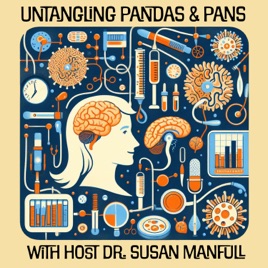
Untangling PANDAS & PANS: Conversations about Infection-Associated, Immune-Mediated Neuropsychiatric Disorders

Advertise on podcast: Untangling PANDAS & PANS: Conversations about Infection-Associated, Immune-Mediated Neuropsychiatric Disorders

Rating
★★★★★
5
from
24 reviews
This podcast has
25 episodes
Language
English
Explicit
No
Date created
2024/04/07
Latest episode
2026/01/25
Average duration
74 min.
Release period
35 days

Description

Hello and welcome to Untangling PANDAS & PANS, a podcast about two relatively unknown medical disorders characterized by the sudden and dramatic onset of obsessions and compulsions, vocal or motor tics, or restricted eating behavior -- and a whole host of other symptoms -- following strep or other bacterial or viral infection. Sometimes overnight.   I have the privilege of interviewing some of the top researchers and clinicians in the rapidly growing field of Infection-Associated, Immune-Mediated Neuropsychiatric Disorders. That’s a mouthful of words that encompasses the strangely named disorders, PANDAS and PANS.My name is Dr. Susan Manfull. I am a social psychologist, the Executive Director of The Alex Manfull Fund, and the mother of Alex Manfull, who died at 26 years old due to PANDAS, a neuropsychiatric disorder my husband and I knew next to nothing about, certainly not that our daughter could die from it.PANDAS is an acronym for “Pediatric Autoimmune Neuropsychiatric Disorder Associated with Streptococcus.” This disorder, first defined in 1998 at the National Institute of Mental Health, describes the acute and dramatic onset of obsessions and compulsions and/or motor or vocal tics as well as a whole host of neuropsychiatric symptoms in temporal association to a Group A streptococcal infection.  PANS, which stands for Pediatric Acute-onset Neuropsychiatric Syndrome, refers to a similar symptom presentation -- with obsessions and compulsions or restricted eating being the cardinal symptoms -- due to a broader category of triggers (typically bacterial or  viral infections). Both are thought to stem from a dysregulated immune system, probably leading to an over-production of autoantibodies and concomitant excess brain inflammation, particularly in the basal ganglia. Symptoms vary from person to person and range in  severity from mild to severe, and generally have a relapsing and remitting course. With early recognition and correct treatment, these disorders can be successfully treated. Today, it is no longer viewed as a diagnosis limited to the pediatric population.Please stay tuned after each episode to listen to a one-minute public service announcement about PANDAS & PANS and The Alex Manfull Fund.  To learn more, please visit our website: TheAlexManfullFund.org.This content is not intended to be a substitute for professional medical advice, diagnosis, or treatment. Always seek the advice of your physician or other qualified healthcare provider with any questions you may have regarding a medical condition.

Unlock Untangling PANDAS & PANS: Conversations about Infection-Associated, Immune-Mediated Neuropsychiatric Disorders podcast Email contact info,
Listeners & Audience details

Email contact information

Direct podcast contact details

Listeners

Audience numbers & engagement insights

Audience details

Podcast Insights

Podcast episodes

Check latest episodes from Untangling PANDAS & PANS: Conversations about Infection-Associated, Immune-Mediated Neuropsychiatric Disorders podcast


S3 E21: My Eclectic Conversation with Fulvio D'Acquisto, PhD: From Carl Rogers to Immuno-Moodulin
2026/01/25
What if sudden OCD, tics, and food restriction after an infection aren’t “all in the head,” but start with immune cells carrying a biochemical message to the brain? We sit down with Dr. Fulvio d'Acquisto—immunologist, psychotherapist, and founder of affective immunology—to trace the language between emotions, living conditions, and the immune system, and why that conversation can erupt into neuropsychiatric symptoms in PANDAS and PANS. Fulvio introduces Immuno-moodulin (iMood), a small protein produced by T cells, found in higher levels in people with OCD and elevated in PANDAS/PANS. He explains how iMood behaves like an intrinsically disordered protein: it can cluster in blood, cross into the brain, and temporarily disrupt neural communication—then disassemble as triggers fade. That dynamic process mirrors real life: flares during infections, relief during remission, and stubborn persistence in complex cases. We unpack why peripheral therapies—antibiotics, IVIG, and plasmapheresis—can reshape central symptoms, and why response varies based on disease staging rather than a one-size-fits-all pathway. We also explore the bigger map: proteomics that can distinguish PANDAS from controls with striking accuracy, autoimmune conditions that cluster with specific psychiatric diagnoses, and a cautionary tale where “schizophrenia” resolved after immune therapy revealed underlying lupus. Along the way, Fulvio reframes inflammation as a repair system gone repetitive, not an enemy to be extinguished at all costs. And beyond the lab, we talk belonging—how shared meals, genuine dialogue, and community aren’t soft add-ons but active inputs that steady immunity and help people reclaim identity, empathy, and meaning. If you’re curious about immune-brain crosstalk, novel protein targets, and why conversation can be medicine, this deep dive offers science you can hold and stories you’ll remember. Subscribe, share with someone who needs hope, and leave a review to help more families and clinicians find this work. Disclaimer: The views and opinions expressed in this program are those of the speakers and do not necessarily reflect the views or positions of any entities they represent. Credits: Music by Kingsley Durant from his "Convertible" album To learn more about PANDAS and PANS and The Alex Manfull Fund, visit our website: TheAlexManfullFund.org Follow us on: Facebook Instagram LinkedIn
S2 E20: The Alex Manfull Fund Reflects on the Past and Looks to the Future
2026/01/05
The Manfulls open up about losing their daughter, Alex, to complications of PANDAS/PANS—and how that loss became a focused mission to change the way medicine recognizes and treats infection‑triggered neuroimmune disorders. From kitchen‑table grief to national and global collaborations, they map the work that turns confusion into clarity and hope into measurable progress. The Alex Manfull Fund (TAMF) is born. Susan walks through the three pillars that guide TAMF's strategy. Awareness comes alive through 36 Hours in DC, where a standing‑room dinner, a 5K, Hill outreach, and a researcher brunch connect families, clinicians, and scientists. Education and dialogue comprise the centerpiece in the TAMF international symposium in Portsmouth, NH. Championing medical rule‑outs when psychiatric symptoms strike and citing Dartmouth’s Neuroimmune Psychiatric Disorders Program as a model for immune‑informed psychiatry. Research takes center stage with proteomics that distinguish PANDAS sera from healthy  controls, promising a practical biomarker, and with studies exploring the IL‑17/IL‑23 pathway’s role in blood‑brain barrier permeability, OCD, psoriasis, and psoriatic arthritis. They also preview new projects on Lyme interactions at the BBB, tonsils and adenoids as microbial reservoirs, and microbiome signals that may shape onset and flares. Advocacy binds it all together. Susan details TAMF's response to the AAP report that they believe sidelines key literature and harms access to care, and she shares that PANDAS/PANS is advancing toward being eligible within the DoD’s PRMRP—opening a vital funding stream. With NIH cuts stalling trials and lab work, they explain why seed and bridge funding from donors keeps critical studies moving forward so those findings can scale when federal support returns. Along the way, they celebrate young leaders joining their board and a growing, global network committed to faster diagnosis, better treatment, and fewer years lost. Be part of the momentum. Subscribe and share this episode with someone who needs clarity on PANDAS/PANS. Your voice and support move research forward and bring families closer to answers. Disclaimer: The views and opinions expressed in this program are those of the speakers and do not necessarily reflect the views or positions of any entities they represent. Credits: Music by Kingsley Durant from his "Convertible" album To learn more about PANDAS and PANS and The Alex Manfull Fund, visit our website: TheAlexManfullFund.org Follow us on: Facebook Instagram LinkedIn
S2 E19: Rheumatic Clues To Understanding the PANDAS/PANS Puzzle -- A Conversation with Dr. J. Patrick Whelan
2025/10/26
A sore throat that ends in compulsions, tics, and a child who suddenly can’t sleep or attend school sounds improbable—until you hear a pediatric rheumatologist walk through the biology. Dr. J. Patrick Whelan of UCLA sits down with Dr. Susan Manfull, Executive Director of The Alex Manfull Fund, to unpack how infections and the immune system can collide with brain function, producing abrupt-onset OCD, motor and vocal tics, restricted eating, and anxiety that look psychiatric but respond to immunomodulatory treatments. Drawing from a variety of sources, including the history of rheumatic fever, the Lancefield classification of streptococci, and modern cases of Multisystem Inflammatory Syndrome in Children (MIS-C). Dr. Whelan explains why PANDAS and PANS challenge old categories and demand a broader clinical lens. We dive into innate versus adaptive immunity, what “autoinflammatory” and “autoimmune” really mean, and why so many affected kids also show signs of immunodeficiency. If routine tests like ASO and anti–DNase B come back normal, does that rule out strep’s role? Not necessarily. Whelan shares how expanded antibody panels, trial responses to antibiotics or anti-inflammatories, and careful history-taking can reveal an immune trigger that standard workups miss. He also outlines the practical steps that matter right now: restore sleep, get moving, stabilize nutrition, and build companionship—simple interventions that reduce pain amplification and calm a dysregulated nervous system. Finally, we talk about why “listening to the patient” often illuminates key clues to understanding the case.   If you care about pediatric mental health, infection-associated neuroimmune disorders, or how medicine evolves when data and curiosity meet, you’ll find both science and solace here. If this resonates, follow the show, share with someone who needs it, and leave a review to help more families and clinicians find these insights. Disclaimer: The views and opinions expressed in this program are those of the speakers and do not necessarily reflect the views or positions of any entities they represent. Credits: Music by Kingsley Durant from his "Convertible" album To learn more about PANDAS and PANS and The Alex Manfull Fund, visit our website: TheAlexManfullFund.org Follow us on: Facebook Instagram LinkedIn
S2 E18: My Conversation with Dr. Mikki Tal about How She Is Revolutionizing Our Understanding of Infection-Associated Chronic Illness
2025/09/28
What makes some people vulnerable to devastating chronic illness after infections that most recover from easily? Dr. Michal "Mikki" Tal, pioneering immunoengineer at MIT, is tackling this question through her groundbreaking Maestro study - the largest clinical research project currently underway at the prestigious institution. Personal tragedy fuels Dr. Tal's scientific mission. After losing both an uncle to HIV/AIDS and a cousin to meningococcal meningitis, she developed a profound respect for infectious diseases and determination to understand immune system dysfunction. Now, her research examines why infection-associated chronic illnesses like Long COVID and chronic Lyme disease disproportionately affect women, what biological mechanisms prevent recovery, and how we might predict who's at risk. The conversation explores fascinating biological concepts, including how our immune cells recognize "eat me" versus "don't eat me" signals, and how some pathogens have evolved to manipulate these systems. Dr. Tal introduces her powerful metaphor: "If you took a bacterial road to Rome or a viral road to Rome, once you're in Rome, does it matter anymore how you got there?" This question frames her approach to understanding whether treatment should focus on the triggering infection or the resulting immune dysfunction. Dr. Tal advocates for a revolutionary "systems medicine" approach that bridges traditional medical specialties to address complex conditions. Her research employs cutting-edge techniques to objectively measure everything from blood vessel appearance to cognitive function, seeking patterns that might predict or explain chronic illness development. Most exciting are the preliminary findings showing significant cognitive impacts, particularly in reaction time, that could immediately inform clinical care. The Maestro study continues seeking participants, particularly those newly diagnosed with Lyme disease. By examining genetics, microbiome, immune responses, and countless other variables simultaneously, Dr. Tal hopes to finally unlock the mystery of why some people can't bounce back from infections - and how we might help them recover. If you've recently been diagnosed with Lyme disease, consider participating in this groundbreaking research that could change medicine's understanding of chronic illness forever. Disclaimer: The views and opinions expressed in this program are those of the speakers and do not necessarily reflect the views or positions of any entities they represent. Credits: Music by Kingsley Durant from his "Convertible" album To learn more about PANDAS and PANS and The Alex Manfull Fund, visit our website: TheAlexManfullFund.org Follow us on: Facebook Instagram LinkedIn
S2 E17: Sheilah Gauch Offers Eight Tips for Students with PANS and their Parents on How to Successfully Transition to College...or Anywhere Else
2025/08/31
Transitioning to college marks a significant milestone for any young adult, but for those with PANS/PANDAS, this journey demands unique preparation and understanding. In this illuminating conversation, Dr. Susan Manfull welcomes Sheila Gauch, Principal and Clinical Director of Dearborn Academy, who brings both professional expertise and profound personal experience to the table. Gauch, whose own college experience as an all-American swimmer was derailed by what she believes now was undiagnosed PANS symptoms, shares eight critical strategies each—for parents and for students—that transform the college transition from daunting to doable. Her guidance stems from both professional wisdom and her journey supporting two college-age children with PANS. For parents, the process begins with helping their children truly understand their condition's immune-mediated nature, recognizing how different it is from primary psychiatric disorders. This knowledge becomes crucial when students need to advocate for themselves in college health centers where PANS/PANDAS awareness may be limited. Equally important is parents understanding their own stress responses, often shaped by years of hypervigilance and advocacy. "I think caregiver stress and trauma, particularly with PANS families, is so ingrained," Gauch explains, comparing it to "a frog in a pot of boiling water—you don't realize you're boiling alive." Learning to manage this response becomes essential when letting children navigate college independently. For students, success hinges on understanding how stress triggers inflammation, potentially causing symptom flares. They must become attuned to their bodies, practice effective coping strategies, and embrace self-advocacy—particularly when accessing disability support services. Perhaps most challenging is learning to accept imperfection and mistakes, especially difficult for those with perfectionistic OCD tendencies. Gauch also introduces the Everest Program, a comprehensive coaching service helping students bridge the gap between high school structure and collegiate independence through academic, clinical, and transition support. Whether you're a parent preparing to launch your child or a student planning your college journey, this episode offers practical wisdom for navigating this significant transition while managing PANS/PANDAS. Ready to build that bridge to college success? Listen now and discover how to transform challenges into stepping stones toward independence. Disclaimer: The views and opinions expressed in this program are those of the speakers and do not necessarily reflect the views or positions of any entities they represent. Credits: Music by Kingsley Durant from his "Convertible" album To learn more about PANDAS and PANS and The Alex Manfull Fund, visit our website: TheAlexManfullFund.org Follow us on: Facebook Instagram LinkedIn
S2 E16: Dr. Andrew Baumel: One Pediatrician's Journey to Include Mild Cases of PANDAS/PANS into his Everyday Practice
2025/07/27
Dr. Andrew Baumel's story reveals how curiosity, compassion, and clinical observation can lead to breakthrough care for children suffering from immune-mediated neuropsychiatric disorders. After 18 years as a traditional pediatrician, Dr. Baumel's professional trajectory changed dramatically when a parent asked if he knew anything about PANDAS. Though initially somewhat skeptical, attending an educational lecture with the parent in 2014 convinced him this was a genuine medical condition affecting children's brains following infections. Fast forward, he has now treated over 300 patients with mild to moderate cases of PANDAS and PANS using straightforward medical approaches in his regular pediatric practice. Dr. Baumel shares fascinating clinical insights, including his identification of "protopans" – early, limited symptoms following infections that, when treated promptly, appears to prevent progression to full-blown disorders.  "I have a regular practice of 1500 kids, ages 0 to 23 years. I just incorporate these [mild cases of] PANS/PANDAS into my regular practice as my regular patients. This is doable," Dr Baumel said. Dr. Baumel offers thoughtful perspective on why acceptance of PANDAS/PANS has been slow, drawing parallels to historical medical discoveries that initially faced skepticism before becoming standard practice. Link to video of 2014 PANDAS Doctor's Breakfast that Dr. Baumel mentioned in this podcast: https://aspire.care/videos/qa-breakfast-for-doctors-featuring-national-pans-pandas-expert-panel-nepans-2014/  (Aspire website) Disclaimer: The views and opinions expressed in this program are those of the speakers and do not necessarily reflect the views or positions of any entities they represent. Credits: Music by Kingsley Durant from his "Convertible" album To learn more about PANDAS and PANS and The Alex Manfull Fund, visit our website: TheAlexManfullFund.org Follow us on: Facebook Instagram LinkedIn
S2 E15: Science Under Siege: A conversation with Dr. Uğur Akcan and Dr. Dritan Agalliu about PANDAS Research, NIH Cuts, and the Power of Community
2025/06/30
How does a common strep infection become a brain disorder? Dr. Uğur Akcan's journey from Istanbul to the cutting edge of PANDAS research with Dr. Dritan Agalliu reveals the fascinating intersection of immune system and brain function that could transform how we understand and treat neuropsychiatric disorders. In this captivating conversation, Dr. Akcan shares his research path from studying complement levels in patients with bipolar disorder to pioneering work on the blood-brain barrier, ultimately contributing to groundbreaking discoveries about PANDAS and PANS in the Agalliu Lab at Columbia University. With remarkable clarity, he explains how mutations in the RxRA gene may explain why only some children develop these disorders after streptococcal infections, and how microglia—the brain's immune cells—fail to properly regulate neuroinflammation when this gene is compromised. The discussion takes an unexpected turn as we learn how Dr. Akcan's vital research was nearly derailed in March 2025 by sudden NIH funding cuts directed by the Trump administration at Columbia. In a dramatic development, the PANDAS/PANS community rallied to save his position through a GoFundMe campaign, demonstrating the powerful connection between affected families and researchers working to solve this medical mystery. Beyond the scientific discoveries, Dr. Akcan's personal story reflects the qualities that drive medical breakthroughs: curiosity about why peripheral infections trigger brain symptoms, perseverance through research challenges, and passion for helping those affected by these devastating disorders. His development of a 3D blood-brain barrier model and investigations into Th17 cells represent frontier science with real-world implications for treatment. When Dr. Akcan is not in the lab, you may find him watching football, rooting for his favorite team, Galatasaray, or spending time with his wife and young child. Dr. Agalliu also joins me to discuss how the NIH funding cuts have affected his lab. Support Dr. Akcan's  crucial PANDAS/PANS research by visiting this  GoFundMe page and join the community working to unravel PANDAS and PANS. Your contribution could help transform our understanding of how infections trigger neuropsychiatric symptoms and lead to better treatments for children, adolescents, and young adults suffering from these disorders. Both researchers express deep gratitude to supporters of this work.  The goal is to raise $100,000 to cover Dr Akcan's annual salary and benefits --  only $15, 602 left! Disclaimer: The views and opinions expressed in this program are those of the speakers and do not necessarily reflect the views or positions of any entities they represent. Credits: Music by Kingsley Durant from his "Convertible" album To learn more about PANDAS and PANS and The Alex Manfull Fund, visit our website: TheAlexManfullFund.org Follow us on: Facebook Instagram LinkedIn
S2 E14: When Everything Changes: Jen's Journey with PANS/PANDAS and the Fight to Be Believed
2025/06/01
In this powerful episode of Untangling PANDAS and PANS, host Susan Manfull, PhD sits down with Jen, a resilient young woman whose health took a devastating and mysterious turn in her early twenties. From being taken out of work on a stretcher—twice—to struggling for answers amidst an array of debilitating physical and psychiatric symptoms, Jen shares a deeply personal account of navigating a fragmented medical system while battling PANS/PANDAS and related autoimmune conditions. Jen recounts her long history of strep infections, early signs of neurological distress, misdiagnoses, and the profound impact of being dismissed by the medical community. She opens up about the moment she was finally heard, the diagnosis that changed everything, and her journey toward recovery with IVIG treatment. Now in graduate school and reclaiming her life, Jen offers hope, insight, and advice to others walking a similar path. Disclaimer: The views and opinions expressed in this program are those of the speakers and do not necessarily reflect the views or positions of any entities they represent. Credits: Music by Kingsley Durant from his "Convertible" album To learn more about PANDAS and PANS and The Alex Manfull Fund, visit our website: TheAlexManfullFund.org Follow us on: Facebook Instagram LinkedIn
S2 E13: Understanding the Role of a Psychologist in PANDAS and PANS: A Conversation with Dr. Sarah O'Dor
2025/04/27
In this illuminating conversation, Dr. Sarah O'Dor—Harvard instructor and Director of Research at Massachusetts General Hospital's PANDAS Clinic—reveals how strep infections and other triggers can cause sudden, dramatic psychiatric symptoms in children and young adults. Dr. O'Dor paints a vivid picture of PANDAS (Pediatric Autoimmune Neuropsychiatric Disorder Associated with Streptococcal Infection) and PANS (Pediatric Acute-onset Neuropsychiatric Syndrome), conditions where infections trigger obsessive-compulsive behaviors, tics, restricted eating, and a host of other psychiatric, cognitive, emotional, somatic, and medical symptoms. Through the compelling case of "Ms. K," a six-year-old who developed severe handwashing compulsions following a strep infection, Dr. O'Dor demonstrates how these conditions often go misdiagnosed as traditional psychiatric disorders. The conversation explores the critical role psychologists can play in recognizing these disorders and providing effective treatment. Dr. O'Dor describes how cognitive-behavioral therapy can be adapted for these patients, how families are affected by sudden behavioral changes in their children, and how psychologists can support not just the child but the entire family system. Also very importantly, she emphasizes the need for collaboration between mental health professionals and medical specialists—a multidisciplinary approach reflecting the complex nature of these disorders.  For parents, clinicians, and anyone interested in the fascinating intersection between immunology and mental health, this episode offers a roadmap to better understanding, earlier diagnosis, and more effective treatment. The discussion culminates with reflections on a growing paradigm shift in psychiatry—one that increasingly recognizes the role immune function plays in mental health. Whether you're a healthcare provider, a parent concerned about your child's sudden behavioral changes, or simply curious about emerging understandings of brain-immune connections, this episode will transform how you think about certain psychiatric symptoms.  To read the article reference in the podcast, click here. Disclaimer: The views and opinions expressed in this program are those of the speakers and do not necessarily reflect the views or positions of any entities they represent. Credits: Music by Kingsley Durant from his "Convertible" album To learn more about PANDAS and PANS and The Alex Manfull Fund, visit our website: TheAlexManfullFund.org Follow us on: Facebook Instagram LinkedIn
S2 E12: The Neuropathology of PANDAS/PANS: Dr. Brent Harris Talks about the POND Brain Bank
2025/03/31
This podcast episode features an interview with Dr. Brent Harris, the Director of Neuropathology at Georgetown University where he wears many hats, including overseeing the Georgetown Brain Bank. In 2020, he accepted the brain of Alex Manfull who had died from complications due to PANDAS and, eventually, with the help of The Alex Manfull Fund, established the POND Brain Bank for brains and brain tissue from individuals who had been diagnosed with "PANDAS/PANS and Other Neuroimmune Disorders."  Dr. Harris talks about neuropathology, the role of brain banks in facilitating research on brain disorders, and findings from the first published clinicopathologic case report of a young adult diagnosed with PANDAS. He explains how gliosis, a marker of brain injury found in that case, can occur after a neurological insult and how it might be reversible in some cases; it is not a condition expected to be observed in healthy 26-year-old individuals.  Additionally, he emphasizes the importance of more research and better recognition of conditions like PANDAS/PANS in the medical community to improve diagnosis and treatment. The episode touches on the evolving understanding of these diseases and the critical role of clinical research and education. The POND Brain Bank at Georgetown University https://neurology.georgetown.edu/patientcare/pond-brain-bank/ Clinicopathologic Characteristics of PANDAS in a Young Adult: A Case Report https://karger.com/dne/article/45/6/335/862829/Clinicopathologic-Characteristics-of-PANDAS-in-a Disclaimer: The views and opinions expressed in this program are those of the speakers and do not necessarily reflect the views or positions of any entities they represent. Credits: Music by Kingsley Durant from his "Convertible" album To learn more about PANDAS and PANS and The Alex Manfull Fund, visit our website: TheAlexManfullFund.org Follow us on: Facebook Instagram LinkedIn
S2 E11: Physician-Scientist Herb Lachman, MD, Talks about Recent Genetic Observations in PANS: DNA Damage Response Genes
2025/02/23
Dr Herb Lachman is a physician, behavioral geneticist, and professor at the Albert Einstein College of Medicine in New York City.  In his 44 years on the faculty, he has studied the molecular basis of schizophrenia, autism, and the broad category of neurodevelopmental disorders. More recently, a serendipitous inquiry about a major DNA Damage Response Gene, PPMD1, prompted Dr. Lachman to shift his focus to PANS (Pediatric Acute-Onset Neuropsychiatric Syndrome). In the 11th episode of “Untangling PANDAS and PANS,” we discuss some basic information about genetics so that laypersons with an interest in this subject are able to assimilate his findings about DNA damage repair genes and their potentially significant role in neuropsychiatric conditions. These genes not only underscore the complexity of PANS and PANDAS but also point to the multifaceted interplay between genetics and the immune system at the intersection of the brain. Genes are surely Dr. Lachman’s muse. He is quick to acknowledge that his sample sizes are small and biased, but they are nonetheless generating hypotheses to study more fully with larger data sets. The simple question of why, given the ubiquity of Group A Strep, does only a small subset of patients develop PANDAS? Genetic mutations will very likely help to provide answers in the future. To learn more about Dr. Herb Lachman's recent genetics findings on PANS, please refer to these two articles:  https://karger.com/dne/article/doi/10.1159/000541908/914745/Ultrarare-Variants-in-DNA-Damage-Repair-Genes-in https://pubmed.ncbi.nlm.nih.gov/35773312/ Disclaimer: The views and opinions expressed in this program are those of the speakers and do not necessarily reflect the views or positions of any entities they represent. Credits: Music by Kingsley Durant from his "Convertible" album To learn more about PANDAS and PANS and The Alex Manfull Fund, visit our website: TheAlexManfullFund.org Follow us on: Facebook Instagram LinkedIn
S2 E10: Dr. Juliette Madan Explains the Importance of Epidemiological Research on PANDAS & PANS
2025/01/26
Juliette C. Madan, MD, MS wears many hats. Dr. Madan is an Associate Professor of Pediatrics, Psychiatry, Epidemiology, and Quantitative Biomedical Data Science at Geisel School of Medicine at Dartmouth. She is the Clinical Director of the Children’s Environmental Health and Disease Prevention Research Center within Geisel and Dartmouth Hitchcock Medical Center. She is widely recognized for her research in understanding the intestinal microbiome’s role in health and disease and in interventions such as nutritional, probiotic regimens, and fecal matter transplant.  My relationship with Dr. Madan grew out of her role as co-founder of the Psychiatry Immunology and Neurology Group (known as PING) which is now named the Neuroimmune Psychiatric Disorders (NIPD) Clinic, one of only a handful of clinics in the nation devoted to treating PANDAS and PANS in children and adults. That was founded in 2019.  Today, she and Dr. Richard Morse, a neurologist with whom she founded PING, are the co-chairs of The Alex Manfull Fund Scientific and Medical Advisory Board I could have talked to Dr Madan about a multitude of subjects but, for this interview I asked her to wear her Epidemiology hat.  (She promised to return to discuss other areas). Current estimates of the incidence of PANDAS/PANS varies widely from 1 in 46,000 to as high as 1 in 200.  The latter figure is bandied around but it is not based on research, epidemiological or otherwise.  Dr Madan discusses her own recent (2023) research with Dr. Ellen Wald, a highly respected pediatric infectious disease physician, and others on the prevalence of PANDAS and PANS.  Because there were many limitations in that study, she and Dr. Wald are about to conduct an (NIH-supported) epidemiological study to answer the prevalence question using a different methodology,   Dr Madan is a graduate of Brown University School of Medicine, after which she completed a fellowship program in neonatal-perinatal medicine at Tufts University and while at Tufts, completed a master's degree in clinical and translational research. When Dr. Madan is not in her clinic or her lab, look for her on the Connecticut River as she is a passionate rower. She also manages to find time with her ducks and chickens! NOTE: My conversation with Dr. Madan was recorded prior to the December 16, 2024 release of the preliminary clinical report on PANS by The American Academy of Pediatrics (AAP). Disclaimer: The views and opinions expressed in this program are those of the speakers and do not necessarily reflect the views or positions of any entities they represent. Credits: Music by Kingsley Durant from his "Convertible" album To learn more about PANDAS and PANS and The Alex Manfull Fund, visit our website: TheAlexManfullFund.org Follow us on: Facebook Instagram LinkedIn
S1 E9: Dr. Warris Bokhari Vows to Make Healthcare Equitable One Unjust Insurance Denial at a Time
2024/12/29
Dr. Warris Bokhari, CEO and co-founder of the insurance appeals platform Claimable, discusses how the product is helping patients with PANDAS and PANS diagnoses fight denied healthcare claims.  He explains the process of using Claimable to submit comprehensive appeals that cite medical research and leverage State laws, resulting in an 85% success rate on average.  Dr. Mark Pasternack, Chief of Pediatric Infectious Disease at Boston's Massachusetts General Hospital, shares his experiences about the challenges of getting IVIG treatments approved for his patients, highlighting a need for a solution like Claimable.  The discussion cover the impact of healthcare denials on patients and families, as well as the role that advocacy and media attention can play in driving change in the insurance industry. In addition to PANDAS and PANS, Claimable serves adult rheumatology, inflammatory bowel disease (ulcerative colitis and crohn's), and migraine.  Appeal services for PANDAS and PANS patients are currently free.  To learn about Claimable, please visit GetClaimable.com. Disclaimer: The views and opinions expressed in this program are those of the speakers and do not necessarily reflect the views or positions of any entities they represent. Credits: Music by Kingsley Durant from his "Convertible" album To learn more about PANDAS and PANS and The Alex Manfull Fund, visit our website: TheAlexManfullFund.org Follow us on: Facebook Instagram LinkedIn
S1 E8: Dr. Pawel Kiela Discusses the Gut Microbiome, Microglia, and PANDAS
2024/11/24
Pawel Kiela, DVM, PhD currently holds the rank of Professor and has a PANDA endowed chair in Autoimmune Disease Research in the Department of Pediatrics at the University of Arizona Medical School in Tucson. Dr. Kiela is an integral part of the Steele Children’s Research Center which has four integrated branches: basic science, clinical research, clinical care, and teaching to address a range of neuropsychiatric disorders such as PANS, PANDAS, and Sydenham’s Chorea. He is a lead scientist in two Centers of Excellence: Children’s Post-Infectious Autoimmune Encephalopathy and the Daniel Cracciolo Institute for Pediatric Disease Research and the Associate Director of Pediatric Gastroenterology Fellowship Program. Dr. Kiela received his DVM from the Warsaw University of Life Science in Poland and his PhD from the same University and Lund University in Sweden in the developmental physiology of the gastrointestinal tract. His primary research interest is autoimmune and autoinflammatory diseases, especially Crohn’s disease, ulcerative colitis, gut microbiota, mucosal immunology, and extraintestinal manifestations of intestinal inflammation. I am very happy to say that Dr. Kiela, in recent years, has brought  his in-depth understanding of the aforementioned research  areas into the study of PANDAS and PANS. (What good fortune for the PANDAS/PANS community.) When Dr. Kiela isn’t in his lab, you may find him working on his 1962 Airstream travel trailer, a challenging endeavor, he explained as he is essentially bringing his beloved Airstream back to life. This hands-on work keeps his sanity, he joked: “In contrast to the lab work, there are many more opportunities for immediate rewards.” Note: Dr Kiela’s endowed chair has the remarkably coincidental acronym, PANDA, however, in this case stands for “People Acting Now Discover Answers” and is a gift from the Phoenix Women’s Board of the Steele Children’s Research Center. Disclaimer: The views and opinions expressed in this program are those of the speakers and do not necessarily reflect the views or positions of any entities they represent. Credits: Music by Kingsley Durant from his "Convertible" album To learn more about PANDAS and PANS and The Alex Manfull Fund, visit our website: TheAlexManfullFund.org Follow us on: Facebook Instagram LinkedIn
S1 E7: Dr. Tim Ubhi Talks about Treating PANDAS/PANS in the UK at his new London PANS Clinic
2024/09/29
Susan Manfull, PhD crossed the pond to speak with Dr. Tim Ubhi, consultant paediatrician and fellow of the United Kingdom’s Royal College of Paediatrics and Child Health.  Dr. Tim, as his patients call him, has dedicated his life to children’s health, beginning with conducting research on using botulinum toxin to help children with cerebral palsy, work for which he was awarded the prestigious Michael Blacow prize by the Royal College of Paediatrics and Child Health to, currently, focusing on treating children with PANDAS, work that has earned him the deepest gratitude  from his over 1200 patients and their families.  Dr. Ubhi is the founder of the newly established London PANS Clinic and of the Children’s e-hospital in 2013. He is also a founding member of the UK PANS/PANDAS Physicians Network and is also a member of the Scientific and Medical Advisory Board of the European Immunopsychiatry Association (EXPAND). Dr Ubhi talks about what drew him to pediatrics and to PANDAS and PANS, in particular. The conversation veers into some interesting history underscoring how the slow speed with which medicine changes has affected the recognition and treatment of PANDAS and PANS. And yet, he has plowed forward and opened a clinic in London and has plans to train physicians in this field in the northeast of England, collaborate with practitioners outside of the UK, and conduct research using, for example, innovative techniques such pupillometry. And more -- Dr. Ubhi is clearly making extraordinary advances in the UK. Highly respected in his chosen field in the UK and well beyond, he is in demand to speak at conferences, including by The Alex Manfull Fund Symposium on Neuroimmune Psychiatric Disorders where he will join the Clinical Panel to address questions from physicians and other practitioners about treating persons diagnosed with PANDAS and PANS to be held on November 2, 2024 in Portsmouth, New Hampshire.  (For more information, please visit: https://thealexmanfullfund.org/tamf-2024-symposium/ .) Disclaimer: The views and opinions expressed in this program are those of the speakers and do not necessarily reflect the views or positions of any entities they represent. Credits: Music by Kingsley Durant from his "Convertible" album To learn more about PANDAS and PANS and The Alex Manfull Fund, visit our website: TheAlexManfullFund.org Follow us on: Facebook Instagram LinkedIn

Podcast reviews

Read Untangling PANDAS & PANS: Conversations about Infection-Associated, Immune-Mediated Neuropsychiatric Disorders podcast reviews


5 out of 5
24 reviews
★★★★★
JayhawkSunrise 2025/01/02
So informative
This show is awesome for education on PANDAS and PANS. Up to date on many aspects and relevant topics dealing with care and treatment of people with P...
★★★★★
JenAct64 2024/05/20
Untangling PANDAS and PANS
As a PANDAS parent, I am so grateful to Susan and the Alex Manfull Fund for this podcast. Not only is it spreading awareness of these neuroimmune illn...
★★★★★
Daniela-S-S 2024/05/20
Incredibly insightful podcast!!!
Expanding the understanding of neuropsychiatric disorders, and creating a space for rethinking autoimmunity, infection and mental illness.
check all reviews on apple podcasts

Podcast sponsorship advertising

Start advertising on Untangling PANDAS & PANS: Conversations about Infection-Associated, Immune-Mediated Neuropsychiatric Disorders relevant audience podcasts


What do you want to promote?