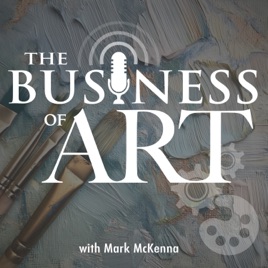
Advertise on podcast: The Business of Art Podcast
Rating
4.9from
This podcast has
33 episodes
Language
EnglishPublisher
Mark McKennaExplicit
No
Date created
2024/04/29
Latest episode
2025/08/19
Average duration
92 min.
Release period
22 days
Description
Welcome to the Business of Art podcast, hosted by Mark McKenna, a full-time artist dedicated to uncovering the secrets of success in the fine arts world. Through insightful interviews with seasoned professionals, Mark shares their stories, tips, and tricks for aspiring artists. Drawing from his own journey—from art education to becoming a provider for his family—Mark offers a roadmap for navigating the challenges and triumphs of the artist's life. Tune in for invaluable advice and inspiration on your path to artistic success.
Unlock The Business of Art Podcast podcast Email contact info,
Listeners & Audience details
Email contact information
Direct podcast contact details

Listeners
Audience numbers & engagement insights

Audience details
Podcast Insights

Podcast episodes
Check latest episodes from The Business of Art Podcast podcast
Episode 32 - How I ‘Dreamed Out Loud’ into a Full-Time Art Career – Amanda Markel
2025/08/19
Looking for help to improve your painting skills? Join my Animal Painting Skool, where I share my entire process and members are seeing incredible results: https://www.skool.com/animal-portrait-painting/about
Amanda’s Links:
Website – https://agmarkel.com/
Instagram – https://www.instagram.com/a.g.markel/
Facebook – https://www.facebook.com/AGMarkelFineArt
Books & Resources Referenced During the Interview:
Atomic Habits: An Easy & Proven Way to Build Good Habits & Break Bad Ones by James Clear The Subtle Art of Not Giving a F*ck: A Counterintuitive Approach to Living a Good Life by Mark Manson The 6 Types of Working Genius: A Better Way to Understand Your Gifts, Your Frustrations, and Your Team by Patrick M.Lencioni
The ONE Thing: The Surprisingly Simple Truth Behind Extraordinary Results by Gary Keller and Jay Papasan
Jordan Peterson Podcast
Slaying the Dragon Within Us
Dunzo
Executive Assistant
https://www.getdunzo.com/
UPWORK
https://upwork.com
Summary
Sculptor Amanda Markel (b. 1994) shares how she went from self-educated beginnings to full-time artist in
2022, developing a signature bronze style that uses intentional negative space to suggest movement, “lost
edges,” and co-creation with the viewer. She describes how constraints in bronze led her to innovate, why
vulnerability and story live inside her pieces, and how that distinct style accelerated recognition.
On the business side, Amanda urges artists to pick a specific goal, reverse-engineer a path, and “dream out
loud”—a practice that directly led to her first large-scale wolf sculpture, then a three-wolf installation at Benson
Sculpture Garden (ultimately installed at 14 feet). She credits community, mentors, and even trusted collectors
for candid feedback, and shares practical systems for staying inspired and consistent.
Takeaways
Choose a specific end goal, then reverse-engineer the steps and timeline to get there—you’ll “collapsetime” versus wandering.
“Dream out loud”: say what you want publicly so others can open doors; that approach led directly toher first monument-scale commission.
Signature style came from embracing constraints of bronze—using negative space, lost edges, andimplied motion to make work identifiably hers.
Telling personal stories in your work helps audiences connect; vulnerability can move people to tearsand build community.
Community is a force multiplier: build mentors, peers, and even collector-friends who’ll give honestfeedback and act like an advisory board.
Treat it like a business: know your ideal client, and optimize channels (galleries vs. shows) to matchyour strengths.
Practical studio systems sustain creativity: finish the day by resetting your space; use tiny “AtomicHabits” steps to build momentum.
Apprenticeship and critique accelerate growth—seek generous teachers and structured feedback loops. Don’t trade passion for money; protect the joy that keeps you creating for the long haul. Art is meaning-making: negative and positive spaces (and life’s highs and lows) both belong; that’s whyart matters to culture.
A clear, distinct style makes you easy to recognize—and speeds up career traction. Real example of momentum: a small wolf became 6.5 ft, which led to a three-wolf commission installedat 14 ft at Benson Sculpture Garden.
Looking for help to improve your painting skills? Join my Animal Painting Skool, where I share my entire process and members are seeing incredible results: https://www.skool.com/animal-portrait-painting/about
Episode 31 - Artist Tyler Murphy on Burnout, Balance, and Building a Better Life
2025/08/12
Looking for help to improve your painting skills? Join my Animal Painting Skool, where I share my entire process and members are seeing incredible results: https://www.skool.com/animal-portrait-painting/about
Tyler’s Links:
Website: https://www.montanagallery.netInstagram: https://www.instagram.com/tylermurphyart/
Summary
In this episode, Mark sits down with Tyler Murphy — painter, entrepreneur, and former gallery co-owner — totalk about the hidden costs of hustling in the art world and why more sales isn’t always the answer. Tyler sharesthe burnout he faced while trying to be both an artist and business owner, and how stepping back from thegallery world helped him find balance, peace, and renewed purpose.
From co-running a successful gallery in Red Lodge, MT to now living intentionally in Billings, MT, Tyleropens up about rethinking success, embracing slow growth, and aligning his work with his personal values. Hetalks about making space for creativity, the mental and emotional toll of overworking, and the freedom thatcame with rebuilding a simpler art business model — one that honors both his personal life and his art.
You’ll hear real insights about creating meaningful work, setting boundaries, and how Tyler turned his artbusiness into something sustainable, soulful, and still profitable.
Takeaways
Success ≠ Hustle: More sales don’t equal a better life if you’re sacrificing health, family, or peace.Burnout Is Real: Tyler faced physical and emotional exhaustion from overworking and managing agallery on top of creating art.Less Can Be More: Simplifying his business model gave Tyler more creative energy and time withfamily.Redefine the Goal: Building a life of purpose and balance matters more than maximizing profit.Build Systems, Not Stress: Tyler now focuses on a slower, steadier approach that’s both sustainableand fulfilling.Artist Identity Crisis: Stepping away from constant production helped him reconnect with what heactually wants to paint.Marketing Authentically: Tyler shares his work in a way that’s rooted in storytelling, not just salestactics.The Power of Presence: Time in nature and daily rhythms feed his creativity more than a packedproduction calendar ever did.
Looking for help to improve your painting skills? Join my Animal Painting Skool, where I share my entire process and members are seeing incredible results: https://www.skool.com/animal-portrait-painting/about
Episode 30 - Joe Kronenberg Interview
2025/07/15
Looking for help to improve your painting skills? Join my Animal Painting Skool, where I share my entire process and members are seeing incredible results: https://www.skool.com/animal-portrait-painting/about
Joe's Links:Website: https://www.kronenbergart.net/Facebook: www.facebook.com/kronenbergartBrush-Hog: www.brush-hog.comInstagram: https://www.instagram.com/joe kronenberg/SummaryIn this episode of the Business of Art podcast, host Mark McKenna interviews artist Joe Kronenberg, who shares his journey from a wildlife artist to a successful oil painter. Joe discusses the evolution of his career, the impact of galleries, and how he adapted his business model during the COVID-19 pandemic. He emphasizes the importance of sales skills for artists and offers practical advice on approaching commissions and building relationships with clients. In this conversation, Mark McKenna and Joe Kronenberg explore the multifaceted world of art, focusing on the importance of building relationships in sales, staying true to one's artistic vision, and the evolution of an artist's style. They discuss the challenges of selling art, the significance of time management, and the balance between creating original works and prints. Joe shares insights on defining success in an artistic career and the importance of continuous growth and learning in the art field.TakeawaysJoe Kronenberg began his artistic journey in second grade, discovering his talent for drawing.He transitioned from pastels to oil painting, which allowed for larger and more expressive works.COVID-19 forced Joe to reassess his reliance on galleries, leading to greater financial success independently.Galleries can provide exposure and access to collectors, but artists should also diversify their income streams.Sales experience is invaluable for artists, helping them navigate commissions and client relationships.Building rapport with clients is crucial; artists should treat potential buyers as friends.Understanding the emotional aspect of art sales can enhance the selling process.Artists should be prepared to quote prices immediately to capitalize on client interest.Creating a positive experience for clients can lead to repeat business and referrals.Effective communication and relationship-building are key to a successful art career. Art serves as a solution to aesthetic problems for clients.Building relationships is key to successful art sales.Artists often sell themselves in everyday interactions.Transitioning from a sale to a commission can be smooth.It's essential to ask for the business without pressure.Artists should paint for themselves, not just for collectors.Artistic styles evolve over time; it's natural and necessary.Time management is crucial for productivity in art.Diversifying sales through prints can reach a broader audience.Success in art is defined by personal growth and fulfillment.Chapters00:00 Introduction to Joe Kronenberg's Artistic Journey02:22 The Evolution of Joe's Artistic Style08:04 Navigating the Gallery Landscape15:15 The Impact of COVID on Art Sales19:38 Sales Strategies for Artists29:09 Approaching Commissions Effectively32:24 The Importance of Immediate Pricing35:01 Pricing Strategies for Art35:49 Navigating Client Interactions39:34 Building Relationships Over Sales43:27 Creating a Comfortable Sales Environment46:54 Art as a Solution to Problems52:46 Staying True to Your Artistic Vision58:59 Evolving as an Artist01:00:24 Establishing a Productive Routine01:01:13 Time Management and Creative Focus01:06:36 Diversifying Art Sales: Prints and Originals01:14:27 Defining Success in an Artistic Career01:22:06 Advice for Emerging Artists: Finding Your path
Looking for help to improve your painting skills? Join my Animal Painting Skool, where I share my entire process and members are seeing incredible results: https://www.skool.com/animal-portrait-painting/about
Episode 29 - Scott Jones Interview
2025/07/01
Looking for help to improve your painting skills? Join my Animal Painting Skool, where I share my entire process and members are seeing incredible results: https://www.skool.com/animal-portrait-painting/about
Episode 29 - Scott Jones - What Galleries Really WantScott's Links:
https://www.facebook.com/scott.jones.73932https://www.instagram.com/scottjonesfineart/
SummaryIn this episode of the Business of Art podcast, host Mark McKenna interviews Scott Jones, an art enthusiast: and former business executive who transitioned Into the art world. Scott shares his journey from collecting art at a young age to managing gallerles and building relationships with artists. He emphasizes the importance of personal connections in the art market, the need for artists to promote themselves online, and the value of newsletters in maintaining collector engagement. Throughout the conversation, Scott provides insights into navigating the art market, the significance of art shows, and the evolving landscape of art sales. In this conversation, Scott Jones and Mark McKenna discuss the essential elements of building a successful art career, emphasizing the importance of consistent communication, strong gallery relationships, and understanding market dynamics. They explore the significance of managing expectations, the role of geography and seasonality in art sales, and the evolving role of galleries in promoting artists. The discussion also highlights the importance of networking and relationship building, providing valuable insights and parting wisdom for artists looking to thrive in the art industry.art, business, collecting, galleries, artist relationships, marketing, online presence, newsletters, art shows, personal connection, art communication, gallery relationships, artist success, market dynamics, art sales, networking, artist advice, art industry, artist promotion, art marketingTakeawaysScott Jones has been passionate about art since age 15.He transitioned from a business career to the art world.Art shows are vital for networking and collecting.Building relationships with artists enhances the collecting experience.Personal connections with artists add value to the artwork.The art market requires a blend of creativity and business acumen.Artists should actively promote themselves online.Newsletters are crucial for maintaining collector engagement.Small venues can provide significant opportunities for artists.Continuous improvement is essential for long-term success. Do your homework and choose the right platform for communication.Consistent communication, like newsletters, keeps artists connected with their audience.Managing expectations is crucial for successful gallery relationships.Artists should strive for consistency In their work for long-term success.Understanding market dynamics, including seasonality, is vital for artists.Galleries still play an essential role in an artist's career.Networking and building relationships can lead to more opportunities.Artists should be prepared to showcase their work at any moment.The right piece must meet the right person at the right time for a sale.Artists can achieve success by debunking the starving artist myth.
Looking for help to improve your painting skills? Join my Animal Painting Skool, where I share my entire process and members are seeing incredible results: https://www.skool.com/animal-portrait-painting/about
Episode 28 - Morgan Weistling Interview
2025/03/18
Looking for help to improve your painting skills? Join my Animal Painting Skool, where I share my entire process and members are seeing incredible results: https://www.skool.com/animal-portrait-painting/about
Morgan’s Links:
http://morganweistling.com/https://www.proko.com/course/painting-without-a-brainhttps://www.instagram.com/weistling/https://www.facebook.com/morganweistlingfineart
Summary
In this episode of the Business of Art podcast, host Mark McKenna interviews renowned artist MorganWeistling, who shares his extensive journey in the art world. From his early influences and formal training tohis transition into Hollywood illustration, Morgan discusses the challenges and lessons learned throughout hiscareer. He emphasizes the importance of hard work, taking direction, and the reality of being an artist.Morgan also delves into his creative process, the effort that goes into each painting, and the joy of creating artfor others to appreciate. In this conversation, Morgan Weistling shares insights into the life of a visual artist,discussing the advantages of being able to showcase work quickly compared to other art forms. He delves intohis artistic process, emphasizing the importance of feedback and critique, and reflects on his transition fromillustration to fine art, highlighting the challenges and rewards of this journey. In this conversation, MorganWeistling shares his journey from illustration to fine art, discussing the challenges and realities of making thistransition. He reflects on the impact of AI on the art world, expressing concerns about the devaluation oforiginal artwork and the oversaturation of imagery. Weistling emphasizes the importance of adaptability forartists in the face of changing industry dynamics and offers advice for aspiring artists, highlighting the value oflearning traditional skills and maintaining a positive outlook despite challenges.
Takeaways
Morgan was born into a family that encouraged his artistic pursuits.He received formal training at the Brandes Art Institute under Fred Fixler.Morgan transitioned from Hollywood illustration to fine art in 1998.He emphasizes the importance of storytelling in his artwork.Morgan learned valuable skills from his time as a Hollywood illustrator.He believes in the necessity of hard work and dedication in art.Morgan stresses the importance of taking direction and criticism.He creates detailed and narrative-driven paintings.Morgan's creative process involves extensive planning and preparation.He finds joy in creating art that others can appreciate.Being a visual artist allows for quick showcasing of work.The artistic process involves meticulous planning and execution.Feedback from trusted sources is crucial for artistic growth.Transitioning from illustration to fine art can be challenging but rewarding.Understanding the market and pricing your work appropriately is essential.Artistic vision develops through years of study and influence.Surrendering a painting means accepting it as complete, despite ongoing dissatisfaction.Using tools like mirrors can help artists gain perspective on their work.The journey of an artist is often a chase for satisfaction and improvement.Collaboration and critique can enhance artistic development.Fame in the art world does not always equate to financial success.AI is a significant disruptor in the art industry, affecting the value of original works.The oversaturation of imagery has devalued prints and original art alike.Artists must adapt to survive in a changing landscape.
Learning traditional art skills remains valuable, regardless of industry changes.Creativity extends beyond the canvas; it includes problem-solving in life.Aspiring artists should not give up on their dreams despite challenges.There is still hope for artists who strive for excellence.
Having a day job while pursuing art can provide financial stability.
Improve your painting: https://www.skool.com/animal-portrait-painting/about
Episode 27 - Paul Rhymer Interview
2025/02/18
Looking for help to improve your painting skills? Join my Animal Painting Skool, where I share my entire process and members are seeing incredible results:
Paul’s Links:
https://paulrhymer.comhttps://www.instagram.com/rhymerstudio/https://www.facebook.com/PaulRhymerStudio
Summary
In this episode of the Business of Art podcast, host Mark McKenna interviews renowned wildlife sculptor PaulRhymer. They discuss Paul's artistic journey, from his early influences and experiences at the Smithsonian to histransition into full-time sculpture. Paul shares insights on navigating the art world, building connections, and theimportance of community and mentorship among artists. His story highlights the generosity of the art communityand the value of learning from others in the field. In this conversation, Paul Rhymer discusses the significance ofmentorship in the art world, the challenges of establishing an artistic identity, and the complexities of navigating thebusiness side of art. He emphasizes the importance of hard work, resilience, and finding creative solutions toproblems. Rhymer also shares insights on leveraging social media for artistic promotion and the necessity ofbuilding strong relationships with galleries to ensure mutual success. In this conversation, Paul Rhymer discussesthe significance of relationships in the art world, particularly with galleries and foundries. He shares insights onnavigating the foundry process, the challenges faced by foundries today, and the importance of building trust withthem. Rhymer also reflects on the artist's journey, market isolation, and the generosity of the art community,emphasizing that the effort put into these relationships can lead to greater rewards in one's artistic career.
Takeaways
Paul Rhymer's artistic journey began with a family background in art.His experience at the Smithsonian shaped his skills in taxidermy and sculpture.Transitioning from illustration to sculpture was a significant turning point for Paul.Building connections in the art world is a gradual process that requires patience.Mentorship plays a crucial role in an artist's development and success.The wildlife art community is known for its generosity and support among artists.Paul emphasizes the importance of being open to feedback and learning from others.Artistic growth often comes from collaboration and sharing experiences with peers.Finding a balance between professional work and personal artistic expression is essential.Community organizations and societies provide valuable networking opportunities for artists.Mentorship plays a crucial role in an artist's development.Artistic identity is shaped by influences and experiences.Navigating the business side of art can be challenging.Hard work often outweighs natural talent in achieving success.Finding motivation is essential for artistic growth.Social media can be a valuable tool for artists.Building trust with galleries is vital for long-term success.Artists should strive to be distinctive in their work.Resilience is key in overcoming obstacles in the art world.Creative problem-solving can enhance an artist's marketability.The art world is highly interconnected, making relationships crucial.Recommendations from other artists can lead to gallery opportunities.Trust is essential in business relationships within the art community.Visiting foundries can provide valuable insights for sculptors.Labor shortages are a significant challenge for foundries today.Building trust with foundries can lead to better service and outcomes.Shipping costs can be a major expense for artists selling out of state.Maintaining relationships with galleries is vital for success.Listening to feedback from the public can improve artistic work.The art journey is enriched by community involvement and generosity.
Paul Rhymer, wildlife sculpture, art community, mentorship, taxidermy, Smithsonian, art career, artist connections,bronze sculpture, wildlife art, art mentorship
Episode 26 - Dave LaMure Jr Interview
2025/02/04
Looking for help to improve your painting skills? Join my Animal Painting Skool, where I share my entire process and members are seeing incredible results:
Dave’s Links
https://davelamurejr.comhttps://www.instagram.com/davelamurejrhttps://www.facebook.com/davelamurejr
Summary
In this episode of the Business of Art podcast, host Mark McKenna interviews sculptor Dave LaMure Jr., whoshares his journey as a full-time artist. From his early inspirations in clay to his philosophy on wildlife art, Davediscusses the challenges and triumphs of his artistic career. He reflects on the importance of embracing risks,the evolution of his work from pottery to sculpture, and the deep connection he feels with nature through hisart. In this conversation, Dave LaMure Jr. shares his artistic journey, emphasizing the metaphor of alteration inboth art and life. He discusses the balance between creativity and the business side of being an artist,particularly the challenges of working with foundries. Dave offers advice for aspiring sculptors, highlighting theimportance of perseverance and creativity in overcoming obstacles. He also shares his experiences in sellingart and the complexities of public perception regarding different art forms. In this conversation, MarkMcKenna and Dave LaMure Jr. explore the journey of an artist, emphasizing the importance of connection,constructive criticism, and continuous learning. They discuss practical steps for aspiring sculptors, thesignificance of vulnerability in receiving feedback, and the value of persistence in navigating the art world. Thedialogue is rich with personal anecdotes and insights, providing a roadmap for artists seeking to grow andsucceed in their craft.
Takeaways
Dave LaMure Jr. is a full-time sculptor and painter.He has been working with clay since he was 12 years old.Wildlife is a pinnacle of nature and inspires his work.Art can be a way to articulate feelings that are hard to express.Embracing risks in art can lead to significant growth.The journey of an artist often involves overcoming personal challenges.Creativity can be a timeless and blissful experience.Selling his pottery for gas money marked the start of his business journey.Artistic evolution is a natural process for an artist.Curiosity and innovation are essential for artistic development.Art is a metaphor for personal alteration.Creativity often emerges from mistakes.The foundry process is complex and requires patience.Aspiring artists should focus on sculpting and learning.Imagination is crucial for artistic success.Challenges can lead to greater creativity.Selling art involves personal connection and visibility.Joining art societies can enhance credibility.Public perception of art varies significantly.Balancing business and creativity is an ongoing challenge.Collectors are the best gift for artists.Engage with other artists for valuable critiques.Constructive criticism is essential for growth.Continuous learning through workshops is vital.Vulnerability is key to receiving feedback.
Seek out qualified critics for your work.Persistence in applying to shows leads to opportunities.Unexpected opportunities often arise from shows.Attraction rather than promotion works in galleries.Follow your own interests for true satisfaction.
Looking for help to improve your painting skills? Join my Animal Painting Skool, where I share my entire process and members are seeing incredible results:
Episode 25 - Adam Clague Interview
2025/01/21
Looking for help to improve your painting skills? Join my Animal Painting Skool, where I share my entire process and members are seeing incredible results: https://www.skool.com/animal-portrait-painting/about
Adam’s Links: https://claguefineart.com https://facebook.com/claguefineart https://instagram/clague_fine_artSummaryIn this episode of the Business of Art podcast, host Mark McKenna interviews accomplished painter Adam Clague, who shares his journey from childhood artistic influences to becoming a full-time artist. Adam discusses the importance of education, overcoming early challenges, and the necessity of thinking beyond local markets to achieve success. He emphasizes the role of social media in promoting art, the value of entering competitions, and the shift from gallery representation to online sales. Adam also highlights the significance of diversifying income streams through workshops and online courses, providing insights into effective marketing strategies for artists. In this conversation, Mark Adam discuss the multifaceted journey of being an artist, emphasizing the importance of marketing, finding a niche, and balancing creative passion with financial needs. They explore the evolution of artistic focus, the significance of teaching and sharing knowledge, and effective sales strategies for artists. The dialogue highlights the challenges artists face and the necessity of connecting with an audience to ensure their work is appreciated and valued. In this conversation, they discuss the multifaceted journey of being an artist, including the importance of creating a positive customer experience, navigating scams, learning from mistakes, and best practices for commissions. They also share key advice for aspiring artists, emphasizing the significance of marketing, finding balance between work and family, and the role of faith in their artistic journeys.Takeaways• Adam Clague is a highly accomplished fine art oil painter.• He always had a passion for art from a young age.• Education played a crucial role in his artistic development.• Overcoming the 'starving artist' stereotype was a challenge.• Thinking beyond local markets is essential for success.• Social media is a powerful tool for artists to gain exposure.• Entering competitions can lead to valuable opportunities.• Transitioning from galleries to online sales can be beneficial.• Authenticity in social media engagement resonates with audiences.• Diversifying income streams is key to sustaining an art career. Marketing is essential for artists tosucceed.• Take marketing one step at a time to avoid overwhelm.• Creativity extends beyond just making art; it includes marketing.• Finding a niche can lead to greater success in sales.• Artists should seek beauty in unexpected places for inspiration.• Balancing passion with market demand is crucial for sustainability.• Every artist needs an audience to thrive.• The heart behind art and marketing matters.• Outsourcing tasks can free up time for creativity.• Creating a pleasant purchasing experience encourages repeat customers. Creating a positive customerexperience is crucial.• Being an artist involves ups and downs.• Mistakes are valuable learning experiences.• Identifying genuine customers helps avoid scams. • Having a clear process for commissions is essential.• Marketing is a significant part of being an artist.• Trial and error is normal in the artistic journey.• Finding work-life balance prevents burnout.• Faith can provide guidance and reassurance.• Effort and persistence lead to success.
Looking for help to improve your painting skills? Join my Animal Painting Skool, where I share my entire process and members are seeing incredible results: https://www.skool.com/animal-portrait-painting/about
Episode 24 - Gladys Roldan de Moras Interview
2025/01/07
Looking for help to improve your painting skills? Join my Animal Painting Skool, where I share my entire process and members are seeing incredible results: https://www.skool.com/animal-portrait-painting/about
Gladys’ Links:
https://www.roldandemoras.comhttps://www.facebook.com/whatsonmyeaselhttps://www.instagram.com/roldandemoras/
Keywords
Gladys Roldan-de-Moras, art, charrería, painting, fine art, cultural representation, Western art,mentorship, family support, artist journey, recognition, teaching art, creativity, passion, art business,community, resilience, artist mentorship, handling rejection, self-belief, lifelong learning, oil painting,figurative art, equine art
Summary
In this episode of the Business of Art podcast, host Mark McKenna interviews artist Gladys Roldan-de-Moras, who shares her journey from studying medicine to becoming a celebrated artist known for herrepresentation of Spanish and Mexican traditions in Western art. Gladys discusses the challenges shefaced, including family expectations, the importance of mentorship, and her commitment to accuratelyportraying cultural elements in her work. She emphasizes the significance of believing in oneself, thevalue of teaching, and the ongoing journey of learning as an artist. In this conversation, Gladys Roldan-de-Moras shares her journey as an artist, emphasizing the importance of embracing art at any age, thelifelong passion for creativity, and the challenges of navigating the art business. She discusses thesignificance of community support, overcoming rejection, and the necessity of believing in oneself andone's dreams. Throughout the dialogue, she highlights the value of mentorship and the idea that there isroom for everyone in the art world, encouraging artists to invest in their growth and to give back to thecommunity.
Takeaways
Gladys transitioned from a potential medical career to pursuing art.Support from her husband was crucial in her artistic journey.She found her unique voice by painting what she loves.Cultural representation in art is vital and requires understanding.Charrería has strict guidelines that artists must respect.Family expectations can be challenging for aspiring artists.Recognition in art can take years but is rewarding when it comes.Teaching has been a significant part of her growth as an artist.Perseverance and self-belief are essential for success in art.Gladys encourages aspiring artists to follow their passion while being realistic.Art can be pursued at any age, and maturity can enhance creativity.A lifelong passion for art can lead to continuous learning and excitement.Investing in advertisement is crucial for an artist's visibility.Building a support system is essential for overcoming challenges in the art business.Rejection is a part of the artistic journey; resilience is key.Finding a community of supportive artists can foster growth and encouragement.Believing in oneself is fundamental to achieving artistic dreams.The journey of an artist is often filled with surprises and unexpected paths.Giving back to the community enriches both the giver and the receiver.There is enough space in the art world for everyone to thrive.
Looking for help to improve your painting skills? Join my Animal Painting Skool, where I share my entire process and members are seeing incredible results: https://www.skool.com/animal-portrait-painting/about
Episode 23 - Finding and Working With Galleries
2024/12/24
Looking for help to improve your painting skills? Join my Animal Painting Skool, where I share my entire process and members are seeing incredible results: https://www.skool.com/animal-portrait-painting/about
Other links
linktr.ee/businessof_art
Summary
In this episode of the Business of Art podcast, Mark McKenna discusses the intricacies ofgallery representation for fine artists. He emphasizes the importance of building mutuallybeneficial relationships with galleries, weighing the pros and cons of such partnerships,and providing insights on how to find the right gallery, navigate the application process, andmaintain a strong relationship once represented. McKenna shares personal experiencesand practical advice to help artists succeed in the competitive art world.
Takeaways
The goal of working with galleries is a mutually beneficial relationship.Galleries provide increased exposure and access to established client bases.Commission fees for galleries typically range from 40% to 50%.Artists may lose some control over pricing and presentation when represented by agallery.Researching galleries eOectively is crucial before applying for representation.Handling rejection gracefully is important for maintaining professional relationships.Clear communication is key to a successful gallery partnership.Finding a gallery that aligns with your artistic vision is essential.Artists should be prepared to meet the expectations of their galleries.Maintaining a strong relationship with a gallery requires ongoing eOort andprofessionalism.
Looking for help to improve your painting skills? Join my Animal Painting Skool, where I share my entire process and members are seeing incredible results: https://www.skool.com/animal-portrait-painting/about
Episode 22 - Greg Denning & Mark McKenna Interview
2024/12/10
Looking for help to improve your painting skills? Join my Animal Painting Skool, where I share my entire process and members are seeing incredible results: https://www.skool.com/animal-portrait-painting/about
Greg Denning’s Links
https://www.youtube.com/@GregDenninghttps://open.spotify.com/show/2l55cUnC74t9mbkacj1mtHhttps://courses.extraordinaryfamilylife.com
Summary
In this episode of the The Business of Art podcast, Mark McKenna is interviewed by Greg Denning,sharing his journey from a when he was a young art enthusiast to now as a renowned wildlife painter.Mark discusses the importance of mastery in art, the role of supportive family and mentors, and theimpact of exposure to great artists for his growth. He also reflects on the challenges of navigating acareer in art, the fear of being a ‘starving artist,’ and the eventual decision to pursue teaching as a meansto support his family while continuing to develop his artistic skills. --Mark McKenna shares his artisticjourney, detailing how he rediscovered his passion for oil painting after years of focusing on digital art. Hediscusses the pivotal moments that shaped his career, including teaching art, winning awards, andtransitioning to a full-time artist. Mark emphasizes the importance of community, mentorship, and thecontinuous pursuit of mastery in both art and life. He encourages listeners to embrace the process ofgrowth and to find joy in the challenges of their creative endeavors.
Takeaways
Mark's journey in art began at a young age.Supportive family and mentors play a crucial role in artistic development.Mastery in art is a continuous journey, not a destination.Exposure to great artists can inspire and elevate one's own work.The identity of being an artist can shape one's life choices.Repetition and practice are key to developing artistic skills.Creative processes often involve using technology and reference materials.Navigating career choices in art can be challenging but rewarding.Teaching art can provide stability while pursuing personal artistic goals.The journey of becoming an artist is as fulfilling as the art itself.Rediscovering oil painting can reignite passion for art.Teaching can provide the stability needed to pursue creative passions.Artistic growth often comes from embracing challenges and failures.Community support in the art world fosters collaboration and friendship.Winning awards can validate an artist's journey and open new opportunities.Pursuing workshops with established artists can significantly improve skills.Transitioning to full-time art requires careful planning and confidence.Balancing a teaching career with art can be demanding but rewarding.Exploring different artistic styles can lead to personal fulfillment.Mastery in life involves continuous learning and embracing the journey.KeywordsMark McKenna, Greg Denning, Formidable Family Man, art journey, path to mastery, wildlife painting,exposure to greatness, career choices, teaching art, family support, artistic growth, creative process, art,oil painting, wildlife art, artistic journey, personal growth, teaching, creativity, mastery, art community,mentorship
Looking for help to improve your painting skills? Join my Animal Painting Skool, where I share my entire process and members are seeing incredible results: https://www.skool.com/animal-portrait-painting/about
Episode 21 - Troy Black Interview
2024/11/26
Looking for help to improve your painting skills? Join my Animal Painting Skool, where I share my entire process and members are seeing incredible results: https://www.skool.com/animal-portrait-painting/about
Troy’s Links
http://auctionsbyblack.net/https://www.facebook.com/troy.black.737https://www.instagram.com/auctionsbyblack/
Summary
In this episode of the Business of Art podcast, host Mark McKenna interviews Troy Black, aseasoned auctioneer with over 30 years of experience in the art auction industry. Troyshares his journey into auctioneering, the importance of building relationships with artistsand collectors, and the emotional dynamics of auctions. He discusses the factors thatinfluence auction success, the psychology behind bidding, and the role of energy increating an engaging auction experience. Troy also explains the compensation models forauctioneers and the significance of setting realistic reserves for artworks. In thisconversation, Troy Black and Mark McKenna delve into the evolving landscape of artauctions and their impact on artists and collectors. They discuss how auctions provideopportunities for artists to reach a wider audience, the emotional highs and lowsexperienced during auctions, and the strategic considerations artists should keep in mindregarding the size of their works. The dialogue emphasizes the importance of auctions inbuilding an artist's career and the long-term benefits of engaging with collectors, even atlower price points. In this conversation, Mark McKenna and Troy Black discuss thedynamics of the art market, focusing on the importance of nurturing new collectors, theimpact of election years on art sales, and the trends that influence collector behavior. Theyemphasize the need for emerging artists to adopt an abundant mindset, engage with thecommunity, and seek mentorship to navigate their careers successfully. The discussionhighlights the significance of relationships in the art world and the joy of creating artwithout the pressure of market fluctuations.
Takeaways
Troy Black is a second-generation auctioneer with extensive experience.Building relationships with artists is crucial for auction success.The emotional rollercoaster of auctions affects both artists and buyers.Not every piece of art is a masterpiece; quality varies.Setting realistic reserves is key to successful auctions.The psychology of bidding plays a significant role in auctions.Auctioneers must create excitement to engage the audience.Bid spotters are essential for enhancing the auction experience.Energy levels in the room can dramatically impact bidding behavior.Compensation models for auctioneers can vary based on performance.Art auctions provide a chance for collectors to find good deals.The emotional experience of auctions can be intense for artists.Smaller art pieces can appeal to a broader audience.Emerging artists can benefit from exposure at auctions.The auction environment can create excitement and competition.Pricing strategies are crucial for artists participating in auctions.Building relationships in the art world is essential for success.Collectors appreciate the story behind their art purchases.Art auctions can help establish a collector base for new artists.It's important for artists to consider the size of their works.Emerging artists should focus on nurturing new collectors.The art market can be influenced by external factors like elections.An abundant mindset is crucial for artists.Building relationships in the art community is essential.Artists should create accessible pieces for new collectors.Market volatility can lead to shifts in collector behavior.Collectors often follow trends set by their peers.Having fun in the creative process enhances the quality of work.Mentorship can provide valuable guidance for emerging artists.Patience and persistence are key in building an art career.
Episode 20 - David Frederick Riley Interview
2024/11/12
Looking for help to improve your painting skills? Join my Animal Painting Skool, where I share my entire process and members are seeing incredible results: https://www.skool.com/animal-portrait-painting/about
Dave’s Links
https://www.davidfrederickriley.comhttps://www.instagram.com/davidrileyart/https://www.facebook.com/DavidFrederickRiley/
Summary
In this episode of the Business of Art podcast, host Mark McKenna interviewscontemporary wildlife painter David Frederick Riley. David shares his artistic journey, fromhis early influences and education to his transition from illustration to fine art. Hediscusses the importance of personal development and mindset shifts that propelled himtowards success. David's breakthrough came with his wildlife portraits, leading to aflourishing art career and gallery representation. The conversation highlights thechallenges and triumphs of being a professional artist in today's market. In thisconversation, David Frederick Riley shares his journey as an artist, discussing thechallenges and strategies he employed to navigate the art world. He emphasizes theimportance of mindset, daily routines, and taking responsibility for one's artistic journey.Riley also highlights the balance between production and personal life, and the need tofind a unique approach to art that resonates with both the artist and the audience. In thisconversation, David Frederick Riley and Mark McKenna explore the multifaceted nature ofart, emphasizing the importance of balancing personal expression with market demands.They discuss how art impacts others, the significance of creating with purpose, andprovide valuable advice for aspiring artists. The dialogue also delves into the necessity ofdeveloping technical skills, navigating the art market, and fostering an abundance mindsetto thrive in the creative industry. Ultimately, they highlight the emotional connection thatart fosters between the artist and the audience, and the importance of trusting one'sinstincts in the creative process. In this conversation, David Frederick Riley shares hisinsights on the artistic journey, emphasizing the importance of persistence and the long-term commitment required to succeed in the art world. He discusses the balance betweenpersonal projects and commissioned work, the challenges and opportunities in the printmarket, and the significance of outsourcing tasks to maximize creative output. Riley alsohighlights the mindset needed for artists to thrive, encouraging them to view feedback as alearning opportunity and to embrace the abundance of potential art buyers.
Takeaways
David's early exposure to art shaped his career path.Transitioning from illustration to fine art was a significant shift for David.Personal development played a crucial role in David's success.David emphasizes the importance of mentorship in the art world.The wildlife portraits marked a turning point in David's career.Mindset shifts are essential for overcoming the 'starving artist' stereotype.David's approach to pricing his artwork was informed by market research.Establishing gallery representation was key to expanding his reach.David's journey reflects the importance of resilience in the art industry.Continuous learning and adaptation are vital for artistic growth.KeywordsDavid Frederick Riley, wildlife painting, art career, personal development, artistic journey,contemporary art, mindset, gallery representation, portrait painting, art market, art,galleries, daily routine, personal responsibility, art production, creativity, art, artisticexpression, aspiring artists, abundance mindset, technical art skills, art advice, art,commissions, art prints, artistic process, motivation, artistic success, creativity, passiveincome
Looking for help to improve your painting skills? Join my Animal Painting Skool, where I share my entire process and members are seeing incredible results: https://www.skool.com/animal-portrait-painting/about
Episode 19 - Colt Idol Interview
2024/10/29
Looking for help to improve your painting skills? Join my Animal Painting Skool, where I share my entire process and members are seeing incredible results: https://www.skool.com/animal-portrait-painting/about
Colt’s Links
https://www.coltidolart.comhttps://www.instagram.com/cidolart/https://www.facebook.com/profile.php?id=100063541628588
Summary
In this episode of the Business of Art podcast, Colt Idol shares his journey as aprofessional artist, influenced by his father's legacy and his upbringing in Montana. Hediscusses the pivotal moments that led him to pursue art full-time after a career in sportswas cut short by injuries. Colt recounts the challenges and triumphs of establishing hisown gallery, the Dick Idol Gallery, and the importance of building relationships with clientsand artists. He emphasizes the significance of access to a broader audience throughgalleries and shares insights on balancing his time between creating art and managing thegallery. In this conversation, Colt Idol shares insights into his artistic process, balancinglife as an artist with family responsibilities, and the financial challenges that come withbeing a professional artist. He emphasizes the importance of feedback and critique indeveloping one's artistic identity and discusses strategies for emerging artists to find theirvoice and navigate the art market. The conversation also touches on the significance ofcreating art that resonates with a broader audience while maintaining personal passionand creativity. In this conversation, Colt Idol and Mark McKenna discuss the complexitiesof print sales in the art world, exploring the benefits and drawbacks of offering prints, thelogistics of production, and the importance of branding and marketing. They sharepersonal experiences and insights on how to navigate the print market, the philosophybehind print sales, and advice for emerging artists. The discussion emphasizes thesignificance of taking one's art career seriously and the potential of the Western genre inthe current art market.
Takeaways
Colt Idol has been a professional artist for 13 years.Growing up in an artistic family shaped Colt's career.Injuries in sports led Colt to focus on art.Colt opened the Dick Idol Gallery with his family.Building relationships with clients is crucial in art sales.Colt emphasizes the importance of access to a wider audience.Managing a gallery requires balancing time effectively.Colt prefers to focus on painting rather than sales.The gallery model allows artists to reach more clients.Colt's disciplined approach to time management aids his creativity. Colt aims for atleast 50 hours of painting a week.His wife plays a crucial role in managing gallery tasks.Artists often face financial roller coasters in their careers.It's essential to prioritize family time over work deadlines.Emerging artists should focus on developing their identity.Critique from non-artists can be valuable for growth.Artists should balance personal passion with market appeal.Colt emphasizes the importance of experimentation in early work.Feedback is crucial for understanding audience reception.Prolific artists can still struggle with the creative process. Prints can either help orhurt your work depending on usage.Limited edition prints can enhance original sales and branding.New artists should hold off on prints until their work gains traction.Prints should ideally be priced at 10-15% of the original's value.Print sales can be a small but valuable part of income.Licensing prints can provide exposure with minimal effort.The Western genre has a unique nostalgic appeal in the U.S.Taking your art career seriously is crucial for success.Your behavior and presentation impact your art sales.Outsourcing print production can save time and increase efficiency.
Looking for help to improve your painting skills?
https://www.skool.com/animal-portrait-painting/about
Episode 18 - Kathy Sigle Interview
2024/10/15
Looking for help to improve your painting skills? Join my Animal Painting Skool, where I share my entire process and members are seeing incredible results: https://www.skool.com/animal-portrait-painting/about
Kathy’s Links
https://www.kathysigleart.com
https://www.facebook.com/kathysigleart
https://www.instagram.com/kathysigleart
Summary
In this episode of the Business of Art podcast, host Mark McKenna interviews artist Kathy Sigle and her husband Jim. Kathy shares her journey as a professional artist, She discusses her love for watercolor painting, her artistic development, and the importance of family support in her career. They also discuss Kathy’s journey as an artist and the evolution of her art business. They explore the challenges faced in the early days of print making, the importance of family support, and the logistics of participating in art shows. Kathy shares insights on balancing the creation of original artwork with managing prints, the significance of networking, and the systems they have established for efficiency. They also touch on adapting to market trends and offer valuable advice for aspiring artists looking to make prints as another avenue of making money with their work. In this conversation, Kathy and Mark discuss the intricacies of building a successful art business, focusing on the importance of sharing knowledge, engaging with customers, and promoting art online. They emphasize the need for persistence, quality in printing, and the value of networking within the art community. Kathy shares her experiences with selling prints, navigating challenges during the pandemic, and the significance of personal connections in the art world.
Takeaways
· Kathy Siglel has been a professional artist since 1988.
· She began participating in art shows alongside her mother, which helped her grow as an artist.
· Kathy emphasizes the importance of continuous improvement in her art.
· The journey of an artist often begins with family support.
· Challenges in art can lead to creative solutions.
· Making and selling prints can diversify an artist's income.
· Networking at art shows can lead to valuable connections.
· Having a variety of print sizes can attract more buyers.
· Balancing original art creation with print management is crucial.
· Establishing efficient systems can optimize time and organization.
· Adapting to market trends is essential for success.
· Creativity plays a significant role in business strategy.
· Treating an art business like a business can yield better results. Sharing knowledge is key to success in the art community.
· Persistence is essential for artists starting their journey.
· Engaging with customers can lead to more sales.
· Promoting art online requires consistent posting and interaction.
· Quality materials in printing are crucial for lasting art.
· Building relationships in the art community can lead to opportunities.
· Understanding your market can help in pricing and selling art.
· Diversifying income streams can stabilize an artist's business.
· Networking can create a supportive community for artists.
· Don't be afraid to try new things in your art business.
Keywords
Kathy Sigle, watercolor artist, Western art, artistic journey, art shows, painting techniques, art influences, balancing life and art, giclee prints, art business, challenges as an artist, networking, creativity, marketing, artist advice, fine art, fine art prints, selling art online, customer engagement, art community, marketing strategies, quality printing, artist tips
Looking for help to improve your painting skills? Join my Animal Painting Skool, where I share my entire process and members are seeing incredible results: https://www.skool.com/animal-portrait-painting/about
Podcast reviews
Read The Business of Art Podcast podcast reviews
JillRRS 2025/07/15
A Great Podcast
This is by far the best art podcast that I’ve come across—the questions are relevant, informative and honest— keep up the good work!
Bruce Speidel Wyoming Artist 2025/03/13
Thanks!
Thanks for lining up artists and interviewing them. As an artist in Wyoming, this is very helpful to listen to. Your work is appreciated! Thanks!
MichelleCyrArtist 2025/02/04
SO many GREAT takeaways.
I completely found this by accident. Great mindset lessons, tips and insights to navigate thru being a self-employed artist. I would recommend this to...
A Griffey 2024/07/31
Wow!
I just stumbled across this podcast and am binge listening to every episode. Enjoying every part-from the journey struggles of the artists to the tool...
redhotkelly51 2024/07/13
Fantastic Podcast
This podcast is an absolute listen for any artist! It is so refreshing to hear real experiences from contemporary professional artists! So much inspir...
JeanMakesArt 2024/06/03
Great insights!
Have binge listened to the first 3 episodes while painting. As a 30+ year high school art educator that was only gonna “teach a couple years” after my...
manayunk wall 2024/05/29
Ok this is awesome!
The Greg Beecham interview was a home run!! Really great thoughts by Greg and all the questions that I would have asked Greg were asked by Mark!! Good...
RussellSmithStudios 2024/05/16
What a great and informative series!
Mark, thanks so much for producing these! Not only are they tremendously informative, but it’s reassuring to hear that we all have the same ups and do...
alexk013 2024/05/14
Just what I was looking for!
Exactly what I was looking for as a new, learning, adventuring artist. Thank you!
Aya_Papaya 2024/05/07
Enjoyed it
Can’t wait for more
Podcast sponsorship advertising
Start advertising on The Business of Art Podcast relevant audience podcasts
You may also like to advertise on these Podcasts

4.6142199
Tone-Talk.com
Tone-Talk

57194
Hell or High Rollers
Hell or High Rollers

4.68832639
Scrubbing In with Becca Tilley & Tanya Rad
iHeartPodcasts

4.3316882
Near Death Experiences And Supernatural Events
The NDE LAB

4.5232332
The D1Baseball Podcast
Mike Rooney, Kendall Rogers, Aaron Fitt, Joe Healy | D1Baseball
4.6226272
Story Time with Dutch Mantell
WSI Network

4.752259
Rio Ferdinand Presents
Rio Ferdinand Presents

4.818698
Neurology Exam Prep Podcast
Neurology Exam Prep Podcast
4.516461536
The Rush Hour With Dave Neal
Dave Neal

4.51982000
Greg & The Morning Buzz
Greg & The Morning Buzz (WHEB)