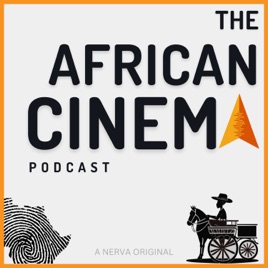
Advertise on podcast: The African Cinema Podcast
Rating
4from
This podcast has
24 episodes
Language
EnglishPublisher
Nerva StudiosExplicit
No
Date created
2024/05/18
Latest episode
2025/11/04
Average duration
16 min.
Release period
14 days
Description
Let's talk about African cinema. The who's who and what's what of African Cinema, all delivered by those that have worked with them, studied them and lived through them.
Unlock The African Cinema Podcast podcast Email contact info,
Listeners & Audience details
Email contact information
Direct podcast contact details

Listeners
Audience numbers & engagement insights

Audience details
Podcast Insights

Podcast episodes
Check latest episodes from The African Cinema Podcast podcast
Before the Revolution: How Mozambique Discovered the Power of Film
2025/11/04
Before Mozambique’s filmmakers could tell their own stories, cinema arrived as a language of empire. In the early 1900s, projectors flickered in Lourenço Marques — today’s Maputo — showing European newsreels and colonial propaganda. For settlers, these images confirmed the order of empire; for Mozambicans, they revealed a world where they were spectators rather than storytellers.
This episode explores how cinema took root in Mozambique during the colonial period:
🎥 How the first projection halls became symbols of modernity and control.
🏛️ How Portuguese administrators used film as a civilizing tool and propaganda weapon.
🗣️ How Mozambicans experienced and reinterpreted those images — from makeshift screenings in courtyards to projectionists learning the craft behind the screen.
📜 And how, in the margins of colonial cinema, the first seeds of resistance and creativity began to grow.
By 1975, as independence neared, Mozambique inherited more than empty cinemas — it inherited the machinery of storytelling. What had been a colonial instrument was about to become a revolutionary one.
Follow us on LinkedIn to join conversations connecting film history with contemporary cultural production.
Buy Me a Coffee: Support our research - Every contribution helps maintain our production quality while keeping content accessible to listeners interested in African cinema stories.
Namibia Cinema: Colonial Roots to Rising Voices
2025/09/28
Namibia’s film journey runs from colonial screens to today’s vibrant, independent voice. This week we trace more than a century of change, showing how cinema moved from outside perspectives to Indigenous storytelling and local creators shaping the industry.
The future of Namibian cinema looks promising despite challenges. Emerging filmmakers are embracing new technologies and storytelling approaches. There’s growing interest in preserving Indigenous stories and pursuing international co-productions.
The Namibia Film Commission continues supporting local talent through grants and training programs, while the Windhoek Film Festival cements Namibia as a regional hub. As commercial viability remains a hurdle,increasing production quality and regional links point to a positive path forward.
Follow us on LinkedIn to join conversations connecting film history with contemporary cultural production.
Buy Me a Coffee: Support our research - Every contribution helps maintain our production quality while keeping content accessible to listeners interested in African cinema stories.
Tanzania’s Cinematic Journey – Swahiliwood, Bongo Movies, and Global Recognition
2025/09/15
Tanzanian cinema, often called Swahiliwood or Bongowood, has a story as dramatic as the films themselves. From colonial mobile trucks showing British propaganda, to Ujamaa’s government-funded productions, to the explosive growth of Bongo movies on DVD, and today’s internationally recognized films like Vuta N’Kuvute, Tanzanian cinema reflects the country’s political shifts, cultural creativity, and resilience.
In this episode, we explore:
📽️ How colonial powers used film for propaganda while Tanzanians had little chance to tell their own stories.
🌍 Julius Nyerere’s Ujamaa socialism and how the Tanzania Film Corporation shaped cinema as a nation-building tool.
💿 The rise of video technology and the Bongo movie explosion in the 2000s, with stars like Steven Kanumba and Elizabeth Michael.
🏆 Tanzania’s path to the Oscars with Maangamizi: The Ancient One and Vuta N’Kuvute.
🎥 The future of Swahili cinema in the age of Netflix, YouTube, and ZIFF (Zanzibar International Film Festival).
✨ Tanzanian cinema is more than entertainment — it’s a mirror of social change, economic struggle, and creative persistence.
🔔 Don’t forget to follow The African Cinema Podcast to stay updated as we continue our journey through the continent’s cinematic history.
Subscribe to receive episode notifications, exclusive content, and in-depth analysis of global cinema movements.
Follow us on LinkedIn to join the conversation!
Buy Me a Coffee: Every contribution helps us maintain our research standards and production quality while keeping our content freely accessible to all listeners.
The Cinematic Awakening of Uganda: A Nation's Journey to Global Recognition
2025/09/08
This Week, We Took an Incredible Journey……through over 100 years of Ugandan history — from colonial silence to grassroots creativity, from the terror of Idi Amin’s regime to Wakaliwood’s viral rise, and from the birth of “Kinna-Uganda” to Netflix premieres. It’s a story that shows how cinema can survive even after decades of suppression.
The Big Picture: Cinema Out of Silence
For much of the 20th century, Uganda had no cinema of its own. Colonial films portrayed Africans as subjects, not storytellers. When independence came in 1962, many thought a new cultural wave would follow. Instead, dictatorship and war silenced filmmakers for decades.
But when conditions allowed, Uganda’s storytellers returned with incredible energy.
The Early Spark: Kinna-Uganda (2005–2010)
The breakthrough came in 2005 with Hajji Ashraf Ssemwogerere’s Feelings Struggle, the first film made by Ugandans for Ugandans. Others soon followed — Cindy Magara’s Fate, Donald Mugisha’s Divizionz, and Matt Bish’s Battle of the Souls. These films spoke in local languages and told stories that reflected ordinary Ugandan life.
The Global Phenomenon: Wakaliwood (2010–2015)
Then came Isaac Nabwana IGG and his team from a Kampala slum. With just $85, they made Who Killed Captain Alex?, a wild action film that went viral on YouTube. Wakaliwood’s DIY style, “video joker” commentary, and sheer creativity earned worldwide fame, showing the world Uganda could make unforgettable cinema with almost nothing.
Modern Success: From Festivals to Netflix (2015–Present)
Recent years have seen Uganda enter the global mainstream. Loukman Ali’s The Girl in the Yellow Jumper became Uganda’s first Netflix release in 2020. Morris Mugisha’s Tembele became the country’s first Oscar submission in 2022. Festivals and training programs now nurture new voices, and Ugandan cinema stands on the edge of a true renaissance.
Major Players: How Institutions Built the Industry
Uganda Communications Commission (UCC): Runs the Uganda Film Festival, provides grants.
Pearl International Film Festival: Since 2011, a hub for local talent.
Maisha Film Lab: Founded by Mira Nair in 2004, training young filmmakers.
Pearlwood: Umbrella association uniting Ugandan filmmakers.
MultiChoice Uganda (Pearl Magic): Gives local films a distribution platform.
Looking Forward: Challenges and Hopes
Ugandan cinema still faces funding gaps, piracy, and small local audiences. But with grassroots creativity, streaming platforms, and new institutions, filmmakers are telling their own stories — and finding global recognition.
Subscribe to receive episode notifications, exclusive content, and in-depth analysis of global cinema movements.
Follow us on LinkedIn to join the conversation!
Buy Me a Coffee: Support our podcast - Every contribution helps us maintain our research standards and production quality while keeping our content freely accessible to all listeners.
Inside South African Cinema: From Liberation to Digital Revolution
2025/07/21
In this episode, we trace the powerful evolution of South African cinema from the dawn of democracy in 1994 to today’s digital streaming era. From Oscar wins to streaming wars, we explore how South Africa’s film industry has transformed its stories, funding models, institutions, and reach. Through case studies like Tsotsi, District 9, and Inxeba, we unpack the industry’s greatest challenges—and its most triumphant breakthroughs.
🔍 What You'll Learn:
How post-apartheid freedom opened new storytelling possibilities
Why Afrikaans and indigenous language cinema redefined the industry
The impact of state funding and private investment (NFVF, MultiChoice, Netflix)
The rise of streaming and digital production
How institutions like SABC, Ster-Kinekor, and Showmax shaped the new era
🎬 Featured Films:Paljas (1998), Yesterday (2004), Tsotsi (2005), U-Carmen eKhayelitsha (2005), District 9 (2009), Inxeba / The Wound (2017), Blood & Water, Queen Sono, Seriously Single, Beyond the River
🔔 Subscribe & Review:Don’t miss upcoming episodes as we continue our country-by-country journey through African cinema history. Leave a rating or review to support the show! - acp.nervastudios.com
Inside South African Cinema- The Apartheid Years - Art, Resistance & Control
2025/07/14
In this episode of The African Cinema Podcast, we explore how South African cinema evolved under the shadow of apartheid — from state-sponsored propaganda to underground resistance films.
From the rise of strict censorship in the 1960s to the emergence of anti-apartheid films like Mapantsula and Sarafina!, this episode unpacks how filmmakers used the screen as a battlefield for truth, survival, and freedom.
Whether it was through coded critique, smuggled scripts, or global co-productions, cinema during apartheid was never neutral — it was either complicit or courageous.
🎬 In This Episode, You'll Learn:
How apartheid policies shaped film production and censorship
The role of the Publications Control Board in banning and editing films
How state-backed institutions like SANLAM and SABC controlled media narratives
The emergence of the B-scheme film system and its limitations
Key figures like Jans Rautenbach, Simon Sabela, Anant Singh, and Oliver Schmitz
Why Mapantsula and Place of Weeping became turning points in South African film history
How Sarafina! brought the Soweto Uprising to global audiences
🧠 Key People Discussed:
Jans Rautenbach – Pioneer of Afrikaans psychological cinema
Simon M. Sabela – First Black South African film director (U'Deliwe)
Darrell Roodt – Director of Place of Weeping and Sarafina!
Anant Singh – Producer of numerous anti-apartheid films
Oliver Schmitz – Director of Mapantsula
🏛️ Key Institutions Mentioned:
Ster Films / Kinekor
Publications Control Board
SANLAM Insurance Group
SABC (South African Broadcasting Corporation)
B-scheme Production System
🎥 Featured Films:
Katrina (1969)
Boesman and Lena (1973)
U'Deliwe (1974)
Mapantsula (1987)
Sarafina! (1992)
🎧 Tune in and discover how cinema became a weapon of both oppression and defiance.
Inside South African Cinema: From the Bioscope to Propaganda (1895–1947)
2025/07/06
This week's episode takes us back to the turn of the 20th century just before the Anglo-Boer War in South Africa as the bioscope was introduced to the world South Africa was not far behind. Did you know the first film was screened in Johannesburg just one year after the Lumière brothers' debut in Paris? I didn’t either — until I found out about Carl Hertz and his “bioscope” showcase in 1896.
In this episode, we dive into:
🎥 How South Africa became one of the earliest adopters of cinema in the world🧠 The powerful rise of Isidore Schlesinger and African Film Productions📽️ Why De Voortrekkers (1916) became more than just a film — but a cultural ritual📢 How film was used for nationalism, propaganda, and even censorship🌍 The unexpected global links to Hollywood and the British EmpireThis era — from 1895 to 1947 — shows how cinema in South Africa was never just about entertainment. It was always about identity, power, and the stories that shaped the nation.
Quote of the Episode:“De Voortrekkers wasn’t just South Africa’s first epic — it became a ritual film for the descendants of the Great Trek.”
📩 Got a thought or question about today’s episode? Just hit reply. I read everything.
Thank you for listening!
Deserts, Dreams & Digital Reels: Moroccan Cinema Then and Now
2025/06/12
In this episode of The African Cinema Podcast, we journey through over a century of Moroccan cinema — from colonial-era propaganda to a globally recognized filmmaking industry that’s breaking taboos and pushing boundaries.
We explore how Moroccan filmmakers have navigated colonial legacies, state censorship, international co-productions, and digital revolutions to shape one of Africa’s most dynamic cinematic landscapes. With deep dives into institutions like the Moroccan Cinematographic Center (CCM), and films like Wechma, Ali Zaoua, and The Blue Caftan, this episode uncovers how Moroccan cinema has evolved into a bold mirror of society.
🎬 What You’ll Learn:
How colonialism shaped early film in Morocco
The birth of “cinematic modernity” in the 1970s
The role of the state and television in growing local film
The rise of female directors and diaspora voices
How Moroccan filmmakers use cinema to confront social issues
🎞️ Featured Films:
Le chèvrier marocain (1897)
Le fils maudit (1958)
Wechma (1970)
A Thousand and One Hands (1973)
Ali Zaoua: Prince of the Streets (2000)
A Door to the Sky (1988)
The Blue Caftan (2022)
Everybody Loves Touda (2023)
🎤 Notable Figures:
Hamid Bénani
Nabil Ayouch
Maryam Touzani
Farida Benlyazid
Faouzi Bensaïdi
Narjiss Nejjar
Souheil Ben Barka
Farida Bourquia
King Mohammed VI (film patronage)
🏛️ Institutions & Events:
Centre Cinématographique Marocain (CCM)
RTM, 2M, Medi1 TV
Marrakech International Film Festival
Atlas Workshops
Cinémathèque de Tanger
🔗 Resources & Mentions:
CCM: https://www.ccm.ma
Festival International du Film de Marrakech: https://marrakech-festival.com
Learn more at [Insert your podcast site or social link]
📣 Support the Podcast:Enjoyed this episode? Follow The African Cinema Podcast, rate us on Spotify or Apple Podcasts, and share with fellow cinephiles.
From The Boy Kumasenu to Netflix: The History of Ghana's Cinema
2025/06/06
In this episode of The African Cinema Podcast, we journey through the remarkable evolution of Ghanaian cinema — from colonial screenings meant for British elites, to a post-independence cultural tool under Kwame Nkrumah, and eventually to a thriving independent video and digital film movement known as “Ghollywood.”
We spotlight the key eras, films, and voices that have shaped the industry: from The Boy Kumasenu and I Told You So, to Love Brewed in the African Pot, Keteke, and The Perfect Picture. Along the way, we meet legendary figures like Kwaw Ansah, Shirley Frimpong-Manso, King Ampaw, and Leila Djansi, and reflect on the institutions—from the Gold Coast Film Unit to NAFTI and the National Film Authority—that held the vision together.
🎬 You’ll learn about:
The colonial roots of Ghanaian cinema (1920s–1950s)
The nation-building film policy era (1960s–1970s)
The rise of independent cinema and Ghollywood (1980s–present)
The impact of key directors, producers, actors, and state institutions
How Ghanaian cinema intersects with Nollywood and global platforms like Netflix
🎧 Perfect for listeners who love:
African film and history
Postcolonial and Pan-African storytelling
Behind-the-scenes film industry insights
Cultural policy, identity, and creative entrepreneurship
📣 Support the Show:If you enjoyed this episode, share it with your network, subscribe to The African Cinema Podcast, and leave us a rating or review. Your support helps amplify African stories and creators around the world.
🔗 Resources & References:
Ghana’s Ministry of Tourism, Arts & Culture: https://www.motac.gov.gh/film
“Love Brewed in the African Pot” Review: The Broken Cliché
NAFTI: https://nafti.edu.gh
Ghanaian cinema history via GhanaWeb, Wikipedia, and festival archives
Kenya on Screen: A Look into One of Africa's Leading Cinema Landscapes
2025/05/30
From propaganda films projected in remote villages to queer love stories banned at home but celebrated abroad, Kenyan cinema has had a long, complex journey. In this special episode of The African Cinema Podcast, we trace the rise of Kenyan cinema from colonial control to digital creativity — uncovering how power, technology, censorship, and storytelling have shaped Kenya’s film industry over more than a century.
This episode explores:
The colonial-era film apparatus and its use as a propaganda machine
The erasure and exoticization of Kenyan people in early cinema
The slow post-independence build-up toward local production
The game-changing rise of Riverwood and digital storytelling
Key films and figures that have defined Kenya’s cinematic identity
The contemporary struggles and the growing global promise of Kenyan filmmakers
If you’ve ever wondered why Kenya, with its rich culture and powerful stories, took so long to emerge on the global film stage — this is the history you need to hear.
📌 Key Topics Covered:
1. The Colonial Gaze and Cinema as Control (1909–1963)
1909: First film shot in Kenya documents Theodore Roosevelt’s safari
Colonial Film Unit (CFU) and its mobile cinema vans produce “instructional” propaganda
African stories sidelined; censorship institutionalized by the 1912 ordinance
Hollywood arrives: Trader Horn, Men Against the Sun, and Mogambo filmed in Kenya — with zero Kenyan input
Film as an imperial project: reinforcing British rule and racial hierarchy
2. Post-Independence Struggles and Sparks of Storytelling (1963–1990s)
Kenya Film Corporation (KFCp) founded in 1967 to promote local production
Feature filmmaking begins slowly: Kolor Mask (1985) and Saïkati (1992) break ground
A mix of government short films and co-productions dominates the era
Limited infrastructure, outdated equipment, and a lack of funding stall progress
National identity on screen remains elusive but emerging
3. The Riverwood Revolution and Rise of the Digital Filmmaker (1990s–Today)
Cheap VCD tech and DSLR cameras spark Riverwood: a grassroots film movement
Hundreds of titles made in Swahili, Sheng, Kikuyu, and more — shot in under 7 days
Distribution via matatus and DVD stalls; actors paid in DVD shares
Riverwood gives Kenya its own low-budget but high-volume film culture
Critics attack quality, but audiences respond — and new talent rises
4. Institutional Frameworks, Censorship, and Policy Gaps
Kenya Film Classification Board (KFCB) and outdated colonial censorship laws still shape content
Rafiki (2018) banned for queer themes — sparking legal and global conversation
Kenya Film Commission (2005) and Kalasha Awards offer limited support
Piracy, limited distribution, and lack of copyright enforcement plague growth
Current initiatives include regional hubs, digital streaming, and school-based film training
5. Contemporary Cinema and Cultural Representation
New wave directors: Wanuri Kahiu (Rafiki), Judy Kibinge (Something Necessary), Likarion Wainaina (Supa Modo), David Gitonga (Nairobi Half Life)
Stories explore LGBTQ+ identity, urban poverty, Maasai traditions, and post-election trauma
Visual storytelling is evolving: from neorealism to Afrofuturist aesthetics and genre play
Films like Kati Kati, Veve, and From a Whisper put Kenya on international festival circuits
Docubox, Lola Kenya Screen, and Hot Sun Foundation fuel new voices and documentary storytelling
6. What’s Next for Kenyan Cinema?
Youth-led film collectives and content creators on the rise
Netflix, Showmax, and YouTube shifting the distribution game
Growing calls for a distinct “Kenyan film voice” — rooted in local languages, stories, and aesthetic choices
Mobile filmmaking, AI dubbing, and co-productions with Nigeria, Uganda, and South Africa point to a bold, diverse future
Kenya’s cinematic potential lies in its ability to balance commercial viability with cultural truth-telling
Senegalese Cinema: Echoes & New Voices (1980 until now)
2025/05/22
In the 1980s, Senegalese cinema was brought to its knees. Austerity measures gutted funding, theatres closed, and filmmakers were left with little support. And yet—the stories didn’t stop.
In Part 2 of our Senegal series, we explore how cinema in Senegal endured through silence, adapted with digital tools, and re-emerged through new voices and platforms. From Sembène’s final masterpieces to Mati Diop’s historic Cannes debut, this is the story of resistance, rebirth, and reinvention.
🎬 We examine how Camp de Thiaroye and Guelwaar extended Ousmane Sembène’s cinematic resistance into a new political decade.📽️ We look at Safi Faye’s lyrical Mossane and her ongoing commitment to rural Senegalese stories.🎞️ We revisit Hyènes and La Petite Vendeuse de Soleil, Djibril Diop Mambéty’s haunting final statements.📺 We dive into the digital era—from YouTube series to streaming culture—and a new generation reclaiming the screen.
Films Mentioned
Camp de Thiaroye (1987)Sembène's dramatization of the 1944 Thiaroye massacre—unflinching in its critique of French colonialism and banned in France for years.🎞 IMDb: https://www.imdb.com/title/tt0094792/
Guelwaar (1992)A provocative portrait of a political activist whose death sparks a conflict over religious identity, foreign aid, and national values.🎞 IMDb: https://www.imdb.com/title/tt0107060/
Selbé et tant d'autres (1983)Safi Faye’s documentary chronicling the life of Selbé, a woman in rural Senegal who supports her family alone.🎞 IMDb: https://www.imdb.com/title/tt1537275/
Mossane (1996)A coming-of-age story centered on a 14-year-old girl in a Serer village, blending beauty, tradition, and quiet rebellion.🎞 IMDb: https://www.imdb.com/title/tt0113867/
Hyènes (1992)Mambéty’s surreal adaptation of Dürrenmatt’s The Visit, critiquing consumerism and the price of justice in a corrupt society.🎞 IMDb: https://www.imdb.com/title/tt0104485/
La Petite Vendeuse de Soleil (1999)Mambéty’s final film—a short, luminous tale of a disabled girl who defies gender norms to become a newspaper seller in Dakar.🎞 IMDb: https://www.imdb.com/title/tt0201843/
Atlantics (2019)Directed by Mati Diop, this Cannes Grand Prix-winning film blends migration drama with supernatural love story, giving voice to the young and dispossessed in Dakar.🎞 IMDb: https://www.imdb.com/title/tt10403420/
Maîtresse d’un homme marié (2019– )A groundbreaking YouTube/Wolof-language series from Marodi TV exploring love, gender politics, and urban life in contemporary Senegal.🎞 IMDb: https://www.imdb.com/title/tt11247994/
Emerging Voices & Institutions
Mati Diop – First Black woman to compete at Cannes; creator of Atlantics
Angèle Diabang – Director of Congo, un médecin pour sauver les femmes and several short films on identity and womanhood
Moussa Touré – Known for La Pirogue (2012), focused on migration and human rights
Alassane Sy – Director of Marabout (2016) and advocate for queer and marginalized narratives
Kourtrajmé Dakar – Film school founded in 2022 to train a new generation of Senegalese filmmakers
Complexe Cinématographique Ousmane Sembène – Reopened in 2018 to restore cinema-going culture in Dakar
🎥 Emerging Voices & Institutions
Senegalese Cinema: The Beginning
2025/05/15
From colonial bans to a cinematic renaissance, Part 1 of our two-part Senegal series (1934–1980) traces how filmmakers defied repression to forge Africa’s first film language.
What happens when your art is forbidden—and you insist on telling your story anyway?
🎬 We examine Paulin Vieyra’s Afrique-sur-Seine (1955), shot in Paris against the 1934 Laval Decree.📽️ We trace Ousmane Sembène’s transition from novelist to filmmaker in Borom Sarret (1963) and Black Girl (1966).🎞️ We spotlight Djibril Diop Mambéty’s kinetic shorts Contras’ City (1969) & Badou Boy (1970) leading to the surreal road-movie Touki Bouki (1973).💡 We explore Safi Faye’s vérité poetics in Kaddu Beykat (1975), banned at home but celebrated abroad.
🟢 Listen on Spotify, Apple Podcasts, or YouTube
🎬 Films Mentioned
Afrique-sur-Seine (1955): West African students in Paris confront identity and prejudice in this 21-minute defiance of colonial censorship.IMDb: https://www.imdb.com/title/tt1705824/
Borom Sarret (1963): An 18-minute realist drama of a Dakar cart driver’s daily humiliations; often called the first true African film.IMDb: https://www.imdb.com/title/tt0060183/
Black Girl (1966): The first sub-Saharan fiction feature by a Black director, it follows a Senegalese maid’s alienation in France.IMDb: https://www.imdb.com/title/tt0060758/
Mandabi (1968): A Wolof-language satire about an illiterate man’s struggle to cash a money order, skewering post-independence bureaucracy.IMDb: https://www.imdb.com/title/tt0063049/
Emitai (1971): A Diola-and-French epic depicting villagers’ resistance to Vichy France’s World War II conscription.IMDb: https://www.imdb.com/title/tt0067368/
Contras’ City (1969): Mambéty’s debut short: a restless portrait of urban dislocation in Dakar.IMDb: N/A
Badou Boy (1970): A slapstick-laden chase short critiquing social inequality through a petty thief’s flight across Dakar.IMDb: https://www.imdb.com/title/tt0181352/
Touki Bouki (1973): A surreal road-movie of lovers dreaming of Paris, using frenetic editing to capture postcolonial disillusionment.IMDb: https://www.imdb.com/title/tt0070975/
La Passante (1972): Faye’s debut short observing a young woman navigating Dakar’s marketplaces.IMDb: N/A
Revanche (1973): A contemplative short by Faye on rural justice and personal vengeance in her Serer village.IMDb: N/A
Kaddu Beykat (1975): A vérité-style critique of agricultural policies in a Serer village; banned locally, it won Cannes’s FIPRESCI Prize.IMDb: https://www.imdb.com/title/tt0073659/
Xala (1975): Sembène’s satire of post-independence elites, where a businessman’s impotence becomes political allegory.IMDb: https://www.imdb.com/title/tt0073871/
Ceddo (1977): A precolonial allegory of cultural resistance as non-Muslims oppose forced religious conversion.IMDb: https://www.imdb.com/title/tt0076468/
Fad’jal (1979): Faye’s homage to her Serer roots, preserving oral histories through villagers’ storytelling.IMDb: N/A
Next Up (Part 2): We dive into the 1980s—when austerity shuttered Dakar’s cinemas, yet visionaries like Sembène and Faye refused to be silenced, and digital tools sparked a vibrant resurgence.
Projector Dreams – Still Rolling: The Reinvention of Egyptian Cinema (2000–2025)
2025/05/09
The final installment of our Egyptian cinema series dives into a 25-year stretch of transformation, turbulence, and tenacity.
From digital disruption and revolution to censorship, economic collapse, and global streaming deals, this episode follows the rise of a new kind of filmmaker — one who builds with less, dreams bigger, and survives on grit.
🎬 Featuring:
The making of The Yacoubian Building and The Square
The impact of Netflix and Shahid on local production
The collapse of box office revenue post-2023
Why directors like Ayten Amin and Amr Salama matter more than ever
And the new frontier of indie Egyptian cinema
🎧 Available now on Spotify, Apple Podcasts, and YouTube
Projector Dreams: Transition and Transformation in Egyptian Cinema (1960–1999)
2025/05/01
Egypt’s golden studio era is often remembered for its glamour, control, and orchestral soundtracks. But what happened after the lights dimmed? What became of an industry once hailed as the beating heart of Arab cinema?
This episode of Projector Dreams is a story of survival.
Spanning from the height of state nationalism in the 1960s to the experimental indie spirit of the 1990s, we track how Egyptian cinema weathered four decades of political shakeups, economic reform, censorship, and cultural reinvention.
🎬 In the 1960s, cinema was a weapon of the state.🎬 In the 1970s, it became a battlefield for memory, law, and identity.🎬 In the 1980s, it transformed into a gritty mirror for ordinary lives.🎬 And in the 1990s, it reached outward—toward the world stage.
Through the voices of directors like Atef El-Tayeb, Daoud Abdel-Sayed, Inas al-Dughaydi, Radwan El-Kashef, and Yousry Nasrallah, we witness a new generation of storytellers rising—armed with realism, resistance, and relentless creativity.
From I Want a Solution to Kit Kat, from feminism to urban decay, this episode explores how film held a mirror to a nation in flux. It's about women taking control of the narrative, artists pushing past censorship, and filmmakers dreaming across borders.
We go beyond the surface—into the politics, the poetry, and the pain that made these films more than entertainment. They were resistance. They were reflection. They were raw truth on celluloid.
What You Will Hear
The fall of Nasser-era cinematic idealism and the rise of Sadat’s infitah years
How filmmakers rewrote (or resisted rewriting) Egypt’s revolutionary past
The rise of feminist narratives and courtroom dramas in the 1970s
A breakdown of New Realism in the 1980s and how it redefined cinema
The 1990s wave of international co-productions, artistic risk-taking, and quiet endurance
The shifting gaze toward Cairo’s underclasses, working women, and invisible lives
Why this period laid the foundation for the independent wave of the 2000s and beyond
Films You’ll Discover in This Episode:
We break down and analyze major works including:
I Want a Solution (1975) — A feminist legal drama that shook Egypt’s courtrooms and audiences. IMDb
Bus Driver (1982) — A story of betrayal, dignity, and economic despair. IMDb
The Innocent (1986) — A chilling critique of police brutality and political violence. IMDb
The Iron Woman (1987) — A portrait of a woman standing firm against systemic injustice. IMDb
The Woman and the Law (1988) — One woman’s journey through Egypt’s legal labyrinth. IMDb
The File on Samya Sha'rawi (1988) — A powerful story of female resilience. IMDb
We Are the People of the Bus (1979) — Cairo’s streets become a stage for social tension. IMDb
The Guilty (1976) — Corruption, class, and moral decay beneath the surface of a crime. IMDb
Kit Kat (1991) — A blind dreamer’s poetic view of a decaying Cairo. IMDb
Cheap Flesh (1995) — Gender, survival, and the price of freedom. IMDb
The City (1999) — An elegy for migration and lost dreams. IMDb
Mercedes (1995) — A surreal journey through Cairo’s alienation and wealth. IMDb
Projector Dreams - Studio Misr and the Golden Age of Egyptian Cinema (1935–1960)
2025/04/25
In this second episode of our Projector Dreams series, we step into the golden age of Egyptian cinema—a transformative period that turned Cairo into the cinematic capital of the Arab world. From the founding of Studio Misr to the rise of musical epics, social realism, and feminist narratives, this era wasn’t just about movies—it was about identity, politics, and cultural power.
We trace the legacy of pioneers like Umm Kulthum, Mohamed Abdel Wahab, Kamal Selim, and Youssef Chahine. We explore how women redefined their roles on-screen and how post-revolutionary Egypt used cinema as a mirror, a megaphone, and a battlefield.
📼 What You’ll Learn in This Episode:
The nationalist vision behind Talaat Harb’s founding of Studio Misr
Why musical cinema became a tool of cultural diplomacy
How women like Faten Hamama and Hind Rostom reshaped gender narratives
Why The Will (1939) signaled a turn toward realism
How post-1952 films critiqued power through allegory
The impact of nationalization on Egypt’s creative freedom
📢 Next Up on Projector Dreams:
We move into the turbulent 1960s and 70s—an era of political volatility, cinematic experimentation, and pan-African solidarity. Stay tuned.
Until then, keep the reels rolling.— The African Cinema Podcast Team
🎞️ Featured Films
Weddad (1936)A wealthy merchant falls in love with his slave, Wedad, but their romance is tested by misfortune and social pressure. Umm Kulthum’s debut.IMDb
Sallama (1945)A musical melodrama set in a historical Bedouin context, starring Umm Kulthum and themed around love, loyalty, and folklore.IMDb
The Will (Al-ʿAzīma) (1939)One of Egypt’s first neorealist films. A working-class man and his partner struggle with poverty, dignity, and perseverance.IMDb
The Second Wife (Al-Zawja al-Thāniya) (1967)A young woman is coerced into marriage by a corrupt village official, exposing the abuse of power and gender inequality.IMDb
Cairo Station (Bāb al-Ḥadīd) (1958)A disturbing psychological drama set at Cairo’s train station, following a newspaper vendor's descent into obsession. Directed by Youssef Chahine.IMDb
The Land (Al-Ard) (1970)A powerful critique of feudalism and injustice in rural Egypt, depicting farmers' resistance against landlord tyranny.IMDb
The Nightingale’s Prayer (1959)Faten Hamama stars as a Bedouin woman seeking revenge after her sister’s honor killing, exploring themes of justice and retribution.IMDb
I Am Free (Ana Hurra) (1959)A feminist drama about a woman rejecting traditional marriage and societal expectations in pursuit of autonomy.IMDb
Women Without Men (1953)A film about four women who band together after rejecting oppressive relationships, forging solidarity and freedom.IMDb
The Sin (Al-Haram) (1965)A peasant woman’s tragic fate after a rape exposes rural injustice and systemic neglect. Directed by Henri Barakat.IMDb
Podcast sponsorship advertising
Start advertising on The African Cinema Podcast relevant audience podcasts
You may also like to advertise on these Podcasts
4.922301819
The Ten Minute Bible Hour Podcast
Matt Whitman

4.824771860
Deck The Hallmark
Bramble Jam Podcast Network
4.916161609
The Kristian Harloff Show
Kristian Harloff

4.917101543
DarrenDaily On-Demand
Darren Hardy LLC

4.549032000
The Daily Stoic
Daily Stoic | Backyard Ventures
4.6221632000
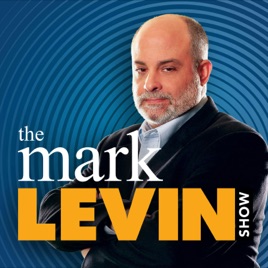
Mark Levin Podcast
Cumulus Podcast Network
4.737121980
The Eric Metaxas Show
Metaxas Media

4.682401276
The Daily Beast Podcast
The Daily Beast, Joanna Coles

4.834891999
Conservative Review with Daniel Horowitz
Blaze Podcast Network
4.87687824
Monsters Among Us
Derek Hayes | Audioboom Studios