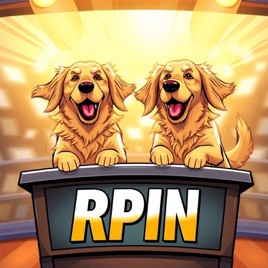
Advertise on podcast: Real Pet Industry News
This podcast has
46 episodes
Language
EnglishPublisher
Clayton Payne and Sam MuelasExplicit
No
Date created
2025/03/04
Latest episode
2026/02/17
Average duration
27 min.
Release period
10 days
Description
Real Pet Industry News brings you raw, unfiltered commentary on the latest trends, controversies, and innovations shaping the pet industry. Hosted by Clayton Payne (Pet Business Disruptors) and Sam Muelas (Dog and Cat Nutrition on YouTube), this podcast cuts through the noise to deliver real talk on everything from pet food scandals to game-changing business moves. Whether you're a pet industry pro, entrepreneur, or just a passionate pet owner, Clayton and Sam break it all down with expert insight, sharp opinions, and no-nonsense discussions.
Unlock Real Pet Industry News podcast Email contact info,
Listeners & Audience details
Email contact information
Direct podcast contact details

Listeners
Audience numbers & engagement insights

Audience details
Podcast Insights

Podcast episodes
Check latest episodes from Real Pet Industry News podcast
The Lowest IQ move in Pet food
2026/02/17
summaryIn this episode, Clayton Payne and Sam discuss the evolving landscape of the pet food industry, focusing on the rise of budget brands and the challenges faced by traditional retailers like Pets at Home. They explore the implications of premiumization in pet food, the importance of quality over price, and the role of independent retailers in navigating a competitive market. The conversation highlights the need for strategic thinking in retail and the potential pitfalls of chasing the lowest price.
takeaways
The pet food market is increasingly premiumizing, especially in the US and UK.Budget brands are emerging, but they often compromise on quality.Retailers like Pets at Home are struggling to keep up with market trends.Independent retailers need to focus on quality products to survive.The obsession with being the cheapest is a losing strategy.Consumers are willing to pay for better quality pet food.Retailers must adapt to changing consumer preferences and market dynamics.Brands need to support independent retailers to maintain market presence.The competitive landscape requires strategic pricing and product offerings.Business success in retail requires a deep understanding of market trends.
The Importance of Omnichannel Strategies in Pet Retail
2026/02/10
In this conversation, Clayton Payne and Sam discuss the differences in innovation between the UK and US pet industries, the importance of omnichannel strategies for brands, and the dynamics of partnerships between brands and creators. They explore the challenges of operating in the US market, the necessity of being present in multiple sales channels, and the complexities of exclusivity contracts in brand collaborations.
takeaways
The UK pet industry leads in innovation compared to the US.US mainstream pet products often lack quality and originality.High operational costs in the US hinder innovation.D2C is just one part of a broader sales ecosystem.Brands need to adopt omnichannel strategies to succeed.B2B partnerships require more resources and effort than D2C.Smaller brands should focus on building a diverse product range.Exclusivity contracts can limit creators' opportunities.Creators must maintain trust with their audiences.Brands should leverage the influence of creators for marketing.
Welcome to 2026 in the pet industry
2026/02/03
In this conversation, Clayton Payne and Sam discuss the current landscape of the pet food industry, focusing on various companies such as Nutriment, Carnly, Scrumbles, and Bella and Duke. They explore the challenges of scaling in raw pet food, the competitive dynamics in the market, and the impact of consumer preferences on brand success. The discussion also touches on the rise of tele-veterinary services and the unique positioning of JR Pet Products in the market.
takeaways
Nutriment Company is a strong player in the pet food market.Scaling in raw pet food presents significant challenges.Carnly has achieved impressive market penetration and product execution.Scrumbles is effectively competing against larger brands with better products.Smaller brands struggle to compete with larger companies due to limited SKUs.The cat food market is being disrupted by companies like Catkin and Untamed.The CVS Group navigated the CMA investigation with strategic finesse.Tele-veterinary services are emerging as a viable alternative for pet care.Bella and Duke are pushing for fresh food education among veterinarians.JR Pet Products maintains a unique market position with limited competition.
A Gently Cooked Let Down
2025/12/30
In this episode, Clayton and Sam discuss the evolving landscape of the pet food industry, focusing on the rise of subscription services and the challenges faced by independent retailers. They explore the introduction of Nutriment's fresh frozen products and the implications for consumer perception and market competition. The conversation delves into the future of direct-to-consumer (D2C) companies like Butternut Box, examining their profitability and market strategies in a rapidly changing environment.
takeaways
Subscription services are changing the pet food market.Independent retailers must adapt to compete with D2C companies.Consumer education is key to converting subscription users.Nutriment's fresh frozen products aim to disrupt the market.Presentation of pet food affects consumer perception.The market is open for new entrants in fresh food.Profitability is a major concern for D2C companies.Price sensitivity varies among pet food consumers.The pet food industry is evolving with consumer preferences.Future competition will likely come from established brands.
Sound Bites
"Nutriment has just killed Butternut Box.""I just don't see it, to be honest.""The door's wide open at the moment."
Dog food ratings and marketing strategies
2025/12/23
In this conversation, Clayton and Sam discuss the challenges and strategies in the pet food industry, focusing on how brands can improve their ratings on platforms like All About Dog Food. They explore the importance of consumer perception, the effectiveness of discounting strategies, and the shift from direct-to-consumer (DTC) to retail. The discussion also highlights the significance of packaging and merchandising in attracting customers, as well as the need for innovation in marketing approaches.
takeaways
Having an education-based approach to marketing is crucial.Consumer perception can greatly influence sales, regardless of ratings.Discounting strategies can lower customer acquisition costs but may lead to high churn rates.The shift from DTC to retail is becoming more common among pet food companies.Effective packaging and merchandising can significantly impact retail success.Brands need to create compelling stories to connect with consumers.High ratings on platforms like All About Dog Food can be leveraged for marketing.Discounts should be substantial to attract customers, but they can devalue the product.Innovative product presentation is key to standing out in a crowded market.Merchandising should focus on making products visually striking on retail shelves.
titles
Navigating Dog Food Ratings and Marketing StrategiesThe Role of Consumer Perception in Pet Food Sales
Sound Bites
"How to beat All About Dog Food's rating?""You can't dive into every single hole.""The packaging needs to pop on the shelf."
The Hybrid Feeding Phenomena
2025/12/16
In this episode, Clayton Payne and Sam discuss the latest trends in pet feeding, focusing on a survey that reveals the popularity of hybrid feeding among pet parents. They explore the implications of this trend, the rise of new pet food delivery services like The Pets Table, and the challenges faced by independent veterinarians in a competitive market. The conversation emphasizes the importance of brand loyalty, retail presence, and the need for veterinarians to educate consumers in the digital age.
takeaways
Hybrid feeding is the most popular choice among pet parents.The rise of cooked food may challenge raw feeding's popularity.New entrants like The Pets Table pose a threat to existing pet food brands.Brand loyalty in pet food is less pronounced than in traditional brands.Retail presence is crucial for building consumer trust in pet food brands.Independent veterinarians need to improve their product offerings.Veterinarians should focus on better margins and pricing strategies.Consumer education is essential in the digital age.Veterinarians must adapt to the changing landscape of pet care.Building a personal brand is important for professionals in the industry.
titles
Pet Feeding Trends: What Are Pet Parents Choosing?The Hybrid Feeding Phenomenon: Insights and Implications
Sound Bites
"I think it's peaked.""They are a threat.""Thanks, Sue."
Chapters00:00Pet Feeding Trends: A Survey Insight
04:04The Rise of Cooked Food in Pet Nutrition
05:28The Impact of New Entrants in Pet Food Delivery
09:01Brand Loyalty in Pet Food: A Comparison
12:02The Importance of Retail Presence for Pet Brands
14:48Challenges for Independent Veterinarians
22:10The Need for Consumer Education in Veterinary Practices
Should Discounters hit Pet harder??
2025/12/09
In this conversation, Clayton and Sam discuss the current state of pet food marketing and retail dynamics in the pet industry. They explore the lack of innovation in pet food marketing, the repetitive nature of advertising strategies, and the need for brands to differentiate themselves in a crowded market. The discussion also delves into the challenges faced by retailers like B & M and Pets at Home, emphasizing the importance of understanding consumer preferences and the evolving landscape of pet products.
takeaways
Pet food marketing has seen little innovation recently.Consumers are bored with repetitive marketing strategies.Brands need to differentiate themselves to stand out.Fun and engaging marketing could revitalize the industry.Retailers must adapt to changing consumer preferences.Pets at Home struggles with brand identity and market positioning.B & M's business model may not support premium pet products.Consumers prefer choices over own-label products.The pet food market is becoming increasingly competitive.Understanding consumer behavior is crucial for success.
titles
Revolutionizing Pet Food MarketingThe Future of Pet Retail
Sound Bites
"Be more flamboyant and more flashy.""Consumers want choices.""You feel conned?"
The Changing Demographics of Pet Food
2025/12/02
In this conversation, Clayton and Sam discuss the booming pet industry, focusing on the increasing populations of dogs and cats in the U.S. and the rising spending on pet care. They explore the changing demographics of pet owners, particularly the shift towards younger, male cat owners, and the implications for product development. The discussion then shifts to innovations in pet food, particularly the introduction of microbial proteins, and the challenges of consumer acceptance. Finally, they examine the future of vegan pet food and the sustainability of these trends in the market.
takeaways
The U.S. dog population is projected to reach 87.3 million by 2025.Pet owners are spending an average of $1,700 per year on their pets.Vet care accounts for a significant portion of pet spending, with dog owners spending more than cat owners.The demographics of pet owners are changing, with more young men adopting cats.There is a growing trend towards premiumization in pet products, especially for cats.Microbial proteins are emerging as a novel protein source in pet food.Consumer acceptance of new protein sources like microbial protein is uncertain.The vegan pet food market is not expected to grow significantly in the future.There is a difference in purchasing behavior between male and female pet owners.The sustainability of innovations in pet food is a key concern for the industry.
titles
The Booming Pet Industry: Trends and InsightsChanging Demographics: Who's Buying Pets Today?
Sound Bites
"$1,700 is nothing, is it?""America are expensive man.""Cheers, Duke."
Purina's Market Dynamics
2025/11/25
In this episode, Clayton and Sam discuss the current state of the pet food market, focusing on Purina's mixed performance and the challenges faced by veterinary care in the UK. They explore the implications of rising prices, lack of transparency, and the impact of corporate ownership on independent practices. The conversation also delves into regulatory changes proposed by the CMA aimed at improving price transparency and competition in the veterinary sector.
takeaways
Purina's sales have dropped, but they are gaining market share.The pet food market is experiencing mixed growth, particularly in Europe.High veterinary prices have risen significantly over the years.Lack of transparency in veterinary pricing is a major concern.Corporate vets charge more than independent practices.Pet owners may pay double for medicines at vets compared to online.The CMA is proposing mandatory price transparency for vets.Independent vets are struggling to compete with corporate practices.Regulatory changes may favor larger corporate veterinary practices.The market is increasingly dominated by a few major players.
titles
Purina's Market Dynamics: A Mixed BagChallenges in Veterinary Care: Transparency and Pricing
Sound Bites
"Purina's pet care sales are down.""High prices have risen by 63%.""The CMA has written 21 proposals."
Ineffective Advertising Strategies
2025/11/18
In this episode, Clayton and Sam discuss the current landscape of the pet food industry, focusing on the winners and losers. They explore the challenges faced by small independent retailers, the struggles of small D2C companies against larger competitors, and the inefficacy of traditional advertising methods. The conversation also touches on the rising costs of premium kibble and its impact on consumer choices, highlighting the need for innovative marketing strategies and the importance of education in advertising.
takeaways
Independent retailers are struggling due to rising costs and competition.D2C companies face challenges from larger competitors with more funding.Traditional advertising methods are becoming less effective.Education-based marketing is a long-term strategy that builds trust.Premium kibble prices are rising, affecting consumer choices.The pet food industry is evolving with changing consumer preferences.Small D2C companies need to find niche markets to survive.Independent retailers play a crucial role in product innovation.The market is increasingly becoming a pay-to-play environment.Consumer behavior is shifting towards more engaging and informative marketing.
titles
Navigating the Pet Food Industry: Winners and LosersThe Struggles of Independent Retailers in Pet Food
Sound Bites
"It's a pay to play environment.""Kibble has crossed the £100 Rubicon.""The self-immolation of kibble."
The Creator Economy of Pet food
2025/11/11
In this episode, Clayton and Sam discuss the current landscape of the pet industry, highlighting the winners and losers, including veterinary practices, direct-to-consumer companies, and the rise of gently cooked pet foods. They explore the dynamics of veterinary diets, the influence of big box retailers, and the growing trust in creators over traditional companies. The conversation delves into the complexities of consumer trust, the need for a balanced ecosystem in pet retail, and the evolving preferences of pet owners.
takeaways
Veterinary practices are oligopolistic and have raised prices without affecting margins.Direct-to-consumer companies are disrupting traditional pet food markets.Gently cooked foods are gaining popularity due to their convenience and appeal.Veterinary diets remain a trusted source for pet nutrition despite criticism.Big box retailers are expanding their pet product offerings significantly.Creators are becoming trusted sources of information for pet health and nutrition.Consumer trust in veterinarians is being challenged by online information.The pet food market is shifting towards more budget-friendly options.The ecosystem of pet retail needs to support both online and brick-and-mortar businesses.The influence of social media is reshaping consumer perceptions of pet food.
Sound Bites
"DTC companies are disrupting the market.""Creators are trusted more than companies.""People trust independence a lot more."
D2C Market Spamming
2025/11/04
n this conversation, Clayton Payne and Sam discuss the marketing strategies and business models of Butternut Box, a prominent player in the pet food industry. They analyze the effectiveness of its marketing, the implications of its business model, and the competitive landscape it faces. The discussion also touches on the future of pet food innovations and insights from the recent Pats trade show, emphasizing the importance of innovation in the pet industry.
takeaways
The customer acquisition cost must be lower than customer value.Spamming the market is not effective marketing.Butternut Box's business model relies heavily on investor funding.Market penetration is crucial for brand visibility.Competition in the pet food industry is fierce and evolving.Retail strategies are essential for long-term success.Innovation is key to standing out in trade shows.The pet food market is influenced by consumer convenience.Investors are looking for significant returns on their investments.The future of pet food may shift towards more convenient options.
titles
Disrupting the Pet Food MarketThe Marketing Dilemma of Butternut Box
Sound Bites
"It's impossible to compete against them.""They want an exit.""Has this ever been done before?"
Chapters00:00The Marketing Landscape of Pet Food
02:34Butternut Box: Market Penetration and Strategy
05:05Profitability and Business Models in Pet Food
07:36Competition and Market Dynamics
10:35Future of Pet Food: Trends and Innovations
13:01Insights from the Pats Trade Show
The Dumbest Marketing
2025/10/28
In this episode, Clayton and Sam discuss the shortcomings of marketing strategies in the pet food industry, particularly focusing on a recent ad campaign by Pure Pet Food that they find tone-deaf. They explore the importance of understanding consumer needs and the viability of new products, such as freeze-dried dog food and postbiotics. The conversation also highlights the challenges of educating consumers about new dietary options for pets and the necessity for targeted marketing strategies that resonate with specific consumer problems.
takeaways
The marketing in the pet food industry often misses the mark by focusing on the company's achievements rather than customer needs.Investors should be wary of companies that prioritize ego over product quality.Consumer education is crucial for new products like postbiotics and insect-based diets.The pet food industry sometimes advances innovations that do not resonate with consumers.Targeted marketing is essential; generic approaches waste advertising budgets.Understanding the differences between prebiotics, probiotics, and postbiotics is important for pet health.The viability of new pet food products depends on consumer acceptance and understanding.Companies need to drill down on their unique selling propositions to stand out.The pet food market is competitive, and companies must focus on specific consumer needs.Marketing strategies should prioritize consumer problems over company growth narratives.
titles
The Flaws in Pet Food MarketingConsumer Insights in the Pet Industry
Sound Bites
"The customer doesn't want insects.""Most dogs don't need probiotics.""They're talking about themselves, Clayton."
Navigating Competition in the Pet Food Market
2025/10/20
summaryIn this conversation, Clayton Payne and Sam discuss the evolving landscape of the pet food industry, focusing on the impact of regenerative farming practices, the scale of major companies, and the challenges faced by challenger brands. They explore the importance of branding and marketing strategies, the role of China in manufacturing, and the cultural differences in pet care that influence innovation in the industry.
takeaways
Regenerative farming practices are being adopted in the pet food supply chain.The scale of major pet food companies is often underestimated.Challenger brands must find their niche to compete effectively.Branding and marketing are crucial for success in the pet food market.The veterinary prescription diet model is difficult to penetrate for new brands.China plays a significant role in pet product manufacturing but lacks innovation.Innovation in the pet industry often comes from Western markets.Cultural differences affect how pets are treated and marketed in different regions.Challenger brands should focus on a narrow offering before expanding.The average consumer's lack of education impacts their purchasing decisions.
Sound Bites
"Branding is very, very important.""The average consumer isn't educated.""The West is the best."
Chapters00:00The Scale of Pet Food Industry Partnerships
03:34Navigating Competition in the Pet Food Market
08:21Branding and Marketing in Pet Food
13:31The Role of China in Pet Industry Innovation
The Premiumisation of Cat
2025/10/13
summaryIn this conversation, Clayton Payne and Sam discuss the evolving landscape of the pet industry, focusing on profitability, innovation in cat products, the challenges of raw feeding, consumer behavior in pet nutrition, and the importance of breed-specific nutrition. They also explore market gaps in pet food and supplements, innovative approaches to pet food, and the misuse of LinkedIn for product sales.
takeaways
There are many niches to explore in the pet industry.Premiumization of cat products is a significant growth area.Most new cat products will fail due to lack of innovation.Cats are sensitive to food temperature, affecting raw feeding.Consumer behavior towards cats differs from dogs, impacting nutrition choices.Breed-specific nutrition can address common health issues in pets.Market gaps exist for innovative pet food and supplements.Convenience and quality are key in pet food innovations.LinkedIn is not an effective platform for B2C product sales.Personal branding on LinkedIn should focus on industry-related content.
titles
Unlocking Profitability in the Pet IndustryInnovating Cat Products for Modern Consumers
Sound Bites
"75% of new cat products will fail.""Your customers are not on LinkedIn.""It's not Facebook or Instagram."
Chapters00:00Exploring Profitability in the Pet Industry
02:26Innovations in Cat Products
05:20The Shift Towards Cooked and Raw Pet Foods
07:47Understanding Consumer Behavior in Pet Nutrition
10:10The Potential of Breed-Specific Supplements
12:45Identifying Gaps in the Pet Food Market
15:16The Role of Convenience in Pet Food Innovations
17:40Critique of LinkedIn as a Sales Platform for Pet Products
Podcast reviews
Read Real Pet Industry News podcast reviews
Podcast sponsorship advertising
Start advertising on Real Pet Industry News relevant audience podcasts
You may also like to advertise on these Podcasts

4.8815227
ArtCurious Podcast
Jennifer Dasal/ArtCurious

4.9328131392
REAL AF with Andy Frisella
Andy Frisella

48988554
20/20
ABC News

4.91363710
The Learning Leader Show With Ryan Hawk
Ryan Hawk
4.92109500
the bossbabe podcast
Natalie Ellis
4.3385361976
The Megyn Kelly Show
SiriusXM

4.947589407
The Shawn Ryan Show
Shawn Ryan

4.5185359
Who, When, Wow!
Tinkercast | Wondery

4.6687381111
Armchair Expert with Dax Shepard
Armchair Umbrella

4.9553972191
The MeidasTouch Podcast
MeidasTouch Network