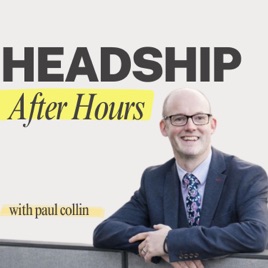
Advertise on podcast: Headship After Hours
This podcast has
43 episodes
Language
EnglishPublisher
Paul CollinExplicit
No
Date created
2026/02/13
Latest episode
2026/10/02
Average duration
29 min.
Release period
8 days
Description
This podcast is for headteachers, executive heads and aspiring heads who want to lead well without losing themselves in the process. Paul Collin, former head and leadership coach, talks candidly about isolation, pressure, governing bodies, staff dynamics and the inner work of staying grounded. I am currently offering a funded £700 Senior Attendance & Leadership Review for headteachers carrying attendance pressure. It begins with a short assessment and leads to a private strategy session. Apply now - https://atrejwhi.formester.com/f/hwL9GCyin
Unlock Headship After Hours podcast Email contact info,
Listeners & Audience details
Email contact information
Direct podcast contact details

Listeners
Audience numbers & engagement insights

Audience details
Podcast Insights

Podcast episodes
Check latest episodes from Headship After Hours podcast
What Great Headteachers Refuse to Accept | Dame Alison Peacock
2026/10/02
What happens when school leaders refuse to put a ceiling on what children can achieve?
Most heads aren't short on effort when it comes to attendance.
The harder truth: so much of it often rests on one or two people — and when that's the case, it never feels steady, however hard everyone works.
That's the work I do. I run a funded Senior Attendance & Leadership Resilience Check for headteachers and trust leaders in complex schools.
It starts with a short strategic assessment. For eligible schools, it opens into a full process:
- On-site school visit
- Detailed, school-specific report
- Follow-up strategy session
- Practical leadership tools for a clear 90-day plan
Typically valued at £1,000 — currently funded for eligible schools.
Apply here → https://atrejwhi.formester.com/f/hwL9GCyin/
In this episode of Headship After Hours, Paul Collin is joined by Professor Dame Alison Peacock, founding CEO of the Chartered College of Teaching, for a conversation about leadership, high expectations, research, school culture and creating schools built around possibility rather than limitation.
Alison traces her journey from the classroom to taking on her first headship in a school in special measures — and eventually to founding leadership of the Chartered College of Teaching.
One idea has remained consistent throughout that journey: moral purpose.
Alison shares why she has challenged assumptions about fixed ability throughout her career and why leaders need the courage to ask whether the language, structures and expectations within their schools are expanding children's possibilities — or quietly restricting them.
In this episode:
Taking on a school in special measuresLeading through moral purposeWhy Alison challenged ability grouping and fixed expectationsResearch-informed school leadershipCreating a genuinely listening schoolPupil voice and democracyOracy, cognition and learningWhy potential shouldn't be treated as fixedMaking school “irresistible”Attendance, belonging and anxietyDesigning environments around possibilityWhy culture must include staff as well as pupilsHolding high expectations without compromiseThe language adults use about childrenWhy headteachers shouldn't carry leadership aloneAlison also shares the story of a young pupil who profoundly influenced her thinking about possibility and expectations — reinforcing her belief that when someone genuinely believes in a child, extraordinary things can happen.
Towards the end of the conversation, Alison offers a particularly important message to headteachers:
Don't think you've got to do this on your own.
Leadership can become isolating. Strong schools are built collectively.
🎙️ Headship After Hours — honest conversations about leadership, education and the realities of leading schools.
00:00 – Building a Listening School
01:00 – Introducing Dame Alison Peacock
02:12 – Why Alison Challenged the Status Quo
05:05 – Taking on a School in Special Measures
12:34 – Leading From Moral Purpose
15:38 – The Child Who Changed Alison's Thinking
20:24 – Why Schools Need to Listen to Pupils
23:11 – Oracy, Cognition & the Research That Matters
27:23 – Rethinking What Educational Success Looks Like
31:49 – How Would Alison Design a School Today?
36:21 – Why Belonging Is Foundational
38:08 – High Expectations Without Compromise
43:24 – The Language That Limits Children
45:54 – Alison's Advice to Headteachers
Does Your School Have an Attendance System — Or Just a Person?
2026/09/25
Does your school genuinely have an attendance system — or does one highly capable person quietly hold the whole thing together?
Most heads aren't short on effort when it comes to attendance.
The harder truth: so much of it often rests on one or two people — and when that's the case, it never feels steady, however hard everyone works.
That's the work I do. I run a funded Senior Attendance & Leadership Resilience Check for headteachers and trust leaders in complex schools.
It starts with a short strategic assessment. For eligible schools, it opens into a full process:
- On-site school visit
- Detailed, school-specific report
- Follow-up strategy session
- Practical leadership tools for a clear 90-day plan
Typically valued at £1,000 — currently funded for eligible schools.
Apply here → https://atrejwhi.formester.com/f/hwL9GCyin/
In this episode of Headship After Hours, Paul Collin explores a hidden vulnerability in school attendance leadership: personality-dependent systems.
Many schools have an attendance lead who knows the families, patterns, histories, anxiety triggers, sibling dynamics and which interventions are most likely to work.
That expertise can make the system appear strong.
But the more knowledge that lives in one person's head, the less knowledge belongs to the organisation.
And that creates risk.
Paul explores:
Why an effective attendance lead can unintentionally become the attendance systemThe difference between individual expertise and organisational resilienceWhy knowledge needs to become shared practiceHow dependency appears in everyday school routinesClear attendance roles, thresholds and decision-makingWhy staff changes can suddenly expose weaknessesProtecting high-performing attendance staff from burnoutBuilding systems that survive absence, turnover and pressureCreating shared professional judgement across pastoral and leadership teams
Paul also gives leaders a simple stress test:
Could a capable new colleague step in and understand enough of your attendance system within a week to keep it moving?
If not, you may have a highly capable individual — but not yet a resilient structure.
Strong attendance systems should be stronger than any one individual carrying them.
🎙️ Headship After Hours — honest conversations about school leadership, attendance and the realities of leading schools.
00:00 – Do You Have a System or a Person?
01:30 – When Efficiency Hides Fragility
02:18 – What a Resilient Attendance System Looks Like
03:33 – When Knowledge Lives in One Person's Head
04:29 – Building Shared Attendance Practice
05:01 – The One-Week Stress Test
05:54 – Turn Individual Knowledge Into a System
06:11 – Protecting the People Carrying Too Much
07:12 – What This Looks Like on an Ordinary Tuesday
08:35 – Test Your Team's Alignment
09:31 – Attendance Is a Whole-School Culture Issue
10:05 – The Question Headteachers Need to Ask
Why Great Headteachers Know When to Slow Down | Rob Connolly
2026/09/18
What makes a school somewhere people genuinely want to belong — and stay?
Most heads aren't short on effort when it comes to attendance.
The harder truth: so much of it often rests on one or two people — and when that's the case, it never feels steady, however hard everyone works.
That's the work I do. I run a funded Senior Attendance & Leadership Resilience Check for headteachers and trust leaders in complex schools.
It starts with a short strategic assessment. For eligible schools, it opens into a full process:
On-site school visitDetailed, school-specific reportFollow-up strategy sessionPractical leadership tools for a clear 90-day plan
Typically valued at £1,000 — currently funded for eligible schools.
Apply here → https://atrejwhi.formester.com/f/hwL9GCyin/
In this episode of Headship After Hours, Paul Collin sits down with Rob Connolly, Executive Headteacher of Harleston Sancroft Academy, to explore school culture, belonging, authentic leadership and what it takes to sustain yourself through the pressures of headship.
Rob has spent 15 years serving the same school community. Today, he leads an all-through school spanning nursery to Key Stage 4, having led the process of bringing previously separate primary and secondary schools together.
The conversation explores:
Why Rob believes people must come firstBuilding school culture intentionally, every dayWhy relationships can't be reduced to a leadership strategyRecruiting the person, not simply the CVBringing primary and secondary cultures togetherCreating curriculum continuity from Early Years to Key Stage 4Belonging, trust, respect, care and love in schoolsHolding high expectations without losing humanityProtecting culture when leadership pressure increasesStaff retention and investing in peopleWhy leaders don't need to have every answerFinding an identity outside headshipWhy sustainable leaders sometimes need to slow downRob also shares a powerful lesson from more than two decades in education:'
“Lead who you are. Teach who you are.”
This is a conversation about creating great schools without losing sight of the people inside them — including yourself.
🎙️ Headship After Hours — honest conversations about school leadership and the realities of leading schools.
Chapters:
00:00 – Building Community Through Relationships01:02 – Meet Rob Connolly03:10 – Rob's Journey Into Headship07:16 – Putting People Before the CV08:57 – The Challenge of Leading an All-Through School13:16 – How Do You Actually Build School Culture?18:41 – Protecting Belonging Under Leadership Pressure23:56 – High Expectations Without Losing Care26:09 – Finding an Identity Beyond Headship27:44 – Rob's Advice to New Headteachers29:46 – Lead Who You Are
What Strong Headteachers Do in the First 10 Days
2026/09/11
The first 10 days of the school year can reveal an enormous amount about your school culture, leadership and consistency.
Most heads aren't short on effort when it comes to attendance.
The harder truth: so much of it often rests on one or two people — and when that's the case, it never feels steady, however hard everyone works.
That's the work I do. I run a funded Senior Attendance & Leadership Resilience Check for headteachers and trust leaders in complex schools.
It starts with a short strategic assessment. For eligible schools, it opens into a full process:
On-site school visitDetailed, school-specific reportFollow-up strategy sessionPractical leadership tools for a clear 90-day plan
Typically valued at £1,000 — currently funded for eligible schools.
Apply here → https://atrejwhi.formester.com/f/hwL9GCyin/
In this episode of Headship After Hours, Paul Collin explores what strong headteachers do differently at the beginning of a new school year — and why trying to launch every priority at once can actually weaken your start.
Behaviour. Attendance. Teaching. Safeguarding. Systems. Vision. Values. The improvement plan.
They all matter.
But when everything becomes a priority, staff and students can struggle to understand what matters most.
Paul explores five leadership principles for the first 10 days: creating simplicity around a small number of high-leverage behaviours, purposeful leadership visibility, recognising what is working, listening without constantly changing direction, and responding calmly when the first inevitable wobble arrives.
You'll hear practical questions for headteachers and senior leaders around:
school culture and consistencybehaviour expectations and routinesattendanceleadership visibilitystaff alignment
recognitioncommunication with familiesresponding when systems are testedbuilding credibility with staff and pupilsThe goal isn't to win the entire year in 10 days.
It's to establish the conditions that make the rest of the year possible.
Because school culture isn't built by how strongly you launch. It's built by what adults repeat once the launch is over.
🎙️ Headship After Hours — honest conversations about school leadership and the realities of leading schools.
00:00 – What the First 10 Days Reveal01:21 – Why September Gets Overloaded02:08 – Strong Leaders Create Simplicity04:59 – Why Adult Consistency Matters05:55 – Visible Leadership With Purpose07:00 – Recognise What Is Working07:53 – Listen Without Losing Direction08:43 – How Leaders Handle the First Wobble09:34 – 5 Questions to Ask Before the Year Begins
Why Behaviour Strategies Fail When Children Don’t Feel Safe | Neil Moggan
2026/09/04
What if challenging behaviour isn't simply a discipline problem — but a sign that a young person doesn't yet feel safe, connected or regulated enough to learn?
Most heads aren't short on effort when it comes to attendance.
The harder truth: so much of it often rests on one or two people — and when that's the case, it never feels steady, however hard everyone works.
That's the work I do. I run a funded Senior Attendance & Leadership Resilience Check for headteachers and trust leaders in complex schools.
It starts with a short strategic assessment. For eligible schools, it opens into a full process:
On-site school visitDetailed, school-specific reportFollow-up strategy sessionPractical leadership tools for a clear 90-day planTypically valued at £1,000 — currently funded for eligible schools.
Apply here → https://atrejwhi.formester.com/f/hwL9GCyin/
In this episode of Headship After Hours, Paul Collin is joined by Neil Moggan, founder of Future Action and author of Time to Rise Up, to explore trauma-informed practice, behaviour, relationships, mental wellbeing and the role movement can play in helping pupils regulate.
Neil shares his own journey from PE leadership into trauma-informed practice, including how changing his approach helped reduce send-outs in his PE department by 95%, while attendance and predicted grades for some of the most challenging pupils also improved.
Paul and Neil explore:
Why safety and connection come before learningTrauma-informed approaches to behaviourWhy relationships should sit at the heart of school improvementMovement as a tool for regulation and belongingSupporting pupils with ADHD and additional needsMaintaining high standards without re-traumatising young peopleStaff regulation and teacher wellbeingHow leadership pressure can affect relationships with pupilsPractical strategies schools can use to create calmer environmentsWhy belonging matters for behaviour, attendance and learningNeil also explains the Rise Up approach and shares practical examples of how movement, inclusive activities, stress-busting strategies and relationship-led practice are being used across mainstream, specialist and alternative provision.
One example comes from a specialist school where physical holds for one cohort reduced from 50 in Year 5 to 10 in Year 7 after the development of a Rise Up Sports Sanctuary and personalised regulation strategies.
The central message is simple:
Help children feel safe. Help them regulate. Then create the conditions for them to learn.
🎙️ Headship After Hours — honest conversations about school leadership, attendance, culture and the realities of leading schools.
00:00 – Safety Before Learning00:18 – Introducing Neil Moggan05:58 – What Is Trauma-Informed Practice?08:58 – Movement, Regulation & Belonging10:53 – The Rise Up Approach17:34 – What This Looks Like in Real Schools18:28 – From 50 Physical Holds to 1021:08 – Why Relationships Matter in Implementation23:25 – Education, Belonging & Human Connection24:47 – When Leadership Pressure Changes Relationships27:32 – Did Schools Get Behaviour Wrong After Lockdown?29:06 – Staff Wellbeing & Self-Regulation33:59 – One Simple Strategy Leaders Can Use Tomorrow36:19 – Neil’s Advice for School Leaders
When Mainstream School Isn’t Working | Hugh Viney
2026/08/28
What happens when a young person wants to learn — but the traditional school environment simply isn't working for them?
In this episode of Headship After Hours, Paul Collin is joined by Hugh Viney, founder and CEO of Minerva Virtual Academy (MVA), to explore online and hybrid education, school attendance, SEND, emotionally based school avoidance and what happens when we begin designing education around the needs of the child.
Hugh shares the story behind Minerva Virtual Academy and why growing numbers of families began looking for alternatives when their children were struggling with anxiety, neurodivergence or the demands of mainstream education.
The conversation explores:
Why some pupils thrive outside a traditional classroom
SEND, anxiety and barriers to school attendance
Emotionally based school avoidance
The four barriers some children experience in mainstream education
Making the school fit the child rather than forcing the child to fit the school
Online, asynchronous and flipped learning
The role of one-to-one mentoring and pastoral support
Using engagement data to identify when pupils need help
Maintaining academic expectations alongside wellbeing
How schools and local authorities can use alternative provision
Whether hybrid schooling could become a mainstream option
Why online education doesn't necessarily mean isolation
Hugh also challenges one of the biggest assumptions surrounding virtual education: that learning online automatically means less community, fewer friendships and weaker outcomes.
For some young people, he argues, removing barriers associated with the physical environment can actually allow them to engage, build relationships and rediscover confidence in learning.
About Minerva Virtual Academy
This episode is supported by Minerva Virtual Academy (MVA), a DfE-accredited online school working with young people for whom traditional school attendance may not currently be working.
MVA works with families, schools and local authorities to provide an online educational pathway, including live teaching, independent learning, mentoring and pastoral support.
For school leaders considering alternative or complementary provision for a young person, further information about Minerva Virtual Academy can be found at:
Minerva Virtual Academy: www.minervavirtual.com
About Hugh Viney
Hugh Viney is the founder and CEO of Minerva Virtual Academy. After founding Minerva Tutors, Hugh launched MVA in 2021 as an alternative educational model for young people who may not thrive within traditional mainstream schooling.
In this conversation, Hugh shares his perspective on the future of virtual and hybrid education and why he believes alternative models should increasingly be viewed as a genuine educational choice rather than simply a last resort.
Connect with Hugh Viney on LinkedIn.
🎧 Headship After Hours — honest conversations about the realities of school leadership, education and building better systems for young people.
00:00 – Why Some Children Thrive Outside Mainstream School01:50 – About Minerva Virtual Academy02:10 – Introducing Hugh Viney08:19 – Why Minerva Virtual Academy Grew So Quickly11:38 – SEND, Attendance & School Avoidance13:09 – Why Families Look Beyond Mainstream School15:22 – What COVID Revealed About How Children Learn18:57 – Making the School Fit the Child19:52 – The Four Barriers to Mainstream School24:20 – The Power of One-to-One Mentoring27:19 – Technology, Learning & Human Connection33:18 – What School Leaders Can Learn From MVA34:44 – Can Online School Lead Pupils Back to Mainstream?37:22 – The Future of Hybrid Schooling39:12 – The Biggest Myth About Online School41:10 – Belonging, Happiness & High Expectations
How Great Headteachers Build School Culture
2026/08/21
What really changes a school?
After more than 26 years in education, including 10 years as a headteacher, Paul Collin reflects on the leadership lessons that shaped his career and why sustainable school improvement always begins with people.
Most heads aren't short on effort when it comes to attendance.
The harder truth: so much of it often rests on one or two people — and when that's the case, it never feels steady, however hard everyone works.
That's the work I do. I run a funded Senior Attendance & Leadership Resilience Check for headteachers and trust leaders in complex schools.
It starts with a short strategic assessment. For eligible schools, it opens into a full process:
On-site school visitDetailed, school-specific reportFollow-up strategy sessionPractical leadership tools for a clear 90-day planTypically valued at £1,000 — currently funded for eligible schools.
Apply here → https://atrejwhi.formester.com/f/hwL9GCyin/
In this conversation, Paul discusses school culture, leadership, behaviour, attendance, relationships, teacher development, school improvement and why young people thrive when they feel genuinely valued.
The discussion explores:
• Why culture matters more than quick fixes• Building sustainable school improvement• Relationships before behaviour• Leadership beyond job titles• Why attendance starts with belonging• Developing teachers through coaching rather than pressure• Why schools must create environments where young people can succeed
Whether you're a headteacher, teacher, trust leader or aspiring leader, this conversation offers practical insights into building schools where both staff and pupils thrive.
00:00 – Why School Culture Changes Everything01:48 – Introducing Paul Collin02:40 – Who Is Paul Outside Education?05:10 – When Headship Becomes Your Identity06:14 – Work-Life Integration for School Leaders08:43 – 26 Years in Education & 10 Years in Headship11:54 – Why Paul Left Headship14:28 – The Truth About School Improvement Consultancy17:18 – Leadership, Trusts and Executive Leadership19:23 – Should CEOs Have Teaching Experience?23:20 – Why Relationships Matter More Than Behaviour24:31 – Attendance, Leadership and School Improvement25:36 – Why Teachers Must Keep Growing27:40 – Dream-Weaving: The Teachers We Never Forget29:52 – Behaviour Is an Outcome, Not the Problem35:21 – Culture Is the Foundation of School Improvement36:01 – What Excites Paul About Transforming Schools37:45 – Why You Can't Rush School Improvement39:32 – The First Thing to Fix in Any School41:05 – Why Uniform Still Matters46:30 – Standards, Pride and Professionalism50:58 – Rethinking 'Disadvantage' in Education52:30 – Closing the Attainment Gap57:18 – The Education White Paper01:01:30 – The Questions We Should Ask Pupils01:04:25 – Mobile Phones, Schools and Social Media01:10:00 – What Makes a Great Teacher?01:20:00 – The Power of Relationships in Schools01:30:40 – Why Headship After Hours Exists
The Part of Headship Nobody Prepares You For
2026/08/14
Nobody prepares you for the emotional switching required in headship.
Most heads aren't short on effort when it comes to attendance.
The harder truth: so much of it often rests on one or two people — and when that's the case, it never feels steady, however hard everyone works.
That's the work I do. I run a funded Senior Attendance & Leadership Resilience Check for headteachers and trust leaders in complex schools.
It starts with a short strategic assessment. For eligible schools, it opens into a full process:
On-site school visitDetailed, school-specific reportFollow-up strategy sessionPractical leadership tools for a clear 90-day planTypically valued at £1,000 — currently funded for eligible schools.
Apply here → https://atrejwhi.formester.com/f/hwL9GCyin/
In this episode of Headship After Hours, Paul Collin explores the hidden emotional labour of being a headteacher — moving from deeply personal or confidential conversations straight into assemblies, meetings, difficult decisions and moments of celebration.
The school doesn't pause while its headteacher processes what they've just heard.
Paul explores the emotional weight created by safeguarding concerns, staff conversations, parental situations and the confidential information school leaders are often required to carry without being able to openly share it.
This episode explores:
• The emotional labour of headship• Compartmentalisation versus processing• Confidentiality and isolation in school leadership • Emotional switching between difficult conversations• Why headteachers need trusted professional networks• Creating small resets between high-pressure moments• Recognising when carrying too much starts changing your leadership• How to care deeply without disappearing beneath the weight
Headship needs humanity.
The goal isn't to stop caring. It's learning how to care without disappearing under everything you carry.
00:00 – Nobody Warns You About This Part of Headship00:24 – Why Headship After Hours Exists01:23 – The Invisible Pressure of Headship01:39 – Emotional Switching Between Conversations02:19 – The School Doesn't Pause for the Headteacher02:55 – Becoming the Holder of Other People's Stories03:35 – Compartmentalisation in School Leadership04:15 – Why Headship Becomes Emotionally Exhausting04:34 – Attendance & Leadership Resilience05:43 – The Internal Processing Nobody Sees06:24 – When the Emotional Weight Hits You06:46 – Emotional Labour in Headship07:06 – Caring Without Losing Yourself07:22 – Resetting After Difficult Conversations07:58 – Confidentiality Doesn't Mean Silence08:32 – Every Headteacher Needs a Safe Network09:04 – When Emotional Switching Starts Changing You09:41 – The Holder of Stories and Confidences10:01 – Care Without Disappearing Under the Weight10:22 – Leadership Shouldn't Be Carried in Silence10:40 – Attendance & Leadership Resilience Check
Jack Mallaby: Stop Making Pupils Fit the System
2026/08/07
In this episode of Headship After Hours, Paul Collin is joined by Jack Mallaby, assistant headteacher and SENCO, for an honest conversation about SEND, neurodiversity, emotionally based school avoidance and attendance.
Most heads aren't short on effort when it comes to attendance.
The harder truth: so much of it often rests on one or two people — and when that's the case, it never feels steady, however hard everyone works.
That's the work I do. I run a funded Senior Attendance & Leadership Resilience Check for headteachers and trust leaders in complex schools.
It starts with a short strategic assessment. For eligible schools, it opens into a full process:
On-site school visitDetailed, school-specific reportFollow-up strategy sessionPractical leadership tools for a clear 90-day plan
Typically valued at £1,000 — currently funded for eligible schools.
Apply here → https://atrejwhi.formester.com/f/hwL9GCyin/
Jack reflects on his own experiences of ADHD and dyslexia, his journey from mainstream education into specialist provision, and why inclusion must sit at the centre of school culture rather than being treated as an additional intervention.
Together, they explore why many neurodiverse pupils experience anxiety around school, how educational trauma can shape attendance, and why relationships with young people and families are essential when attendance becomes fragile.
This episode discusses:
SEND leadership in mainstream and specialist schoolsEmotionally based school avoidanceNeurodiversity, anxiety and attendanceWhy relational practice mattersThe importance of primary-to-secondary transitionChild-centred attendance strategiesPreparing young people for adulthoodWhy schools should adapt systems around pupilsJack’s central message is clear:
It should not be about making young people fit the system. It should be about making the system work for them.
00:00 – Educational Trauma and School Avoidance01:21 – Introducing Jack Mallaby02:20 – Jack’s Role in Specialist SEND Provision03:12 – Growing Up With ADHD and Dyslexia05:00 – Why Jack Moved Into SEND Leadership07:05 – Leaving Mainstream for Specialist Education08:10 – Inclusion as Culture, Not a Bolt-On09:28 – Relationships and Consistency in Specialist Schools12:07 – What Is Emotionally Based School Avoidance?12:53 – Educational Trauma and Distrust13:26 – How COVID Affected Neurodiverse Learners14:25 – Why Attendance Systems Respond Too Late15:31 – Identify, Stabilise and Restore Attendance16:40 – Relationships With Pupils and Families17:37 – Supporting Anxiety Without Labelling the Child18:50 – Preparing Neurodiverse Pupils for Adulthood20:08 – Compassion, Consistency and Capacity21:34 – What Schools Still Get Wrong22:36 – Primary-to-Secondary Transition25:03 – Why One Transition Day Is Not Enough27:04 – Supporting Complex Attendance Cases27:41 – A Child-Centred Attendance Strategy29:55 – Rethinking Educational Success33:41 – Jack’s Advice for School Leaders34:00 – Make the System Work for the Child
A Few Families Can Shape Your Attendance Data
2026/07/31
Sometimes a small number of families shape a large part of your school's attendance picture.
Most heads aren't short on effort when it comes to attendance.
The harder truth: so much of it often rests on one or two people — and when that's the case, it never feels steady, however hard everyone works.
That's the work I do. I run a funded Senior Attendance & Leadership Resilience Check for headteachers and trust leaders in complex schools.
It starts with a short strategic assessment. For eligible schools, it opens into a full process:
On-site school visitDetailed, school-specific reportFollow-up strategy sessionPractical leadership tools for a clear 90-day plan
Typically valued at £1,000 — currently funded for eligible schools.
Apply here → https://atrejwhi.formester.com/f/hwL9GCyin/
In this episode of Headship After Hours, we explore one of the most emotionally demanding realities of attendance leadership: how a handful of complex cases can disproportionately affect your school's overall attendance figure.
When leaders respond with generic attendance strategies to deeply individual circumstances, progress often stalls. Trauma, mental health, SEND, housing instability, family breakdown and trust all influence attendance in ways that spreadsheets alone cannot explain.
In this episode we discuss:
Why a small number of pupils often shape headline attendanceRelational practice over generic interventionsAccountability versus complexityWhy attendance leadership requires patience and strategyBuilding confidence through structured attendance systemsAttendance is never just about numbers.
It is about people, relationships and trust.
00:00 – When a Few Families Shape Your Attendance
00:34 – The Hidden Reality Behind Attendance Data
01:18 – Why Generic Attendance Strategies Fail
01:58 – The Human Stories Behind Persistent Absence
02:33 – Attendance Leadership Resilience Check
03:58 – Patience Before Progress
04:17 – Relational Practice Over Generic Responses
05:04 – Case-Based Attendance Strategy
05:26 – Why Hope Matters in Leadership
06:02 – Staying Strategic Without Becoming Cold
06:25 – What Will Adults Do Differently Tomorrow?
06:48 – Attendance Lives in Everyday Practice
07:25 – Build Systems, Not Heroics
07:51 – Strategic Alignment Across Teams
08:40 – Confidence Changes Attendance Leadership
09:15 – Attendance Is Connected to Culture
09:59 – Redesign the Conditions, Not the Effort
10:25 – Complex Cases Need Better Strategy
Schools Remember How Leadership Feels
2026/07/17
School culture isn't created by a vision statement. It's created by how leadership feels every day.
Most heads aren't short on effort when it comes to attendance.
The harder truth: so much of it often rests on one or two people — and when that's the case, it never feels steady, however hard everyone works.
That's the work I do. I run a funded Senior Attendance & Leadership Resilience Check for headteachers and trust leaders in complex schools.
It starts with a short strategic assessment. For eligible schools, it opens into a full process:
On-site school visitDetailed, school-specific reportFollow-up strategy sessionPractical leadership tools for a clear 90-day plan
Typically valued at £1,000 — currently funded for eligible schools.
Apply here → https://atrejwhi.formester.com/f/hwL9GCyin/
In this episode of Headship After Hours, we explore one of the biggest misconceptions in education: that culture can be launched through policies, values or strategic plans.
Real culture is built much more quietly.
It develops through repeated leadership behaviours, emotional consistency, psychological safety and the thousands of small interactions that shape how staff and pupils experience school each day.
In this episode we discuss:
Why culture is built through repeated experiencesLeadership behaviours that quietly shape schoolsEmotional safety and psychological trustWhy systems alone never create strong culturesHow relational leadership transforms schoolsSchools don't remember what leadership intended.
They remember what leadership repeatedly felt like.
Timestamps:
00:00 – Why Schools Don't Build Culture Through Posters
00:35 – Schools Remember Leadership Differently
01:35 – The Biggest Myth About School Culture
01:52 – Culture Is Built Through Repeated Experiences
02:36 – Attendance and Leadership Alignment
03:51 – Systems Don't Create Trust
04:08 – What Real Culture Looks Like
04:38 – Why Micro Moments Matter
05:03 – When Adults Change, Everything Changes
05:43 – Emotional Safety vs Emotional Fragility
06:21 – Why High-Trust Schools Perform Better
06:42 – The Calm Schools That Thrive
07:17 – Accountability and Relationships Together
07:54 – Leadership Is Emotional Modelling
08:30 – Why Culture Slowly Drifts
09:05 – The Emotional Architecture of Schools
09:24 – The Question Every Leader Should Ask
09:48 – Schools Remember How Leadership Feels
The Monday Morning Attendance Trap
2026/07/10
Why does opening the attendance dashboard on a Monday morning feel like a verdict rather than information?
Most heads aren't short on effort when it comes to attendance.
The harder truth: so much of it often rests on one or two people — and when that's the case, it never feels steady, however hard everyone works.
That's the work I do. I run a funded Senior Attendance & Leadership Resilience Check for headteachers and trust leaders in complex schools.
It starts with a short strategic assessment. For eligible schools, it opens into a full process:
On-site school visitDetailed, school-specific reportFollow-up strategy sessionPractical leadership tools for a clear 90-day plan
Typically valued at £1,000 — currently funded for eligible schools.
Apply here → https://atrejwhi.formester.com/f/hwL9GCyin/
In this episode of Headship After Hours, we explore the emotional weight many school leaders attach to attendance data and why a single percentage point can influence confidence, decision-making and school culture.
Attendance matters deeply. But leaders are often held accountable for outcomes they can influence, not fully control. That tension creates pressure, encourages reactive leadership and can lead schools to chase weekly fluctuations instead of long-term improvement.
This episode explores:
Why Monday morning attendance reviews feel emotionally chargedAccountability versus control in school leadershipReading trends instead of reacting to weekly spikesBuilding confidence through strong attendance systemsCreating a calmer, more sustainable attendance cultureThe strongest attendance leaders don't ignore the numbers.
They learn to read them with clarity, proportion and confidence.
Timestamos
00:00 – Why Monday Morning Attendance Feels Like Judgment00:59 – When One Percentage Carries Too Much Weight01:56 – Accountability Without Full Control02:47 – Stop Chasing Weekly Attendance Spikes03:06 – Attendance Leadership Resilience Check04:00 – Reading Data Like a Skilled Clinician04:49 – Signal vs Noise in Attendance Data05:27 – Three Questions Every Leader Should Ask06:09 – Creating a Calm Attendance Culture06:24 – Replace Dread With Grip07:07 – Attendance Lives in Everyday Practice07:42 – Build Systems, Not Heroics08:10 – Strategic Alignment Across Your Team08:57 – Confidence Changes Attendance Leadership09:30 – Attendance Is Really About Culture10:11 – Redesign the Conditions, Not Just the Response10:27 – When Data Stops Feeling Like Judgment
Pressure Doesn't Break Schools. It Changes Leaders.
2026/07/03
Pressure rarely arrives dramatically. It accumulates quietly.
In this episode of Headship After Hours, we explore one of the most overlooked realities of school leadership: pressure changes leaders long before it changes schools.
Most heads aren't short on effort when it comes to attendance.
The harder truth: so much of it often rests on one or two people — and when that's the case, it never feels steady, however hard everyone works.
That's the work I do. I run a funded Senior Attendance & Leadership Resilience Check for headteachers and trust leaders in complex schools.
It starts with a short strategic assessment. For eligible schools, it opens into a full process:
On-site school visitDetailed, school-specific reportFollow-up strategy sessionPractical leadership tools for a clear 90-day plan
Typically valued at £1,000 — currently funded for eligible schools.
Apply here → https://atrejwhi.formester.com/f/hwL9GCyin/
As accountability, attendance, behaviour, staffing and parental expectations continue to increase, many leaders unknowingly shift from reflective to reactive leadership. Over time, that pressure changes relationships, decision-making, emotional regulation and ultimately the culture of the school.
In this episode, we explore:
• Why leadership pressure quietly reshapes school culture• Emotional regulation versus emotional suppression• Psychological safety and staff retention• Why behaviour and attendance improve when people feel safe• How leaders can create emotional predictability during challenging times
Schools don't simply respond to strategy.
They respond to emotional climate.
This episode is for headteachers, senior leaders and trust leaders who want to lead sustainably while protecting both themselves and the cultures they are building.
Timestamps
00:00 – Pressure Changes the Leader First01:03 – Why This Podcast Exists02:08 – Leadership Behaviour Shapes School Culture02:52 – When Schools Begin Operating Through Anxiety03:09 – Attendance and Leadership Alignment04:12 – The Hidden Weight of Modern Headship04:59 – How Pressure Changes Leadership Behaviour05:52 – Why Schools Feel Pressure So Deeply06:29 – Systems vs Emotional Culture07:05 – Toughness Is Not the Same as Resilience07:44 – Psychological Safety in Schools08:12 – Schools Need Regulated Leaders08:45 – Emotional Safety Changes Everything09:07 – Emotional Containment Explained09:51 – When Leaders Stop Processing Pressure10:25 – Why Urgency Destroys Culture11:06 – Leadership Drift Under Pressure11:43 – The Question Every Leader Should Ask12:02 – Schools Respond to Emotional Climate
Steve Willshaw: What Secondary Schools Miss About Reading
2026/06/26
What do schools really know about their readers?
In this episode of Headship After Hours, Paul is joined by Steve Willshaw to explore reading culture, literacy leadership, school transition and the importance of recognising the rich reading histories that pupils bring with them into secondary education.
Most heads aren't short on effort when it comes to attendance.
The harder truth: so much of it often rests on one or two people — and when that's the case, it never feels steady, however hard everyone works.
That's the work I do. I run a funded Senior Attendance & Leadership Resilience Check for headteachers and trust leaders in complex schools.
It starts with a short strategic assessment. For eligible schools, it opens into a full process:
On-site school visitDetailed, school-specific reportFollow-up strategy sessionPractical leadership tools for a clear 90-day planTypically valued at £1,000 — currently funded for eligible schools.
Apply here → https://atrejwhi.formester.com/f/hwL9GCyin/
In this episode, Steve shares the story behind the nationally recognised Rooted in Reading project and explains why reading passports, transition work and intellectual equity matter more than ever in today's schools. Together, they discuss how schools can create stronger reading cultures, support literacy development and ensure that young people are not treated as blank slates when they move between phases of education.
The conversation also explores Steve's four leadership pillars:
• Radical Simplicity• Intellectual Equity• Relational Agency• Professional Craft
Alongside a deep dive into Functional Fluency, coaching, behaviour, relationships and how educators can move from reacting to responding.
This episode is for headteachers, literacy leaders, English teachers, curriculum leaders and anyone passionate about reading, equity and school improvement.
🎧 Subscribe for more conversations on leadership, culture, attendance, behaviour and sustainable school improvement.
00:00 – The Reading Histories Schools Miss01:12 – Steve Willshaw’s Journey Into Education03:03 – Inclusivity, Equity and Early Leadership Lessons05:26 – Keeping Leadership Simple06:43 – The Four Leadership Pillars08:32 – The Story Behind Rooted in Reading12:53 – Reading Passports and Literacy Culture16:24 – Why Reading Transition Matters19:30 – Professional Craft and School Context20:31 – What Is Functional Fluency?25:11 – Radical Simplicity Explained26:20 – Intellectual Equity and Ambitious Curriculum30:41 – Relational Agency in Schools32:34 – Professional Craft and Teacher Development36:32 – The Functionally Fluent Teacher43:31 – Steve’s Advice for School Leaders46:20 – Respond More, React Less
#HeadshipAfterHours #Literacy #SchoolLeadership #ReadingForPleasure #EducationPodcast
#SchoolImprovement #Curriculum #ReadingCulture #Transition #SteveWillshaw
The School Always Knows
2026/06/19
Before attendance drops, before behaviour shifts, before staff morale declines, the school already knows.
I am currently offering a funded £1,000 Senior Attendance & Leadership Review for headteachers navigating attendance pressure.
It begins with a short strategic assessment.
If eligible, this leads to a full review process including:
• On-site school visit• Detailed, school-specific report• Follow-up strategy session• Practical leadership tools
Apply now – https://atrejwhi.formester.com/f/hwL9GCyin/
In this episode of Headship After Hours, we explore one of the most overlooked aspects of school leadership: emotional climate.
Schools are highly sensitive environments. Students, staff and families respond not only to systems and policies, but to leadership presence, consistency and emotional regulation.
This episode explores why leadership is not just strategic — it is atmospheric.
We discuss:
• How schools absorb leadership emotionally• Why culture changes before leaders notice• The role of trust, consistency and psychological safety• Why behaviour and attendance often reflect emotional climate• How leaders unintentionally transmit pressure
Sustainable school improvement is not just about systems.
It is about creating a culture where trust, stability and emotional consistency can thrive.
Timestamps
00:00 – Before the School Tells You, It Knows02:43 – Schools Are Emotionally Sensitive Systems03:20 – Leadership Presence vs Leadership Strategy03:57 – The Signals Leaders Transmit04:42 – How Culture Changes Quietly04:58 – Why Trust Starts to Erode05:15 – Emotional Problems vs Operational Problems05:33 – Systems Are Interpreted Through Culture05:57 – Children Experience Systems Through Relationships06:17 – Students Detect Inconsistency Fast06:55 – Leadership Is Atmospheric07:14 – What Pressure Does to Leaders07:32 – When the Weather Changes in a School07:48 – Why Psychological Safety Matters08:28 – Leadership Is More Than Formal Moments08:48 – The Power of Micro Interactions09:25 – Schools Stabilise Through Predictable Leadership09:44 – The School Always Knows10:20 – What Emotional Climate Are You Creating?
Podcast reviews
Read Headship After Hours podcast reviews
Podcast sponsorship advertising
Start advertising on Headship After Hours relevant audience podcasts
You may also like to advertise on these Podcasts

4.6137771974
The Rubin Report
Dave Rubin
4.7278012000
The Matt Walsh Show
The Daily Wire

4.732631937
The President's Daily Brief
The First TV

4.819462000
Football Ramble
Stak

4.735971300
The Bonfire with Big Jay Oakerson and Robert Kelly
SiriusXM

4.827591699
Earn Your Happy
Lori Harder | YAP Media

4.816561992
Juicebox Podcast: Type 1 Diabetes
Scott Benner

4.682431282
The Daily Beast Podcast
The Daily Beast, Joanna Coles

4.8121021000
Mind Pump: Raw Fitness Truth
Sal Di Stefano, Adam Schafer, Justin Andrews, Doug Egge

4.92002919
The Wright Report
Bryan Dean Wright