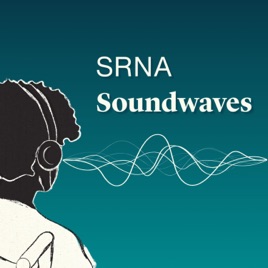
Advertise on podcast: SRNA Soundwaves (previously Ask the Expert)
Rating
4.9from
This podcast has
210 episodes
Language
EnglishExplicit
No
Date created
2014/06/25
Latest episode
2026/01/19
Average duration
33 min.
Release period
15 days
Description
SRNA Soundwaves is a podcast network that brings together expert insight, research updates, and experiences from the rare neuroimmune disorder community. Through multiple series, SRNA Soundwaves connects those living with rare neuroimmune disorders, caregivers, clinicians, and researchers with trusted information and meaningful conversations that educate, empower, and inspire. Topics include acute disseminated encephalomyelitis (ADEM), acute flaccid myelitis (AFM), MOG antibody disease (MOGAD), neuromyelitis optica spectrum disorder (NMOSD), optic neuritis (ON), and transverse myelitis (TM).
Unlock SRNA Soundwaves (previously Ask the Expert) podcast Email contact info,
Listeners & Audience details
Email contact information
Direct podcast contact details

Listeners
Audience numbers & engagement insights

Audience details
Podcast Insights

Podcast episodes
Check latest episodes from SRNA Soundwaves (previously Ask the Expert) podcast
ABCs of MOGAD 301. Significance of Brain Lesions in Pediatric MOGAD
2026/01/19
In this episode, Krissy Dilger of SRNA interviewed Dr. Vivien Xie regarding the significance of brain lesions in pediatric MOG antibody disease (MOGAD). Dr. Xie explained the autoimmune nature of MOGAD and the common occurrence of optic neuritis in young patients [00:01:28]. She described her study comparing children with optic neuritis who had brain lesions to those who did not, revealing that brain lesions often did not result in additional symptoms [00:02:41]. The findings suggested that brain lesions didn't significantly impact long-term outcomes, which may provide reassurance for patients with concerning MRI results [00:06:43]. Finally, they discussed the study’s implications for better understanding different phenotypes of MOGAD and improving patient prognosis. Future research directions include more detailed MRI analysis and cognitive outcome assessment [00:12:29]. You can read about this multicenter study here:
https://pubmed.ncbi.nlm.nih.gov/41167051/. This work was completed with philanthropic support from the Global Autoimmune Institute and Fighting Fires with Owen.
Vivien Xie, MD, is a pediatric neurologist and neuroimmunology fellow at Children’s National Hospital and MedStar Georgetown University Hospital. Originally from Baltimore, she earned her undergraduate degree in biology from the University of Maryland, College Park and her medical degree from the University of Maryland School of Medicine. She then completed a child neurology residency at Children’s National Hospital, where she discovered a passion for helping young patients and their families navigate rare and often life-long neuroimmunologic disorders.
Dr. Xie's research interests include pediatric multiple sclerosis and MOG antibody–associated disease, with publications and presentations spanning national and international conferences. She is a committed academic clinician dedicated to advancing clinical trials and research initiatives to improve diagnosis and care for children with rare neuroimmunologic conditions.
00:00 Introduction
01:28 Understanding MOG Antibody Disease
02:41 Research Motivation and Background
05:33 Study Design and Methodology
06:43 Key Findings and Implications
12:29 Future Research Directions
14:10 Conclusion and Acknowledgements
ABCs of MOGAD 0201. Steroid Dependence
2025/12/15
In this "ABCs of MOGAD" episode, "Steroid Dependence," Krissy Dilger of SRNA was joined by Dr. Eoin Flanagan from the Mayo Clinic in Rochester, MN. They began with a summary of how steroids are used to manage MOG antibody disease, particularly during acute attacks [00:01:25]. Dr. Flanagan described the mechanics of steroids in reducing brain inflammation and the importance of early treatment [00:04:14]. They discussed the concept of steroid dependence and the complications that arise when tapering down the steroid dose [00:05:46]. Dr. Flanagan highlighted alternative treatments to manage steroid dependence and emphasized the importance of working closely with healthcare providers to safely reduce steroid use over time [00:09:42].
Eoin Flanagan, MB, BCh is a Professor of Neurology and Consultant in the departments of Neurology and Laboratory Medicine and Pathology at the Mayo Clinic (Rochester, MN). He completed his medical school training at University College Dublin in Ireland in 2005. He did a medical residency in Ireland and then completed neurology residency, fellowships in neuroimmunology and a master's in clinical and translational science at Mayo Clinic (Rochester, MN). He works in the Autoimmune Neurology and Multiple Sclerosis Clinics and the Neuroimmunology Laboratory at the Mayo Clinic.
His clinical expertise and research are focused on inflammatory myelopathies and their imaging patterns, myelin oligodendrocyte glycoprotein (MOG) antibody associated disorder, neuromyelitis optica spectrum disorders, autoimmune encephalitis, paraneoplastic neurologic disorders, and multiple sclerosis. He is principal investigator on an NIH RO1 grant studying MOG antibody associated disorder.
00:00 Introduction
01:25 Understanding Steroids in MOG Antibody Disease
04:14 Steroid Dosage and Administration
05:46 Steroid Dependence in MOGAD Patients
09:42 Managing Steroid Dependence
14:02 Balancing Inflammation Control and Steroid Risks
17:31 Conclusion
Jan. 5, 2026, the "Ask the Expert" podcast channel will be renamed “SRNA Soundwaves”
2025/12/05
BIG ANNOUNCEMENT! Beginning January 5, 2026, SRNA is bringing all five of our podcast series together into a single, unified podcast channel called “SRNA Soundwaves.” This means that all episodes of "Ask the Expert, ABCs of MOGAD, ABCs of NMOSD, ADEM Academy, and Community Meets Clinic" - past and present - will now be found in one feed on Apple Podcasts, Spotify, and other podcast streaming platforms.
What this means for you: If you are already subscribed to our "Ask the Expert" series, you will automatically be subscribed to "SRNA Soundwaves" once the merge happens on January 5th. If you are subscribed to "ABCs of MOGAD, ABCs of NMOSD, ADEM Academy, or Community Meets Clinic," make sure to subscribe to "Ask the Expert," which will be renamed “SRNA Soundwaves” on January 5th, to continue to get new episodes in your feed. You can subscribe here: https://creators.spotify.com/pod/profile/srna-ask-the-expert/
We hope this change helps our community navigate our educational content more easily and enjoy a smoother, more organized podcast experience. If you have questions about the upcoming change, please email: [email protected]
Community Meets Clinic 205. Dr. Alexandra Kornbluh
2025/12/01
The "Community Meets Clinic" podcast series introduces clinicians and healthcare personnel specializing in rare neuroimmune disorders. In this episode, Krissy Dilger of SRNA interviewed Dr. Alexandra Kornbluh from Children's National Hospital in Washington, D.C. about her role and journey into neurology and neuroimmunology. Dr. Kornbluh discussed her interest in the fast-paced nature of neuroimmunology and her involvement in clinical research, particularly in MOG antibody disease (MOGAD) [00:01:32]. She elaborated on the multidisciplinary approach at Children's National Hospital that supports comprehensive care and ongoing research for pediatric neuroimmune disorders [00:04:58]. Dr. Kornbluh emphasized her commitment to holistic care and the future advancements in treatment and diagnostics for rare neuroimmune conditions [00:05:44].
Alexandra Kornbluh, MD is Associate Program Director for the Child Neurology residency and Co-Program Director of the Pediatric Neuroimmunology Fellowship at Children’s National Hospital in Washington, D.C. She completed her medical training at the Johns Hopkins School of Medicine and her pediatric and child neurology residency training through Nationwide Children’s Hospital in Columbus, Ohio. She then pursued additional subspecialty fellowship training in pediatric multiple sclerosis and related demyelinating diseases. Through this fellowship, she gained expertise in caring for both children and adults across the age-span of neuroinflammatory diseases at the Children’s Hospital of Philadelphia and the University of Pennsylvania.
Dr. Kornbluh sees patients from the greater Washington, D.C., area as well as second opinion consultations for pediatric demyelinating disease and related disorders within the multidisciplinary neuroimmunology program. She also evaluates patients with headaches and provides general neurology care for patients.
Dr. Kornbluh serves as the Director of Investigational Therapeutics through the pediatric neuroimmunology program and is the principal investigator for clinical research studies in pediatric demyelinating conditions. Her research interests include pediatric multiple sclerosis (MS), myelin oligodendrocyte glycoprotein antibody-associated disorders (MOGAD), and other related demyelinating conditions. You can view her medical profile here:
https://appointments.childrensnational.org/provider/alexandra-behar-kornbluh/2359826
01:32 Dr. Kornbluh's Journey into Neuroimmunology
03:29 Focus on Rare Neuroimmune Disorders
04:58 Children's National Neuroimmunology Clinic
05:44 Multidisciplinary Care Approach
07:31 Personal Insights and Self-Care
08:25 Message to Families and Final Thoughts
09:48 Hope for the Future
ABCs of NMOSD 602. NMOSD and Romantic Relationships
2025/10/13
In this episode of "ABCs of NMOSD," host Landy Thomas, joined by Doug Newby, Heather Dawn Newbie, and Caitlyn Flickinger, discussed the impact of NMOSD on romantic relationships. The guests shared their personal experiences with relationships and how they manage living with NMOSD [00:02:27]. They also addressed how they met, support each other during treatment, and the importance of understanding and patience in relationships [00:09:37]. Finally, they provided advice on dating with a chronic illness and the significance of self-love and finding a supportive partner [00:35:06].
Johnney (Doug) Newby lived most of his life in Colorado, only moving recently to Pennsylvania in the last year. Doug has a background in criminal justice and worked as a security guard the last few years in Colorado. Doug became symptomatic more than ten years ago with neuromyelitis optica spectrum disorder (NMOSD) spending many weeks in and out of hospitals with transverse myelitis (TM) and optic neuritis (ON). Doug is newly married to Heather ,who is also an NMO patient, and they’re making a life together in Pennsylvania along with their dog, Bailey and their cats.
Heather Dawn Newby has lived most of her life in Pennsylvania. After earning her bachelor's degree in Environmental Science and her master's degree in Environmental Studies, she returned home to her family’s dairy farm where she utilized her degree focusing on sustainable agriculture. Heather also spent two summer seasons working in Alaska with the Fish and Wildlife Department focusing on sustainable fisheries. Heather first became symptomatic for neuromyelitis optica spectrum disorder (NMOSD) around 2004 and has since lost a good deal of her vision, but she is doing well otherwise. Heather is newly married to Doug, a fellow NMOSD patient, and they are creating a life together in Pennsylvania along with their dog, Bailey and their cats.
Caitlyn Flickinger is a care partner to Landy Thomas, her fiancée, who has NMOSD. Starting college at only 14 years of age, Caitlyn is pursuing her bachelor's degree in political science, with minors in sociology and business. A prolific writer, Caitlyn spends most of her free time writing sci-fi books and letters to her soon-to-be wife, dreaming of one day breaking into the industry and getting her work published and in the hands of readers. Caitlyn also serves as president of the UCF student club she and Landy helped establish, called Epoch: A Minecraft SMP.
00:00 Introduction and Guest Bios
02:27 Meet Doug and Heather Newbie
06:22 Meet Landy Thomas and Caitlyn Flickinger
09:37 Doug and Heather's Love Story
14:46 Landy and Caitlyn's Love Story
20:00 Living with NMOSD
25:50 Navigating Relationships with NMOSD
26:38 Commitment and Understanding
29:47 Challenges and Support
35:06 Dating Inside and Outside of the Community
47:00 Advice for NMOSD Patients on Dating
55:17 Final Thoughts and Encouragement
Ask the Expert 1312. Parenting is Hard | Part 6
2025/09/08
In part six of the “Ask the Expert, Research Edition” mini-series, “Parenting is Hard,” Krissy Dilger of SRNA was joined by Barbara Babcock, a family therapist from the UK's National Health Service, to discuss the role of siblings in families with a child diagnosed with a rare neuroimmune disorder. Barbara shared findings from her research on how siblings provide crucial support to parents and the positive impacts this has on family dynamics [00:04:31]. They explored the concept of parentification and the importance of assigning age-appropriate tasks to siblings [00:25:10]. Barbara also provided advice on fostering healthy sibling relationships and the significance of open communication [00:35:34].
At the end of this mini-series, we will host a Q&A episode where Barbara will answer questions from the community. To submit your question, please visit https://srna.ngo/submit
Barbara Babcock works as a Family Therapist in a child and adolescent mental health outpatient unit in the United Kingdom's National Health Service. In her private practice, she works with individuals and couples who are navigating challenging health issues and wish to get their lives back. She obtained her Master of Science in Family Therapy from the Institute of Psychiatry, Psychology, and Neuroscience at King's College London. Barbara also has a Master of Arts in Coaching Psychology/Psychological Coaching and her dissertation research focused on the impact that a systemic approach to coaching has on the wellbeing of adults who have a rare neuroimmune disorder and their primary caregivers. Previously, she was Chair of the Transverse Myelitis Society, from 2013 to 2016, and led their Family Weekend from 2015 to 2019, an event to support families who have a child/adolescent with a rare neuroimmune disorder to discover their potential through challenging outdoor activities. She had transverse myelitis in 2008 and is originally from Pennsylvania, USA. You can contact her at [email protected] and her website is www.returntowellness.co.uk
00:00 Introduction
00:28 Meet Barbara Babcock
02:08 Theme Four: Support from Siblings
04:31 Siblings' Characteristics and Their Impact
06:57 Voluntary Help from Siblings
25:10 Parentification: Understanding the Concept
36:34 Fostering Healthy Sibling Relationships
39:20 Conclusion and Final Thoughts
Community Meets Clinic 204. Dr. Shuvro Roy and Dr. Catherine Otten
2025/09/01
The "Community Meets Clinic" podcast series introduces clinicians and healthcare personnel specializing in rare neuroimmune disorders. In this episode, Krissy Dilger moderated a discussion with Dr. Shuvro Roy of the University of Washington and Dr. Catherine Otten of Seattle Children's Hospital. Dr. Otten elaborated on her work with child neurology and pediatric neuroinflammatory disorders, while Dr. Roy discussed his research interests and the complexities of neuroimmunology [00:06:03]. They shared insights into their multidisciplinary clinic teams and how new patients can expect to be integrated into their care systems [00:11:01]. Both doctors highlighted the promising future of treatments for rare neuroimmunologic disorders and shared how they personally manage the emotional toll of their work [00:17:41]. You can view their medical profiles here:
https://www.uwmedicine.org/bios/shuvro-roy
https://www.seattlechildrens.org/directory/catherine-ellyn-otten/
Shuvro Roy, MD is an Assistant Professor of Neurology at the University of Washington, specializing in neuroimmunology, with a specific focus on multiple sclerosis (MS) and related neuroimmunologic disorders. He is Co-Director of the UW SRNA Center of Excellence for Rare Neuroimmune disorders. He is also a core teaching faculty member for the UW Medicine Multiple Sclerosis Center’s fellowship program, contributing to clinical education and research initiatives like the ECHO MS program in collaboration with the National MS Society. Dr. Roy is actively engaged in projects aimed at improving access to care, addressing healthcare disparities, and enhancing patient safety for individuals living with MS and related conditions. He has co-authored recent research articles in medical journals on a variety of topics, including studies on stiff person syndrome, encephalomyelitis, MOG-antibody disorder, and multiple sclerosis treatment protocols. Dr. Roy is dedicated to helping his patients thrive amid challenging, lifelong neurological conditions.
Catherine E. Otten, MD is a Clinical Associate Professor of Neurology at the University of Washington in the Neurology Department, specializing in child neurology and pediatric neuroinflammatory disorders. Dr. Otten is the Neuroimmunology Medical Director at Seattle Children's Hospital where she runs subspecialty programs for patients with rare neuroimmune conditions. She is board-certified in Pediatrics and Neurology. She leads the Pediatric Neuroimmunology clinic serving patients with multiple sclerosis, MOGAD, NMOSD, transverse myelitis, optic neuritis, acute flaccid myelitis, and other neuroimmune conditions.
Dr. Otten co-leads the Inflammatory Brain Disorders Clinic, a multidisciplinary hub serving patients with autoimmune encephalitis, autoinflammatory disease, and other forms of brain inflammation. Her work extends across Alaska, where she has provided care in outreach clinics in rural Alaskan communities for the past decade. Her academic work includes collaboration with CDC as a consultant on acute flaccid myelitis, as well as published work on autoimmune encephalitis, demyelinating disease, and other neuroimmune conditions. She is committed to the care of pediatric patients with neuroinflammatory diseases and their families across the Pacific Northwest.
00:00 Introduction
02:01 Journey into Neurology and Neuroimmunology
06:03 Research and Clinical Interests
11:01 Multidisciplinary Clinic Teams
17:41 Self-Care and Wellness
25:04 Future of Rare Neuro Immune Disorders
27:57 Conclusion and Final Thoughts
Ask the Expert 1311. Understanding Myelitis: Efforts to Update Diagnostic Criteria
2025/08/25
In this episode of the SRNA "Ask the Expert" podcast moderated by Dr. GG deFiebre, Dr. Kyle Blackburn and Dr. Benjamin Greenberg discussed the need for updated diagnostic criteria for myelitis. Dr. Blackburn explained the term myelitis and the importance of precise terminologies for accurate diagnoses and research [00:05:10]. Dr. Greenberg elaborated on the advancements in testing and understanding of associated disorders like NMOSD and MOGAD since 2002 [00:11:10]. Both experts stated that the shift from "transverse myelitis" to "myelitis" will aid future research, treatments, and patient care [00:17:27]. They reassured patients that these changes would essentially refine their care but not alter it dramatically [00:23:40]. They encouraged patients to stay informed and communicate with their healthcare providers about these updates [00:28:58].
Kyle Blackburn, MD is an Assistant Professor in the Department of Neurology at UT Southwestern Medical Center in Dallas, Texas. He specializes in neuroimmunology and has clinical interests in antibody-mediated neurologic disorders, including autoimmune encephalitis, epilepsy, and ataxias; neurologic complications of cancers, including paraneoplastic disorders and checkpoint inhibitor/CAR T-cell toxicity; and demyelinating disorders, including sarcoidosis, neuromyelitis optica, myelin oligodendrocyte glycoprotein (MOG)-associated disease, and multiple sclerosis.
Dr. Blackburn earned his medical degree at the University of Kentucky College of Medicine. He performed his residency in adult neurology at UT Southwestern, serving his final year as Chief Resident, and stayed to complete a fellowship in neuroimmunology, during which he earned the James T. Lubin Clinician Scientist Award from the Siegel Rare Neuroimmune Association (SRNA). He joined the UT Southwestern faculty in 2020.
Benjamin M. Greenberg, M.D., M.H.S. is a Professor and the Cain Denius Scholar in Mobility Disorders in the Department of Neurology at UT Southwestern Medical Center in Dallas, Texas. He currently serves as the Vice Chair of Translational Research and Strategic Initiatives for the Department of Neurology. He is also the interim Director of the Multiple Sclerosis Center and the Director of the Neurosciences Clinical Research Center. In addition, he serves as Director of the Transverse Myelitis and Neuromyelitis Optica Program and the Pediatric Demyelinating Disease Program at Children’s Medical Center.
Dr. Greenberg earned his medical degree at Baylor College of Medicine before completing an internal medicine internship at Chicago’s Rush Presbyterian-St. Luke’s Medical Center. He performed his neurology residency at the Johns Hopkins School of Medicine. He also holds an M.H.S. in molecular microbiology and immunology from the Bloomberg School of Public Health, as well as a bachelor’s degree in the history of medicine – both from Johns Hopkins. Prior to his recruitment to UT Southwestern in 2009, Dr. Greenberg was on the faculty of the Johns Hopkins Division of Neuroimmunology, serving as the Director of the Encephalitis Center and Co-Director of the nation’s first dedicated Transverse Myelitis Center.
Dr. Greenberg splits his clinical time between adult and pediatric patients at William P. Clements Jr. and Zale Lipshy University Hospitals, Parkland, and Children’s Medical Center. His research focuses on better diagnosing, prognosticating, and treating demyelinating diseases and nervous system infections. He also coordinates clinical trials to evaluate new treatments to prevent neurologic damage and restore function to affected patients.
00:00 Introduction
00:58 Overview of Myelitis and Diagnostic Criteria
02:57 Historical Context and Importance of Updated Criteria
05:10 Challenges with Current Terminology
11:10 Changes in Understanding and Diagnostic Approaches
17:27 Implications for Patients and Clinical Practice
23:40 Impact on Research and Future Directions
28:58 Patient Advocacy
31:17 Conclusion
Ask the Expert 1310. Prevention and Treatment of Skin Breakdown
2025/08/11
Krissy Dilger of the Siegel Rare Neuroimmune Association (SRNA) was joined by experts Janet Dean, MS, RN, CRRN, CRNP and Florence Hanssen, RN to discuss skin health and the prevention of skin breakdown. The conversation covered the structure of the skin and how paralysis affects skin health [00:01:48]. Key topics included the role of daily skin checks, moisture management, and the importance of pressure relief [00:11:48]. They also reviewed how nutrition, rehabilitation, and technology can aid in the prevention and treatment of skin breakdown [00:17:51]. Lastly, the episode covered the signs of serious skin issues and when to seek medical attention [00:50:18].
Janet Dean, MS, RN, CRRN, CRNP attended nursing school at the University of Michigan, completing a master’s degree in parent-child nursing in 1979. She is a board-certified Pediatric Nurse Practitioner and is also a Certified Rehabilitation Registered Nurse. She has over 30 years of experience in the specialty of pediatric rehabilitation. Prior to becoming a nurse practitioner, Ms. Dean enjoyed 10 years as a staff nurse on a pediatric rehabilitation unit caring for children with physical and developmental disability. As a nurse practitioner for the International Center for Spinal Cord Injury, she specialized in the prevention and treatment of the common health consequences of pediatric spinal cord injury. The focus of her practice is on health promotion and health maintenance.
Florence Hanssen, RN is a nurse coordinator at the Kennedy Krieger Institute’s International Center for Spinal Cord Injury. She obtained her licensure in 1993, and her bachelor’s in nursing science from Ohio University in 2014. Her primary interests are in wound care and the continuous outpatient healthcare for those living with spinal cord injury/ disease. She earned her wound care nurse certification in 2023.
00:00:00 Introduction
00:00:17 Meet the Experts
00:01:48 Understanding Skin Structure and Function
00:03:59 What is Skin Breakdown?
00:05:49 Impact of Paralysis on Skin Health
00:08:15 Causes of Skin Breakdown
00:11:48 Preventing Skin Breakdown
00:14:00 Mechanical Injuries and Skin Health
00:16:21 Hygiene Practices for Skin Health
00:17:51 Nutrition and Skin Health
00:20:17 Rehabilitation and Skin Health
00:23:15 Preventing Pressure Ulcers
00:28:58 Managing Muscle Spasms
00:31:28 Identifying and Treating Minor Skin Breakdown
00:34:14 Understanding and Treating Minor Skin Irritations
00:36:24 Identifying Pressure Points and Vulnerable Areas
00:40:17 Managing Scrapes and Tears During Transfers
00:43:21 Preventing Skin Breakdown Under Braces
00:47:20 Addressing Skin Breakdown in Perineal Areas
00:50:18 Recognizing and Treating Serious Skin Breakdown
01:03:46 The Role of Technology and Resources in Skin Care
01:06:32 Final Thoughts and Advice
Ask the Expert 1309. Parenting is Hard | Part 5
2025/08/04
At the end of this mini-series, we will host a Q&A episode where Barbara will answer questions from the community. To submit your question, please visit https://srna.ngo/submit
In part five of the “Ask the Expert, Research Edition” mini-series, “Parenting is Hard,” Krissy Dilger of SRNA was joined by Barbara Babcock to further explore her research concerning the changing beliefs around parenting when a child has been diagnosed with a rare neuroimmune disorder. They explored the theme of finding a balance in attending to the needs of all children in the family and discussed the importance of fairness and communication between parents [00:02:18]. The conversation also touched on the cultural differences and how these influence family dynamics and parenting strategies when one child requires more attention [00:13:33]. Barbara shared various strategies families use to ensure each child feels valued, such as integrating quality time into existing routines and understanding the different needs of children at various developmental stages [00:18:30].
Barbara Babcock works as a Family Therapist in a child and adolescent mental health outpatient unit in the United Kingdom's National Health Service. In her private practice, she works with individuals and couples who are navigating challenging health issues and wish to get their lives back. She obtained her Master of Science in Family Therapy from the Institute of Psychiatry, Psychology, and Neuroscience at King's College London. Barbara also has a Master of Arts in Coaching Psychology/Psychological Coaching and her dissertation research focused on the impact that a systemic approach to coaching has on the wellbeing of adults who have a rare neuroimmune disorder and their primary caregivers. Previously, she was Chair of the Transverse Myelitis Society, from 2013 to 2016, and led their Family Weekend from 2015 to 2019, an event to support families who have a child/adolescent with a rare neuroimmune disorder to discover their potential through challenging outdoor activities. She had transverse myelitis in 2008 and is originally from Pennsylvania, USA. You can contact her at [email protected] and her website is www.returntowellness.co.uk
00:00 Introduction
00:28 Meet the Expert: Barbara Babcock
02:18 Theme Three: Balancing Sibling Needs
03:59 Parental Communication and Mutual Support
13:33 Cultural and Family Contexts
18:30 Building Quality Time with Siblings
26:13 Parental Guilt and Compensation
35:09 Conclusion
Ask the Expert 1308. Parenting is Hard | Part 4
2025/07/28
At the end of this mini-series, we will host a Q&A episode where Barbara will answer questions from the community. To submit your question, please visit https://srna.ngo/submit
In the fourth part of the “Ask the Expert, Research Edition” mini-series, “Parenting is Hard,” Krissy Dilger of SRNA continued her conversation with Barbara Babcock. In this episode, Barbara, a family therapist, discussed her research of parental fatigue and limited time distribution among families of children who have been diagnosed with a rare neuroimmune disorder. She elaborated on the non-stop nature of caregiving roles and the impact of work and daily parenting responsibilities on parental exhaustion [00:05:10]. Barbara emphasized the importance of parents finding ways to cope, from getting social support to attending to their own basic needs [00:17:35]. She highlighted the significance of confidence in navigating the complexities of family life and caregiving for a child with special needs [00:21:27].
00:00 Introduction
01:29 Theme Two: "I Can Only Split Myself So Many Ways"
05:10 Parental Exhaustion and Coping Mechanisms
17:35 Balancing Social and Extracurricular Activities
21:27 Building Confidence as a Family
23:28 Conclusion
Barbara Babcock works as a Family Therapist in a child and adolescent mental health outpatient unit in the United Kingdom's National Health Service. In her private practice, she works with individuals and couples who are navigating challenging health issues and wish to get their lives back. She obtained her Master of Science in Family Therapy from the Institute of Psychiatry, Psychology, and Neuroscience at King's College London. Barbara also has a Master of Arts in Coaching Psychology/Psychological Coaching and her dissertation research focused on the impact that a systemic approach to coaching has on the wellbeing of adults who have a rare neuroimmune disorder and their primary caregivers. Previously, she was Chair of the Transverse Myelitis Society, from 2013 to 2016, and led their Family Weekend from 2015 to 2019, an event to support families who have a child/adolescent with a rare neuroimmune disorder to discover their potential through challenging outdoor activities. She had transverse myelitis in 2008 and is originally from Pennsylvania, USA. You can contact her at [email protected] and her website is www.returntowellness.co.uk
Ask the Expert 1307. Parenting is Hard | Part 3
2025/07/21
At the end of this mini-series, we will host a Q&A episode where Barbara will answer questions from the community. To submit your question, please visit https://srna.ngo/submit
In the third part of the “Ask the Expert, Research Edition” mini-series, “Parenting is Hard,” Krissy Dilger of SRNA was joined by Barbara Babcock to further explore her research concerning the changing beliefs around parenting when a child has been diagnosed with a rare neuroimmune disorder. Barbara discussed how beliefs around being fair as a parent could change and the various sub-themes supporting this idea, including redefinition of fairness and the challenge of balancing attention among children [00:03:30]. She highlighted the impact of societal and historical contexts on parenting norms and the struggles parents face in managing new caregiving responsibilities and learning new skills [00:12:45]. The importance of redefining what it means to be a good parent in the context of a child with additional needs was emphasized throughout the episode [00:24:00].
Barbara Babcock works as a Family Therapist in a child and adolescent mental health outpatient unit in the United Kingdom's National Health Service. In her private practice, she works with individuals and couples who are navigating challenging health issues and wish to get their lives back. She obtained her Master of Science in Family Therapy from the Institute of Psychiatry, Psychology, and Neuroscience at King's College London. Barbara also has a Master of Arts in Coaching Psychology/Psychological Coaching and her dissertation research focused on the impact that a systemic approach to coaching has on the wellbeing of adults who have a rare neuroimmune disorder and their primary caregivers. Previously, she was Chair of the Transverse Myelitis Society, from 2013 to 2016, and led their Family Weekend from 2015 to 2019, an event to support families who have a child/adolescent with a rare neuroimmune disorder to discover their potential through challenging outdoor activities. She had transverse myelitis in 2008 and is originally from Pennsylvania, USA. You can contact her at [email protected] and her website is www.returntowellness.co.uk
00:00 Introduction
00:27 Meet the Expert: Barbara Babcock
01:38 Exploring Parental Beliefs and Fairness
03:37 Balancing Attention Among Children
07:49 Cultural and Societal Influences on Parenting
11:08 Challenges in Managing Illness and Fairness
19:37 Learning New Skills and Roles
25:52 Redefining Good Parenting
27:43 Conclusion
Ask the Expert 1306. Community Spotlight | Roopa Ramamoorthi, PhD and Marie Abrego
2025/07/14
In this "Community Spotlight Edition" of "Ask the Expert," Landy Thomas of SRNA talked with Marie Abrego and Dr. Roopa Ramamoorthi about visual impairment and their collaborative book of poetry, Rare Visions, published through the Ipsen Foundation. Dr. Ramamoorthi shared her inspiration for the collection of work from individuals who have been diagnosed with rare diseases [00:02:35]. Landy read select poems from Rare Visions, and the guests offered personal insights into their adapted lives and the significance of accessible technology [00:08:57]. Finally, they discussed the importance of raising awareness about rare diseases and accessibility issues through poetry [00:31:05].
Roopa Ramamoorthi, PhD is a scientist in the field of global health and published poet as well as director for the Catalyst program and InVent Fund at UC San Francisco. Her poetry essays and short stories have appeared in over 80 publication including various anthologies and "Perspectives" on NPR. Most recently, she conducted poetry workshops with people living with rare diseases. She feels honored to have now worked with those with rare eye diseases and to help send their voices out into the world. The poetry collections Rare Sounds and Rare Visions were published by the Ipsen Foundation:
https://www.fondation-ipsen.org/?s=Roopa+Ramamoorthi
Marie Abrego is proud to be the Welcome Manager for The Sumaira Foundation. Diagnosed with NMO in 2007 when she was only 14 years old, she shared the story of her diagnosis a few years ago, but as she learned, life doesn’t stop with NMO. In 2019, she joined The Sumaira Foundation as one of the first patient TSF Ambassadors representing the state of New Mexico.
00:00 Introduction
01:18 Meet Marie Abrego and Dr. Roopa Ramamoorthi
01:58 The Power of Poetry in Rare Disease Awareness
04:37 Challenges of Living with Vision Impairment
09:12 Adapting to Vision Loss: Tools and Techniques
14:14 Expressing Through Poetry: Marie Abrego's Work
21:21 Makeup and Femininity
22:33 The Emotional Impact of Blindness
25:20 Reading and Discussing Poems by Landy Thomas
33:29 Leah Campbell's Powerful Poems
38:21 Final Thoughts
Ask the Expert 1305. FES 101
2025/07/08
In this episode of "Ask the Expert," Dr. Matthew Bellman joined Dr. GG deFiebre of SRNA to explain the basics of functional electrical stimulation (FES) and its applications. Dr. Bellman outlined how FES differs from other electrical stimulation techniques and its role in improving mobility for those with neuroimmune disorders [00:03:35]. He discussed the specific benefits of FES, including muscle strengthening and managing spasticity, and shared success stories demonstrating its impact [00:09:53]. Dr. Bellman also highlighted new developments in FES technology, particularly the integration of AI [00:33:28].
Matthew Bellman, PhD is a Founder and the Chief Technology Officer for MYOLYN, Inc. Dr. Bellman is a Triple-Gator with bachelor’s, master’s, and doctorate degrees in mechanical engineering from the University of Florida (UF). In 2013, Dr. Bellman co-founded MYOLYN to commercialize his doctoral research on mobility assistance for people with paralysis and muscle weakness using functional electrical stimulation (FES) and robotics. In his time at MYOLYN, Dr. Bellman has been responsible for building a certified medical device quality management system, managing a team of engineers in the design and development of two Class II medical devices, obtaining grant funding from the National Institutes of Health (NIH), and growing a small business.
Dr. Bellman has been awarded the Entrepreneurial Spirit Award by UF’s Center for Entrepreneurship and Innovation, the O. Hugo Schuck Best Paper Award by the American Automation Control Council, and the Outstanding Young Alumnus Award by the UF Department of Mechanical and Aerospace Engineering. In 2019, Dr. Bellman secured MYOLYN’s place as a finalist in the Toyota Mobility Unlimited Challenge. In addition to his role at MYOLYN, Dr. Bellman has also served as a member of the Board of Directors for NextStep Orlando’s Paralysis Recovery Center and as a member of the Advisory Council for the American Bionics Project. Dr. Bellman’s work has been published in high-impact scientific journals including Muscle & Nerve, IEEE Transactions on Control Systems Technology, and The Journal of NeuroEngineering and Rehabilitation, and he has been an invited guest speaker at universities around the world including UF, École Normale Supérieure (ENS) de Lyon, and the Tokyo Institute of Technology. When not at work, Dr. Bellman can be found trail running or relaxing at home with his wife and family.
00:00 Introduction
00:31 Meet Dr. Matthew Bellman
00:52 Understanding Functional Electrical Stimulation (FES)
01:30 Historical Context and Early Applications of FES
03:35 How FES Works in the Body
07:05 FES for Spinal Cord Damage and Neuromuscular Disorders
09:53 Benefits of FES for Various Symptoms
13:44 Evidence and Secondary Benefits of FES
17:47 Typical FES Session and Accessibility
24:06 Success Stories and Patient Feedback
29:25 Barriers to FES Adoption
33:28 Future Developments in FES Technology
36:46 Final Thoughts and Encouragement
Ask the Expert 1304. Parenting is Hard | Part 2
2025/06/30
At the end of this mini-series, we will host a Q&A episode where Barbara will answer questions from the community. To submit your question, please visit
https://srna.ngo/submit
In the second part of the “Ask the Expert, Research Edition” mini-series, “Parenting is Hard,” Barbara Babcock shared more about her research on how parents navigate the needs of their non-diagnosed children alongside those of a child with a rare neuroimmune disorder. She described the demographic details of the participating families and the process of recruiting participants for the study [00:02:25]. Barbara highlighted her unique perspective and the potential biases she brought to the research as a non-parent [00:05:33]. She emphasized the importance of honesty and vulnerability in sharing experiences, as well as focusing on the strengths of families facing these challenges [00:09:46].
Barbara Babcock works as a Family Therapist in a child and adolescent mental health outpatient unit in the United Kingdom's National Health Service. In her private practice, she works with individuals and couples who are navigating challenging health issues and wish to get their lives back. She obtained her Master of Science in Family Therapy from the Institute of Psychiatry, Psychology, and Neuroscience at King's College London. Barbara also has a Master of Arts in Coaching Psychology/Psychological Coaching and her dissertation research focused on the impact that a systemic approach to coaching has on the wellbeing of adults who have a rare neuroimmune disorder and their primary caregivers. Previously, she was Chair of the Transverse Myelitis Society, from 2013 to 2016, and led their Family Weekend from 2015 to 2019, an event to support families who have a child/adolescent with a rare neuroimmune disorder to discover their potential through challenging outdoor activities. She had transverse myelitis in 2008 and is originally from Pennsylvania, USA. You can contact her at [email protected] and her website is www.returntowellness.co.uk
00:00 Introduction
01:29 Overview of Barbara's Research
02:25 Participant Demographics and Methodology
05:33 Researcher’s Perspective and Bias
09:46 Themes and Insights from the Research
12:24 Conclusion
Podcast reviews
Read SRNA Soundwaves (previously Ask the Expert) podcast reviews
cgphil 2019/08/22
Great podcast
This podcast is so informative, thank you! I’d also really love a MOG Antibody Related Disorder follow up episode. A neuropsychiatric symptoms and tre...
h0ney23badger 2019/08/03
Very informative!
Can u please do an updated interview with Dr. Greenberg about MOG antibody?
Podcast sponsorship advertising
Start advertising on SRNA Soundwaves (previously Ask the Expert) relevant audience podcasts
You may also like to advertise on these Podcasts
4.8319269
TJ & Riggins Show
New Radio Net
4.61661018
The Jeff Ward Show
The Jeff Ward Show
4.82701028
RHLSTP with Richard Herring
Sky Potato, Go Faster Stripe and Fuzz Productions

4.6374500
Battleground America Podcast
Audacy
4.9174600
Players Choice
Players Choice, Bleav
4.3369551
Grant and Danny
Audacy

4.8696459
All In with Allie
Allie Reeves
4.1697977
Deep Energy Podcast - Music for Sleep, Meditation, Yoga, Background Music and Studying
Jim Butler

4.5253501
Locked On Bucs – Daily Podcast On The Tampa Bay Buccaneers
Locked On Podcast Network, James Yarcho

5218368
The Ken Harbaugh Show
MeidasTouch Network