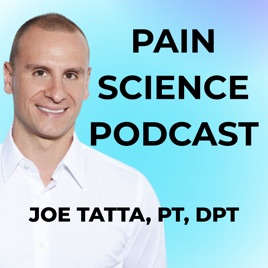
Advertise on podcast: Pain Science Podcast
Rating
4.8from
This podcast has
360 episodes
Language
EnglishPublisher
Dr. Joe TattaExplicit
No
Date created
2016/05/11
Latest episode
2026/10/12
Average duration
43 min.
Release period
20 days
Description
The Pain Science podcast discusses science-backed solutions for chronic pain. Learn how to use the brain, body, mind, and behavior for pain relief and improve both physical and mental well-being. Hosted by Dr. Joe Tatta, a physical therapist and CEO of the Integrative Pain Science Institute, the podcast features a wide range of topics, including pain neuroscience, physical therapy, psychology, exercise, health, and wellness. Work from the Integrative Pain Science Institute has been published in top journals, including Physical Therapy and Rehabilitation Journal and the Journal of Physiotherapy in Mental Health. Dr. Joe Tatta is widely recognized for his contributions to pain science and mental health physical therapy. He developed PRISM—Pain Recovery and Integrative Systems Model, a process-based cognitive-behavioral approach for physical therapy; Pain Resilience Therapy, a strengths-based approach to treating chronic pain; and the Mental Health Physical Therapist Certification Program. Join The Pain Science podcast to discover ways to reduce pain and expand your professional toolkit. Learn more at: https://integrativepainscienceinstitute.com/
Unlock Pain Science Podcast podcast Email contact info,
Listeners & Audience details
Email contact information
Direct podcast contact details

Listeners
Audience numbers & engagement insights

Audience details
Podcast Insights



Podcast episodes
Check latest episodes from Pain Science Podcast podcast
Changing Behavior Patterns in Chronic Pain
2026/10/12
Laura Rathbone is a physiotherapist, educator, and clinical coach specializing in complex and persistent pain. Based in Amsterdam, her work integrates contemporary pain science with psychologically informed, trauma-informed, and person-centered approaches to care. Laura holds an MSc in Advanced Neuromusculoskeletal Physiotherapy from King's College London and completed advanced training in Acceptance and Commitment Therapy (ACT) at the INPUT Pain Management Centre at St Thomas' Hospital, London. Her clinical and educational work draws on physiotherapy, ACT, mindfulness, pain science, and the humanities. Laura teaches internationally on persistent pain and psychologically informed rehabilitation, supporting healthcare professionals to develop evidence-informed approaches to complex pain. Originally trained as a journalist, she has a particular interest in language, communication, philosophy, and the humanities in healthcare. She is also the founder of Pain Geeks, an international community dedicated to advancing thoughtful dialogue about pain and its management.
Learn more at:
https://www.laurarathbone.com/
https://www.paingeeks.community/
Visit integrativepainscienceinstitute.com for CEU training in integrative, psychologically informed care for physical therapists and other practitioners.
Thank you for listening,
Joe Tatta, PT, DPT
[email protected]
Creating Wellness Retreats that Transform Physical Therapists with Mai Huong Ho-Tran PT, DPT
2026/08/31
Most physical therapists are taught to treat pain. Dr. Mai Huong Ho-Tran treats the whole person a shift that changes everything. In this conversation, we explore how experiential learning, mindful movement, and whole-person care can transform pain rehabilitation. Mai shares her Whole Health Framework, integrating breathwork, movement, behavior change, emotional intelligence, and provider wellness. We discuss her concept of an authentic appraisal, which expands the traditional orthopedic exam to consider adversity, emotional health, and clinician well-being. Mai Huong also opens up about burnout, compassion fatigue, authenticity, and the importance of keeping the healer well. She shares lessons from her Mount Madonna retreat and practices including Tai Chi, yoga, Pilates, and Feldenkrais. For clinicians seeking more effective, sustainable, human-centered care, this conversation offers a different way forward. Learn more at: holistichealthpt.com.
Visit integrativepainscienceinstitute.com for CEU training in integrative, psychologically informed care for physical therapists and other practitioners.
Thank you for listening,
Joe Tatta, PT, DPT
How This Physical Therapist Built a Trauma Practice with Gina Calderone, PT, DPT
2026/08/24
Physical therapists are rapidly expanding into mental and behavioral health care—and creating new models of practice that address the powerful connection between physical health, emotional wellbeing, and trauma. Dr. Gina Calderone, PT, DPT, shares how she built a cash-based physical therapy practice at the intersection of mind-body care and trauma-informed practice. We explore Gina's career path from fast-paced outpatient physical therapy to building a cash-based, integrative practice—and how that evolution ultimately led her to develop her own approach, Physioenergetic Therapy®.
Along the way, Gina explains why she has increasingly focused her work on adolescents and young adults, including her Gen Zen retreats designed to support the mental and emotional wellbeing of younger generations. We explore the impact of trauma, bullying, adverse childhood experiences (ACEs), and chronic stress, as well as the important role nervous system regulation can play in both physical and emotional health.
We also discuss what happens when emotional pain begins to show up in the body as physical symptoms—and why clinicians may need to look beyond a purely biomechanical model when symptoms cannot be fully explained by tissues, joints, muscles, or movement alone.
This conversation is especially relevant for physical therapists and other healthcare professionals interested in mental health, trauma-informed care, mind-body approaches, and developing innovative models of practice. It also offers an inside look at how one physical therapist moved beyond a traditional practice model, identified the population she most wanted to serve, and built a cash-based practice around an approach that reflects her clinical interests and values.
For physical therapists wondering what it can look like to build a career—and a practice—at the intersection of physical therapy, mental health, and trauma care, Gina's story offers an important example of where the profession is heading. To learn more about Dr. Gina Calderone and her work, visit: https://www.drginacalderone.com/
Visit integrativepainscienceinstitute.com for CEU training in integrative, psychologically informed care for physical therapists and other practitioners.
Thank you for listening,
Joe Tatta, PT, DPT
Reinventing Physical Therapy for Hypermobility Care with Erin Carr, PT, DPT
2026/08/17
Most PTs are taught to move fast. Dr. Erin Carr built her practice by slowing down, and that shift changed everything. In this conversation, Erin Carr, PT, DPT, shares how she grew Beyond Integrative PT from $3,000 in savings into a cash-based concierge practice in Santa Monica, California. She explains why she focuses on whole-person care for chronic pain and hypermobility, how she blends manual therapy with nutrition and nervous system support, and why patients often need more time, trust, and validation than standard PT allows. We also discuss her journey into online care and the development of the Hypermobility Roadmap, her online membership for patients who need practical tools, education, and community. To learn more, visit: https://beyondintegrativept.com/
Visit integrativepainscienceinstitute.com for CEU training in integrative, psychologically informed care for physical therapists and other practitioners.
Thank you for listening,
Joe Tatta, PT, DPT
Manual Therapy Through a Pain Science Lens: What's Really Happening with Damian Keter PT, DPT, PhD
2026/06/15
What actually happens in a patient's brain and body when you perform manual therapy? The answer may surprise you and change how you practice.
In this episode, Joe Tatta, PT, DPT, sits down with Damian Keter, PT, DPT, PhD, a researcher whose clinical career led him to question the foundational explanations behind one of physical therapy's most widely used interventions. Damian breaks down what a "treatment mechanism" actually means, a term frequently misused in the literature, and shares findings from his systematic review on the mechanisms associated with manual therapy.
The evidence reveals significant gaps: low-quality research, poor translational understanding, and the persistent influence of contextual factors that have nothing to do with the technique itself. Perhaps most provocatively, Damian addresses whether clinicians truly understand that manual therapy is no longer doing what we once thought,-realigning spines, correcting tissue abnormalities, or fixing structural problems.
With wide variability across professions, training backgrounds, and regions, false ideologies continue to circulate and undermine the credibility of evidence-based practitioners.
The good news? Understanding manual therapy through a mechanistic lens opens the door to smarter, more patient-centered practice. One where expectations, context, and the individual in front of you matter more than the technique you choose.
Visit integrativepainscienceinstitute.com for CEU training in integrative, psychologically informed care for physical therapists and other practitioners.
Thank you for listening,
Joe Tatta, PT, DPT
Yoga, Pain Science, and Physical Therapy with Sherry Brourman, PT, C-IAYT
2026/04/28
In this episode of the Pain Science Podcast, physical therapist Sherry Browerman discusses the intersection of yoga, physical therapy, and pain science. Sherry shares her journey of integrating these disciplines over 50 years, starting from her early experiences as an ice skater. They discuss how yoga and physical therapy can complement each other in understanding and managing pain. The conversation highlights the role of self-image and beliefs in movement and pain perception, emphasizing the importance of self-compassion and empowerment. Sherry also discusses how interoception, exteroception, and proprioception shape one's perception of movement and pain. Sherry's book, "From Bodily Knowledge to Intuitive Movement," serves as a foundation for exploring how these practices can lead to holistic healing and improved well-being.
Visit integrativepainscienceinstitute.com for CEU training in integrative, psychologically informed care for physical therapists and other practitioners.
Thank you for listening,
Joe Tatta, PT, DPT
Inside Physiotherapy's Mental Health Journal with Moisés Magos, Physiotherapist
2026/04/13
In this episode, we explore the growing integration of mental health into physical therapy with Moisés Magos, a physiotherapist and founder of the Journal of Physiotherapy in Mental Health. Drawing on over a decade of experience working with vulnerable populations—including individuals impacted by trauma, addiction, and displacement—Moisés shares the clinical and systemic gaps that led to the creation of the journal.
The conversation highlights a critical shift in the profession: recognizing that mental health is not separate from physical rehabilitation, but deeply intertwined with patient outcomes. We discuss how traditional biomedical models often fall short in addressing the complexity of chronic pain and recovery, and why a more holistic, biopsychosocial approach is essential for modern practice.
Moisés offers a compelling perspective on the unique role physical therapists play in mental health care, emphasizing the power of movement, embodiment, and therapeutic alliance as tools for psychological and physical healing. He also explains how the journal serves as a global platform to elevate research, amplify diverse voices, and foster international collaboration across disciplines. Learn more about the Journal of Physiotherapy in Mental Health here https://jptmh.com/index.php/jptmh/index
Visit integrativepainscienceinstitute.com for CEU training in integrative, psychologically informed care for physical therapists and other practitioners.
Thank you for listening,
Joe Tatta, PT, DPT
How Diagnostic Labels Shape Pain with Stephen Martin, PT, MSc
2026/03/30
In this episode, we explore how the words clinicians use to diagnose musculoskeletal pain can profoundly shape patient beliefs, behaviors, and clinical outcomes. Joined by Stephen Martin, PT, MSc, Senior Lecturer in Physiotherapy at the University of Winchester and PhD researcher on diagnostic language, we unpack emerging evidence showing that diagnostic labels are not neutral—they can act as powerful psychological signals that influence fear, recovery expectations, and even decisions around imaging and surgery.
We discuss why multiple labels are often used for the same condition and how this inconsistency creates confusion for both clinicians and patients. The conversation dives into the tension between specific and non-specific diagnoses—where specific labels may validate pain but increase fear and medicalization, while non-specific labels may support recovery but reduce patient satisfaction. A central theme is whether the label itself matters most, or the explanation that surrounds it, with growing evidence suggesting that how a diagnosis is communicated may be more impactful than the label alone.
You'll walk away with practical, evidence-informed insights on how to communicate diagnoses more effectively, reduce unintended harm, and support better outcomes in people living with pain.
Visit integrativepainscienceinstitute.com for CEU training in integrative, psychologically informed care for physical therapists and other practitioners.
Thank you for listening,
Joe Tatta, PT, DPT
How To Measure Pain Beliefs with Roland Reezigt, PT, PhD(c)
2026/03/16
In this episode of the Pain Science Podcast, we explore a key question in modern pain care: how do we measure whether pain science education actually changes the way people think about pain?
Pain researcher and physiotherapist Roland Reezigt, PT, PhD(c) joins us to discuss the best way to measure pain beliefs and how to assess conceptual change after Pain Science Education. The conversation highlights the shift from simply delivering pain information to facilitating true reconceptualization of pain. We discuss the difference between pain knowledge, beliefs, and attitudes—and why conceptual change, not just learning facts, is the real goal of pain education. Reezigt also raises an important challenge: many commonly used questionnaires may not clearly measure what clinicians think they measure.
For physical therapists, we explore which assessment tools are practical in busy clinical settings and how shifts in pain understanding translate into outcomes like reduced fear, greater self-efficacy, and meaningful behavior change.
Visit integrativepainscienceinstitute.com for CEU training in psychologically informed pain care for physical therapists and other practitioners. Thank you for listening,
Joe Tatta, PT, DPT
Primary Care Physical Therapy with Justin Carrier, PT, DPT
2026/03/09
In this episode, Justin Carrier, PT, DPT, explores what "Primary Care Physical Therapy" truly means and why it represents a pivotal shift for the profession. Rather than functioning solely within a referral-based model, primary care physical therapy positions physical therapists as primary care providers for neuromusculoskeletal conditions—capable of evaluation, assessment, diagnosis, differential diagnosis, and management without unnecessary gatekeeping. This model improves timely access, reduces downstream costs, and aligns care with evidence showing that early conservative management leads to better outcomes.
A central focus of the discussion is APTA Utah's recent legislative victory, which formally strengthened the role of physical therapists as primary care providers. The change removed key barriers that previously limited autonomous practice, allowing patients more direct access to PT services and clarifying the PT's role within the healthcare system. The legislation addressed real problems: delays in care, increased healthcare spending, and unnecessary reliance on imaging, opioids, or specialist referrals for common musculoskeletal issues.
Visit integrativepainscienceinstitute.com for CEU training in psychologically informed pain care for physical therapists and other practitioners.
Thank you for listening,
Joe Tatta, PT, DPT
Founder, Integrative Pain Science Institute
How Physical Therapists Became Treating Physicians in Montana with Emily Herndon, PT, DPT
2026/02/23
Emily Herndon, PT, DPT, shares her inspiring journey of how Montana physical therapists became recognized as primary care providers, influencing legislation and expanding the scope of practice. Discover strategies for advocacy, legislative success, and transforming physical therapy into a true primary care profession.
Visit integrativepainscienceinstitute.com for CEU training in psychologically informed pain care for physical therapists and other practitioners.
Thank you for listening,
Joe Tatta, PT, DPT
CEO, Integrative Pain Science Institute
Physical Therapists Managing Mental Health With Mary Beth Osborne, PT, DPT
2026/02/02
In this episode of the Pain Science Podcast, Dr. Mary Beth Osborne discusses the integration of mental health into physical therapy practice. She shares her personal experiences with suicide in her family, which have shaped her commitment to addressing mental health issues in her work. The conversation explores the importance of screening for mental health conditions, the role of physical therapists in providing holistic care, and the evolution of the PT Cares clinic at the University of Connecticut. Dr. Osborne emphasizes the need for physical therapists to be proactive in addressing mental health and the barriers that currently exist in the healthcare system.
Visit integrativepainscienceinstitute.com for CEU training on psychologically-informed pain care for physical therapists and other practitioners.
Thank you for listening,
Joe Tatta, PT, DPT
CEO, Integrative Pain Science Institute
APTA Expands PT Mental Health Role
2026/01/26
In this episode, Dr. Joe Tatta discusses the recent policy changes by the American Physical Therapy Association regarding the role of physical therapists in behavioral and mental health. He emphasizes the importance of this policy in legitimizing the role of physical therapists in addressing mental health issues, moving from mere acknowledgment to active inclusion in practice. The discussion covers the historical context of these policies, the implications for physical therapy education and practice, and the ethical responsibilities that come with this expanded scope. Dr. Tatta highlights the need for competence and the importance of viewing physical therapists as whole health clinicians capable of integrating mental health into their practice.
Visit integrativepainscienceinstitute.com for CEU training on integrative, psychologically-informed pain care for physical therapists and other practitioners.
Thank you for listening,
Joe Tatta, PT, DPT
CEO, Integrative Pain Science Institute
Nutrition, Rheumatoid Arthritis, and the New Food Pyramid with Sara Brown, PT, DPT, MS
2026/01/19
In this episode of the Pain Science Podcast, Joe Tatta, PT, DPT, welcomes Sarah Brown, PT, DPT, MS a doctor of physical therapy and nutritionist, to discuss the intricate relationship between food, the immune system, and chronic joint pain, particularly focusing on rheumatoid arthritis (RA). Dr. Brown shares her unique journey from physical therapy to nutrition, emphasizing the importance of combining movement and dietary changes to manage chronic pain effectively. They delve into the impact of diet on inflammation and pain, highlighting the significance of the Mediterranean diet and the potential benefits of an elimination diet for those suffering from RA.
The conversation also explores the pathophysiology of rheumatoid arthritis, including genetic and environmental triggers, and the role of gut health in managing inflammation. Dr. Brown explains how lifestyle factors such as diet, stress, and sleep can influence the immune response and overall health. The episode concludes with practical advice on dietary changes, the importance of understanding food's role in health, and the potential of supplements like omega-3 fatty acids, curcumin, and resveratrol in alleviating symptoms of RA. This insightful discussion aims to empower listeners with knowledge and practical strategies to improve their health through nutrition and lifestyle adjustments.
Visit integrativepainscienceinstitute.com for CEU training on integrative, psychologically-informed pain care for physical therapists and other practitioners.
Thank you for listening,
Joe Tatta, PT, DPT
CEO, Integrative Pain Science Institute
Delivering Community Pain Care with Sharna Prasad, PT, DPT
2026/01/05
In this episode of the Pain Science Podcast, Joe Tatta, PT, DPT, interviews Sharna Prasad, PT, DPT, about her journey from India to the U.S. and her experiences in pain management. They discuss the cultural influences on pain perception, the importance of understanding social determinants of health, and the need for a shift in physical therapy education. Dr. Prasad shares her insights on community empowerment, the development of pain education curricula, and the challenges faced in implementing new pain care models.
Visit integrativepainscienceinstitute.com for CEU training on integrative, psychologically-informed pain care for physical therapists and other practitioners.
Thank you for listening,
Joe Tatta, PT, DPT
CEO, Integrative Pain Science Institute
Podcast reviews
Read Pain Science Podcast podcast reviews
indigoandgo 2024/04/25
Great resource!
Pain Science Education is one of my favorite podcasts! And, although I love pain science education (in general), this podcast is really about so much ...
Junahdrian 2024/04/25
Hope as a Therapeutic Intervention for Chronic Pain
As someone with chronic pain, I particularly loved this episode because it focuses on self agency in getting your life and health back. I have worked ...
BAB PT 2024/04/24
Imperative information for all physical therapists
As PTs, we must advance the science of pain for our patients and other healthcare professionals.
Jason Cherry 2023/01/11
Thank you!
Thank you for having me on the podcast Joe. I am a long time listener and follower of your work so it was exciting to actually be on the podcast. I ap...
RyanWM 8000 2022/05/08
Episode 276 Scotty Butcher
I loved what Scotty call the “big fish in the pond.” The ability to connect with a client and how to help a client connect with themselves. Exercise t...
Magic of Motion 2022/04/25
Innovation Collaboration Sensation
I was super excited to be a guest on this amazing podcast, especially after attending Dr. Tatta's sessions at CSM on nutritions impact on pain. Joe is...
LI*LA*LO 2021/04/10
THANK YOU!!
I want to thank you for doin what you do because I’m just starting to learn about all of this stuff about pain and to why I’m in so much pain it took ...
Christine PT 2021/04/07
Tools for pain sufferers and practitioners
Thank you Dr. Tatta. This podcast always gets me excited about my work with patients and their families. Well articulated guests on a myriad of topics...
Sean P O'Dea 2020/11/18
Incredibly Powerful and Gave Me Hope
This episode gave me hope when I had very little and allowed me to cry. I’ve been in and out of physical therapy for the last several years for muscul...
ArtistJen74 2020/09/25
So helpful for patients and practitioners!
As a chronic pain patient (Charcot-Marie-Tooth disease, Rheumatoid Arthritis, Fibromyalgia, and chronic migraine), I have found Dr. Joe Tatta’s podcas...
Podcast sponsorship advertising
Start advertising on Pain Science Podcast relevant audience podcasts
You may also like to advertise on these Podcasts

4.813252012
The Jeff Cameron Show ~ Warchant.com
Jeff Cameron Show

4.8258931492
Relatable with Allie Beth Stuckey
Blaze Podcast Network
4.8224751793
The Andrew Klavan Show
The Daily Wire

4.716492000
Morning Mindset Christian Daily Devotional Bible study and prayer
Carey Green

4.810941764
Warchant Podcasts featuring Seminole Headlines
Warchant.com

4.82762857
Dopey: On the Dark Comedy of Drug Addiction
Dave & Chris
4.890611566
Fearless with Jason Whitlock
Blaze Podcast Network

4.959792000
Legal AF by MeidasTouch
MeidasTouch Network

4.725721047
The Dana Show with Dana Loesch – Politics & Culture Commentary
Dana Loesch – Conservative Political Commentary
4.723151959
Timeless Wisdom with Dennis Prager
Salem Podcast Network