1436672011
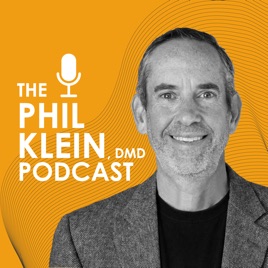
The Dr. Phil Klein Dental Podcast

Advertise on podcast: The Dr. Phil Klein Dental Podcast

Rating
★★★★★
4.7
from
39 reviews
This podcast has
758 episodes
Language
English
Explicit
No
Date created
2018/09/19
Latest episode
2026/04/23
Average duration
31 min.
Release period
4 days

Description

The Dr. Phil Klein Dental Podcast is the #1 clinical dental podcast for evidence-based dentistry. Hosted by endodontist Dr. Phil Klein, DMD - trusted by 250,000+ dental professionals with 750+ episodes since 2018. The fastest-growing dental podcast worldwide, The Dr. Phil Klein Dental Podcast delivers cutting-edge clinical dentistry, state-of-the-art dental education, and actionable practice management strategies to more than 250,000 dental professionals globally. Two new episodes every Monday and Thursday featuring world-renowned clinicians, dental school faculty, academic researchers, specialty leaders, and practice management experts discussing the latest advances in evidence-based dentistry and modern practice growth you can apply immediately in practice. Episodes span every major dental specialty - from implant dentistry, endodontics, and restorative dentistry to cosmetic dentistry, digital workflows, sleep dentistry, oral surgery, periodontics, infection control, and pediatric dentistry - giving dental professionals a single trusted source for cutting-edge clinical education across the full scope of modern dentistry. Guests include leading clinicians from Harvard School of Dental Medicine, University of Pennsylvania School of Dental Medicine, University of Florida College of Dentistry, the American Academy of Cosmetic Dentistry, the American Academy of Endodontists, and top dental institutions across the United States and internationally. Every episode is focused on clinical excellence and state-of-the-art dental techniques — evidence-based dentistry at its highest level. Perfect for: General dentists seeking cutting-edge clinical techniques and evidence-based protocols Dental specialists staying current across adjacent specialties Dental hygienists and assistants accessing clinical education beyond typical CE options Dental students and new graduates building a strong clinical foundation Practice owners integrating state-of-the-art digital workflows, modern dental materials, and proven practice management strategies Full episode library and clinical show notes: philkleindentalpodcast.com

Unlock The Dr. Phil Klein Dental Podcast podcast Email contact info,
Listeners & Audience details

Email contact information

Direct podcast contact details

Listeners

Audience numbers & engagement insights

Audience details

Podcast Insights

Podcast episodes

Check latest episodes from The Dr. Phil Klein Dental Podcast podcast


From Burnout to Balance: Reclaiming Your Energy and Purpose in Dentistry
2026/04/23
Are you feeling that creeping sense of exhaustion that makes you dread Monday morning? That disconnect where you're going through the motions but not really present with your patients? Caitlin Parsons is a registered dental hygienist with 15 years of clinical experience and founder of The Aligned Hygienist. She's also a public speaker, podcast host, key opinion leader, and ergonomics advisor who helps dental professionals manage stress and prevent burnout through yoga therapy and mindful movement. Her expertise comes from personal experience—she hit severe burnout early in her career at age 23-24, which led to her mission of helping dental professionals prioritize their well-being. This episode dives deep into the reality of burnout in dental practice, exploring why dental professionals are particularly vulnerable and what makes our profession different from other healthcare fields. Caitlin shares her personal journey from working five to six days a week through physical pain and emotional exhaustion to finding balance and purpose. The conversation covers practical strategies for recognizing early warning signs and implementing sustainable changes. Episode Highlights: Mental and emotional exhaustion, physical pain, irritability, feeling disconnected from patients, and loss of enthusiasm are key early signs of burnout that dental professionals should monitor. When addressed early, these symptoms represent smaller problems versus ignoring them until they compound into major issues requiring extensive intervention.Dentistry's unique burnout factors include working in millimeters requiring constant precision, time pressures, production expectations, and small business ownership responsibilities that other healthcare professionals don't face. Unlike physicians working in larger systems with HR and operations support, dentists often absorb multiple business functions while maintaining clinical excellence.The "quiet voice within" represents your body's intuition and signals about exhaustion, stress, and pain that practitioners often suppress during busy schedules. A yoga therapy study showed participants developed better self-awareness and pain self-efficacy, learning to address subtle signs before they become major problems.Working five full clinical days per week places significant physical and mental demands on dental professionals that contribute to burnout and pain. Reducing clinical time by even a half day while maintaining administrative work can provide crucial recovery time without completely compromising productivity or financial goals.Burnout affects patient care through decreased energy, reduced listening skills, irritability that patients can sense, and going into "robot mode" rather than providing engaged, personalized care. This impacts not only individual appointments but long-term patient retention and referral patterns that affect practice growth.Perfect for: dental hygienists, dentists, practice owners, and dental team members at any career stage who want to recognize burnout early and implement preventive strategies for long-term career sustainability. Don't wait until burnout forces you to reevaluate everything—learn the early warning signs and proactive steps you can take today.
Clear Aligner Success for GPs
2026/04/20
Are you sitting on a goldmine of untreated cases in your own practice? Most general dentists don't realize that approximately 80% of their existing patients have some form of misalignment that could benefit from clear aligner therapy. Dr. Avi Patel is a general dentist, founder and CEO of Clear Aligner Advisor, and recognized as the Dentist Influencer of the Year (2024). He has helped over 300 general dentists successfully integrate aligner systems into their practices through his training programs including Aligner Blueprint, Aligner Launchpad, and the Clear Aligner Confidence Bootcamp. Dr. Patel's teaching approach simplifies complex orthodontic principles into practical, step-by-step systems that help dentists offer aligners more predictably and profitably. This episode reveals the reality behind predictable clear aligner outcomes for general practitioners. Dr. Patel shares his journey from burnout to building a thriving aligner practice, emphasizing that successful integration requires more than platform certification. The conversation explores why mentorship is crucial, how to avoid common setup mistakes that lead to posterior open bites, and why understanding force distribution animations is critical for treatment planning success. Episode Highlights: Case selection fundamentals focus on addressing chief complaints like crowding-related oral health issues rather than pursuing complex movements. Dr. Patel emphasizes limiting molar movement and using bite ramps to prevent passive intrusion that causes posterior open bites. Simple cases in the first six months allow skill development while maintaining predictable outcomes.IPR precision requires verification with calibrated gauges after diamond strip use, as insufficient space creation directly impacts treatment predictability. The treatment plan may call for 0.4mm of IPR, but achieving only 0.2-0.3mm creates space deficits that compromise tooth movement and final positioning.Attachment placement technique demands precise composite application using etch and bond only where attachments belong, followed by black light verification for complete removal. Fluorescent composites designed for aligner attachments improve visibility during removal and prevent residual composite retention that affects patient comfort.Treatment planning modifications should optimize for patient chief complaints rather than accepting initial animated proposals from aligner companies. The animation shows force distribution on teeth, not predicted before-and-after results, requiring clinical interpretation and case-specific adjustments for successful outcomes.Patient communication strategies position aligner therapy as oral health improvement rather than cosmetic treatment, particularly effective with existing patients who already demonstrate trust. This approach works across all age groups, including patients over 65 who remain excellent candidates for alignment therapy and often become strong referral sources.Perfect for: General dentists considering clear aligner integration, practitioners seeking to improve existing aligner outcomes, and dental teams looking to expand comprehensive care offerings through evidence-based orthodontic treatment. Discover how proper case selection and clinical technique can transform your aligner success rate while building long-term patient relationships.
From Online Visitor to Booked Appointment: Dental Website Strategies That Work
2026/04/16
Are you still relying on a website that hasn't been touched in years? If Google notices your site is stagnant, it will drop you in search rankings, making it nearly impossible for potential patients to find you online. Brandon Bosch, President and Founder of Dr. Marketing, brings 15 years of expertise working exclusively with dental practices across North America and expanding into Europe. As a Certified Marketing Expert in both Google and Meta advertising, he has developed countless websites and marketing campaigns for dental offices, speaks at major dental conferences and universities, and leads a company that specializes in turning dental websites into 24/7 patient acquisition machines. This discussion reveals why your website must be more than just an online business card—it needs to be a dynamic, content-rich lead generator that matches the vibe of your community while answering the specific questions your potential patients are actively searching for online. Brandon explains how to leverage analytics to understand what visitors actually want, optimize content for local search dominance, and convert website traffic into booked appointments. Episode Highlights: RSS feed management is critical for SEO authority—websites that don't publish new content at least monthly lose credibility with Google's search algorithms. Stagnant feeds signal to search engines that your site is no longer active, causing significant drops in search rankings and patient discovery.Website visitors make engagement decisions within 10 seconds based primarily on visual design and vibe matching their community demographics. Most patients don't read bios or detailed content—they scan headers, assess visual appeal, and look for emergency services, pediatric care, and financing information.Content creation must be data-driven rather than assumption-based—50% of dental searches are location-based while 50% are question-based queries. Analyzing Google Search Console data reveals which specific questions patients in your area are asking, allowing you to create targeted blogs and videos that capture this traffic.Multiple conversion tools are essential since patients prefer different communication methods depending on their schedule and comfort level. Clickable phone numbers, online booking, chatbots, and web forms must all be present, with lead management systems tracking every interaction to prevent patient inquiries from being lost.Geographic optimization requires understanding your local market demographics and competition landscape—practices that have been consistently producing optimized content for years create significant barriers for new competitors. Success requires matching your website's aesthetic and messaging to your specific community's expectations and preferences.Perfect for: General dentists and specialists looking to improve their online presence, new practice owners building patient bases, and established practitioners whose websites haven't been updated recently. Don't let an outdated website cost you patients—discover how to transform your online presence into a patient acquisition powerhouse.
From Disease to Remission: A New Framework for Periodontal Care
2026/04/13
What if the goal of periodontal therapy isn't just managing disease, but achieving true periodontal remission? And how do we move beyond the subjective measurements we've relied on for decades to embrace precision assessment that transforms patient outcomes? Our guest today is Marianne Dryer, a registered dental hygienist with a master's degree in education from St. Joseph's College of Maine. Marianne brings over 30 years of clinical experience to her role as Program Director of Dental Hygiene at Cape Cod Community College. She has served as first-year coordinator at Collin College where she received the Outstanding Faculty Award, and she lectures nationally and internationally on periodontal instrumentation, ultrasonic technique, risk assessment, infection prevention, and radiology. She is a graduate of Forsyth School for Dental Hygienists and Old Dominion University, and has become a leading advocate for incorporating updated periodontal classifications and advanced diagnostic approaches into dental hygiene education. This episode explores how periodontal care is evolving from traditional maintenance models to precision-based remission protocols. We examine why clinical attachment level measurements provide more meaningful disease assessment than pocket depth alone, and how new classification systems from the 2017 AAP-EFP workshop offer clearer patient communication and interdisciplinary collaboration. The conversation reveals how artificial intelligence is revolutionizing periodontal diagnosis by quantifying clinical attachment loss with unprecedented accuracy, while addressing the persistent challenges of subjective probing techniques. Episode Highlights: The updated 2017 AAP periodontal classification system simplifies complex diagnosis into clear staging and grading protocols, moving away from the overwhelming 1999 system that looked like "a menu from the Cheesecake Factory" with too many diagnostic choices. This medical nomenclature approach enables quantified risk assessment, clearer prognosis communication, and better alignment with systemic disease management protocols used throughout medicine.Clinical attachment level measurement represents the gold standard for assessing true periodontal disease progression, providing fixed anatomical landmarks from the cemento-enamel junction to the junctional epithelium. Unlike subjective pocket depth measurements that reflect inflammation snapshots, clinical attachment loss quantifies actual disease progression and distinguishes between active periodontitis and gingivitis on reduced periodontium from previous surgical interventions.Artificial intelligence systems with FDA clearances are revolutionizing periodontal assessment by providing precise numerical and percentage calculations of clinical attachment loss from radiographic analysis. These AI diagnostic tools eliminate guesswork in bone loss assessment, though they still require accurate clinical probing technique and high-quality radiographic imaging without overlap, elongation, or foreshortening to generate reliable results.Furcation involvement assessment requires specific instrumentation beyond standard probing, particularly the neighbor's probe or furcation probe to accurately access areas like the mesial furcation on maxillary molars from the lingual approach. Inadequate furcation assessment represents a primary reason patients slip out of remission, as these anatomical areas harbor biofilm and deposits that standard straight probes cannot detect or measure accurately.Microbiome-guided periodontal therapy focuses on restoring microbial balance rather than bacterial elimination, addressing dysbiosis in non-responders through personalized approaches including salivary diagnostics, probiotics, and anti-inflammatory protocols. The 2026 CDT codes now include comprehensive salivary diagnostic options that don't require laboratory analysis, making microbiome assessment more accessible for routine clinical practice.Perfect for: General dentists seeking to modernize periodontal diagnosis and treatment protocols, dental hygienists implementing evidence-based classification systems, and dental teams interested in precision assessment technologies and patient-centered remission strategies. Discover how precision periodontal assessment and medical model thinking can transform your approach to chronic disease management.
From Diagnosis to Growth: A GP’s Success Story with CBCT
2026/04/09
Are you still relying solely on 2D radiographs for diagnosis when 3D technology could be revealing critical pathology you're missing? Could integrating advanced CBCT imaging transform not just your diagnostic capabilities, but your entire practice workflow and patient experience? Dr. Lori Trost brings extensive clinical expertise to this discussion as a comprehensive restorative dentist who maintains a full-time esthetic practice in Columbia, Illinois. With years of experience lecturing throughout North America, serving as a clinical evaluator for dental manufacturers, and authoring professional articles, Dr. Trost has been recognized as one of the "Top 25 Women in Dentistry" by Dental Products Report. She is a member of the ADA, ASDA, and AGD, serves as a board member of the AACO, and has received the Shils Foundation Award from the ADA for Entrepreneurial Spirit and Leadership. This episode explores how Dr. Trost leveraged CBCT technology to elevate her diagnostic precision and practice efficiency. Rather than following trends, she strategically integrated 3D imaging to eliminate diagnostic guesswork, enhance patient education through visual storytelling, and streamline referral processes. The discussion reveals how modern CBCT units with AI capabilities have evolved beyond their original surgical applications to become essential tools for comprehensive general practice. Episode Highlights: CBCT enables detection of pathology that 2D imaging consistently misses, including vertical root fractures which can be identified 100% of the time with proper acquisition technique and interpretation. Recent cases demonstrate finding unexpected bony defects and large radiolucencies in young patients that would have gone undiagnosed with conventional radiography.Modern voxel detail has improved dramatically, with focal points now measured in tens of millimeters compared to much larger measurements from 10-15 years ago. Current machines offer field of view options ranging from 5x5 millimeters for endodontic evaluation to 17x12 millimeters for full airway assessment and comprehensive treatment planning.AI integration transforms patient education by providing color-coded mapping and historical tracking capabilities that create visual timelines of dental disease progression. Patients consistently express amazement at seeing their oral structures in 3D, with the technology serving as a powerful tool for case acceptance and word-of-mouth marketing.Practice revenue impact can range from $8,000 to $27,000 monthly in additional restorative procedures identified through CBCT diagnosis. The technology eliminates multiple appointment cycles by providing definitive diagnosis immediately, reducing patient visits and specialist referral delays by 3-4 steps in complex cases.Airway assessment represents an expanding application for general practitioners, allowing volume measurements and constriction identification for sleep-related breathing disorders. This screening capability leverages the fact that patients see their dentist more frequently than their primary care physician, creating opportunities for early intervention referrals.Perfect for: General dentists considering CBCT integration, practitioners seeking to enhance diagnostic accuracy, and dental teams wanting to improve patient education and case acceptance through advanced imaging technology. Discover how strategic CBCT implementation can transform your diagnostic confidence and practice efficiency while delivering superior patient care.
The Dental Hygiene Multiplier: How Aligned Systems Fuel Sustainable Growth
2026/04/06
What if the hygiene department isn't just cleaning teeth — but could actually be the most powerful growth engine in your entire practice? What if optimizing hygiene could transform patient relationships, reduce doctor stress, and naturally drive production without chasing procedures? This episode features Tiffany Wuebben, a registered dental hygienist and founder/CEO of The Hygienepreneur, who brings 30 years of dental experience combined with hospitality industry expertise from working at the Ritz-Carlton. She's a published author of "Hygienepreneur: The Dental Hygienist's Guide to Achieving Career Success & Personal Transformation" and has evaluated over 100 dental practices to identify missed opportunities in hygiene department optimization. The conversation reveals how hygienists possess untapped relationship-building gifts that create generational patient loyalty and how hospitality-based care principles can differentiate practices from competitors down the street. Tiffany explains why traditional hygiene approaches fall short and demonstrates how strategic hygiene optimization creates exceptional patient experiences while driving measurable practice growth through systematic protocols and team calibration. Episode Highlights: Production increases of 10-15% within 30 days are achievable through simple tweaks like standardizing radiographic protocols and implementing consistent sealant placement systems. One practice saw $6,000 in additional production within two weeks just by adding maxillary anterior periapicals to capture missed canine decay.Hospitality-based care transforms patient experiences through intentional service delivery, such as providing blankets for elderly patients, using patients' names consistently, and anticipating needs before patients express them. This approach creates memorable experiences that build practice loyalty and word-of-mouth referrals.Team calibration requires written protocols for periodontal assessment, adjunct therapy recommendations, and risk-based prevention strategies. All team members must understand and consistently apply the same clinical decisions regardless of which doctor performs examinations, ensuring predictable care delivery.Effective doctor-hygienist handoffs function like choreographed transitions where team members edify each other in front of patients, building trust and improving case acceptance. This bi-directional relationship requires hygienists to understand doctor workflows and doctors to leverage hygienist relationship-building strengths.Risk-based prevention using modern preventive products allows hygienists to function as clinical mixologists, customizing preventive protocols with calcium phosphate and xylitol-containing products based on individual patient caries risk rather than providing standard fluoride treatments to all patients.Perfect for: General dentists, practice owners, dental hygienists, and practice managers seeking to optimize hygiene departments as strategic growth engines rather than traditional cleaning appointments. This conversation will challenge how you view your hygiene department and reveal what's possible when clinical excellence meets exceptional patient service.
Antibiotic Resistance: Smarter Prescribing in Dental Care
2026/04/02
Are you overprescribing antibiotics in your dental practice? With an estimated 30-85% of dental antibiotic prescriptions being suboptimal or unnecessary, this widespread issue is fueling the dangerous rise of antibiotic-resistant superbugs. Dr. Marie Fluent brings over 35 years of dental experience spanning roles as dentist, practice owner, infection control coordinator, office manager, and dental assistant. She is a recognized dental infection control clinical instructor, educator, speaker, author, and consultant who has educated thousands of dental professionals and students nationally and internationally through her writings, webinars, and invited lectures. Dr. Fluent is passionately committed to improving dental infection control and patient safety. This critical episode addresses the paradigm shift from "prescribe just in case" to "prescribe only when absolutely necessary." Dr. Fluent breaks down the 2019 American Dental Association guidelines for antibiotic prescribing, explores the connection between dental overprescribing and global antibiotic resistance, and provides practical strategies for implementing antibiotic stewardship in your practice. The discussion reveals how definitive conservative dental treatment, rather than antibiotics, should be the primary approach to most dental infections. Episode Highlights: Dentists contribute approximately 10% of all human antibiotic prescriptions in the United States, totaling 25 million prescriptions annually with an average of 200 prescriptions per dentist per year. This significant volume makes dental practices crucial players in the fight against antibiotic resistance.The ADA guidelines specify that antibiotics are not indicated for irreversible pulpitis or pulp necrosis with apical periodontitis when definitive conservative dental treatment can be performed immediately. Only systemic infections with fever, malaise, or lymphadenopathy require immediate antibiotic intervention regardless of treatment availability.Patients reporting penicillin allergies should be reassessed since true penicillin allergies lose their antibody response within 10 years. For patients without history of anaphylaxis, angioedema, or hives, ceflexin 500mg QID becomes the preferred alternative rather than automatically switching to broader spectrum antibiotics.Standard antibiotic duration has shifted from traditional 10-day courses to 3-7 day regimens, with patients instructed to discontinue therapy 24-48 hours after symptom resolution. This reduced duration maintains therapeutic effectiveness while minimizing resistance development and adverse effects including clostridioids difficile infections.Antibiotic prophylaxis for cardiac conditions is now limited to a small subset of high-risk patients including those with unrepaired cyanotic congenital heart disease, prosthetic cardiac valves, previous infective endocarditis, or cardiac transplant patients with valvulopathy. The vast majority of patients with heart murmurs or mitral valve prolapse no longer require prophylactic antibiotics.Perfect for: General dentists, endodontists, oral surgeons, dental residents, and practice managers seeking evidence-based guidance on responsible antibiotic prescribing and infection management protocols. Learn how your prescribing decisions today directly impact the effectiveness of antibiotics for future generations of patients.
Finding Fulfillment in Modern Dentistry: A Discussion with Dr. Sheila Samaddar
2026/03/30
Is dentistry still a rewarding career path despite rising stress, student debt, and corporate pressures? This conversation explores how modern dentistry continues to offer profound personal and professional fulfillment while addressing the real challenges facing today's dental professionals. Dr. Sheila Sammadar brings a unique perspective to this discussion as a third-generation doctor and nationally recognized clear aligner specialist practicing in the Washington, D.C. area. Internationally recognized and published by Invisalign for top case results annually, she holds a top 10 case recognition with the American Academy of Clear Aligners, making her the most decorated clear aligner GP provider in the D.C. metro area. She serves numerous volunteer roles locally, regionally, and nationally with the Academy of General Dentistry, including as a national spokesperson. This episode examines the evolving landscape of dental practice, from DSO opportunities to insurance independence, while emphasizing the critical role of continuing education in modern practice success. Dr. Sammadar shares insights on managing the profession's physical and emotional demands while maintaining long-term career satisfaction. The discussion highlights how strategic equipment choices and professional support systems can significantly impact both clinical outcomes and practitioner wellbeing. Episode Highlights: DSO employment patterns show most general dentists transition out within 2-3 years, with success depending heavily on choosing doctor-owned organizations that prioritize clinical decision-making over production metrics. New graduates should research DSO cultures carefully to ensure alignment with their professional values and treatment philosophies.Continuing education has evolved from a licensing requirement to a practice survival necessity, with successful practitioners taking 30+ hours monthly through study clubs, weekend courses, and specialized training programs. Focus areas should be limited to 2-4 specialties to develop true expertise rather than attempting to master every dental discipline.Clear aligner therapy success requires systematic case selection and ongoing education, with new virtual orthodontic collaboration platforms providing GP dentists with specialist guidance throughout treatment planning and case management. These platforms offer real-time consultation and case approval systems before treatment initiation.Physical injury prevention centers on ergonomic equipment selection, particularly electric handpieces that reduce hand and forearm stress through decreased vibration and increased cutting efficiency. Modern electric handpieces now rival air-driven units in size and weight while providing superior torque and precision for challenging procedures.Burnout prevention requires building professional support networks that include both dental colleagues for clinical discussions and trusted confidants for emotional processing. Practitioners should establish multiple professional relationships to avoid over-relying on single support persons while maintaining work-life boundaries with family members.Perfect for: General dentists at all career stages, particularly those considering clear aligner therapy, evaluating DSO opportunities, or seeking strategies for long-term practice sustainability and personal wellbeing. Discover why experienced practitioners believe dentistry remains one of the most rewarding healthcare professions despite its evolving challenges.
Concerned Team Member Triggers OSHA Nitrous Oxide Inspection
2026/03/26
When a pregnant team member asked about nitrous oxide safety testing and didn't get satisfactory answers, she contacted OSHA directly. The result? An unannounced inspection that revealed nitrous levels nearly 10 times higher than permissible limits and serious compliance violations. Dr. Karson Carpenter brings over 25 years of experience as an OSHA-approved trainer and President of Compliance Training Partners. A practicing dentist himself, Dr. Carpenter has guided numerous practices across the United States through OSHA and HIPAA inspections, specializing in infection control, regulatory compliance, and the critical post-inspection process. His expertise in governmental regulations affecting dental practices makes him uniquely qualified to break down this complex case. This episode dissects a real OSHA inspection triggered by employee concerns over nitrous oxide exposure in a dental practice. Dr. Carpenter walks through the inspector's methodology, the documentation they demanded, and the shocking test results that revealed levels reaching 1,000 parts per million in some operatories. The discussion explores how outdated delivery systems, improper scavenging, and inadequate maintenance can create dangerous working conditions that violate federal safety standards. Episode Highlights: NIOSH guidelines establish permissible exposure limits of 50 parts per million over eight hours and 75 parts per million for 15-minute exposures, with quarterly testing recommended by both EPA and NIOSH. OSHA can cite practices under the general duty clause when these national guidelines aren't followed, even without specific regulations mandating testing.The inspection revealed nitrous levels of nearly 1,000 parts per million during short-term exposure tests and almost 500 parts per million for eight-hour exposure limits, indicating severe equipment failures. Contributing factors included older manifold systems, ill-fitting masks, improperly vented scavenger systems, and potential recirculation through HVAC systems.Testing protocols involve exposing badge-style monitors in each operatory for eight-hour periods quarterly, with results extrapolated for shorter exposure times. Approved laboratories analyze samples and provide documentation that practices must maintain for at least five years as proof of compliance.Older wet vacuum scavenger systems can actually circulate waste anesthetic gas back through the office via heating and cooling systems, while modern dry vacuum systems with external air sources and proper ventilation eliminate this recirculation risk. Disposable mask circuits with improved sealing also reduce exposure while addressing infection control concerns.Beyond financial penalties typically ranging from $5,000 to $50,000, OSHA violations create public record documentation, staff disruption, patient scheduling interruptions, and ongoing reinspection requirements. The reputational damage and potential staff turnover often exceed the actual fine costs, making proactive testing a valuable practice management strategy.Perfect for: General dentists and specialists using nitrous oxide, practice owners concerned about regulatory compliance, office managers responsible for staff safety protocols, and dental teams working in environments with anesthetic gas exposure. Don't let a simple safety question from your team turn into a compliance nightmare that could have been easily prevented.
Clear Aligner Success in GP Hands: The Case for Orthodontic Collaboration
2026/03/23
How do you know when a clear aligner case is beyond your comfort zone, and what happens when treatment doesn't track as expected? Dr. Stout is a board-certified orthodontist from the University of Pennsylvania School of Dental Medicine who completed his orthodontic residency and Master of Science in Dentistry at the University of Washington. He achieved board certification with the American Board of Orthodontics in 2016 and is a published author in the American Journal of Orthodontics and Dentofacial Orthopedics. After practicing in Seattle and New York City for 9 years, Dr. Stout founded besmyle, a cloud-based software platform that provides a full orthodontic vertical and interdisciplinary ecosystem for modern dentistry. This episode explores the critical gap between opportunity and overreach in clear aligner therapy for general dentists. The conversation reveals why case selection expertise and volume experience create fundamental differences between specialist and general practice outcomes, and how virtual orthodontic collaboration can bridge this knowledge gap while keeping GPs in their clinical comfort zone. Episode Highlights: Case selection mastery stems from volume experience, with orthodontists typically evaluating 10 new cases daily compared to what GPs might see in an entire year. This experience gap directly impacts the ability to anticipate treatment challenges, set appropriate patient expectations, and select the correct treatment modality for optimal outcomes.The number one mistake in clear aligner therapy is over-trusting initial treatment designs from aligner companies. These first designs typically come from algorithms, AI systems, and trained technicians rather than clinical specialists, making it essential for GPs to edit and question every aspect of the proposed treatment plan before acceptance.Posterior open bite occurs as the most common complication due to the intrusive forces created by aligner occlusal coverage combined with normal biting forces. Prevention involves adding quarter-millimeter extrusion movements to posterior teeth in the initial treatment design, along with strategic aligner trimming and bite ramp placement when necessary.Appropriate GP cases include Class I malocclusions with 20-40% overbite and mild crowding requiring minor interproximal reduction on lower incisors. Cases requiring referral include moderate to severe crowding exceeding 6mm arch length discrepancy, any skeletal discrepancies in the transverse, vertical, or anteroposterior dimensions, and complex movements requiring extractions or significant expansion.Virtual orthodontic collaboration platforms provide case-by-case screening, treatment planning by board-certified orthodontists, custom educational videos, unlimited refinements, and 24/7 specialist support. This model allows GPs to "refer in expertise" rather than refer patients out, maintaining the doctor-patient relationship while ensuring specialist-level treatment quality.Perfect for: General dentists considering clear aligner therapy, practitioners currently offering aligners who want to improve outcomes, and dental team members seeking to understand appropriate case selection and specialist collaboration models. Discover how virtual orthodontic collaboration can transform your clear aligner success rate while keeping complex cases within your practice.
The Rise of DIY Dentistry on Social Media: Why it Matters
2026/03/19
Are your patients filing their teeth with nail files or mixing homemade toothpaste after watching viral social media videos? The rise of do-it-yourself dentistry fueled by uncredentialed influencers is creating serious oral health risks that dental professionals are encountering daily in their operatories. Cheryl Calmis is a registered dental hygienist with over 30 years of clinical experience specializing in periodontics and diode laser therapy. She holds a Bachelor of Science in dental hygiene from the University of California, San Francisco, a Bachelor of Science in Biology from San Jose State University, and a Master of Education in Instructional Design from Western Governors University, graduating with highest honors. As a professional educator for Water Pik, Inc., and researcher for Biolase, Inc., she has authored numerous dental articles and delivers continuing education lectures on contemporary topics including social media's impact on dental health. This episode explores the dangerous intersection of social media misinformation and oral health care. The discussion covers how viral DIY dental trends are influencing patients to attempt dangerous procedures at home, the regulatory gaps in oral care products, and practical strategies for dental professionals to identify and address these issues. This conversation provides essential insights into a growing challenge that's affecting practices nationwide as patients increasingly turn to influencers instead of licensed professionals for dental advice. Episode Highlights: DIY tooth recontouring using nail files can remove excessive enamel and potentially expose the pulp chamber, leading to sensitivity issues and requiring endodontic therapy. These procedures are being performed by individuals with no understanding of dental anatomy or the irreversible nature of enamel loss.At-home whitening methods promoted by influencers include repeated lemon juice application and direct placement of 3% hydrogen peroxide on cotton pads against teeth. These acidic treatments can cause severe enamel demineralization and tissue damage, with some viral videos accumulating over one million views despite providing no safety instructions or contact time guidelines.Consumer-grade ultrasonic scalers powered by USB ports are being sold for approximately $30 and used by untrained individuals for calculus removal. These instruments can superheat teeth, burnish calculus deposits, and cause soft tissue trauma when used without proper training or understanding of dental anatomy.Homemade toothpaste recipes containing bentonite clay, lemon juice, and essential oils are being shared widely online. These formulations can be highly abrasive to enamel and soft tissues while potentially containing heavy metal contaminants, and they may promote bacterial overgrowth due to improper storage and application methods.Cosmetic oral care products sold through social media platforms operate without FDA oversight when they make only aesthetic claims rather than therapeutic ones. This regulatory gap allows manufacturers to include undisclosed ingredient concentrations and avoid sharing formulation rationale with dental professionals who may be asked about these products by patients.Perfect for: General dentists, dental hygienists, practice managers, and dental team members who need to recognize signs of DIY dental procedures and effectively counsel patients about social media misinformation. Don't let your patients fall victim to dangerous social media dental trends – learn how to identify the warning signs and protect your patients' oral health.
The Missing Data in Digital Dentistry: Jaw Motion Tracking Explained
2026/03/16
How many times have you delivered a crown that required extensive occlusal adjustment, leaving you wondering if there's a better way to predict how patients will actually function with their restorations? Dr. Mark Kleive, DDS, brings over 25 years of restorative expertise to this conversation. A distinguished graduate of the University of Minnesota School of Dentistry and Fellow of the American College of Dentists, Dr. Kleive serves as visiting faculty at the renowned Pankey Institute, where he teaches advanced concepts in comprehensive dental care and has become a leading voice in digital dentistry integration. This episode explores how jaw motion tracking technology is revolutionizing restorative dentistry by capturing real patient movement patterns and translating them into precise virtual articulators. Dr. Kleive demonstrates how this technology goes far beyond traditional face bow transfers and semi-adjustable articulators, which rely on straight-path condylar guidance and arbitrary measurements. Instead, jaw motion tracking records every boundary movement a patient can make, creating dynamic motion files that inform restoration design at the laboratory level. The discussion covers the clinical workflow from data acquisition using facial scanners with motion tracking capabilities to software integration with design platforms. Dr. Kleive explains when jaw motion tracking provides the greatest clinical value, emphasizing its importance for high-risk patients with TMD history, excessive wear patterns, or complex multi-unit restorations, while acknowledging that low-risk single crown cases may not require this level of sophistication. Key technical concepts include the difference between static occlusal checking with articulating paper versus dynamic functional analysis, how motion data files integrate with laboratory design software, and the critical relationship between restoration morphology and patient chewing efficiency. The episode also addresses the technology adoption curve in dentistry and return on investment considerations for practice integration. Perfect for: General dentists considering advanced restorative workflows, specialists managing complex cases, dental team members involved in digital dentistry coordination, and clinicians seeking to differentiate their practices through enhanced patient experiences. If you've ever had a patient say 'I like my new teeth, but I don't chew as well with them,' this episode provides the clinical roadmap for ensuring form truly follows function in your restorative cases.
Bridging the Dentist-Hygienist Gap: Comprehensive Care Starts in the Hygiene Chair
2026/03/12
What if your hygiene department is the most underutilized clinical asset in your practice — and no one has noticed yet? Katrina Klein is a registered dental hygienist with 17 years of clinical experience, a national speaker, author, certified personal trainer, certified ergonomic assessment specialist, and functional range conditioning mobility specialist. She is the founder of ErgoFitLife, a platform dedicated to helping dental professionals prevent, reduce, or eliminate occupational pain through the integration of ergonomics and fitness. Her additional certifications in sleep apnea screening and laser therapy give her a uniquely multidimensional perspective on what the modern dental hygienist can and should be doing in the operatory. In this conversation, Dr. Phil Klein and Katrina Klein explore the substantial gap between how most hygiene departments operate and what they are genuinely capable of delivering — both clinically and financially. The discussion challenges the reductive ""scale and move on"" model, making a compelling case for comprehensive hygiene practice that positions the hygienist as the investigative engine of the dental office. Covering airway screening, co-diagnosis, periodontal documentation, laser therapy, and strategic continuing education, this episode is a frank, clinically grounded blueprint for reinventing the hygiene model. The conversation also confronts the practice alignment question directly: how hygienists can evaluate a potential employer before accepting a position, and how dentists can structure an environment where high-functioning hygiene actually thrives. Episode Highlights: The ""bloody prophy"" problem — why performing subgingival instrumentation during a prophylaxis appointment without patient disclosure or appropriate coding fails the patient clinically, obscures periodontal diagnosis, and ultimately undermines both the provider's integrity and the practice's financial health. Airway screening in the hygiene operatory, including pharyngometer use, OSA risk factor identification, and the systemic connection between untreated sleep-disordered breathing, chronic dry mouth, recurrent decay, and progressive periodontal destruction. Using digital periodontal charting — including probing depths, recession measurements, and bleeding-on-probing indicators — as a real-time patient education tool that turns data visualization into a driver of treatment acceptance, home care compliance, and long-term patient loyalty. Low-barrier strategies for building a comprehensive hygiene model without significant capital investment, including intraoral camera adoption, disclosing solution, silver diamine therapy, oral probiotics, pharmacological medicaments, and laser therapy — all capable of generating billable revenue independent of insurance fee schedules. The ""first date"" approach to practice alignment: specific interview-stage conversations hygienists should initiate with prospective employers about airway protocols, laser scope of practice, adult orthodontic philosophy, local anesthetic authorization, and five-year practice vision before committing to any position. Perfect for: dental hygienists committed to practicing at the full extent of their clinical license, general dentists looking to unlock the diagnostic and revenue potential of their hygiene department, and dental practice owners who want to build a team culture grounded in comprehensive, patient-centered care. If you have ever felt that your hygiene chair is capable of more than your schedule allows, this episode will give you the language, the framework, and the confidence to change that.
The One-Composite Question: Can a Universal Material Really Do It All?
2026/03/09
If you've ever wondered whether one composite can genuinely handle anterior aesthetics and posterior strength without compromise, this episode delivers a clinician's honest answer — with case results to back it up. Dr. Susan McMahon is a graduate of the University of Pittsburgh School of Dental Medicine and leads one of the largest cosmetic dental practices in Western Pennsylvania. She holds accreditation from the American Academy of Cosmetic Dentistry — one of only 350 dentists worldwide to have achieved that distinction — and is a fellow in the International Academy of Dental-Facial Esthetics and Director of New Product Evaluation for Catapult Education. A seven-time Smile Gallery award winner through the AACD, including two gold medals, Dr. McMahon has been recognized five times as a Top Cosmetic Dentist and voted by her peers as a Top Dentist in Pittsburgh for multiple decades. She is a past clinical instructor in Prosthodontics and Operative Dentistry at the University of Pittsburgh School of Dental Medicine, a guest lecturer at West Virginia University School of Dentistry, and lectures across the United States and Europe on cosmetic dentistry and smile design. She was recently inducted into the American Society for Dental Aesthetics. In this episode, Dr. McMahon joins Dr. Phil Klein to make the case for universal composites as a genuine all-in-one restorative solution — not as a marketing promise, but as a clinical reality she has validated across anterior and posterior cases in her own high-volume cosmetic practice. The conversation centers on Grandioso 4U by VOCO, a 91% filled universal composite with a chameleon optical effect, 4mm depth of cure, and a five-shade cluster system that covers the full Vita shade range. Dr. McMahon walks through her real-world experience with the material, including shade matching strategy, handling characteristics, polish retention at recall, and why she is increasingly choosing direct composite over lower anterior veneers in full-mouth cosmetic cases. The episode also expands into 3D printing workflows and digital collaboration with the lab — areas where Dr. McMahon's practice has become a model for efficiency and productivity. Episode Highlights: Why a 91% filler load does not mean a difficult-to-handle material — and how Grandioso 4U achieves creamy, sculptable consistency while delivering the chameleon optical effect in both anterior and posterior applications The five-shade cluster system that covers the entire 14-shade Vita guide, reduces inventory waste, and eliminates the need for complex shade layering in the overwhelming majority of cases The clinical rationale for choosing direct composite over lower anterior veneers — including concerns about emergence profile, incisal edge thickness, and unnecessary tooth structure removal on small lower incisors How 3D printing has become indispensable in high-volume cosmetic practices, including same-day provisional fabrication for full-arch implant cases through a fully digital lab collaboration workflow The five-minute finish protocol for direct composite and how this material's polishability rivals microfills — making beautiful anterior restorations achievable and repeatable for any clinician, not just those with advanced artistic training Perfect for: Restorative and cosmetic dentists evaluating whether to consolidate their composite inventory around a universal material, general dentists looking to expand their direct restorative confidence in the anterior, and any clinician interested in how digital workflow and next-generation materials are intersecting in a high-production cosmetic practice. If you have ever stocked a dozen composite shades and still ended up with drawers full of expired material, Dr. McMahon's approach to simplification — without sacrificing aesthetics — is exactly what this episode is built around. Subscribe on Apple Podcasts or Spotify to stay current with new episodes every week.
Why Every GP and Hygienist Should Be Using a Dental Laser
2026/03/05
Your practice already owns a laser — so why is it sitting in a closet collecting dust? Dr. Robert Convissar is a pioneer in dental laser technology and one of the foremost authorities on clinical laser application worldwide. One of the first general dentists to incorporate lasers into everyday practice — beginning in 1989 — he brings over four decades of hands-on experience with CO2, diode, Nd:YAG, and erbium wavelengths. He serves as Director of Laser Dentistry at New York Hospital Medical Center of Queens, has authored four textbooks including the landmark Principles and Practice of Laser Dentistry (now in its third edition, with a foreword by Gordon Christensen), and has published more than a dozen peer-reviewed papers translated into eight languages. His clinical work has been featured on NBC-TV News, CBS-TV News, and the WABC Radio Network. In this conversation with Dr. Phil Klein, Dr. Convissar makes the case that the single greatest barrier to laser adoption is not cost — it is the near-universal absence of adequate training. Drawing on decades of lecturing worldwide and fielding daily follow-up questions from course alumni, he explains precisely why CO2 is the wavelength of choice for non-surgical laser periodontal therapy, what the ADA and AAP clinical practice guidelines actually say about wavelength selection, and why most dentists who shelve their lasers were set up to fail from the moment of purchase. The episode is a thorough, evidence-grounded walkthrough of how to integrate non-surgical laser periotherapy into a general practice workflow — clinically, financially, and operationally. Beyond periodontics, Dr. Convissar also covers the laser's role in gingival troughing, soft tissue biopsy, peri-implantitis, clear aligner adjunct procedures, and residual ridge management. Episode Highlights: Why the ADA and AAP clinical practice guidelines explicitly exclude diode, Nd:YAG, and erbium wavelengths from non-surgical periodontal pocket therapy — and why CO2's preferential absorption by sulcular epithelium makes it the evidence-supported standard of care for pocket decontamination after SRP. The critical sequencing protocol: laser non-surgical periotherapy is always performed after a full course of quadrant scaling and root planing, followed by a two-week reevaluation period — never concurrent — and why deviating from this protocol predictably leads to treatment failure. Patient selection criteria for laser periotherapy: why poorly controlled diabetics, heavy smokers, and immunocompromised patients require modified expectations rather than exclusion, and why six millimeters is the evidence-based pocket depth threshold beyond which surgical referral is indicated (per Rella Christensen's landmark study). The revenue model for non-surgical laser periodontal therapy: because no ADA procedure code exists for this service, it is billed as a non-covered, out-of-pocket fee — with full-mouth treatment packages ranging from $5,000 to $10,000 in metro markets, substantially outpacing the reimbursement ceiling on D4341 quadrant SRP alone. What a defensible laser training program must include: a minimum two-day format, exposure to at least two wavelengths from at least two manufacturers, hands-on completion of no fewer than a dozen procedures on pig mandibles (including frenetomy, gingivectomy, soft tissue crown lengthening, periocpocket decontamination, and biopsy), and a 75-question multiple choice examination — and why company-sponsored seminars do not meet this standard. Perfect for: general dentists considering laser adoption or looking to move an underused device off the shelf, dental hygienists in laser-permitted states exploring non-surgical periotherapy, and any clinician interested in expanding their perio protocol with a revenue-generating, evidence-backed adjunct. If you have been waiting for a clear, no-hype framework for integrating laser dentistry into your practice — from clinical rationale to patient conversation to ROI — this is the episode to bookmark.

Podcast reviews

Read The Dr. Phil Klein Dental Podcast podcast reviews


4.7 out of 5
39 reviews
★★★★★
Dentist 303 2026/02/20
Highly recommend this dental podcast
Extremely informative and timely information that has helped my practice. I especially like the clinical episodes and regulatory topics like HIPAA, OS...
★★★★★
Endo guy 2026/02/19
Excellent resource for clinical dentistry
Very helpful clinically and some excellent Endo episodes! I learned about the root ZX3 HF module! Works great in my practice.
★★★★★
JA Bruh 2026/02/12
Impactful and Digestible dental pod!
I love the Phil Klein Dental podcast show because the episodes are so digestible and easy to implement. They aren’t three hours long so that I can mak...
★★★★★
AviPatel123 2026/02/10
Love this show
Dr. Klein is such a great podcast host! I loved hearing about the organic conversations around how to help dentists grow
★★★★★
Dentist-NY 2026/02/10
Exceptional dental podcast
Just started listening to this podcast show. Excellent information and relevant to my practice. There's plenty to learn here from the knowledgeable gu...
★★★★★
Kk234 2026/02/05
The best podcast for dental professionals!
This is my favorite dental podcast for so many reasons. Dr. Phil Klein is an amazing host. He asks insightful and straight to the point questions whic...
★★★★★
TiffnTN 2026/02/03
Best Dental Podcast Ever
Wow!!! What an amazing podcast. Dr. Phil brings on the best guests who have so much knowledge. I have learned so many pearls. Love it!!!
★★★★★
Amy670 2025/07/30
Best dental podcast show!
Great host and top-notch guests! Learned many tips from this show that saved me time and money!
★★★★★
Lkuhn... 2024/05/23
My Go-to Dental Podcast
I’m an endodontist. I love that these podcasts are brief, high-yield, and have high quality sound. This podcast keeps me up-to-date on the opinions an...
★★★★★
Grinmaster Mitchell 2024/04/24
Excellent podcast for Dentists
Great podcast! Something new every time. Dr.Klein covers a wide range of topics and keeps it fun and informative.
check all reviews on apple podcasts

Podcast sponsorship advertising

Start advertising on The Dr. Phil Klein Dental Podcast relevant audience podcasts


What do you want to promote?