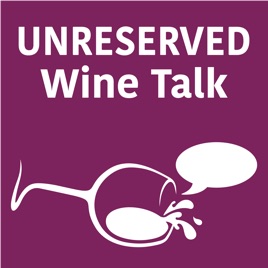
Advertise on podcast: Unreserved Wine Talk
Rating
4.7from
This podcast has
415 episodes
Language
EnglishPublisher
Natalie MacLeanExplicit
No
Date created
2018/11/21
Latest episode
2026/09/30
Average duration
46 min.
Release period
7 days
Description
The Unreserved Wine Talk podcast features candid conversations with the most fascinating people in the wine world. Your host, award-winning journalist Natalie MacLean, dives into how it feels to compete in the nerve-wracking World's Best Sommelier Competition, the shadowy underground of wine forgery, the zany tactics of a winemaker who hosted a funeral for cork, and more. Nestled in these colourful stories are practical tips on how to choose wine from a restaurant list, pair it with food and spot great values in the liquor store. Every second episode, Natalie goes solo with an unfiltered, personal reflection on wine. She'll share with you how it feels to be a woman in what is still a largely male-dominated field, her gut reaction to the latest health study that says no amount of alcohol consumption is safe and her journey in writing her next book. She'll reveal these vulnerable, sometimes embarrassing, stories with tipsy wit and wisdom that she's soaked up from 20 years of writing about wine. This podcast is for wine lovers from novices to well-cellared aficionados.
Unlock Unreserved Wine Talk podcast Email contact info,
Listeners & Audience details
Email contact information
Direct podcast contact details

Listeners
Audience numbers & engagement insights

Audience details
Podcast Insights



Podcast episodes
Check latest episodes from Unreserved Wine Talk podcast
How can two rums taste completely different even though they're both made from sugar cane? Kara Newman reveals the secret
2026/09/30
How can two rums taste completely different even though they're both made from sugar cane? What makes Jamaican rum so famously funky, and what does a dunder pit have to do with it? How does the type of ice you use change the strength, temperature, and texture of a cocktail?
In this episode of the Unreserved Wine Talk podcast, I'm chatting with Kara Newman, the author of eight cocktail books.
You can find the wines we discussed at https://www.nataliemaclean.com/winepicks.
Giveaway
One of you is going to win a copy of one of Kara Newman's The Cocktail Cabinet. To qualify, all you have to do is email me at [email protected]. I'll choose two people randomly from those who contact me. Good luck!
Highlights
How did writing about stocks, bonds, and commodities eventually lead Kara to a career covering cocktails and spirits?
Why does Kara see cocktail recipes as a starting point rather than a strict set of instructions?
How does writing cocktail recipes on individual cards change the way Kara approaches storytelling?
How can two rums taste so dramatically different when they're both made from sugar cane?
Why did early Tiki pioneers blend multiple styles of rum into a single cocktail?
How did the fierce rivalry between Don the Beachcomber and Trader Vic help shape Tiki cocktail culture?
What gives rhum agricole its distinctive grassy, funky character?
What exactly makes Jamaican rum so funky, and what does a dunder pit have to do with it?
Why does the Three Dots and a Dash cocktail literally wear its name in its garnish?
Why did Don the Beachcomber impose a two-drink limit on his famously potent Zombie cocktail?
How does the type of ice you use change a cocktail?
Why should you stop thinking of rum as one category from one part of the world?
About Kara Newman
Kara Newman reviews spirits for Wine Enthusiast magazine, where she's also a writer-at-large covering cocktails, spirits and bar culture, from Cuban rum to the world's tiniest two-seat bar. Her work also appears in publications including Afar, Bloomberg Pursuits, Food & Wine, PUNCH, and the Wall Street Journal and BBC Travel. She's the author of seven cocktail books -- soon to be eight!
To learn more, visit https://www.nataliemaclean.com/409.
How Are Modern Whisky Makers Using Blending To Capture Emotions and Experiences?
2026/09/23
How does smoking whisky grains with elephant dung translate into flavours like raspberry and sandalwood? What does the saying "you can't turn a donkey into a racehorse" reveal about making great whisky? How are modern whisky makers using blending to capture emotions and experiences?
In this episode of the Unreserved Wine Talk podcast, I'm chatting with Kristiane Westray.
You can find the wines we discussed at https://www.nataliemaclean.com/winepicks.
Giveaway
Two of you are going to win a copy of Kristiane Westray's terrific book, Savour: A Guide To Tasting and Exploring Whiskies of the World. To qualify, all you have to do is email me at [email protected]. I'll choose two people randomly from those who contact me. Good luck!
Highlights
How are modern whisky makers using blending to capture emotions and experiences rather than simply create consistency?
Why are smaller distilleries more likely to experiment with different grains, yeasts, and production methods?
How can something as simple as changing yeast dramatically influence the flavour of a whisky?
What does the saying "you can't turn a donkey into a racehorse" reveal about making great whisky?
How can a whisky maker's background and philosophy become almost like another ingredient in the final spirit?
What does ageing whisky in former Japanese shochu casks add that more familiar bourbon or Sherry casks cannot?
How do unconventional materials create entirely new flavours in whisky?
Why does Kristiane think whisky drinkers should focus on enjoying what's in the glass?
How do altitude and atmospheric pressure affect the way whisky is distilled and matured?
What makes Canada's craft whisky scene so exciting?
Why is whisky and ginger ale Kristiane's go-to pub drink, even when she's using single malt?
What are Kristiane's three essential tips for anyone who wants to enjoy whisky more?
About Kristiane Westray
Kristiane Westray is a whisky communicator and author. Her first book Savour was published by Bloomsbury in October 2025. She has written about spirits since 2012, and her work has appeared in Whisky Magazine, The Malt Whisky Yearbook, The Times, Club Oenologique and many more. She is the former editor at The Spirits Business and led the content team at Master of Malt, where she trained as a WSET Spirits Educator. As a judge in the UK and US, she has tasted and assessed thousands of whiskies from around the world. An accomplished presenter, Kristiane has hosted numerous tastings, co-hosted live broadcasts, and appeared as a whisky expert on Channel 4's Sunday Brunch. A passionate advocate for equity in whisky, her work on social media drives education and inclusivity with the vision that whisky is for everyone. Kristiane is based in Brighton, UK, where she lives with her girlfriend and a tiny ginger cat.
To learn more, visit https://www.nataliemaclean.com/408.
In "Savour," Kristiane Westray reveals: Is smelling whisky different from smelling a glass of wine?
2026/09/16
Is smelling or nosing whisky different from smelling a glass of wine? How did a 1960s marketing campaign convince generations of whisky drinkers that single malt was better than blended whisky? What is it like to step inside a working whisky kiln and experience peat smoke firsthand?
In this episode of the Unreserved Wine Talk podcast, I'm chatting with Kristiane Westray, author of Savour: A Guide To Tasting and Exploring Whiskies of the World.
You can find the wines we discussed at https://www.nataliemaclean.com/winepicks.
Giveaway
Two of you are going to win a copy of Kristiane Westray's terrific book, Savour: A Guide To Tasting and Exploring Whiskies of the World. To qualify, all you have to do is email me at [email protected]. I'll choose two people randomly from those who contact me. Good luck!
Highlights
What was it like stepping inside the smoky kiln at Bowmore and experiencing peated whisky production firsthand?
Why did Kristiane write Savour for flavour lovers rather than whisky geeks?
How did writing the book reinforce Kristiane's belief that whisky needs to welcome new drinkers?
How did Kristiane go from an aspiring fashion and beauty writer into a whisky obsessive?
Why should you approach nosing whisky differently from nosing a glass of wine?
How can the type of peat used in different regions create dramatically different aromas in whisky?
Does the glass you drink whisky from really matter?
How can exploring the landscape around a distillery deepen your understanding of its whisky?
How does Kristiane challenge the lingering idea that whisky is primarily a drink for men?
How did a 1960s marketing campaign help convince generations of drinkers that single malt was better than blended whisky?
Do whisky drinkers worry too much about caramel colouring, small batch claims, and chill filtration?
About Kristiane Westray
Kristiane Westray is a whisky communicator and author. Her first book Savour was published by Bloomsbury in October 2025. She has written about spirits since 2012, and her work has appeared in Whisky Magazine, The Malt Whisky Yearbook, The Times, Club Oenologique and many more. She is the former editor at The Spirits Business and led the content team at Master of Malt, where she trained as a WSET Spirits Educator. As a judge in the UK and US, she has tasted and assessed thousands of whiskies from around the world. An accomplished presenter, Kristiane has hosted numerous tastings, co-hosted live broadcasts, and appeared as a whisky expert on Channel 4's Sunday Brunch. A passionate advocate for equity in whisky, her work on social media drives education and inclusivity with the vision that whisky is for everyone. Kristiane is based in Brighton, UK, where she lives with her girlfriend and a tiny ginger cat.
To learn more, visit https://www.nataliemaclean.com/407.
How Did The Launch of the Super Premium Rosé Whispering Angel from Château D'esclans Change Provence?
2026/09/09
How did Sacha Lichine's launch of Garrus and Whispering Angel from Château d'Esclans, which now exceeds 10 million bottles a year change Provence? What happens to a wine region when historic family estates are increasingly bought by wealthy outsiders and corporations? How can classifying wine by colour get in the way of understanding what's actually in the glass?
In this episode of the Unreserved Wine Talk podcast, I'm chatting with Liz Gabay and Ben Bernheim.
You can find the wines we discussed at https://www.nataliemaclean.com/winepicks.
Giveaway
Two of you are going to win a copy of Liz Gabay and Ben Bernheim's terrific book, The Wines of Provence. To qualify, all you have to do is email me at [email protected]. I'll choose two people randomly from those who contact me. Good luck!
Highlights
How did Liz and Ben end up working on Kylie Minogue's Rosé?
How involved are celebrities in the wines that carry their names?
What happens to a wine region when historic family estates are increasingly bought by celebrities, corporations, and wealthy outsiders?
How did Garrus and Whispering Angel prove that consumers would pay serious money for Provence Rosé?
Why do Liz and Ben push back against the idea that expensive, oak-aged Rosé is not real Rosé?
How can classifying wines by colour get in the way of understanding what is in the glass?
Where is the line between dark Rosé, a chilled red, and the emerging category sometimes called blouge?
Could Provence's future lie in fresh, chilled reds that blur the traditional boundaries between red and Rosé?
Why should winemakers worry less about categories and focus more on making the best wine they can?
Can fine Rosé really age for decades and what happens to its flavours as it gets older?
About Elizabeth Gabay MW & Ben Bernheim
Elizabeth Gabay MW entered the wine trade in 1986, founding Elizabeth Gabay & Partners. She became a Master of Wine in 1998. She has lived in south-eastern France since 2002, and is currently based in the Provence-Alpes-Côte d'Azur region. Since 2020 she has been working with her son Ben Bernheim. They write for numerous magazines with a global readership, largely, but not only, about rosé and are regular speakers at wine fairs and competitions. Elizabeth is the author of Rosé: Understanding The Pink Wine Revolution in the Classic Wine Library series, and Rosés of Southern France, which she co-authored with Ben Bernheim. Gabay and Bernheim make their own wine in Slovakia, in partnership with Vladimir Magula and have consulted with other producers on rosé, including Kylie Minogue. Together they organise a rosé writing competition and trade events, including their Fine Rosé Day.
To learn more, visit https://www.nataliemaclean.com/406.
Why Has Rosé Wine Struggled To Be Taken Seriously By Professionals Despite Its Popularity With Consumers?
2026/09/02
How is Provence far more diverse as a wine region than just Rosé? Why has Rosé struggled to be taken seriously by wine professionals despite its enormous popularity with consumers? Does Provence make the best Rosé in the world or simply the best Rosé in its style?
In this episode of the Unreserved Wine Talk podcast, I'm chatting with Liz Gabay and Ben Bernheim.
You can find the wines we discussed at https://www.nataliemaclean.com/winepicks.
Giveaway
Two of you are going to win a copy of Liz Gabay and Ben Bernheim's terrific book, The Wines of Provence. To qualify, all you have to do is email me at [email protected]. I'll choose two people randomly from those who contact me. Good luck!
Highlights
What surprised Liz and Ben most when they started digging deeper into the wines of Provence?
How do Provence's mountains, valleys, rainfall, and winds create dramatically different wine regions within a relatively small area?
How have the wines of Provence changed since Liz first started visiting vineyards there 40 years ago?
Why did Provence wineries once use unusual bottle shapes to distinguish their wines?
What was the hardest part of becoming a Master of Wine for Liz?
Why has Rosé historically struggled to be taken seriously by wine professionals despite its popularity with consumers?
How did growing up around wine and competitive blind tasting shape Ben's approach to writing about it?
What happens when a mother and son with very different writing styles collaborate on a wine book?
Why do Liz and Ben disagree over whether Provence should focus so heavily on Rosé?
Could some of Provence's best wines actually be reds rather than Rosés?
Why does Liz believe Provence-style Rosé is not necessarily the best in the world?
About Elizabeth Gabay MW & Ben Bernheim
Elizabeth Gabay MW entered the wine trade in 1986, founding Elizabeth Gabay & Partners. She became a Master of Wine in 1998. She has lived in south-eastern France since 2002, and is currently based in the Provence-Alpes-Côte d'Azur region. Since 2020 she has been working with her son Ben Bernheim. They write for numerous magazines with a global readership, largely, but not only, about rosé and are regular speakers at wine fairs and competitions. Elizabeth is the author of Rosé: Understanding The Pink Wine Revolution in the Classic Wine Library series, and Rosés of Southern France, which she co-authored with Ben Bernheim. Gabay and Bernheim make their own wine in Slovakia, in partnership with Vladimir Magula and have consulted with other producers on Rosé, including Kylie Minogue. Together they organise a rosé writing competition and trade events, including their Fine Rosé Day.
To learn more, visit https://www.nataliemaclean.com/405.
What's the difference between a lean wine and one that's thin? Maryse Chevriere on How to Sound Wine Smart
2026/08/26
What's the difference between a wine that's lean and one that's thin? Why is asking for a "smooth" wine one of the least helpful ways to describe what you actually want? What's the fastest way to learn more about wine without feeling intimidated?
In this episode of the Unreserved Wine Talk podcast, I'm chatting with Maryse Chevriere, author of the terrific new book, How to Sound Wine Smart.
You can find the wines we discussed at https://www.nataliemaclean.com/winepicks.
Giveaway
Three of you are going to win a copy of Maryse Chevriere's terrific book, How to Sound Wine Smart: An Illustrated Guide. To qualify, all you have to do is email me at [email protected]. I'll choose three people randomly from those who contact me. Good luck!
Highlights
Why does swirling completely change the personality of some wines?
How can you use personal memories when describing wine?
Why are wine professionals so obsessed with high-acid wines?
What makes a wine lean rather than simply thin?
Why does Maryse think asking for a "smooth" wine isn't enough to find the right bottle?
When does Brettanomyces add character to a wine versus being a flaw?
Can decanting Champagne actually improve it?
How does Maryse convince lifelong Chardonnay skeptics to give the grape another chance?
When does pairing red wine with fish work?
Why should you drink outside your comfort zone rather than stick to familiar grapes?
What's the fastest way to learn more about wine without feeling intimidated?
About Maryse Chevriere
Maryse Chevriere is a writer, wine professional, and illustrator living in Boston, Massachusetts. A certified sommelier, her career in wine has spanned across New York City, San Francisco, and Boston, where she has enjoyed roles as a retail consultant, restaurant wine director, and distribution sales representative. Her witty, whimsical "drunk doodles" have been published in print and online in Bon Appétit, Food & Wine, Wine Enthusiast, and more. Her printed work has appeared in restaurants and wine bars in New York City, Washington, DC, Boston, and London. In 2016, her Instagram @FreshCutGardenHose was honored with a prestigious James Beard Award in the category of humor. In 2020, her account was nominated as a finalist for a IACP Digital Media Award. Maryse is a fervent proponent of living life glass (at least) half full and believes that learning and talking about wine should be as accessible and fun as drinking it is.
To learn more, visit https://www.nataliemaclean.com/404.
When Do Wine Tasting Notes Become So Over-The-Top That They Stop Meaning Anything? Maryse Chevriere Talks About Descriptors That Have Jumped The Shark
2026/08/19
How can a hospitality disaster completely change your approach to wine and service? When do wine tasting notes become so over-the-top that they stop meaning anything? What makes natural wine like an unfiltered snapshot of a single moment?
In this episode of the Unreserved Wine Talk podcast, I'm chatting with Maryse Chevriere, author of the new book How to Sound Wine Smart.
You can find the wines we discussed at https://www.nataliemaclean.com/winepicks.
Giveaway
Three of you are going to win a copy of Maryse Chevriere's terrific book, How to Sound Wine Smart: An Illustrated Guide. To qualify, all you have to do is email me at [email protected]. I'll choose three people randomly from those who contact me. Good luck!
Highlights
What was Maryse's most mortifying moment while working as a sommelier?
Does wine education need more humour and plain language?
What finally convinced Maryse to move from food writing into the wine world?
How did working a harvest in Alsace shape the way Maryse thinks about natural wine?
Why is working in a wine shop as much about listening as it is about recommending?
Why are underdog grapes like Riesling and Chenin Blanc some of Maryse's favourites?
How did a wine bar bathroom wallpaper eventually lead to Maryse's book deal?
Why does Maryse describe a "loud" wine as one of her favourite tasting terms?
What inspired the name Fresh Cut Garden Hose, and why has it become such a perfect fit for her illustrations?
Why does Maryse think "sweet" is one of the most misunderstood words in wine?
Why have tasting notes become so over-the-top?
About Maryse Chevriere
Maryse Chevriere is a writer, wine professional, and illustrator living in Boston, Massachusetts. A certified sommelier, her career in wine has spanned across New York City, San Francisco, and Boston, where she has enjoyed roles as a retail consultant, restaurant wine director, and distribution sales representative. Her witty, whimsical "drunk doodles" have been published in print and online in Bon Appétit, Food & Wine, Wine Enthusiast, and more. Her printed work has appeared in restaurants and wine bars in New York City, Washington, DC, Boston, and London. In 2016, her Instagram @FreshCutGardenHose was honored with a prestigious James Beard Award in the category of humor. In 2020, her account was nominated as a finalist for a IACP Digital Media Award. Maryse is a fervent proponent of living life glass (at least) half full and believes that learning and talking about wine should be as accessible and fun as drinking it is.
To learn more, visit https://www.nataliemaclean.com/403.
When Do Wine Tasting Notes Become So Over-The-Top That They Stop Meaning Anything? How To Sound Wine Smart with Marisol de la Fuente
2026/08/12
How do our personal memories shape the aromas we recognize in wine? What incredible Argentine wines are people missing when they focus only on Malbec? Why do food and wines from the same region often pair beautifully even when they break the usual rules?
In this episode of the Unreserved Wine Talk podcast, I'm chatting with Marisol de la Fuente.
You can find the wines we discussed at https://www.nataliemaclean.com/winepicks.
Highlights
How did a student's memory of his grandmother help Marisol explain aroma in wine tasting?
Why might an old wine remind someone of sushi?
Why does Torrontés pair unexpectedly well with Argentine empanadas?
How can molecular pairing create surprising matches like white chocolate with caviar?
Why does Marisol say wine changes with age rather than automatically improving?
What is the biggest misconception people have about aging wine?
Why does Marisol believe Argentina is known too narrowly for Malbec?
What does Argentina need to do better to show the world its full range of wines?
How did winning Wine Communicator of the Year change Marisol's place in the global wine conversation?
Why does Marisol believe wine communication should never feel too solemn?
What childhood comfort food would Marisol pair with white wine today?
Why does Marisol believe constant study and research matter most in wine communication?
About Marisol de la Fuente
Marisol de la Fuente is an international sommelier, graduated from the Argentine School of Sommeliers, a bartender trained at the International Center of Cocktail Arts, and a journalist. She communicates about the world of wine and beverages to bring it closer to consumers.
She is a columnist on Canal de la Ciudad, where she presents a different segment every week in a simple and entertaining manner. On Vinimos, her wine podcast, she answers the most common consumer questions alongside Ariel Torres, journalist at La Nación.
She teaches her course "El vino, sin vueltas" in a live online format and also works as an instructor in the sommelier programs.
Beyond her passion for wine, she has 25 years of experience in marketing, communication, and PR in multinational companies, and she is a Digital Marketing lecturer and consultant for companies in the wine and beverage industry.
To learn more, visit https://www.nataliemaclean.com/402.
How Did Argentina Help Save Europe's Vineyards During The Devastating Phylloxera Crisis?
2026/08/05
How did Argentina help save Europe's vineyards during the devastating phylloxera crisis? Why is wine still treated as an exclusive product despite being more accessible than ever? How can vineyards that endure extreme temperatures still produce elegant, vibrant wines?
In this episode of the Unreserved Wine Talk podcast, I'm chatting with Marisol de la Fuente.
You can find the wines we discussed at https://www.nataliemaclean.com/winepicks.
Highlights
What made Marisol leave a successful corporate career to become a sommelier?
Why did Marisol build her wine content around beginners instead of wine experts?
How did identifying a single aroma in a wine tasting convince Marisol she belonged in the wine world?
What wine myths does Marisol most want consumers to stop believing?
Which modern wine trends are actually thousands of years old?
Why is wine still treated as an exclusive product, despite being more accessible than ever?
How did Argentina help save Europe's vineyards during the phylloxera crisis?
Why do Argentina's southernmost vineyards produce such elegant, fresh wines despite their extreme climate?
Why does Marisol believe making great white wine is even more difficult than making great red wine?
What do the terms Brut, Extra Brut, and Demi-Sec on sparkling wines really mean?
Which common sparkling wine misconception might surprise consumers the most?
About Marisol de la Fuente
Marisol de la Fuente is an international sommelier, graduated from the Argentine School of Sommeliers, a bartender trained at the International Center of Cocktail Arts, and a journalist. She communicates about the world of wine and beverages to bring it closer to consumers.
She is a columnist on Canal de la Ciudad, where she presents a different segment every week in a simple and entertaining manner. On Vinimos, her wine podcast, she answers the most common consumer questions alongside Ariel Torres, journalist at La Nación.
She teaches her course "El vino, sin vueltas" in a live online format and also works as an instructor in the sommelier programs.
Beyond her passion for wine, she has 25 years of experience in marketing, communication, and PR in multinational companies, and she is a Digital Marketing lecturer and consultant for companies in the wine and beverage industry.
To learn more, visit https://www.nataliemaclean.com/401.
Why Is The Daiquiri Used As A Litmus Test To See If A Bartender Can Make A Decent Drink?
2026/07/29
Why is the Daiquiri with just rum, lime and sugar used as a litmus test to see if a bartender is capable of making a decent drink? What is oleo saccharum and why is it a gorgeous way to sweeten sophisticated cocktails? What is tepeche and why do fermenting pineapples make a delicious cocktail?
In this episode of the Unreserved Wine Talk podcast, I'm chatting with Kaitlyn Stewart, author of Three Cheers: Cocktails Three Ways: Classics, Riffs, and Zero-Proof Sips.
You can find the wines we discussed at https://www.nataliemaclean.com/winepicks.
Giveaway
Three of you are going to win a copy of Kaitlyn Stewart's terrific new book, Three Cheers: Cocktails Three Ways: Classics, Riffs, and Zero-Proof Sips. To qualify, all you have to do is email me at [email protected] and let me know that you've posted a review of the podcast. I'll choose two people randomly from those who contact me. Good luck!
Highlights
Why did bartenders once spend 12 minutes shaking a single Ramos Gin Fizz?
What's the most unusual vessel Kaitlyn has ever served a cocktail in?
Why is the Hugo Spritz replacing the Aperol Spritz as one of today's hottest cocktails?
What makes Vancouver's historic Hotel Georgia cocktail so distinctive?
How did sailors accidentally create one of cocktail history's most useful ingredients?
How can you turn pineapple scraps into a naturally fermented drink instead of throwing them away?
What simple kitchen tool can replace the traditional dry shake for egg white cocktails?
Why does Kaitlyn believe the classic Daiquiri is the ultimate test of a bartender's skill?
How did Kaitlyn create a Negroni that even she enjoys drinking?
What's the strangest drink request Kaitlyn has ever received, and why won't she judge anyone's order?
Why is the Margarita still Kaitlyn's favourite cocktail after more than 20 years behind the bar?
What questions should you ask when you don't know what cocktail to order?
What are Kaitlyn's three biggest tips for making better cocktails at home?
About Kaitlyn Stewart
Kaitlyn Stewart is an internationally recognized, global bartending champion with over 20 years of hospitality experience. In 2017, she became the first Canadian to win the prestigious title of Diageo's World Class Bartender of the Year. Beyond the bar, she is an author, recipe developer, consultant, and content creator with nearly a million followers across her Likeable Cocktails social platforms.
Kaitlyn travels extensively to conduct seminars, judge cocktail competitions, and host guest shifts at some of the world's top bars. She was recently ranked #65 on the Drinks International Bar World 100 most influential people list and recognized as one of the Imbibe 75 "Ones to Watch." Additionally, she has been a multi-time nominee and short-list finalist for the Tales of the Cocktail Spirited Awards in the categories of International Bar Mentor and Best Broadcast, Podcast, or Social Media Channel.
To learn more, visit https://www.nataliemaclean.com/400.
How Does It Feel Competing Against The World's Best Bartenders Making Six Cocktails in Six Minutes in Front of a Large Audience?
2026/07/22
How does it feel competing against the world's best bartenders making six cocktails in six minutes in front of a large audience? How can bartending become a form of storytelling instead of simply making drinks? How did the Mojito begin as a 16th-century medical remedy?
In this episode of the Unreserved Wine Talk podcast, I'm chatting with Kaitlyn Stewart, the first Canadian to win the prestigious title of World Class Bartender of the Year and author of the book, Three Cheers: Cocktails Three Ways: Classics, Riffs, and Zero-Proof Sips.
You can find the wines we discussed at https://www.nataliemaclean.com/winepicks.
Giveaway
Three of you are going to win a copy of Kaitlyn Stewart's terrific new book, Three Cheers: Cocktails Three Ways: Classics, Riffs, and Zero-Proof Sips. To qualify, all you have to do is email me at [email protected] and let me know that you've posted a review of the podcast. I'll choose two people randomly from those who contact me. Good luck!
Highlights
How did growing up in her parents' restaurant shape Kaitlyn's career in hospitality?
How did a mentor show Kaitlyn that bartending could combine storytelling, creativity, and performance?
What was it like competing to make six cocktails in six minutes inside a Mexican wrestling ring?
How did Kaitlyn become the first Canadian to win World Class Bartender of the Year?
Why does Kaitlyn believe the world's greatest cocktails have stood the test of time?
Why did Kaitlyn design her cocktail book with classic, modern, and alcohol-free versions of every drink?
How does the Manhattan cocktail secretly contain New York City's 212 area code?
Which classic cocktail has the strangest origin story?
How did the Mojito begin as a medical remedy more than 400 years ago?
What inspired the invention of the now-famous Espresso Martini?
About Kaitlyn Stewart
Kaitlyn Stewart is an internationally recognized, global bartending champion with over 20 years of hospitality experience. In 2017, she became the first Canadian to win the prestigious title of Diageo's World Class Bartender of the Year. Beyond the bar, she is an author, recipe developer, consultant, and content creator with nearly a million followers across her Likeable Cocktails social platforms.
Kaitlyn travels extensively to conduct seminars, judge cocktail competitions, and host guest shifts at some of the world's top bars. She was recently ranked #65 on the Drinks International Bar World 100 most influential people list and recognized as one of the Imbibe 75 "Ones to Watch." Additionally, she has been a multi-time nominee and short-list finalist for the Tales of the Cocktail Spirited Awards in the categories of International Bar Mentor and Best Broadcast, Podcast, or Social Media Channel.
To learn more, visit https://www.nataliemaclean.com/399.
How Did One Decision Trigger Sherry's Decline From Britain's Favourite Drink?
2026/07/15
How did a single decision trigger Sherry's decline from Britain's favourite drink? What would it take for Sherry to make a comeback after decades of decline? How can you make the most out of your trip to the Sherry region of Spain?
In this episode of the Unreserved Wine Talk podcast, I'm chatting with Ben Howkins, author of a new book on Sherry.
You can find the wines we discussed at https://www.nataliemaclean.com/winepicks.
Giveaway
Two of you are going to win a copy of Ben Howkin's terrific book, Sherry: Maligned, Misunderstood, Magnificent! To qualify, all you have to do is email me at [email protected] and let me know that you've posted a review of the podcast. I'll choose two people randomly from those who contact me. Good luck!
Highlights
Why was Pedro Ximénez once considered too valuable to bottle on its own?
Why did Shakespeare mention Sherry so often in his plays?
How did Sherry become one of the world's most popular wines before its dramatic decline?
How did one businessman almost single-handedly bring down the modern Sherry industry?
Why did people in Jerez say José María Ruiz-Mateos had turned wine back into water?
How has the collapse in Sherry sales unexpectedly created a rare opportunity for wine lovers?
Why does Ben believe the world's finest old Sherries remain one of wine's greatest bargains?
What would it take for Sherry to become fashionable again?
Why are small independent bodegas giving Ben renewed hope for the future of Sherry?
What makes a visit to Jerez unlike any other wine region in the world?
How did Ben help revive one of Europe's oldest and most celebrated sweet wines after the fall of the Iron Curtain?
Why did Hungary insist on calling it the Royal Tokaji Wine Company instead of the Imperial Tokaji Wine Company?
What does "five puttonyos" actually mean on a bottle of Tokaji?
After a lifetime in wine, what advice does Ben have for anyone looking to enjoy wine more?
About Ben Howkins
Ben Howkins is widely regarded as the UK's leading writer and expert on port and sherry. In 1963, he became the youngest recipient of the Vintners Scholarship, an experience that took him across Europe's vineyards and helped shape his lifelong passion for wine education, particularly fortified and dessert wines. A prolific author, he has written extensively for both consumer and trade publications. His books include Rich, Rare & Red, Real Men Drink Port… and Ladies Do Too!, Sherry and Adventures in the Wine Trade.
He is a member of the Vintners' Company and has lectured for the Wine & Spirit Education Trust, where he also served as a Trustee. An international wine judge and public speaker, he has led vineyard tours across Europe and South America and promoted wine globally, including in the USA and China. He is co-founder of the Royal Tokaji Wine Company and a key figure in reviving Tokaji Aszú's global reputation.
To learn more, visit https://www.nataliemaclean.com/398.
How Does The Solera System Give Every Glass Of Sherry Centuries Of History?
2026/07/08
How does the Solera system give every glass of sherry centuries of history? How does Sherry's "second terroir" shape the wine just as much as the vineyard itself? Why should every great wine cellar have mature, dry Sherry?
In this episode of the Unreserved Wine Talk podcast, I'm chatting with Ben Howkins, who has just published a new book on Sherry.
You can find the wines we discussed at https://www.nataliemaclean.com/winepicks.
Giveaway
Two of you are going to win a copy of Ben Howkin's terrific book, Sherry: Maligned, Misunderstood, Magnificent! To qualify, all you have to do is email me at [email protected] and let me know that you've posted a review of the podcast. I'll choose two people randomly from those who contact me. Good luck!
Highlights
How did Ben win one of the wine world's most prestigious scholarships with a single word?
Why does Ben still remember his very first glass of Fino Sherry more than 60 years later?
What makes the Solera system one of the most remarkable ageing methods in the wine world?
How can every bottle of Sherry contain traces of wines made generations ago?
Can the position of a single barrel inside a bodega really change the taste of the wine?
What makes old Amontillado sherry such a thrilling wine to taste?
Why do the chalky white soils of Jerez have so much in common with Champagne and southern England?
What are the key differences between the fortified wines Port and Sherry?
How did the aftermath of the Spanish Civil War shape Ben's first impressions of Jerez?
What might you be surprised to discover about the world's greatest Sherries?
What does "en rama" mean, and why are Sherry lovers so excited whenever they see it on a bottle?
Why is Palo Cortado considered the most mysterious style of Sherry?
About Ben Howkins
Ben Howkins is widely regarded as the UK's leading writer and expert on port and sherry. In 1963, he became the youngest recipient of the Vintners Scholarship, an experience that took him across Europe's vineyards and helped shape his lifelong passion for wine education, particularly fortified and dessert wines. A prolific author, he has written extensively for both consumer and trade publications. His books include Rich, Rare & Red, Real Men Drink Port… and Ladies Do Too!, Sherry and Adventures in the Wine Trade.
He is a member of the Vintners' Company and has lectured for the Wine & Spirit Education Trust, where he also served as a Trustee. An international wine judge and public speaker, he has led vineyard tours across Europe and South America and promoted wine globally, including in the USA and China. He is co-founder of the Royal Tokaji Wine Company and a key figure in reviving Tokaji Aszú's global reputation.
To learn more, visit https://www.nataliemaclean.com/397.
Can Bordeaux Reinvent Itself? How One of Wine's Greatest Regions is Adapting to a Changing World
2026/07/01
Can Bordeaux adapt to changing wine tastes without losing its identity? Bordeaux is pulling up thousands of hectares of vines because of overproduction. How does Mouton Cadet's model offer a way out for some wine growers? How are modern Bordeaux producers, like Mouton Cadet, creating wines with more energy, smoothness, and drinkability for today's consumers?
In this episode of the Unreserved Wine Talk podcast, I'm chatting with Véronique Hombroekx, the Managing Director for the Mouton Cadet Brand and Jérôme Aguirre, Director, Mouton Cadet Wines, about their Fair for Life program.
You can find the wines we discussed at https://www.nataliemaclean.com/winepicks.
Highlights
Why did Canada become one of the first markets chosen for Mouton Cadet's Fair for Life launch?
What does the success of Fair for Life wines in Canada reveal about today's wine consumers?
Why does Veronique see consumer support as a direct investment in the future of winegrowers?
How is Mouton Cadet helping consumers understand what the Fair for Life certification means?
Why does Veronique view consumer confusion between Fair for Life and Fair Trade as an opportunity rather than a problem?
Why does Veronique believe Bordeaux still faces difficult challenges despite signs of optimism?
How are changing consumer preferences forcing Bordeaux to rethink its traditional style of wine?
Why do Veronique and Jérôme believe curiosity and humility are essential to Bordeaux's future?
How is Mouton Cadet helping growers become more resilient instead of pulling out vineyards?
Why is maintaining 30% organic vineyards more realistic than pursuing organic conversion at any cost?
What does Jérôme mean when he says the 2022 vintage is "singing" while the 2023 vintage is "dancing"?
If Veronique could summarize Fair for Life in a single sentence, what would she want consumers to understand?
About Mouton Cadet's Fair for Life Certification
The Fair for Life fair-trade certification scheme officially recognises Mouton Cadet's commitment and makes them unique in Bordeaux. The aim of this certification is to pursue existing initiatives with their winegrowers in response to a range of challenges: economic (more resilient operating models), environmental (support for the agroecological transition) and social (training, transmission of skills). Each bottle of Mouton Cadet with the Fair for Life label bears witness to the combination of a shared passion and a long-term commitment.
To learn more, visit https://www.nataliemaclean.com/396.
Why Mouton Cadet, Bordeaux, decide that sustainability needed to include people, not just the environment?
2026/06/24
Why did the Bordeaux wine Mouton Cadet decide that sustainability needed to include people, not just the environment? Why is the Fair for Life certification that's focused on people, community, and respect the environment a perfect fit for Mouton Cadet? What does it mean to create trust with more than 100 grape growers that lasts for generations?
In this episode of the Unreserved Wine Talk podcast, I'm chatting with Véronique Hombroekx, the Managing Director for the Mouton Cadet Brand and Jérôme Aguirre, Director, Mouton Cadet Wines, about their Fair for Life program.
You can find the wines we discussed at https://www.nataliemaclean.com/winepicks.
Highlights
What made Veronique believe fair trade principles could work for a Bordeaux wine brand on the scale of Mouton Cadet?
Why did a small Fair for Life label on another Bordeaux wine inspire a major change at Mouton Cadet?
What was missing from Mouton Cadet's sustainability strategy before Fair for Life was introduced?
Why did Mouton Cadet choose its flagship Rouge to carry the Fair for Life certification?
What does it actually mean for more than 100 independent winegrowers to be part of the "Mouton Cadet family"?
How do long-term contracts and above-market pricing help growers plan for the future?
What happens during a typical vineyard visit between Mouton Cadet's technical team and its growers?
How is technology helping growers make better decisions while reducing their reliance on pesticides?
Why do the growers themselves decide how the Fair for Life development fund is invested?
How are growers using shared data and cost-management tools to improve their businesses?
Why has climate adaptation become one of the most urgent challenges facing Bordeaux winegrowers?
How can supporting growers beyond the vineyard ultimately lead to better wine in the bottle?
About Mouton Cadet's Fair for Life Certification
The Fair for Life fair-trade certification scheme officially recognises Mouton Cadet's commitment and makes them unique in Bordeaux. The aim of this certification is to pursue existing initiatives with their winegrowers in response to a range of challenges: economic (more resilient operating models), environmental (support for the agroecological transition) and social (training, transmission of skills). Each bottle of Mouton Cadet with the Fair for Life label bears witness to the combination of a shared passion and a long-term commitment.
To learn more, visit https://www.nataliemaclean.com/395.
Podcast reviews
Read Unreserved Wine Talk podcast reviews
SipToMyLou🍷 2026/09/14
My New Favorite Binge
I’ve only recently found the Unreserved Wine Talk with Natalie MacLean, while researching wines and wine regions; looking for the perfect gift for my ...
DWoke 2025/12/04
Unreserved Wine Talk
This is one of my favorite wine podcast. Natalie is so much fun to listen to. I particularly loved the two episode episodes with Cha McCoy. That woman...
NTWine25 2025/12/01
Entertaining and informative!
Natalie MacLean offers valuable insights about wine pairings, history, and industry trends. I feel like I’m having a conversation with a friend when ...
Carter-64 2025/10/22
Great interviews
Especially love Canadian content as it relates to the local economy I love to support!
davidjoffe 2025/04/19
Enjoy learning about wine
Natalie is a pleasure to listen to. Her podcasts are always entertaining and informative. I learn a lot without feeling overwhelmed. I like the way sh...
operavino 2025/04/14
Fun and Informative
Natalie’s podcast is a wonderful combination of informative wine content in a fun and conversational style.
JBurger13 2025/03/28
Wonderful wine pod!
Informative wine podcast that features insightful interviews with wine professionals about really interesting topics. Great podcast for wine professio...
Victoria Hanly 2025/01/31
Entertaining and full of golden nuggets
Fantastic podcast that marries wine education and entertainment effortlessly! Natalie is an amazing interviewer and her guests provide a wealth of kno...
Nebbiolodaze 2024/12/24
Awesome Pod!
This is a fabulous pod! I write as an amateur wine enthusiast who has never previously written a review. I felt compelled to jump in on this one becau...
Terrassa227 2024/12/03
Excellent Podcast For Exploring and Learning Wine
This podcast is insightful and approachable for all levels of wine enthusiasts. As an avid wine reader and one who listens to many different podcasts...
Podcast sponsorship advertising
Start advertising on Unreserved Wine Talk relevant audience podcasts
You may also like to advertise on these Podcasts

4.115929452
The Tucker Carlson Show
Tucker Carlson Network

4.827992447
Huberman Lab
Scicomm Media

4.240683
To Be The Man
Podcast Heat | Cumulus Podcast Network
4.41511172000
The Ben Shapiro Show
The Daily Wire
4.2155648
TENNIS.com Podcast
TENNIS.com Podcast/Tennis Channel Podcast Network
4.510829768
The Joe Budden Podcast
The Joe Budden Network
4.611610506
The Bulwark Podcast
The Bulwark
4.711457387
Matt and Shane's Secret Podcast
Matt McCusker & Shane Gillis
4.82492177
Smosh Reads Reddit Stories
Smosh

4.975128744
Small Town Murder
James Pietragallo, Jimmie Whisman