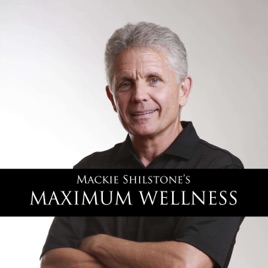
Advertise on podcast: Maximum Wellness
Rating
5from
This podcast has
121 episodes
Language
EnglishPublisher
Mackie ShilstoneExplicit
No
Date created
2019/08/21
Latest episode
2022/06/01
Average duration
8 min.
Release period
29 days
Description
Mackie Shilstone has been the sports performance, fitness, and wellness consultant of choice to thousands of top athletes – such as Serena Williams, Peyton Manning, Ozzie Smith, Roy Jones Jr, and Bernard Hopkins – to name a few. Mackie’s helped them all.Now you can look to Mackie—a name you can trust—and his weekly Maximum Wellness podcast to sort through the mountains of daily health misinformation to provide you accurate summaries of the most important wellness findings… news that can put you the right path to health ownership.
Unlock Maximum Wellness podcast Email contact info,
Listeners & Audience details
Email contact information
Direct podcast contact details

Listeners
Audience numbers & engagement insights

Audience details
Podcast Insights

Podcast episodes
Check latest episodes from Maximum Wellness podcast
The Omega-3 Index Is a Diagnostic Tool to Assess Omega-3 Status
2022/06/01
Cardiovascular disease (CVD) is still the leading cause of death worldwide. The good news is that modifying CVD risk factors, such as an unhealthy diet, physical inactivity, not smoking, and limiting alcohol intake, can reduce the risk to complications, an early demise, or unnecessary risk to Covid-19 and its pervasive variants.
A recent study – "Using an Erythrocyte Fatty Acid Fingerprint to Predict Risk of All-Cause Mortality: The Framingham Offspring Cohort "– appearing in the June 2021 online issue of the American Journal of Clinical Nutrition (AJCN), sought to compare a combination of RBC (red blood count) FA (fatty acid) levels in predicting all-cause mortality.
Those biomarkers included the FA’s measured in blood plasma and RBC membranes, specifically looking at the omega-3’s EPA, and DHA - which are most notably associated with reduced risk to CVD. Those referenced FA’s are found in fish oil and walnuts, among other dietary sources.
The study also references a 2018 report, which included 2500 participants in the Framingham Offspring Cohort, who were followed for a median of 7.3 years (i.e., between ages ∼66 and 73 y) – with a baseline RBC EPA + DHA content [the omega-3 index]. A higher omega-3 index was significantly and inversely associated with risk for death from all causes.
Those, “individuals in the highest quintile were 33% less likely to succumb during the follow-up years compared with those in the lowest quintile,” comments the AJCN.
There have been similar associations seen in the Women's Health Initiative Memory Study, the Heart and Soul Study, and the Ludwigshafen Risk and Cardiovascular Health Study. However, these prior investigations evaluated only one FA metric, as an exposure variable.
The Framingham Offspring Cohort participants (2240 eligible), who had RBC fatty acid measurements and relevant baseline clinical covariates, were without prevalent cardiovascular disease. The participants were evaluated during eleven years of follow-up looking specifically at the association with eight standard risk factors (age, sex, total cholesterol, HDL cholesterol, hypertension treatment, systolic blood pressure, smoking status, and prevalent diabetes) and 28 FA metrics with all-cause mortality.
The bottom line is that a physician can now assess the patient’s FA levels - along with their medical history and other appropriate lab values - to prescribe or recommend the appropriate intake level of supplementary omega-3’s – prescription or over the counter preparations.
Episode 119: Retired NFL Players at Risk for Mild Cognitive Impairment After Age 50
2022/05/04
New research – "Mild Cognitive Impairment and Dementia Reported by Former Professional Football Players over 50 Years of Age, An NFL-Long Study", which appeared in the March 2022 issue of Medicine & Science in Sports & Exercise, reports on the increased risk that former NFL players over the age of 50 have for mild cognitive impairment (MCI)
A diverse group of researchers from the Department of Exercise and Sports Science and Center for the Study of Retired Athletes, University of North Carolina and the Department of Neurosurgery/Neurology, Medical College of Wisconsin, among others, concluded that, “Self-reported MCI prevalence and dementia prevalence were higher in former NFL players than national estimates and were associated with numerous personal factors, including mood-related disorders and a high number of self-reported concussions.”
The estimates of MCI risk in Americans is 24 to 32%. While not completely understood, the risk seems to be related to be age, race, social, educational, health status (osteoarthritis and cardiovascular disease) and mood (depression).
The investigators comment that, “Traumatic brain injury (TBI) may also increase risk for developing MCI and dementia-related disorders. With respect to sport-related TBI, the prevalence of MCI may be higher in former National Football League (NFL) players with three or more self-reported concussions compared with those with fewer, but not necessarily for Alzheimer’s disease (AD).”
The overall incidence of AD in former NFL players is higher than for the average American man – with the greatest disparity tied to males under 70 years old.
Based on the need to clarify a retired NFL players risk to MCI, after the age of 50, the investigators contacted 15,025 former NFL players of all ages. Former players were eligible for the study, if they had at least one full season and were 50 years or older. They were asked to complete an online questionnaire or paper hard copy.
The justification by the researchers for a 50-year old cutoff age was that, “It represents the lower-bound age in which neurodegenerative diseases with typical earlier onset first occur (e.g., early onset/autosomal AD, behavioral variant of frontotemporal dementia).”
The questionnaire used was expanded from a prior questionnaire in an ongoing study – Neurologic Function Across the Lifespan: A Prospective, Longitudinal, and Translational Study for Former National Football League Players (NFL-Long).
The questionnaire examined the general health of former NFL players, while also acquiring information regarding the former player’s personal demographics; football playing history; medical history; concussion history; musculoskeletal injury history; self-reported psychological, physical, and cognitive functioning; health-related quality of life; and current substance use-and health-related behaviors.
It was determined that, “In this subset of former NFL players, history of 10 or more sport-related concussions, lifetime diagnoses of depression and/or anxiety, and greater recent pain intensity were each associated with higher prevalence of MCI and dementia.”
In addition, “Sleep apnea was also associated with a greater prevalence of MCI. Older age and self-identifying as non-White were associated with a greater prevalence of dementia.”
As to the implications, “This study, concluded the researchers, “suggests that there may be preventative and therapeutic targets that might mitigate the onset of MCI or dementia-related disorders.”
If you would like to read this study and /or order nutritional products made and sourced in the US – carrying the Good Manufacturing Practices (GMP) designation, and meeting purity standards, go to maxwellnutrition.com.
Episode 118: Creatine & Resistance Training Increase Bone Mineral Density in Older Adults
2022/04/04
CDC.gov says that each year millions of people over 65 years of age fall – with one out of five causing serious injury, such as broken bones, or head injury, while three million older individuals are treated in emergency rooms for fall injuries. Over 800,000 older patients are hospitalized due to fall injury – most often head and hip trauma.
Researchers from the faculty of Kinesiology, University of Regina and College of Kinesiology, University of Saskatchewan in Canada report that interventions, “which improve radius and tibial bone geometry and muscle density (MuD) in the surrounding areas may be clinically important for decreasing the risk of falls and fractures in older adults.”
The Canadians writing – Efficacy of Creatine Supplementation and Resistance Training on Area and Density of Bone and Muscle in Older Adults – which appeared in the November 2021 issue of Medicine & Science in Sports & Exercise, reference that, “creatine (Cr) supplementation (methylguanidine-acetic acid) during supervised whole-body resistance training (1 yr) decreased the rate of areal bone mineral density (aBMD) loss in the femoral neck and increased femoral shaft subperiosteal width compared with placebo in postmenopausal women.”
There is a lack of research looking into the effect of oral creatine monohydrate supplementation with or without resistance training (RT) on cortical and trabecular bone structure properties in older individuals. It’s known that resistance training supports bone structure and remodeling, irrespective of concurrent creatine supplementation.
Therefore, the Canadians chose to investigate the efficacy of Cr supplementation relative to sex differences under supervised, whole-body RT on properties of bone and muscle in older adults.
Seventy participants – 39 men and 31 women with an average age of 58 years - were randomized to supplement with Cr at 0.1 grams per kilogram/day, or placebo (Pl) during three days per week of whole-body resistance training for one year.
Bone geometry (radius and tibia) and muscle area and density (forearm and lower leg) were assessed using peripheral quantitative computed tomography.
The primary exercises placed specific strain on regions of the forearm (i.e., radius) and lower leg (i.e., tibia), which included dumbbell wrist pronation and supination, lever machine elbow flexion and ankle plantarflexion and plate-loaded tibia dorsiflexion. Secondary exercises included the hack squat, hip (abduction, adduction, flexion, and extension), leg curl, leg extension, low-back extension, chest press, lat-pull.
The Canadians determined that, “older adults who supplemented with Cr experienced a significant increase in lower-leg MuD compared with those on placebo, which may be important because low MuD is an independent risk factor for falls and disability in older adults.”
It was concluded that, “1 yr of Cr supplementation (0.1 g·kg−1·d−1) and supervised resistance training increased total bone area in the tibia and lower leg MuD in older adults.”
If you would like to read this study and order creatine monohydrate made in the US, under good manufacturing practices (GMP) and third-party tested, go to maxwellnutrition.com.
Episode 117: Healthy Lifestyle & Recognized Medical Interventions Support Covid-19 Recovery
2022/03/02
In light of the ongoing, world-wide death rate attributed to Covid-19, combining a healthy lifestyle with recognized medical interventions – vaccines and medications – is critical to address the current and future pandemics.
Healthy interventions include physical activity, following an anti-inflammatory eating plan – emphasizing fruits, vegetables, omega-3 fish (Mediterranean diet) - minimizing the effects of Covid-associated stress (diminished social interaction), and developing healthy sleep patterns.
These interventions can go a long way to support people with obesity, hypertension, diabetes, and pulmonary dysfunction, who are at higher risk of Covid severity.
Researchers from Spain, reporting in the December online issue of the peer-reviewed journal Nutrients, highlight the role how holistic lifestyles interventions have proven to attenuate the effects of Covid-19 in the “exposome” – life-course exposures starting from the prenatal period onward.
Roughly one-quarter of the world’s population is considered inactive – not achieving 150 minutes of weekly, moderate activity, or 75 minutes of vigorous activity. Social distancing and lockdowns have only acerbated inactivity out of necessity.
The Spanish researchers comment that, “regular PA (physical activity) is associated with a 31% and 37% risk reduction of community-acquired infectious diseases and subsequent mortality, respectively, compared to inactive controls.”
According to their investigation, The Exposome and Immune Health in Times of the COVID-19 Pandemic, “even just four weeks of either moderate-or high- intensity interval exercise can lead to a remarkable improvement in natural killer (NK) cell number and function (i.e., ‘killing capacity’).”
The researchers further site evidence that, “elderly women who were physically active had a better immune response after vaccination than those who were less active.”
From a body weight management perspective, the worldwide prevalence of obesity has almost tripled since 1975, with 39% and 13% of adults now considered to have overweight and obesity, respectively.
There is meta-analytical evidence, “that individuals with obesity are not only at greater risk of COVID-19 infection, but also of having a worse prognosis (higher risk of severe disease and mortality) than their normal-weight peers,” note the Spanish researchers.
The researchers conclude that, “body weight management should be a key public health concern in the prevention/management of the current COVID-19 pandemic.”
Research have proven that when overweight individuals switch from a 14-hour eating window to ten to an eleven-hour eating duration over 16 weeks, they reduce their energy intake by 20% and demonstrated a reduction in body weight.
Simply stated, “due to its antioxidant, anti-inflammatory and immunomodulatory benefits, and its protective effect against predictors of morbidity and mortality in patients with COVID-19, such as CVD (cardiovascular disease), the Mediterranean diet could be a promising and relatively easy-to-apply method to attenuate the severity of SARS-CoV-2 and eventual future viral pandemics.”
While micronutrients, such as Vitamins A, C, B complex, and the minerals zinc and selenium deserve immune support recognition relative to Covid-19, Vitamin D may stand alone for its ability to provide adaptive and innate immune support.
In fact, “there is evidence suggesting that vitamin D supplementation can have a positive effect on COVID-19 symptoms and severity. Compared with a lower dose (1000 IU), daily oral supplementation with 5000 IU of vitamin D3 for two weeks reduced the time to recovery of symptoms such as cough and gustatory sensory loss among mild-to-moderate COVID-19 patients with sub-optimal vitamin D status.”
Sleep disturbances have emerged, as a consequence of the Covid-19 pandemic – due in p
Episode 116: 7,000 Daily Steps Reduces Mortality Rate in Middle-Aged Men & Women
2022/02/02
The advent of wearable devices that track daily step count has provided not only population-based weight loss guidelines, but also recommendations for cardiovascular improvement.
Prior physical activity national guidelines recommended at least 150 minutes per week of moderate-to-vigorous-intensity exercise – which did not quantify stepping intensity with mortality risk.
Until now, most research has been targeted to an older demographic versus a younger, racially diverse population. Researchers, from a diverse group of investigators, chose to estimate the association of steps per day with premature age in Black and White men and women ages 41 to 65.
The prospective cohort study- Steps per Day and All-Cause Mortality in Middle-Aged Adults in the Coronary Artery Risk Development in Young Adults, which appeared in the online edition of JAMA Network Open in September 2021, was part of the Coronary Artery Risk Development in Young Adults (CARDIA) study.
Participants, age 38 to 50 years, wore an accelerometer on the hip for seven consecutive days during all waking hours from 2005 to 2006. Participants were followed for 10.8 years. Data was analyzed in 2020 and 2021 – with an objective to establish mortality status.
Step volume was categorized as: less than 7,000 steps/day as low, 7,000 to less than 10,000 as moderate, and greater than 10,000 daily steps as high.
Participants, or designed family members, were contacted twice yearly to determine vital status. Requests were made, where applicable, for death certificates, hospital records for death, and autopsy reports.
When the data was compiled, the investigators determined that, “in this cohort study of Black and White middle-aged women and men, higher daily steps were associated with a lower risk of all-cause mortality. Adults taking at least 7000 steps/d, compared with those taking fewer than 7000 steps/d, had approximately 50% to 70% lower risk of mortality. Taking more than 10,000 steps/d was not associated with further reduction in mortality risk.”
It was concluded that, “taking at least 7000 steps/d during middle adulthood was associated with a lower risk of mortality. There was no association of step intensity with mortality. Improving physical activity levels in the least active segment of the population by encouraging increasing steps/d may be associated with lower mortality risk.”
Photo by Jeremy Bishop on Unsplash
Episode 115: Afternoon Exercise Improves Insulin Status in Metabolically Challenged People
2022/01/05
Human beings possess an internal time management mechanism (circadian central clock) that coordinates dark and light activities, while managing such activities as, skeletal muscle preservation, liver health, and fat tissue (peripheral clock), that occur during fasting (especially night-time), activity, and the recovery-repair process that occurs during sleep.
As we age or when we succumb to certain conditions and disease processes, like insulin resistance and type 2 diabetes, homeostasis (balance) in our clock mechanisms can be negatively affected, without intervention.
Such interventions can involve exercise – the timing of which may normalize or stabilize a dysfunctional human clock mechanism. This anomaly is especially true for night shift workers, even those without metabolic challenges.
According to "Exercise Training Elicits Superior Metabolic Effects, When Performed in the Afternoon Compared to Morning in Metabolically Compromised Humans," which appeared in December of 2020 in Physiological Reports, “exercise training is the first-line strategy to counteract skeletal muscle insulin resistance and ameliorate elevated plasma glucose levels.”
The study authors, from the Netherlands, comment that, “the recent insights into the role of the circadian clock in the etiology of T2DM (type 2 diabetes) have raised the suggestion that the timing of exercise may affect the training-mediated effects on glucose homeostasis.”
The researcher report that, “consecutive bouts of high-intensity interval exercise during two weeks, acutely induce more beneficial 24-hour glycemic profiles in T2DM subjects, when performed in the afternoon, as compared to a morning training regime.”
To investigate whether the timing of exercise affected long-term metabolic health training adaptations in metabolically compromised individuals, the investigators analyzed data from a study assessing the effect of exercise training on a large range of metabolic health outcomes.
The study group, which included thirty-two adult males (58 ± 7 years), with a body mass index greater than 26 (overweight) at risk for or diagnosed with type 2 diabetes, performed twelve weeks of supervised exercise.
Twelve volunteers exercised in the morning from 8.00–10.00 a.m., while twenty individuals exercised in the afternoon from 3.00–6.00 p.m.
The exercise sessions consisted of twice weekly stationary cycling for 30 minutes at 70% of a pre-determined workload, and one day of resistance exercise, using three sets of ten repetitions at 60% of maximum voluntary contractions in large muscle groups (leg extension, leg press, chest press, lat. pulldown, triceps and biceps curls).
Pre-participation laboratory and physiological assessment, with appropriate exclusion criteria was performed – leading to the conclusion that, “compared to participants who trained in the morning, participants who trained in the afternoon experienced superior beneficial effects of exercise training on insulin-stimulated peripheral glucose disposal, insulin-mediated suppression of adipose tissue lipolysis, fasting plasma glucose levels, exercise performance, and fat mass.”
In addition, “exercise training in the afternoon also tended to elicit superior effects on basal hepatic glucose output.”
The researchers concluded that, “the timing of an exercise training session is a crucial environmental cue, when aiming to improve glucose homeostasis in metabolically compromised subjects, and elucidates that performing afternoon exercise training might be more optimal than exercising at morning hours.”
Episode 114: Young Swimmers Are at Increased Risk to Overtraining Injury
2021/09/01
It’s estimated in the U.S. that five million young athletes compete on high school swim teams – with an additional 336,000 competing on club teams. The National Collegiate Athletic Association (NCAA), says between 2015-2016, 22,000 college swimmers were participating in competitive leagues. Master level swimmers, who may reenter to compete in the sport at an older age, number about 65,000.
According to Swim-Training Volume and Shoulder Pain Across the Life Span of the Competitive Swimmer: A Systemic Review, which appeared in the January 2020 issue of the Journal of Athletic Training, “injuries in competitive swimming primarily arise from repetitive strain and microtrauma. This is not surprising, when one considers the amount of swimming to which the athletes are exposed.”
The investigators from the Department of Rehabilitation Sciences and Physiotherapy, Faculty of Medicine and Health Sciences, University of Antwerp, Belgium, and the Department of Physical Therapy, Arcadia University, Glenside, Pennsylvania, note that, “because of these demanding and time-consuming training programs, competitive swimming has essentially developed into a year-round intensive sport, with athletes at young ages focusing solely on swimming.”
It’s also pointed out that in 10 to15-year swimming careers swimmers often practice 5 to 7 days per week and sometimes twice daily, which led to overtraining, and increased the risk of soft tissue injury, pain, and dissatisfaction. Shoulder pain is particularly frequent - with prevalence rates reported as high as 91%, is a major cause of missed practice.
These researchers sought to determine, if there was a correlation between a specified amount of swim training and shoulder pain in competitive swimmers, by examining relevant studies within PubMed, Web of Science, and Medline.
It was determined that 12 studies met the qualified criteria, as grouped by age: young (less than 15 years old), adolescent (15-17 years), adult (18-22), and masters (23-77).
Based on the data of this first of a kind analysis, the researchers concluded that, “evidence suggests that swim-training volume was associated with shoulder pain in adolescent competitive swimmers.”
As for recommendations, it was stated that, “year-round monitoring of the athlete's swim training is encouraged to maintain a well-balanced program. Developing athletes should be aware of and avoid a sudden and large increase in swimming volume.
It was also pointed out that additional research is necessary to determine cutoff values, in order to make data-based decisions regarding the influence of swim training.”
From my own experience helping both high school and collegiate swimmers, especially female athletes, there is a consistent anterior (front) shoulder dominance resulting from the volume of overhead, forward strokes - with inadequate posterior shoulder stabilization exercise during the dry land training.
In other words, if your throw, hit, or swim forward, you need to train in reverse to rebalance the shoulder to reduce the risk to unnecessary shoulder injury.
Be sure to check out maxwellnutrition.com – a science-driven, wellness content & nutritional supplement platform – where you will be able to see important, timely nutrition research and order, with direct shipping, the highest bio-available nutrition supplements, made in the United States.
Episode 113: Determining the Correct Diet Post Cancer Diagnosis
2021/08/25
In 2018, the World Health Organization said the prevalence of a cancer diagnosis reached 18.1 million people – with 9.6 million cancer deaths. Positive lifestyle – such as exercise and diet – reduce the risk to certain forms of cancer.
Adherence to a Mediterranean-style eating strategy – higher intake of fruit, vegetables, and whole grains, limited lean meat, fish, and olive oil - reduces the risk to colon and breast cancer.
Research is still searching for the optimum plan once an individual is diagnosed with cancer. According to "The Facts About Food After Cancer Diagnosis: A Systematic Review of Prospective Cohort Studies," which appeared in the August 2020 issue of the online, peer reviewed journal Nutrients, “to prevent malnutrition, energy and protein requirements for cancer patients are largely widespread by international guidelines, but little is known about the food choices and dietary regimen a cancer patient should benefit from.”
The Italian study researchers point out that, “many ‘cancer diets’ are often restrictive, avoiding a whole nutrient class (i.e., meat or dairy products) in the misleading belief that certain foods “feed the tumor.”
The Italians sought to determine any possible associations between diet patterns, after a cancer patient’s diagnosis, that is affected by a solid tumor, relative to outcomes – mortality, cancer progression, and recurrence.
Those study criteria included a meta-analyses (similar studies) that used an adult population over 18 years of age diagnosed with breast, gastrointestinal, gynecological, lung, and urological cancers; post-diagnosis dietary patterns – such as consumption of fruit, vegetables, diary, meat, fish, and cereals; prospective or retrospective cohort studies; over-all survival, all-cause mortality, cancer-specific mortality, death from a non-cancer cause, cancer progression, disease-free survival, cancer recurrence, and recurrence-free survival.
The study authors determined that, “the overall results of this systematic review highlight that none of the food categories should be eliminated by cancer patients. Especially, there is no clear association between consumption of meat or animal products and cancer progression/recurrence or CSM (cancer specific survival), after a cancer diagnosis.”
However, the Italians also emphasized there was, “a significant positive association between detrimental dietary patterns, such as Western-type Diet (characterized by processed meats, sugar-sweetened soft drinks, and refined grains) and cancer progression.”
Note the investigators, “on the contrary, high consumption of fiber, such as whole grain cereals, green and cruciferous vegetables, seem to be protective against cancer progression and mortality.”
In conclusion, “detrimental dietary patterns, such as the Western Diet and the high consumption of some food categories (saturated/trans fats, high-fat dairy products) could worsen prognostic outcomes in breast, colorectal and prostate cancer patients. Nevertheless, animal proteins, such as fish, poultry, low-fat dairy products and meat, should not be excluded from cancer patient’s diet.”
More research is needed relative to a cancer post-diagnostic diet, as it applies to the most common forms of cancer – lung, stomach, gynecological, bladder, and pancreatic cancer.
For more information, go to maxwellnutrition.com.
Episode 112: Nutrition & Physical Activity Status Can Define Covid-19 Risk
2021/08/18
With the surge of the Delta Covid-19 variant, the world has a new pathogen enemy among us—the hidden terrorist that spares no one, especially those unvaccinated. What began in Wuhan, China in December of 2019 and declared in March of 2020 a pandemic, Covid-19, the disease spawned by the SARS-CoV-2 virus, has transformed life as we know it. It’s here to stay in some form or another.
The effects of lockdowns, the use of protective masks, social distancing, and more has had a direct impact on an individual’s nutrition status and movement pattern.
A person’s susceptibility to Covid-19 has as much to do with their nutrition status, as it does to any comorbidities on board, such as obesity, hypertension, pulmonary dysfunction, diabetes, and cardiovascular disease.
Researchers, from Spain, Columbia, and Greece, used a narrative review, “with the aim of collecting published literature and articles regarding dietary patterns, body composition, nutritional deficiencies, vitamin interventions, and physical activity in the COVID-19 pandemic.”
The study—Nutrition in the Actual Covid-19 Pandemic. A Narrative Review—which appeared in the June online issue of Nutrients, found that the COVID-19 lockdown promoted unhealthy dietary changes and increases in body weight of the population, showing obesity and low physical activity levels, as increased risk factors of COVID-19 affection and physiopathology.”
What’s more, “hospitalized COVID-19 patients presented malnutrition and deficiencies in vitamin C, D, B12 selenium, iron, omega-3, and medium and long-chain fatty acids, highlighting the potential health effect of vitamin C and D interventions.”
The search methods, from February 1st, 2020, through April 13th, 2021, included PubMed, Embase, SciELO, Science Direct Scopus, and Web of Science, employing MeSH-compliant keywords including, COVID-19, Coronavirus 2019, SARS-CoV-2, 2019-nCoV, Nutrition, Diet, Dietary Patterns, Body Compositions, Vitamins, Nutritional, Immunology, Physical Condition, and Physical activity.
Here’s the summary of the findings, as noted in the narrative review of the data base:
The COVID-19 lockdown promoted unhealthy dietary changes (inactivity, daily intake, snacks, alcohol), increasing body mass and fat, and showing obesity-overweight people poor diet habits.
Obesity is a risk factor for COVID-19.
A healthy balanced diet is an integral part of personal risk management.
Vitamins C and D improve health-related outcomes in COVID-patients.
Sufficient vitamin intake and an active lifestyle are strongly recommended as a preventive measure to the general population.
There is a large prevalence of malnutrition among hospitalized patients with COVID-19.
Nutritional support and rehabilitation exercise are needed to avoid muscle atrophy and sarcopenia in COVID-19 hospitalized patients. They should be considered as an integral part of the therapeutic approach.
Deficient states of vitamin C, D, B12 selenium, iron, ω-3, and medium and long-chain fatty acids increase the probability of hospitalization and mortality from COVID-19.
The gut microbiome profile is altered due to COVID-19, being involved in the magnitude of COVID-19 severity via modulating host immune responses.
A healthy gut microbiome serves as a preventive and protective factor, appropriate nutrition and probiotics are good strategies for its enhancement.
Active lifestyle and physical activity allow a lower risk, and mortality rate in COVID-19 patients, due to its positive effect on metabolic health and inflammation.
The reviewers were quick to point out that more research of this evolving disease and its variants is needed relative to the impact of nutrition and other lifestyle modifications consistent with risk stratification.
Read more at MaxWellNutrition.com
Episode 111: Nutritional Factors Modify Risk of Covid-19 Infection
2021/08/11
Covid-19—the infectious disease initiated by SARS-CoV-2—that primarily attacks respiratory (breathing) function—has not only spread rapidly over the prior year, but also has spawned more contagious variations, such as the current Delta variant.
The human immune system—innate and adaptive—activates the body’s response to the Covid-19 antigen. Individuals with comorbidities, like obesity, hypertension, pulmonary dysfunction, diabetes, and cardiovascular disease, are at increased risk to adverse complications.
Supporting the body’s challenge to the invading antigen is an individual’s dietary behavior that influences nutritional status.
With respect to Covid-19 and the association of dietary behaviors, researchers from the Department of Preventive Medicine, Research and Information Services, and the Department of Medicine, Feinberg School of Medicine, Northwestern University in Chicago, chose to use data from the UK Biobank (UKB) to examine the dietary behaviors measured in 2006-2010 and Covid-19 infections in 2020.
The American researchers linked the UKB geo-data to UK Covid-19 surveillance data to account for Covid-19 exposure.
The UKB is an international health resource of over 500,000 participants aged 37–73 years at 22 centers across England, Wales, and Scotland.
The UKB participants, who underwent physical measurements, assessments about health and risk factors (including lifestyle and dietary behaviors), and blood sampling at baseline (2006–2010), agreed to follow-up on their health status. Country-wide surveillance data was used to identify UKB participants exposed to COVID-19.
Based on the data analysis, it was determined that, “consuming more coffee, vegetables, and being breast fed, as well as, consuming less processed meat intake were independently associated with lower odds of COVID-19 positivity. These associations were attenuated (reduced), when accounting for the UK’s COVID-19 case rate (i.e., exposure).”
The data analysis reflected that, “habitual consumption of 1 or more cups of coffee per day was associated with about a 10% decrease in risk of COVID-19, compared to less than 1 cup/day,” while, “consumption of at least 0.67 servings/d of vegetables (cooked or raw, excluding potatoes) was associated with a lower risk of COVID-19 infection.”
The UKB American investigators found that processed meat consumption (refers to any meat that has been transformed through salting, curing, fermenting, smoking, or other process to enhance flavor or improve preservation) of as little as 0.43 servings/day was associated with a higher risk of COVID-19.
However, comment the Americans, “red meat consumption presented no risk, suggesting meat per se does not underlie the association we observed with processed meats.”
Finally, it was found that, “a long-term favorable association between being breastfed as a baby and COVID-19 infection in UKB contribute to the growing evidence in support of nutrition early in life for optimal immunity for life.”
The study analysis concluded, “our results support the hypothesis that nutritional factors may influence distinct aspects of the immune system, hence susceptibility to COVID-19.”
To read this study, you can find it under the “open access research” on maxwellnutrition.com.
Episode 110: Creatine Monohydrate Is Not Just for Athletes Who Want to Build Lean Muscle
2021/08/04
In 2007, my book, Lean & Hard – the body you’ve always wanted in 24 workouts, was published by John Wiley & Sons. L&H offered a comprehensive six week, four workouts per week diet, nutritional supplement schedule, resistive exercise, and sprint-interval program, all designed to increase lean muscle mass.
The L&H book was based on a research study of my concepts that followed a cross section of athletes and non-athletes over six weeks, when I was an Associate Professor in the LSU School of Public Health and Preventive Medicine.
One of the nutritional supplements tested in the applied research study and utilized in the book was creatine, an organic acid that is created internally from the action of the amino acids arginine, glycine, and methionine, which are constructed in the liver and regulated through kidney function.
Creatine predominantly resides in skeletal muscle—mostly as phosphocreatine—with roughly two percent degrading to creatinine, a metabolic by-product, which is why too much creatine may skew a creatinine clearance test assessing kidney function.
Creatine use by athletes has been widely studied for its side effect of weight gain, which was initially thought to be fluid gain, but after years of research, has now been determined to be lean muscle development—when used correctly.
I came to the conclusion, after seeing the results of the LSU applied study and my continued research on creatine, that someday creatine monohydrate would offer additional benefits to an ageing population—specifically to address sarcopenia—the age-related loss in muscle strength (dynapenia), muscle mass, muscle quality, and physical performance (frailty issues).
That day has now arrived.
New research, “Current Evidence and Possible Future Applications of Creatine Supplementation for Older Adults,” appearing in the March 2021 online, peer-reviewed journal Nutrients, comments that, “sarcopenia typically occurs in 8–13% of adults ≥60 years of age, and, is associated with other age-related health conditions, such as osteoporosis, osteosarcopenia (muscle related bone loss), sarcopenic obesity, physical frailty, and cachexia (muscle loss due to disease).”
Muscle mass decreases by 0.45% in men and by 0.37% in women. However, these decrements climb to 0.9% for men and to 0.7% for women starting in their seventh decade.
The age-related decrease in muscle strength—a strong predictor of poor health outcomes, such as mobility disability, falls, fractures, and mortality in older adults—occurs more rapidly (2–5 times fold faster) than the reduction in lean (muscle) mass.
The Canadian and Australian study authors performed a narrative review evaluating the current research involving creatine (CR), with and without resistive training (RT), on properties of muscle and bone in older adults, “in order to provide a rationale and justification for future research involving CR in older adults with osteosarcopenia, sarcopenic obesity, physical frailty, or cachexia.”
Here’s what was determined.
As it pertains to addressing sarcopenia, “CR (≥3 grams/day) and RT (≥7 weeks; primarily whole-body routines) can improve some measures of muscle accretion, strength, and physical performance in older adults. Independent of RT, a CR loading phase and/or high relative daily dosage of creatine (≥0.3 g/kg/day) may be required to produce some muscle benefits in older adults.”
Relative to creatine usage with osteoporosis—the age-related loss of bone mineral density – “collectively, the vast majority of studies show no greater effect from CR, with and without RT, on properties of bone in older adults.”
To read the rest, go to maxwellnutrition.com
Episode 109: Green Tea & Coffee Consumption May Hold Benefits for Type-2 Diabetics
2021/07/26
Prior research has established that the consumption of green tea or coffee has been said to reduce the all-cause mortality in the general public. However, as to the similar effects in those with health challenges, such as diabetes, research is either controversial or devoid – until now.
Japanese researchers publishing the “Additive Effects of Green Tea and Coffee on All-Cause Mortality in Patients with Type-2 Diabetes Mellitus: the Fukuoka Diabetes Registry”, which appeared in October 2020 in the open-access online BMJ (British Medical Journal) Diabetes Research & Care, determined that, “higher consumption of green tea and coffee was associated with reduced all-cause mortality: their combined effect appeared to be additive in patients with type-2 diabetes.”
The Japanese researchers from the Departments of Medicine and Clinical Sciences, Graduate School of Medical Sciences and the Division of Internal Medicine, Fukuoka, Japan, comment that green tea derives benefits from fresh leaves of Camellia sinensis - containing various chemicals, such as phenolic compounds, theanine, and caffeine, which possess antioxidant, anti-inflammatory, or anti-bacterial properties.
Coffee, note the Japanese, contains phenolic compounds and caffeine that offer antioxidant, anti-inflammatory, and ant-mutagenic benefits – especially, to type-2 diabetics, those with abnormal lipid profiles, and malignancy.
To reach this conclusion, the investigators, after appropriate exclusion criteria, used data from 4923 study participants enrolled between April 2008 and October 2010, in the Fukuoka Diabetes Registry, “a multicenter prospective study designed to investigate the effects of modern treatments and lifestyle on the prognoses of patients with diabetes mellitus.”
Using a self-administered questionnaire, the participants provided information regarding their diagnosed diabetes duration, smoking habits, alcohol intake, leisure-time physical activity, sleep duration, depressive symptoms, and history of coronary heart disease, stroke, and cancer. Their smoking habits and alcohol intake were classified as either current or not.
Body weight, height and body mass index were ascertained – along with blood pressure. Medical charts were reviewed for all medications, including insulin, oral hypoglycemic agent, antihypertensive drugs, antiplatelet drugs, and statins.
The Japanese used self-reported answers to dietary questions to categorize the participants into the following four groups by beverage: green tea - none, ≤1 cup/day, 2–3 cups /day, ≥4 cups/day, and coffee - none, 1 cup/day, 1 cup/day, ≥2 cups/day.
There were no questions about the consumption of decaffeinated or caffeinated drinks because decaffeinated beverages are uncommon in Japan.
From a laboratory perspective, blood and spot urine samples were obtained to establish the levels of Hemoglobin A1c (HbA1c), serum low-density lipoprotein (LDL) cholesterol, high-density lipoprotein (HDL) cholesterol, creatinine, urinary creatinine, and albumin – along with the glomerular filtration rate (GFR) and calculations of the urinary albumin-creatinine ratio levels.
The Japanese investigators said, “results suggest that consuming green tea and coffee may have beneficial effects on the longevity of Japanese people with type 2 diabetes.”
How this data translates to all of us outside Japan, will require further research. Until then, keep my green tea and black coffee consumption – in moderation – flowing.
For more information, go to maxwellnutrition.com.
Podcast reviews
Read Maximum Wellness podcast reviews
Houstorian 713 2021/04/21
Always informative!
Thanks machine for being evidence based in your practice.
Scott0036 2019/12/27
Much needed
I’ve really enjoyed Mackie’s weekly podcast. It’s been informative to say the least. So many things he covers, I had no idea about, but I can tell you...
Puddn76 2019/12/21
Incredible source of relevant fitness info!
Mackie’s podcast is a perfect balance of vital, but often overlooked or misunderstood, fitness information presented in concise segments. His easy to ...
Podcast sponsorship advertising
Start advertising on Maximum Wellness relevant audience podcasts
You may also like to advertise on these Podcasts

4.625214
PowerPoint on Oneplace.com
Jack Graham

4.84170
DEEP IT!
The Fellas Studios

4.81566136
Crime Beat
Curiouscast
4.9164333
10 MINUTES TO LESS SUFFERING
Allison Carmen

4.872211
Sisters in the City
Sisters in the City

4.8224164
The Integrated Schools Podcast
Andrew Lefkowits, Val Brown, Courtney Mykytyn

4.826569
Christ Church Jerusalem
Christ Church Jerusalem

4.9137281
Gut Check Podcast
Ted Kluck and Zachary Bartels

4.8123454
Living Zen
Teàrlach Eshū Kilgour

4.8113367
Drawn To The Flame
Frank and Peter