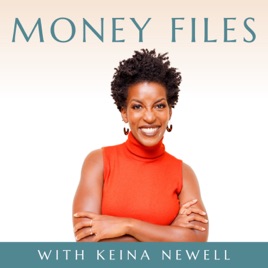
Advertise on podcast: Money Files: Money Mindset & Personal Finance
Rating
4.9from
This podcast has
259 episodes
Language
EnglishExplicit
No
Date created
2020/06/15
Latest episode
2026/04/21
Average duration
21 min.
Release period
7 days
Description
Is money (or lack thereof) keeping you from fully enjoying your life? Are the stories you tell yourself preventing you from improving your money mindset and having a better relationship with your finances? Join Keina Newell of Wealth Over Now on Money Files: your financial toolkit and a place to start working on your money mindset, learn new financial concepts, and hear candid conversations from her clients who have been right where you are and are on the other side. If you are ready to start your financial journey, head to www.wealthovernow.com and subscribe for new episodes each week.
Unlock Money Files: Money Mindset & Personal Finance podcast Email contact info,
Listeners & Audience details
Email contact information
Direct podcast contact details

Listeners
Audience numbers & engagement insights

Audience details
Podcast Insights

Podcast episodes
Check latest episodes from Money Files: Money Mindset & Personal Finance podcast
224 | The Debt Exit Plan: How to Break the Cycle For Good
2026/04/21
You paid it off. You told yourself this time was different. And then, slowly, the balance crept back up and somehow you're sitting in more debt than when you started.
That's not a you problem. That's a pattern problem. And until you can actually see the pattern, no amount of aggressive payoff plans, balance transfers, or personal loans is going to change what keeps happening.
In this episode, I'm walking you through what I call the Debt Exit Plan, the framework I use with every single client before we touch one dollar of debt repayment. The Debt Exit Plan isn't about how fast you can pay off debt. It's about understanding what's driving the cycle so this can actually be the last time. I also share what I learned about my own pattern when I was making $90,000 a year and still cycling in and out of $2,000 to $5,000 of credit card debt and what shifted once I could finally see it clearly.
In this episode, I’m walking you through...
[01:00] Why so many people try to get out of debt and end up in deeper debt
[03:10] The difference between the reason you’re in debt and the pattern for why it keeps happening
[09:35] Why a list of bills is not a budget and what your income actually needs to be doing
[13:05] How to build a debt exit plan that includes saving, spending, and debt payoff
Tune into this episode of Money Files to discover how to break the debt cycle by addressing the pattern behind your debt, not just the balance.
Get full show notes and the episode transcript: https://wealthovernow.com/the-debt-exit-plan-how-to-break-the-cycle-for-good/
Links mentioned in this episode…
Set up a call | Financial Coach Washington, DC | Wealth Over Now
Download my FREE spending plan
223 | Five Savings Buckets Every Budget Needs — Starting With the One You're Probably Skipping
2026/04/14
You told yourself you'd only touch it in a real emergency. But then the car needed tires, a friend's birthday trip came up, and somehow your savings account is lower than it was three months ago — and you're not even sure where it went.
Here's what's actually happening: you've been saving into one bucket and spending from five different parts of your life.
In this episode, I'm walking you through the five savings buckets that every budget needs starting with why lumping everything into one account is exactly what's keeping you stuck in that cycle of dipping, rebuilding, and dipping again. I also share what happened when a client came to me with $7,000 saved, $2,000 in credit card debt, and what we did in our very first call to shift how she saw her money.
If you have been focusing on building just one savings account but still find yourself dipping into it, this conversation will change how you look at saving money.
In this episode you'll learn…
[02:00] Why one savings account creates pressure and messy habits
[03:01] Why focusing only on an emergency fund causes your plan to break
[05:20] What a side-eye fund is and how it changes your perspective
[07:45] Why you need more than one place to put your money
[09:30] The living fund and how it prepares you for home expenses
[12:10] The transportation fund and how it keeps you off the credit card for repairs
[15:05] The travel fund and how to plan for trips without the guilt
[17:40] The celebration fund and why it matters more than you think
[20:10] How separating your money stops the second-guessing and builds a real habit
Tune into Money Files to learn how to set up your savings to fit your life so you can stop dipping into your accounts and finally feel in control.
Get full show notes and the episode transcript: https://wealthovernow.com/five-savings-buckets-every-budget-needs-starting-with-the-one-youre-probably-skipping/
Links mentioned in this episode…
Set up a call | Financial Coach Washington, DC | Wealth Over Now
Download my FREE spending plan
222 | How Much Should You Save Each Month? The Answer No One Talks About
2026/04/07
Have you ever set a savings goal and then quietly stopped following it? Maybe you told yourself you would save five hundred dollars a month, but life happened and you dipped into it, skipped a month, or decided the number was just too high to be realistic.
The problem usually isn't your discipline. It's that the number didn't match your actual life.
In this episode, I'm breaking down why so many savings goals fail before they ever get started and why chasing a "should" number almost always backfires. I also share how one of my clients finally stopped raiding her savings account once we made one simple shift to her plan.
If you've ever felt behind because you're not saving as much as you think you should be, this episode is for you.
In this episode you'll learn...
[00:01:47] Why the habit of saving matters more than the amount you start with
[00:02:10] What "fake math" is and how it sneaks into even the most well-intentioned budgets
[00:05:00] Why starting with a smaller savings goal can actually get you further than going big
[00:08:45] How stopping and restarting affects the way you see yourself as someone who can manage money
[00:11:30] The mindset shift that helps you start thinking like a saver — even if you've never been one
[00:14:20] How to figure out a savings number that's actually based on your life, not someone else's rule
[00:16:50] Why your savings goal has to account for how you really spend, not just how you plan to spend
Tune into this episode of Money Files to learn how to choose a savings amount you can actually stick to so you can finally trust yourself with your money.
Get full show notes and the episode transcript: https://wealthovernow.com/how-much-should-you-save-each-month-the-answer-no-one-talks-about/
Links mentioned in this episode…
Set up a call | Financial Coach Washington, DC | Wealth Over Now
Download my FREE spending plan
221 | How to Budget as a Couple When You’re Paid on Different Schedules
2026/03/31
If you and your partner are paid on different schedules and it feels like that’s the reason your money is not working, this episode is going to help you look at the real issue. I’m uncovering what happens when couples organize their finances around paydays instead of around their full household picture.
Join in as I explain why your pay schedule is not the problem even if one of you gets paid weekly, biweekly, or once a month. The common trap is that each check gets assigned a different job and before long your finances start feeling chaotic. One paycheck covers the mortgage, another one catches utilities, another one handles whatever is left, and all of your money decisions start revolving around timing instead of intention.
I also talk about the two numbers every household needs to know, how to stop using this month’s checks for this month’s bills, and why your budget should be helping you make decisions in advance. This episode is about creating a shared monthly picture so you and your partner can stop reacting to paychecks and start managing your money with more confidence.
In this episode you'll learn...
(00:42) Why different pay schedules create stress when couples budget by paycheck instead of by household
(05:00) Why using this month’s checks for this month’s bills keeps you stuck in a cycle
(10:00) How to use consistent money dates to coordinate cash flow without letting paydays drive your decisions
(15:00) Why getting clear on monthly income and household expenses is the key to getting on the same page
(19:28) What to do first if you want more breathing room and a budget that supports both partners
Listen to this episode of Money Files to see why your pay schedule should not be the thing controlling your financial decisions and how a shared monthly picture can help you and your partner manage money with more ease.
Get full show notes and the episode transcript: https://wealthovernow.com/how-to-budget-as-a-couple-when-youre-paid-on-different-schedules/
Links mentioned in this episode…
Set up a call | Financial Coach Washington, DC | Wealth Over Now
Download my FREE spending plan
220 | The Intention Tax: The Hidden Financial Cost Keeping High Earners Stuck
2026/03/24
If you’ve been telling yourself you’re going to get around to fixing your money, this episode puts language to what’s actually happening. I’m talking directly to the high-earner who can name all the things they should do, but still is not executing. That gap matters. And it’s expensive.
Join in as I break down the intention tax, which is the price you pay in money, time, and mental energy for every financial decision you intend to make but haven’t made yet. For high-income earners, this can look small on the surface, but the cost adds up fast. Your money is stuck in the things that you intend to do. And when a twenty minute task starts to feel like an all day task, that’s when the list keeps growing and nothing changes.
I also talk about system shame, low confidence in the outcome, and why repeating financial tasks without support can keep you in the same cycle. This is about being able to name what’s happening so you can make a different decision and stop paying for delay.
In this episode you'll learn...
[00:42] Why there’s often a gap between your intentions and your execution
[03:18] What the intention tax is really costing you in money, time, and mental energy
[06:11] Why small money tasks start to feel heavy, delayed, and expensive
[09:41] How system shame lowers confidence and keeps you from taking the next step
[17:42] What changes when you stop paying the intention tax and get support
Tune into this episode of Money Files to discover why knowing what to do with your money is not the same as actually doing it, and how that gap can quietly cost you more than you realize.
Get full show notes and the episode transcript: https://wealthovernow.com/the-intention-tax-the-hidden-financial-cost-keeping-high-earners-stuck/
Links mentioned in this episode…
Set up a call | Financial Coach Washington, DC | Wealth Over Now
Download my FREE spending plan
219 | How to Stop Letting Your Pay Schedule Control Your Money
2026/03/17
If your pay structure has ever made you feel stressed, behind, or like your money should be working better than it is, you’re not alone. A lot of people think the problem is how often they get paid, but that usually is not the real issue.
In this episode, I explain why your payday does not matter as much as you think it does and why the real issue is often the timeline you are using to think about your money.
When you are managing your money in a seven to fourteen day cycle, every deposit can feel urgent and every bill date can feel bigger than it actually is. I walk through how this keeps you stuck in the paycheck-to-paycheck cycle thinking, why paying bills is not the same as having a plan, and what it looks like to build a financial system around what your money needs to do over the next 12 months.
This shift helps you stop reacting to deposits, create more predictability with your money, and manage your finances with more intention.
What I cover in this episode…
[00:00] Why your payday literally does not matter as much as the time horizon you use to think about your money
[02:00] Why managing money in a seven to fourteen day cycle keeps you stuck in paycheck to paycheck thinking
[05:00] Why this is often a systems problem, not an income problem
[07:30] Why paying bills is not the same as having a financial plan
[10:00] How a budget helps you keep more of what you have and build a structure that supports you
Tune into this episode of Money Files as I share why your payday does not define your wealth, how short-term money thinking keeps you stuck, and what it looks like to build a financial system that supports the way you actually get paid.
Get full show notes and the episode transcript:
Links mentioned in this episode…
Set up a call | Financial Coach Washington, DC | Wealth Over Now
Download my FREE spending plan
218 | The Simple Habit That Helps Couples Get on the Same Page About Finances
2026/03/10
If you’ve ever avoided talking about money with your partner because you didn’t want the conversation to turn into a disagreement, you’re not alone. A lot of couples know they should be talking about money, but the conversation keeps getting postponed.
In this episode, I explain why avoiding money conversations actually creates more financial tension and how a simple weekly money date can help you and your partner get on the same page.
A money date is a dedicated weekly time where you intentionally check in with your partner about your finances. Using my simple framework, I walk through how money dates create a weekly rhythm for couples to check in about their finances, talk about upcoming expenses, and align on what matters most.
These short conversations help you and your partner reduce tension around money and build trust in how you manage your finances together.
What I cover in this episode…
[00:42] Why many couples avoid money conversations and how avoiding the conversation quietly increases financial tension
[03:18] Why talking about money is a skill and how regular conversations make it easier to get on the same page financially
[06:11] What a weekly money date actually looks like and how a short check-in helps couples stay aligned
[10:42] Why most couples think they have a values problem when the real issue is a lack of structure around money conversations
[15:30] The common financial tensions I see couples experience and why partners are often more aligned than they think
Tune into this episode of Money Files as I share how weekly money dates can help you and your partner reduce financial tension, align your priorities, and manage your finances intentionally.
Get full show notes and the episode transcript: https://wealthovernow.com/the-simple-habit-that-helps-couples-get-on-the-same-page-about-finances/
Links mentioned in this episode…
Set up a call | Financial Coach Washington, DC | Wealth Over Now
Download my FREE spending plan
EP. 132 How to Get On the Same Financial Page with Your Partner: Client Conversation with Dana Johnson
217 | How to Use Your Tax Refund to Get Ahead, Not Just Catch Up
2026/03/03
When tax season rolls around, most people start mentally spending their refund before the money ever hits their account. You’re telling yourself, “I’ll pay down the card, boost savings, book that trip, and buy a few things I’ve been eyeing.” By the time the refund arrives, it’s already spoken for and often overspent.
In this episode, I break down what I call pre-spending and explain why your tax refund often disappears before it can help you get ahead. I walk you through how fake math shows up, how expected money turns into permission spending, and why your refund rarely delivers the financial breathing room you’re expecting.
I also explain how to use your tax refund as a decision point. You’ll learn how to create space between pre-spending and what you should realistically do with your tax refund.
If you want your tax refund to create financial breathing room instead of a temporary win, this episode will show you how.
In this episode you'll learn...
[02:15] What pre-spending is and how it quietly overspends your refund[06:08] How fake math creates a gap between your plans and reality[10:34] The three common tax refund priorities and why they compete[14:52] How to write a real plan before your refund arrives[18:21] The 30-60-90 day spot check that protects your cash flow[23:40] Why pairing a windfall with a budgeting system changes the next 12 months
Tune into this episode of Money Files to learn how to budget your tax refund in a way that supports your financial goals instead of repeating the same cycle.
Get full show notes and the episode transcript: https://wealthovernow.com/how-to-use-your-tax-refund-to-get-ahead-not-just-catch-up/
Links mentioned in this episode…
Set up a call | Financial Coach Washington, DC | Wealth Over Now
Download my FREE spending plan
216 | Why Your Budget Keeps Breaking (And How to Fix It)
2026/02/24
If you’ve ever gotten to the end of the month and thought, Why does my budget never work? this episode is for you.
Most people think they have a budget because they’ve listed their bills. But a list of bills is not a budget. It’s just a snapshot of what’s due right now. And when life inevitably moves outside of that narrow window, your plan collapses and the shame creeps in.
In this episode, I walk you through why budgets break even when you’re doing everything you were taught to do. I explain how many high-income earners are still managing money in seven or fourteen-day cycles, why that approach creates constant pressure, and how it keeps you reacting instead of allowing you to feel proactive with your finances..
In this episode, I talk about the real difference between budgeting for survival and budgeting for wealth, why planning in twelve-month cycles changes everything, and how to stop treating life expenses like emergencies when they’re actually predictable.If you’re tired of ending the month wondering where your money went, or waking up at 2am thinking about your credit card, this episode will show you what is missing.
Episode Highlights:
[02:10] Why your budget keeps breaking even when your bills are paid
[04:45] The difference between a list of bills and a real budget
[10:05] Why high income does not fix weak money structure
[13:40] The four types of money every stable budget must include
[17:55] How planning in twelve-month cycles calms your finances
[22:20] Why “unexpected expenses” are usually predictable
[26:10] How to build a budget that holds when life happens
Tune into this episode of Money Files to learn why your budget keeps breaking and how to build a financial system that supports your real life instead of fighting it.
Get full show notes and the episode transcript: https://wealthovernow.com/why-your-budget-keeps-breaking-and-how-to-fix-it/
Links mentioned in this episode…
Set up a call | Financial Coach Washington, DC | Wealth Over Now
Download my FREE spending plan
215 | How Frictionless Spending Quietly Drains Your Bank Account
2026/02/17
With one tap, one swipe, or one click, you can buy almost anything instantly. Although convenience feels normal, it’s quietly changing how we relate to money.
In this episode, I name something I see behind so much overspending, debt, and stalled savings. It’s something I call frictionless spending, there’s seldom a pause when we spend anymore because of how our money systems have become more convenient.
Join in as I walk you through what frictionless spending actually is, how it fuels spending shame, and why so many people feel confused about where their money went even when they never considered themselves overspenders. I talk about how tools like credit cards, digital wallets, one-click ordering, and buy-now-pay-later remove the natural speed bumps that once provided us with spending pauses.
In this episode, you’ll learn how to add intentional friction back into your spending so you can slow down, stay aware, and keep more money in your account.
If you’ve ever felt frustrated by spending that seems to happen on autopilot, this episode will help you see what’s really going on and how to interrupt the cycle without shame.
Episode Highlights:
[03:10] What frictionless spending actually means
[06:55] How spending shame forms after the purchase
[10:40] Why modern money tools remove natural pauses
[14:25] The connection between frictionless spending and debt cycles
[18:50] Why adding friction is not the same as restriction
[22:30] Simple ways to slow spending without depriving yourself
[27:10] How friction helps you save, pay off debt, and invest faster
Tune into this episode of Money Files to learn how frictionless spending quietly drains your money, fuels shame, and how adding simple pauses can help you stay in control and build trust with yourself around money.
Get full show notes and the episode transcript: https://wealthovernow.com/how-frictionless-spending-quietly-drains-your-bank-account/
Links mentioned in this episode…
Set up a call | Financial Coach Washington, DC | Wealth Over Now
Download my FREE spending plan
Mini Series On The Four Reasons That You Are Stuck With Your FinancesJoin me Wednesday, February 25 at 12:00 PM ET to learn how to budget for the last time
214 | [MVP] Tracking vs. Budgeting - How to Actively Manage Your Finances
2026/02/10
A lot of people say they “budget,” but what they’re really doing is tracking. They’re watching money move in and out of their account, noticing patterns after the fact, and hoping things look better next month.
In this episode, I break down the difference between tracking and budgeting and why that distinction matters more than most people realize. Tracking is passive. Budgeting is active. One keeps you aware. The other helps you change your financial reality.
Tune in as I walk you through a real client example to show how this shift plays out in real life, especially for high earners who feel like they should be further ahead but can’t quite see why they aren’t. I talk about how day-to-day spending quietly erodes big goals, why tracking alone doesn’t protect your priorities, and how planning ahead changes the way you think about money in real time.
This conversation isn’t about restriction or perfection. It’s about building awareness, choice, and trust with yourself so your money stops feeling reactive and starts feeling intentional.
If you struggle with budgeting or you feel frustrated when it comes to managing your money, this conversation will help you understand why.
Episode Highlights:
[01:40] Why tracking your money feels productive but often changes nothing
[03:55] The key difference between passive tracking and active budgeting
[06:30] How high earners get stuck watching money instead of directing it
[09:10] Why day-to-day spending quietly undermines long-term goals[12:45] How planning ahead creates real financial control
[16:20] Using short planning windows to build awareness without overwhelm[19:10] How budgeting helps you protect savings, debt payoff, and future goals
Tune into this episode of Money Files to learn why tracking alone keeps you stuck and how active budgeting helps you feel clear, confident, and in control of your money.
Get full show notes and the episode transcript: https://wealthovernow.com/mvp-tracking-vs-budgeting-how-to-actively-manage-your-finances/
Links mentioned in this episode…
Set up a call | Financial Coach Washington, DC | Wealth Over Now
Download my FREE spending plan
Join me Wednesday, February 25 at 12:00 PM ET to learn how to budget for the last time
213 | When Financial Comfort Quietly Replaces Financial Growth
2026/02/03
Feeling better about your money is not the same thing as building wealth.
For many high earners, things finally feel calm. Bills are paid. Spending feels intentional. You've improved your system. Your stress is down. You feel more in control. You might even know what’s going in and out of your account. You're proud of yourself because you’re so much better than you once were.
In this episode, I break down what I call the Desire Fulfillment Cycle. The desire fulfillment cycle is when your money management is optimized to say yes to present day wants and needs, but it's not designed to build long term safety or wealth. And this is where a lot of high earners get tripped up because we start to associate certain behaviors with being good with money.
Tune in as I walk you through why this cycle forms, how it often shows up after financial healing or income growth, and why feeling good about money can quietly replace the work of building wealth if you are not paying attention.
If you have ever thought, “I’m doing better than I used to, so why don’t my numbers reflect that?” this episode will help you see what is actually happening and what needs to shift.
Episode Highlights:
[01:05] What the Desire Fulfillment Cycle actually is
[03:40] Why feeling stable can stall long-term wealth
[06:55] How emotional relief quietly replaces financial strategy
[10:20] The difference between comfort spending and intentional growth
[13:45] Why this cycle is common for high earners
[17:10] How to interrupt the cycle without restriction
[21:30] Building a system that supports both ease and expansion
Tune into this episode of Money Files to understand why feeling good about money is not the same as building wealth and how to create a system that supports both stability and growth.
Get full show notes and the episode transcript: https://wealthovernow.com/when-financial-comfort-quietly-replaces-financial-growth/
Links mentioned in this episode…
Set up a call | Financial Coach Washington, DC | Wealth Over Now
Download my FREE spending plan
212 | 3 Simple Questions That Will Help You Stay In Control Of Your Money Each Week
2026/01/27
In this episode, I’m teaching you a simple weekly way of thinking about your money that will change how it feels to manage it. This isn’t about tracking every dollar or building a rigid, restrictive budget. This is a simple but really powerful way to create awareness so you stop being surprised by your accounts and start feeling grounded, less surprised, and more in control.
I walk you through three questions I ask my clients to use every week. These questions help close the gap between what you think is happening with your money and what’s actually happening. They also help you slow down spending before it happens, reduce emotional decisions, and stop mentally assigning future money before it exists.
If you’re good at managing money in a paycheck cycle but still feel anxious, reactive, or caught in fake math, these questions will lead you into a much clearer, steadier relationship with your money.
In this episode, you’ll learn:
[01:18] Why budgeting feels stressful when you only look at money reactively
[02:05] The three weekly questions that create clarity across past, present, and future
[03:10] What “What did I actually do?” reveals about sneaky spending and money leaks
[05:02] How weekly check-ins reduce shame and financial surprises
[07:35] Why frictionless spending makes fake math easier than ever
[09:20] How asking “What do I want to choose this week?” restores choice
[11:55] Why preparation almost always leads to spending less without restriction
[14:40] How looking 30 to 90 days ahead prevents future money from being overspent
[17:10] Why clarity, not willpower, builds trust with yourself around money
Tune into this episode of Money Files to learn how three simple weekly questions can help you stop fake math, reduce stress, and build a steadier relationship with your money.
Get full show notes and the episode transcript: https://wealthovernow.com/3-simple-questions-that-will-help-you-stay-in-control-of-your-money-each-week/
Links mentioned in this episode…
Set up a call | Financial Coach Washington, DC | Wealth Over Now
Download my FREE spending plan
Grab your seat to join me on Wednesday, January 28 at 12:00 PM EST and learn How to Budget for the Last Time
211 | Permission Spending: The Hidden Reason You Feel Broke With a Six-Figure Income
2026/01/20
Have you ever said yes to something that felt so good in the moment and then later you’re looking at your accounts like, “Wait. Why did I do that?”
That’s permission spending. Permission spending is spending from a feeling instead of a plan. It’s when you say yes, without seeing what your money is already responsible for.
In this episode, I’m walking you through the difference between permission spending and permission budgeting, and why tracking your expenses, even with a budgeting software, is not the same thing as having a real plan for the life you’re living.
You’ll learn the three jobs your money needs to do, how my three money bucket system creates clarity, and why budgeting is not meant to restrict you, it’s meant to enable you to say yes to the things that make life feel good for you, without guilt, stress, or regret afterward.
Episode Highlights:
[03:10] What permission spending actually is and why it feels so justified
[05:00] Where money shame comes from after the “yes”
[06:25] Why tracking isn’t budgeting and what gets missed when you only plan monthly bills
[08:40] Permission budgeting and the 3 jobs your money must do
[10:00] The three money buckets that protects money for your needs, your future, and your fun
[16:10] What we do in coaching and how to budget for the last time
Press play on this episode of Money Files to learn how permission budgeting stops the “I’ll figure it out later” cycle, so your needs are covered, your future is funded, and your spending is intentional.
Get full show notes and the episode transcript: https://wealthovernow.com/permission-spending-the-hidden-reason-you-feel-broke-with-a-six-figure-income/
Links mentioned in this episode…
Set up a call | Financial Coach Washington, DC | Wealth Over Now
Download my FREE spending plan
Grab your seat to join me on Wednesday, January 28 at 12:00 PM EST and learn How to Budget for the Last Time
210 | Why Spending Urges Are Normal and How to Respond Without Shame
2026/01/13
Before we talk strategy, I want to normalize something. Having the urge to spend money is a normal human response to the world we live in. Everyone has spending urges. Just like everyone has a belly button.
What actually matters is not whether you have spending urges. It’s how you respond to them.
In this episode, I’m walking you through why spending urges show up, what fuels them, and how to respond in a way that doesn’t rely on shame or self punishment. You’ll hear why willpower is not the solution and why awareness, choice, and self trust matter far more.
When you learn how to pause, respond, and reflect, you stop feeling out of control with your finances and start building financial trust with yourself.
If you’ve ever felt frustrated by your spending patterns or confused about why you keep reaching for your card even when your goals are clear, this episode will help you understand what’s really happening beneath the surface.
Episode Highlights:
[01:11] Why spending urges are a normal human experience
[05:00] The emotional states that trigger spending
[09:30] How marketing and accessibility shorten the spending cycle
[14:45] Recognition, response, and reflection explained
[20:10] Why delayed gratification creates more satisfaction
[25:00] How small “not right now” decisions have a compounding effect
Tune into this episode of Money Files to learn how to work with spending urges in a way that protects your goals, honors your humanness, and builds long-term financial confidence.
Get full show notes and the episode transcript: https://wealthovernow.com/why-spending-urges-are-normal-and-how-to-respond-without-shame/
Links mentioned in this episode…
Set up a call | Financial Coach Washington, DC | Wealth Over Now
Download my FREE spending plan
Podcast reviews
Read Money Files: Money Mindset & Personal Finance podcast reviews
LaCortegiana 2024/05/18
Actionable, Inspirational Advice
I have been a long time listener of money files and have benefited from the coaching that Keina has provided. Often, when I am feeling a little direct...
awilczak 2024/04/09
Amazing
I have only been listening to this podcast for a little bit now. I have learned so much and have started a journey using what I’ve learned. I will c...
Great financial tropics 2024/04/07
Clear, concise, actionable
This podcast gives clear, actionable ways to improve finances. I love that recommended steps are detailed and put in such relatable context! episode 1...
Money Life Coach Christiane 2024/02/02
Satisfied
This podcast is completely satisfying in every aspect, hearing how much you care about your clients and what you do is inspirational ❤️❤️
Listener Sarah 2023/11/07
Thankful!
I am so thankful I stumbled across Keina! Not only did I do the 5 month coaching partnership, I listen to the podcast each week (I look forward to li...
Jay25627373& 2023/10/31
Love this podcast!!!
Keina I appreciate you so much. This podcast has given me practical skills to advance my knowledge about money and wealth. Thank you thank you thank y...
bg0813 2023/01/24
Impactful and Relatable
Keina is great at making this series fun and engaging. It’s a great balance of her with tips and tricks, along with her clients’ stories and successes...
SuperDuperCham 2023/08/08
I don’t miss an episode!
I value Keina and her guest’s insights around managing money and building the life you envision for yourself. In fact, one of the things I value most ...
JeanineF07 2021/12/29
So powerful!
I’ve been following Wealth Over Now for a while and when the podcast started, I couldn’t stop listening! I loved hearing the stories and they resonate...
heykaren 2021/02/26
KEINA WILL CHANGE YOUR LIFE!
I started working with Keina in September on 2020. As of today, February 2021, I have two five-figures savings accounts, a better understanding of my ...
Podcast sponsorship advertising
Start advertising on Money Files: Money Mindset & Personal Finance relevant audience podcasts
You may also like to advertise on these Podcasts

4.6522116
THE DOSSIER
CRIMINAL MINDED MEDIA
4.9239361
Leadership is Feminine®
Kris Plachy

4.516385
The High Conflict Co-Parenting Podcast
Brook Olsen

4.9140299
Steep Life Media
Aravaipa Running

4.9117827
Checking In with Anthony & Glenn
Anthony Melchiorri & Glenn Haussman

4.9370221
Do Your Crap
Micah Folsom
5218311
The Word Before Work
Jordan Raynor

4.5811347
PreMarket Prep
Benzinga
4.7209215
Juan on Juan
Juan on Juan Media, LLC.

4.4735
Rushing the Field
Mark Hammond