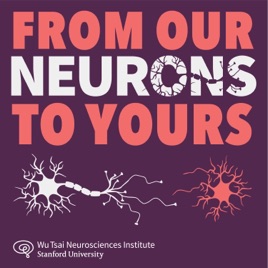
Advertise on podcast: From Our Neurons to Yours
Rating
4.5from
This podcast has
87 episodes
Language
EnglishExplicit
No
Date created
2023/01/11
Latest episode
2026/09/25
Average duration
45 min.
Release period
15 days
Description
This award-winning show from Stanford’s Wu Tsai Neurosciences Institute is a field manual for anyone who wants to understand their own brain and the new science reshaping how we learn, age, heal, and make sense of ourselves. Each episode, host Nicholas Weiler sits down with leading scientists to unpack big ideas from the frontiers of the field—brain-computer interfaces and AI language models; new therapies for depression, dementia, and stroke; the mysteries of perception and memory; even the debate over free will. You’ll hear how basic research becomes clinical insight and how emerging tech might expand what it means to be human. If you’ve got a brain, take a listen.
Unlock From Our Neurons to Yours podcast Email contact info,
Listeners & Audience details
Email contact information
Direct podcast contact details

Listeners
Audience numbers & engagement insights

Audience details
Podcast Insights

Podcast episodes
Check latest episodes from From Our Neurons to Yours podcast
How do our brains stay healthy as we age? | Tom Clandinin
2026/09/25
Today on the show, we explore the complex biology underlying a seemingly straightforward question: How do our brains stay healthy – or not – as we age?
There seems to be a constant flow of new secrets to healthy brain aging – inflammation, estrogen levels, how the brain clears out its waste. We've talked about many of these explanations on the show, and it can be easy to think that whatever the latest one is, that's the one. At least until the next one comes along.
In reality, each of those things is probably part of a larger complex system that guides brain aging. But if that's the case, how do the parts fit together, and how do scientists figure out interventions that could slow or prevent neurodegeneration?
That's a tricky challenge to be sure, but it's that challenge we're going to dive into with today's guest, neurobiologist Tom Clandinin.
Learn more
Clandinin LabQiu LabAllen LabBig Ideas in Neuroscience tackle brain science of everyday life and more (Wu Tsai Neurosciences Institute, 2026)Convergence of biological and artificial networks (Current Biology, 2021)Coupling of activity, metabolism and behaviour across the Drosophila brain (Nature, 2021)Drosophila Connectomics: Mapping the Larval Eye’s Mind (Current Biology, 2017)Flies and humans share a motion estimation strategy that exploits natural scene statistics (Nature Neuroscience, 2014)Send us a text!
Thanks for listening! If you're enjoying our show, please take a moment to give us a review on your podcast app of choice and share this episode with your friends. That's how we grow as a show and bring the stories of the frontiers of neuroscience to a wider audience.
We want to hear from your neurons! Email us at at [email protected]
Learn more about the Wu Tsai Neurosciences Institute at Stanford and follow us on Twitter, Facebook, and LinkedIn.
Sugar on the brain | Carolyn Bertozzi
2026/09/11
Today on the show, we bring you a conversation with Carolyn Bertozzi, the Baker Family Director of Sarafan ChEM-H and the Anne T. and Robert M. Bass Professor in the School of Humanities and Sciences.
Bertozzi is a Nobel Laureate, a MacArthur Fellow, and an all around cool person – although it didn't come up in the conversation, she used to play in a band with Rage Against the Machine's Tom Morello.
Although Bertozzi wouldn’t call herself a neuroscientist — she’s a chemist at heart – her work is having a big impact on neuroscience. Today, she focuses on the sugar molecules that stud the outer surfaces of our cells. It turns out that these molecules are incredibly important for how cells communicate with each other. But understanding these molecules is so complex and challenging that Bertozzi had to invent a new branch of chemistry in order to study them. In this episode, we'll hear how this research is opening doors not only within neuroscience but across biology and drug development as well.
Learn more
The Bertozzi Lab‘To advance science, I think it’s important to blur the boundaries between the disciplines’ (Stanford Report, 2026)Changes in brain’s ‘sugar shield’ could be key to understanding effects of aging (Stanford Report, 2025)Life is sweet (Stanford Magazine, 2022)Stanford’s Carolyn Bertozzi wins Nobel in chemistry (Stanford Report, 2022)Interview with Carolyn Bertozzi (Nobelprize.org, 2022)Aging brains pile up damaged proteins (Knight Initiative for Brain Resilience, 2025)Nobel Prize: How click chemistry and bioorthogonal chemistry are transforming the pharmaceutical and material industries (The Conversation, 2022)Glycocalyx dysregulation impairs blood-brain barrier in ageing and disease (Nature, 2025)Send us a text!
Thanks for listening! If you're enjoying our show, please take a moment to give us a review on your podcast app of choice and share this episode with your friends. That's how we grow as a show and bring the stories of the frontiers of neuroscience to a wider audience.
We want to hear from your neurons! Email us at at [email protected]
Learn more about the Wu Tsai Neurosciences Institute at Stanford and follow us on Twitter, Facebook, and LinkedIn.
After Ozempic: the revolution in peptide science | Jonathan Long
2026/08/27
Health influencers and scientists have both gone crazy for peptides.
The peptide health craze stems from a lot of online hype — centered on gray-market compounds that haven't been rigorously tested in humans and aren't regulated for safety or purity. But among scientists, there is a genuine "revolution" underway — spurred by technological developments revealing an order of magnitude more peptides in our bodies than we ever realized, and by the unexpected and unparalleled success of GLP-1 drugs like Ozempic.
To learn more about what’s driving this excitement – and how much of the peptide hype is really worth your attention – we spoke with Stanford biochemist Jonathan Long, an associate professor of pathology at Stanford Medicine, an affiliate of the Wu Tsai Neurosciences Institute, and an Institute Scholar of Stanford Sarafan ChEM-H.
Editor's Note: After we went to press, Colorado biotech Enveda announced promising but early Phase 1 safety results for ENV-308, an oral drug engineered to mimic Lac-Phe — the "exercise in a pill" molecule Long's lab first characterized in 2022. The trial didn't test actual weight-loss or fitness effects, so the real thing isn't here yet — but Long, a scientific advisor to Enveda, calls it "an extremely exciting potential scientific breakthrough." Read more
Learn more
Long Lab of Chemical PhysiologyAn ‘Exercise Pill’ Just Cleared Its First Human Test (Gizmodo, 2026)A pill that mimics exercise? Early results on drug designed to maintain both weight loss and muscle mass (STAT, 2026)Peptides are everywhere. Here’s what you need to know. (MIT Technology Review, 2026)Influencers are promoting peptides for better health. What does the science say? (NPR, 2026)What doctors want patients to know about injectable peptides (American Medical Association, 2026)Why Are People Injecting Themselves with Peptides? (The New Yorker, 2026)Peptides are buzzing: But what does the science say? (Stanford Medicine, 2026)Study of pythons’ extreme diet reveals new hunger-curbing molecule (Knight Initiative for Brain Resilience, 2026)Unlocking the secrets of ketosis (Knight Initiative for Brain Resilience, 2024)Weight loss caused by common diabetes drug tied to "anti-hunger" molecule in study (Stanford Medicine, 2024)Q&A: Unlocking the secrets of taurine in obesity control (Knight Initiative for Brain Resilience, 2024)Exercise and the brain (From Our Neurons to Yours, 2023)Lac-Phe mediates the effects metformin on food intake and body weight (Nature Metabolism, 2024)Send us a text!
Thanks for listening! If you're enjoying our show, please take a moment to give us a review on your podcast app of choice and share this episode with your friends. That's how we grow as a show and bring the stories of the frontiers of neuroscience to a wider audience.
We want to hear from your neurons! Email us at at [email protected]
Learn more about the Wu Tsai Neurosciences Institute at Stanford and follow us on Twitter, Facebook, and LinkedIn.
Transcranial magnetic stimulation and the future of psychiatry | Corey Keller
2026/08/13
Transcranial magnetic stimulation (TMS) is one of the most promising new technologies in psychiatry. Essentially, it allows us to reach inside the brain, stimulate it, and alter the brain circuits that go awry in disorders like depression.
As the late Nolan Williams once explained, we've known for a long time that mental health disorders are caused by changes in electrical circuits in our brains, until TMS came along, we didn't had a good way of nudging those circuits back toward healthier function.
But for all its promise, there is still much we don't understand about what exactly TMS is doing. We know it sends electromagnetic waves into the brain and changes the flow of electricity within. What we don't know is how it changes brain circuits and networks or why that helps treat depression, obsessive-compulsive disorder, or any of the other conditions where it's being used.
Today's guest, Corey Keller, is dedicated to addressing that gap. He's been developing methods for recording inside the brain to help us understand how treatments like TMS change our brain circuits and address psychiatric disease.
Learn more
Stanford Precision Neurotherapeutics LabKoret Human Neurosciences Community LabClosed-loop Optimized rTMS for Depression (Stanford Medicine Clinical Trials)Probing the Dorsolateral Prefrontal Cortex and Central Executive Network for Improving Neuromodulation in Depression (Stanford Medicine Clinical Trials)Non-invasive brain stimulation opens new ways to study and treat the brain (Wu Tsai Neurosciences Institute, 2025)Music supercharges brain stimulation (Wu Tsai Neurosciences Institute, 2025)How brain imaging is transforming mental health (From Our Neurons to Yours 2025)Psychiatry 3.0 (From Our Neurons to Yours, 2023)Stanford Psychiatry’s Corey Keller Awarded Grant to Research Biomarkers to Improve Efficacy of rTMS for Treatment-Resistant Depression (Stanford Medicine Psychiatry and Behavioral Sciences, 2026)Personalizing Brain Stimulation for Psychiatric Disorders: From Circuits to Closed-Loop Control (American Journal of Psychiatry, 2026)Transcranial magnetic stimulation with intracranial recording in humans and primates: a review (Brain: A Journal of Neurology, 2025)Neural effects of TMS trains on the human prefrontal cortex (Scientific Reports, 2023)Send us a text!
Thanks for listening! If you're enjoying our show, please take a moment to give us a review on your podcast app of choice and share this episode with your friends. That's how we grow as a show and bring the stories of the frontiers of neuroscience to a wider audience.
We want to hear from your neurons! Email us at at [email protected]
Learn more about the Wu Tsai Neurosciences Institute at Stanford and follow us on Twitter, Facebook, and LinkedIn.
How brain imaging is transforming mental health (finally) | Leanne Williams
2026/07/30
Back in the 1950s, doctors didn't know a whole lot about the heart. If someone came in with chest pain, clinicians would ask a few questions, then take a stab at treating what might be heartburn or a heart attack.
That's where mental health care is today, according to today's guest, Leanne Williams.
For example: you come into a psychiatrist’s office. The psychiatrist determines that you’ve experienced five or more depressive symptoms for at least two consecutive weeks and you get a diagnosis of major depressive disorder. Maybe you get prescribed some combination of therapy and medication. For some it works. For others it doesn’t. On average, finding an effective treatment for depression takes patients about 7 years – one of the reasons we’re in a mental health crisis.
Williams says that the key issue is that psychiatry does not base its diagnoses or treatment plans on any direct test of the organ of interest: the brain. According to Leanne’s research, people with depression actually fall into clearly different categories, caused by changes in specific brain networks that can be seen using brain imaging. She’s shown that using this data can lead to much more targeted and effective therapies.
Williams leads the Precision Mental Health Center at Stanford and is helming a new international task force that aims to create a road map for transforming mental health diagnosis and treatment based on biological data and brain imaging. We invited Leanne on the show to tell us about a sea change she sees happening in psychiatry.
Learn more
Stanford Center for Precision Mental HealthStanford PanLab: Personalized and Translational Neuroscience LabReimagining mental health: Stanford Medicine experts chosen to lead precision task force (Stanford Medicine, 2026)Depression's distinctive fingerprints in the brain (From Our Neurons To Yours, 2024)Cognitive behavioral therapy for depression can lead to lasting changes in the brain (Stanford Report, 2024)A study identified 6 types of depression. Here’s why that matters (CNN, 2024)Leanne Williams receives $18 million NIH grant to diagnose and treat depression (Stanford Report, 2024)Brain scans could help personalize treatment for people who are depressed or suicidal (Science, 2019)The Precision Mental Health Commission: transforming mental health through brain circuit science (Nature Mental Health, 2026)Personalized Treatment Selection in Depression Using Clinically Interpretable Neuroimaging Biotypes (Biological Psychiatry, 2026)Personalized brain circuit scores identify clinically distinct biotypes in depression and anxiety (Nature Medicine, 2024)Send us a text!
Thanks for listening! If you're enjoying our show, please take a moment to give us a review on your podcast app of choice and share this episode with your friends. That's how we grow as a show and bring the stories of the frontiers of neuroscience to a wider audience.
We want to hear from your neurons! Email us at at [email protected]
Learn more about the Wu Tsai Neurosciences Institute at Stanford and follow us on Twitter, Facebook, and LinkedIn.
Is chronic fatigue a gut-brain reflex? (Big Ideas in Neuroscience) | Julia Kaltschmidt
2026/07/16
Why does being sick make you so exhausted – and why does that exhaustion sometimes outlast the illness itself? Today, neuroscientist Julia Kaltschmidt returns to the podcast to talk about the body's hidden "sickness reflex," the gut-brain circuitry behind it, and what those things might reveal about chronic fatigue.
Kaltschmidt, a Wu Tsai Neurosciences Institute faculty scholar and professor of neurosurgery at Stanford Medicine, is an expert on the enteric nervous system — the gut's own semi-independent network of 200 to 600 million neurons. She's leading a new Big Ideas in Neuroscience project mapping out exactly how the body tells the brain it's sick, alongside Luis de Lecea, an expert in the brain circuitry of sleep, and Christoph Thaiss, who studies communication between the gut, the immune system, and the brain.
The team believes that understanding the "reflex" of sickness fatigue could eventually lead to something patients with chronic fatigue and long COVID don't currently have: a real biomarker, and a path to treatment, for a condition that's too often been dismissed as "all in your head."
Learn More
Big Ideas in Neuroscience tackle brain science of everyday life and more (Wu Tsai Neuro, 2026)Your gut – the second brain? (Our first conversation with Julia Kaltschmidt)The gut's 'second brain' (Stanford Medicine, 2026)Discovery sheds light on earliest development of gut motility (Wu Tsai Neuro, 2024)Neuroscience sheds light on childhood gut disorders (Wu Tsai Neuro, 2024)Could boosting gut–brain communication prevent memory loss? (Podcast episode with Christoph Thaiss)Why sleep keeps us young (Podcast episode with Luis De Lecea)New Science Shows Immune "Memory" in the Brain (Quanta Magazine, 2021)Insular cortex neurons encode and retrieve specific immune responses (Cell, 2021)Send us a text!
Thanks for listening! If you're enjoying our show, please take a moment to give us a review on your podcast app of choice and share this episode with your friends. That's how we grow as a show and bring the stories of the frontiers of neuroscience to a wider audience.
We want to hear from your neurons! Email us at at [email protected]
Learn more about the Wu Tsai Neurosciences Institute at Stanford and follow us on Twitter, Facebook, and LinkedIn.
Is neurodegeneration a waste-management problem? | Monther Abu-Remaileh
2026/06/18
For decades, the field focused on the plaques and tangles of misfolded proteins that show up in the brains of patients with Alzheimer’s, Parkinson’s and other disorders. The natural assumption was that if you could design a drug to clear out that gunk, you could save the brain. But so far, that bet hasn't paid off.
Now, researchers are taking a big step back and asking whether the plaques aren't a culprit, but rather a clue pointing to something more fundamental going wrong in our brain cells as we age? Put another way, why do our brains get jammed up with these junk proteins in the first place?
Today’s guest, chemical engineer and geneticist Monther Abu-Remaileh, is one of the researchers working hard to answer that question. His research goes deep on a tiny cellular structure called the lysosome, little sacs filled with acid and enzymes that break down worn-out proteins and cellular debris. The lysosome is like a sustainable recycling center for a major city, managing waste streams, recycling raw materials, and coordinating with the rest of the cell to keep things running – and when it breaks down, the whole cell starts to fail.
Among other accomplishments, Abu-Remaileh, a member of the Knight Initiative for Brain Resilience Steering Committee, has developed clever techniques for probing the lysosome that have put him at the frontier of a transformation in how we think about the lysosome, a transformation that could point the way to slow all manner of neurodegeneration – or even prevent it from happening in the first place.
Learn More
From humble beginnings to unlocking lysosomal secrets (ASBMB Today, 2026)‘You can literally lose who you are’ (Stanford Report, 2025)Driver of neurodegenerative diseases revealed (Stanford Engineering, 2023)New atlas could help researchers studying neurological disease (Knight Initiative for Brain Resilience, 2026)Sifting through cellular recycling centers (Stanford Engineering, 2022)Lysosomal metabolomics reveals V-ATPase- and mTOR-dependent regulation of amino acid efflux from lysosomes(Science, 2017)CLN3 is required for the clearance of glycerophosphodiesters from lysosomes (Nature, 2022)The Batten disease gene product CLN5 is the lysosomal bis(monoacylglycero)phosphate synthase (Science, 2023)The Bis(monoacylglycero)-phosphate Hypothesis: From Lysosomal Function to Therapeutic Avenues (Annual Review of Biochemistry, 2024)PLA2G15 is a BMP hydrolase and its targeting ameliorates lysosomal disease (Nature, 2025)Cell-type resolved protein atlas of brain lysosomes identifies SLC45A1-associated disease as a lysosomal disorder(Cell, 2026)Send us a text!
Thanks for listening! If you're enjoying our show, please take a moment to give us a review on your podcast app of choice and share this episode with your friends. That's how we grow as a show and bring the stories of the frontiers of neuroscience to a wider audience.
We want to hear from your neurons! Email us at at [email protected]
Learn more about the Wu Tsai Neurosciences Institute at Stanford and follow us on Twitter, Facebook, and LinkedIn.
A new precision neuroscience of language (Big Ideas in Neuroscience) | Cory Shain
2026/06/04
Right now, as you're reading this sentence, something remarkable is happening in your brain. Light waves from your screen hit your eyes, transform into electrical signals, and take on meaning. You understand what you're reading. This is language — our human superpower.
But despite 150 years of intensive research, we still do not have a complete picture of how the brain actually accomplishes all of this. We don't even have a good answer to a seemingly simple question: Where in the brain does language happen? It turns out, the answer may be different in different people.
Today we'll hear from neuro-linguist Cory Shain, one of the leaders of a new Big Ideas in Neuroscience project here at Wu Tsai Neuro that is combining multiple brain recording techniques to build individualized maps of the language network—and use these insights to improve brain implants for people who've lost the ability to speak or write due to brain injury or illness.
Learn more
Laboratory for Computation & Language in Minds & BrainsLaboratory of Speech NeuroscienceNeural Prosthetics Translational LabBrainGateHow the Brain Processes Different Components of Language (Psychology Today, 2024)Big Ideas in Neuroscience tackle brain science of everyday life and more (Wu Tsai Neurosciences Institute, 2026)Study of promising speech-enabling interface offers hope for restoring communication (Stanford Medicine, 2025)The neuroscience of understanding (Stanford Momentum, 2025)Distributed Sensitivity to Syntax and Semantics throughout the Language Network(Journal of Cognitive Neuroscience, 2025)Hierarchical dynamic coding coordinates speech comprehension in the brain(Proceedings of the National Academy of Sciences, 2025)Send us a text!
Thanks for listening! If you're enjoying our show, please take a moment to give us a review on your podcast app of choice and share this episode with your friends. That's how we grow as a show and bring the stories of the frontiers of neuroscience to a wider audience.
We want to hear from your neurons! Email us at at [email protected]
Learn more about the Wu Tsai Neurosciences Institute at Stanford and follow us on Twitter, Facebook, and LinkedIn.
How childhood (and Pokémon) shape how we see the world | Kalanit Grill-Spector
2026/05/21
Today's episode is all about how childhood literally shapes the brain.
Our most important experiences – from learning to read, to the growing complexity of our social lives at school, and even the video games we play – leave physical traces in how our brains get organized that shape how we see the world as adults.
But how does the brain actually know what parts of our lives are actually important enough to reorganize around? How do particular experiences get under the hood to leave their mark on the developing brain?
Today's guest, Stanford psychology professor Kalanit Grill-Spector, has spent her career trying to answer these questions. She's has been imaging children's brains – from infants to teenagers – to watch this reorganization unfold. Her work focuses on how our visual experience as children shapes our brains and how we see the world – what she and her team have found is not always what they expected.
Learn More
The Vision and Perception Neuroscience Lab at Stanford Humanities and SciencesBrain's face recognition area grows much bigger as we get older (New Scientist, 2017)Neuroscientists use AI to simulate how the brain makes sense of the visual world (Wu Tsai Neurosciences Institute, 2025)Bridging nature and nurture: The brain's flexible foundation from birth (Wu Tsai Neurosciences Institute, 2025)Extensive childhood experience with Pokémon suggests eccentricity drives organization of visual cortex (Nature Human Behavior, 2019)Cortical recycling in high-level visual cortex during childhood development (Nature Human Behaviour, 2021)A unifying framework for functional organization in early and higher ventral visual cortex (Neuron, 2024)The emergence of visual category representations in infants' brains (eLife, 2024)White matter connections of human ventral temporal cortex are organized by cytoarchitecture, eccentricity and category-selectivity from birth (Nature Human Behaviour, 2025)Send us a text!
Thanks for listening! If you're enjoying our show, please take a moment to give us a review on your podcast app of choice and share this episode with your friends. That's how we grow as a show and bring the stories of the frontiers of neuroscience to a wider audience.
We want to hear from your neurons! Email us at at [email protected]
Learn more about the Wu Tsai Neurosciences Institute at Stanford and follow us on Twitter, Facebook, and LinkedIn.
The FDA's psychedelic sea-change: what accelerated clinical trials for psilocybin, methylone, and ibogaine mean for mental health and neuroscience research | Boris Heifets
2026/05/07
Last month we saw a big shift in the federal government’s approach to psychedelic medicine.
Specifically, following an executive order by President Trump, the FDA announced it is fast-tracking its review of several clinical trials of psychedelic drugs for patients with mental health disorders. The executive order also directed more funds towards psychedelic research and a review of psychedelics’ status as highly restricted Schedule 1 substances.
To help us understand what all this means for the future of psychedelic medicine and the neuroscience of psychedelics, we’re joined by Boris Heifets, an anesthesiologist at Stanford Medicine who runs a lab studying how psychedelics affect the nervous system and their impact on patients with psychiatric conditions.
Learn More
The Heifets Lab at Stanford MedicineFDA plans ultra-fast review of three psychedelic drugs following Trump directive (Associated Press, 2026)Trump’s order on psychedelics could have far-reaching science consequences (Scientific American, 2026)Psychedelics, placebo, and anesthetic dreams (From Our Neurons to Yours, 2024)Pychedelics inside out — how do LSD and psilocybin alter perception? (From Our Neurons to Yours, 2024)The power of psychedelics meets the power of placebo (From Our Neurons to Yours, 2024)Magnesium–ibogaine therapy in veterans with traumatic brain injuries (Nature, 2024)Magnesium–ibogaine therapy effects on cortical oscillations and neural complexity in veterans with traumatic brain injury (Nature Mental Health, 2025)Send us a text!
Thanks for listening! If you're enjoying our show, please take a moment to give us a review on your podcast app of choice and share this episode with your friends. That's how we grow as a show and bring the stories of the frontiers of neuroscience to a wider audience.
We want to hear from your neurons! Email us at at [email protected]
Learn more about the Wu Tsai Neurosciences Institute at Stanford and follow us on Twitter, Facebook, and LinkedIn.
Will work for dopamine: why hard work motivates us | Neir Eshel
2026/04/30
Today’s episode is about the neuroscience of hard work—or maybe more specifically, the value we place on hard work.
There’s something different about hiking to the top of a mountain versus taking a helicopter. The view from the top is exactly the same, but if you’ve done the hard slog to get there, the payoff is going to be much more rewarding.
The question is, how does the brain know the difference? To answer this, we need to take a deep dive into the brain’s reward system, and one of our favorite neurotransmitters, dopamine. And it turns out, the way dopamine operates is more complicated than we thought.
Our guest today, Stanford Medicine psychiatrist Neir Eshel, tells us about new research that’s starting to reveal exactly how the brain pushes us to work hard for the things that matter to us.
Learn More
Eshel's Stanford Translational Addiction and Aggression Research (STAAR) LabWhy we value things more when they cost us more (Stanford Medicine, 2026)Cholinergic modulation of dopamine release drives effortful behaviour (Nature, 2026)Striatal dopamine integrates cost, benefit, and motivation (Neuron, 2023)Dopamine and serotonin work in opposition to shape learning (Wu Tsai Neuro, 2024)Why we do what we do (From Our Neurons to Yours, 2024)Send us a text!
Thanks for listening! If you're enjoying our show, please take a moment to give us a review on your podcast app of choice and share this episode with your friends. That's how we grow as a show and bring the stories of the frontiers of neuroscience to a wider audience.
We want to hear from your neurons! Email us at at [email protected]
Learn more about the Wu Tsai Neurosciences Institute at Stanford and follow us on Twitter, Facebook, and LinkedIn.
Could Parkinson's start in the gut? | Kathleen Poston
2026/04/16
Traditionally, we think of Parkinson's as a movement disorder—defined by slowed movement, stiff muscles, and involuntary shaking. But it turns out there are other symptoms that appear years or even decades before movement problems bring patients to the clinic: sleep disturbances, chronic constipation, and loss of smell.
For today's guest, these early symptoms represent an incredible opportunity to understand where Parkinson's begins and to identify patients much earlier in the disease.
Kathleen Poston is a neurologist and division chief for movement disorders at Stanford Medicine. She's also a member of the steering committee for the Knight Initiative for Brain Resilience at Wu Tsai Neuro, and advises the Michael J. Fox Foundation and pharmaceutical companies on Parkinson's research.
We discuss why non-motor symptoms might hold the key to early diagnosis, how new biomarkers are redefining the disease, and whether Parkinson's might actually start in the gut.
Learn More
Learn about Poston's research on her lab siteLearn about the Stanford Lewy Body Dementia Research Center of ExcellenceRedefining Parkinson's Disease | Our previous conversation with Poston, in which we learned about a sea change in our understanding of Parkinson's Disease.Neuroscientists dive into the gut (Wu Tsai Neuro, 2025) | Our 2025 Symposium explored how our brains and bodies communicate—and what that means for our health and well-beingParkinson’s comes in many forms. New biomarkers may explain why (Knight Initiative, 2025) | Blood and cerebrospinal fluid markers tied to inflammation and metabolism sort some patients into subgroups, a step toward predicting progression and tailoring care.A biological definition of neuronal α-synuclein disease: towards an integrated staging system for research (The Lancet - Neurology, 2024)International Working Group Proposes New Framework for Defining Parkinson Disease Based on Biology, Not Symptoms (Neurology Live article)Send us a text!
Thanks for listening! If you're enjoying our show, please take a moment to give us a review on your podcast app of choice and share this episode with your friends. That's how we grow as a show and bring the stories of the frontiers of neuroscience to a wider audience.
We want to hear from your neurons! Email us at at [email protected]
Learn more about the Wu Tsai Neurosciences Institute at Stanford and follow us on Twitter, Facebook, and LinkedIn.
How see-through brains could transform neuroscience (Big Ideas in Neuroscience) | Guosong Hong
2026/04/02
What if we could make the brain see-through?
It sounds like science fiction, but it could revolutionize how we study the brain.
Today on the show, we're talking with Guosong Hong, a faculty scholar here at the Wu Tsai Neurosciences Institute who has a unique reputation for developing creative techniques that literally shed light on the brain—from using fluorescent nanomaterials and focused ultrasound to create a virtual flashlight inside the skull, to discovering a common food dye that temporarily makes skin, muscle, and even parts of the brain transparent.
Now, Guosong and colleagues are taking this work to the next level through a Wu Tsai Neuro Big Ideas grant, genetically engineering mice to have see-through brains from birth.
Learn More
Q&A: 'To see is to believe' (Wu Tsai Neuro, 2026)Big Ideas in Neuroscience tackle brain science of everyday life and more (Wu Tsai Neuro, 2026)Researchers turn mouse scalp transparent to image brain development (Stanford Report, 2026)The future of transparent tissue (Stanford Engineering's The Future of Everything Podcast, 2025)Non-invasive brain stimulation opens new ways to study and treat the brain (Wu Tsai Neuro, 2025)Researchers make mouse skin transparent using a common food dye (Stanford Report, 2024)Note: Episode transcript will be uploaded within 24-48 hours of publication
Send us a text!
Thanks for listening! If you're enjoying our show, please take a moment to give us a review on your podcast app of choice and share this episode with your friends. That's how we grow as a show and bring the stories of the frontiers of neuroscience to a wider audience.
We want to hear from your neurons! Email us at at [email protected]
Learn more about the Wu Tsai Neurosciences Institute at Stanford and follow us on Twitter, Facebook, and LinkedIn.
Could boosting gut–brain communication prevent memory loss? A tale of microbes, memory, and our internal senses | Christophe Thaiss
2026/03/19
Our memories and senses are deeply connected—like how a favorite song can recreate a whole glorious teenage summer. It turns out this relationship might extend beyond our five external senses to include our internal senses: the signals telling us what's happening inside our bodies, sometimes beyond the veil of conscious perception.
New research by Wu Tsai Neurosciences Institute affiliate Christoph Thaiss suggests that losing these internal signals as we age — in part due to changes in our gut microbiome — could one reason why our memories decline as we get older.
Today we're talking with Thaiss about his new study in Nature that traces a surprising path from gut microbes to memory formation in the mouse brain.
Learn More
Enhancing gut-brain communication reversed cognitive decline, improved memory formation in aging mice (Stanford Medicine, 2026)Intestinal interoceptive dysfunction drives age-associated cognitive decline. (Nature, 2026)Christoph's presentation at Wu Tsai Neuro's 2025 Annual SymposiumNeuroscientists Dive into the Gut (Wu Tsai Neuro, 2025)The Thaiss Lab at the Arc InstituteThaiss Lab publicationsSend us a text!
Thanks for listening! If you're enjoying our show, please take a moment to give us a review on your podcast app of choice and share this episode with your friends. That's how we grow as a show and bring the stories of the frontiers of neuroscience to a wider audience.
We want to hear from your neurons! Email us at at [email protected]
Learn more about the Wu Tsai Neurosciences Institute at Stanford and follow us on Twitter, Facebook, and LinkedIn.
Why do some of us age faster than others? | Claire Bedbrook and Ravi Nath
2026/03/12
Today on the show, why do some of us age faster than others? Why do some of us grow old and die before our time while others seem to simply endure? And most of us have probably wondered at one point or another, which track am I on?
Turns out it might be possible to predict the whole trajectory of an animal's life at a surprisingly young age, just by looking closely at subtle patterns of behavior. That's the conclusion of a new study from researchers at the Knight Initiative for Brain Resilience here at Wu Tsai Neuro, out March 12, 2026 in the journal Science.
The study focused on the African turquoise killifish, a little fish that lives fast and dies young. This species has one of the shortest lifespans of any vertebrate, which makes it ideal for studying the entire arc of a life in the laboratory setting.
The important point here is that even short-lived killifish are dealt different lots by the fates. Even when you control for genetics and the environment, some killifish only live a month or two, while others can live as long as a year. So the big question is, what drives this difference in longevity?
To learn more, we're joined today by the study's two lead researchers, Wu Tsai Neurosciences Institute Postdoctoral Scholars, Claire Bedbrook and Ravi Nath, who performed the research in the labs of Anne Brunet and Karl Deisseroth here at Stanford.
Learn More
To study aging, researchers give killifish the CRISPR treatment (Knight Initiative for Brain Resilience, 2023)Study pinpoints key mechanism of brain aging (Stanford Report, 2025)Killifish project explores the genetic foundation of longevity (Stanford Medicine 2015)Multi-tissue transcriptomic aging atlas reveals predictive aging biomarkers in the killifish (Nature, 2026)
Send us a text!
Thanks for listening! If you're enjoying our show, please take a moment to give us a review on your podcast app of choice and share this episode with your friends. That's how we grow as a show and bring the stories of the frontiers of neuroscience to a wider audience.
We want to hear from your neurons! Email us at at [email protected]
Learn more about the Wu Tsai Neurosciences Institute at Stanford and follow us on Twitter, Facebook, and LinkedIn.
Podcast reviews
Read From Our Neurons to Yours podcast reviews
NeuroGrowth 2026/05/03
Navigating Neurons🙏
This is such an excellent podcast with great minds talking about the most complicated thing in the universe except the universe itself, the brain and ...
ChrissyFromTheChi 2025/04/23
Life-changing
Thank you to the whole From Our Neurons to Yours team!!! So happy I accidentally stumbled upon this podcast searching for answers about brain fog for ...
jtxursjgfkhckgckhxjgckh 2023/03/09
Awesome!!
Love it
Podcast sponsorship advertising
Start advertising on From Our Neurons to Yours relevant audience podcasts
You may also like to advertise on these Podcasts
4.76754463
Criminology
Emash Digital & Mike Ferguson, Mike Morford

4.87505975
The Dr. John Delony Show
Ramsey Network

4.512595664
RedHanded
RedHanded

4.858201918
Sara Gonzales Unfiltered
Blaze Podcast Network
4.922682003
First15 Devotional
First15
4.861421104
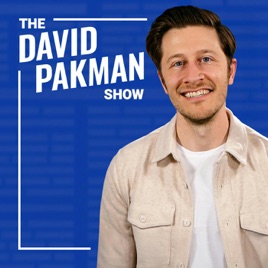
The David Pakman Show
David Pakman

4.917101555
DarrenDaily On-Demand
Darren Hardy LLC

4.7106622000
FantasyPros - Fantasy Football Podcast
iHeartPodcasts
4.818392000
The Cabral Concept
Dr. Stephen Cabral

4.9247801444
Unashamed with the Robertson Family
Tread Lively